Fine Motor Skills Extra Challenge Letter Recognition Worksheets for Ages 7-8
7 filtered results
-
From - To
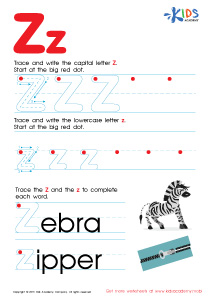
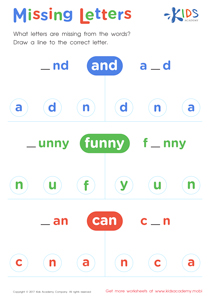
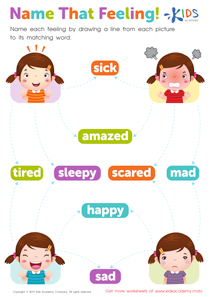
Enhance your child's learning experience with our "Fine Motor Skills Extra Challenge Letter Recognition Worksheets for Ages 7-8". Designed specifically for children in this age range, these worksheets engage students through fun, interactive activities that develop both letter recognition and fine motor skills. Your child will enjoy tracing, coloring, and completing engaging exercises that stimulate their cognitive abilities while refining their hand-eye coordination. Each worksheet is perfect for use at home or in the classroom, ensuring that learning remains enjoyable and effective. Explore our collection today and watch your child's confidence soar as they master letter recognition in an inviting way!

Letter A Tracing Page
 Assign to My Students
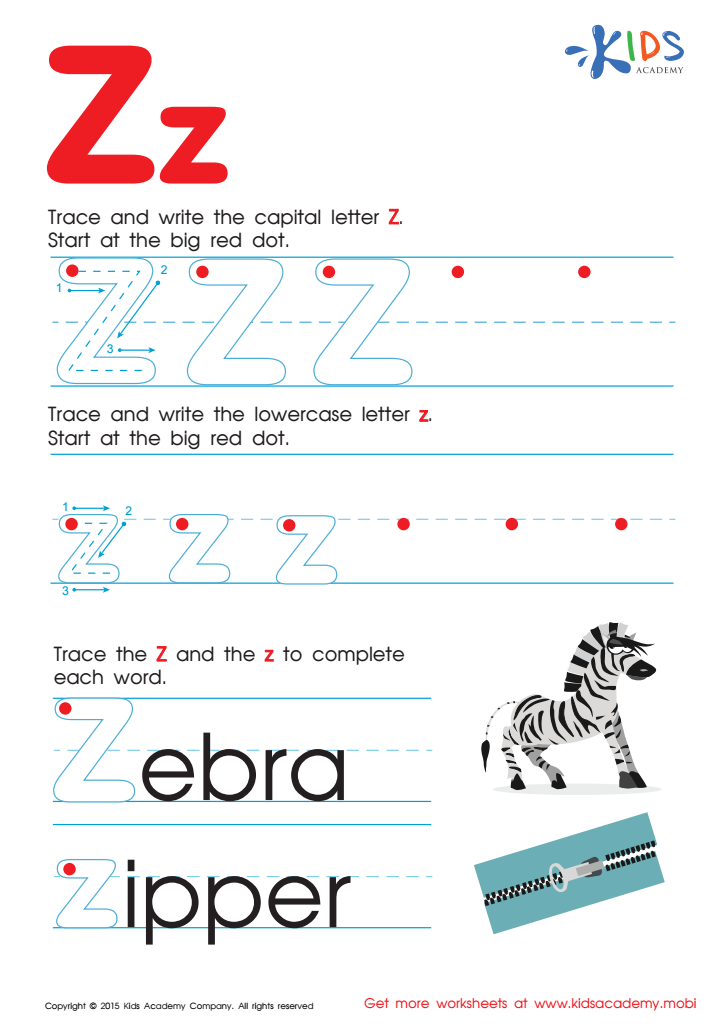
Letter Z Tracing Page
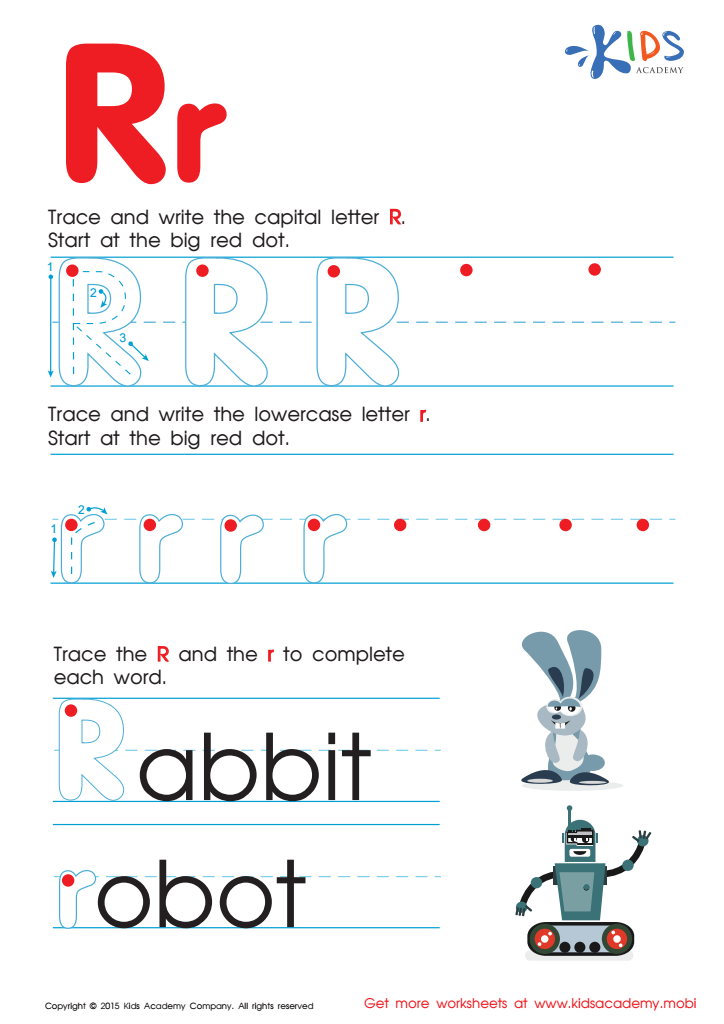
Letter R Tracing Page
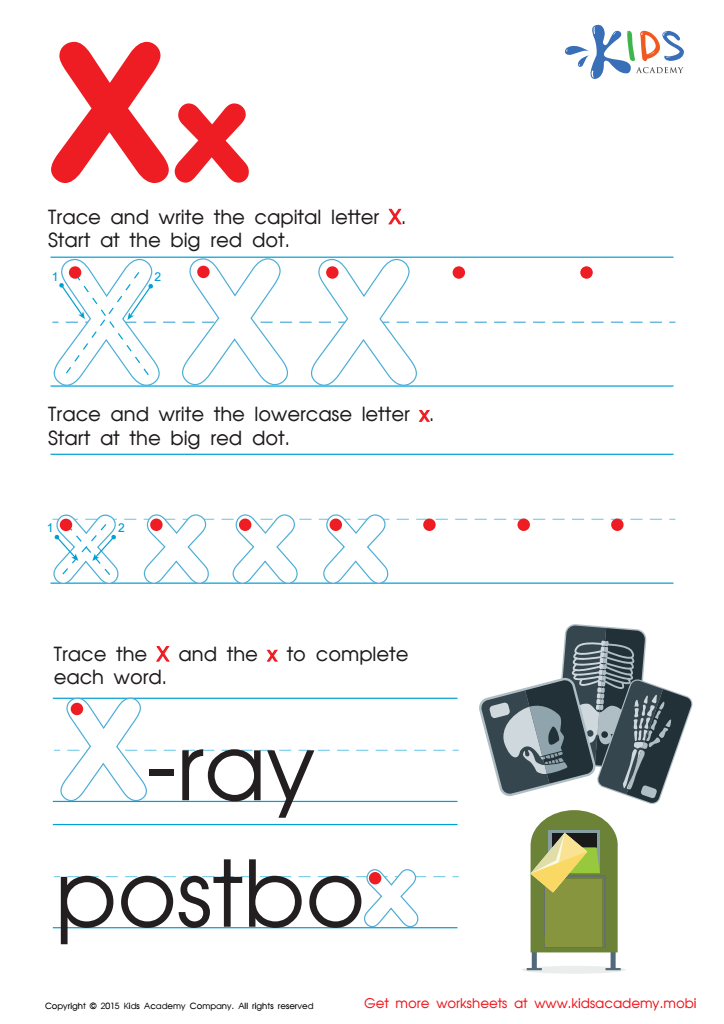
Letter X Tracing Page
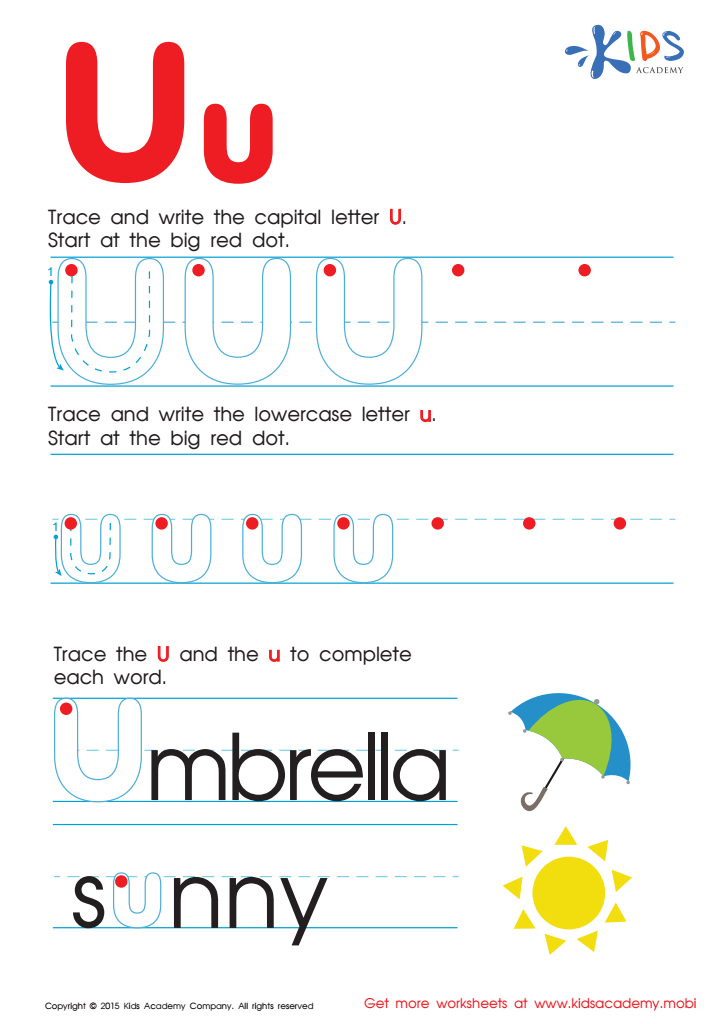
Letter U Tracing Page
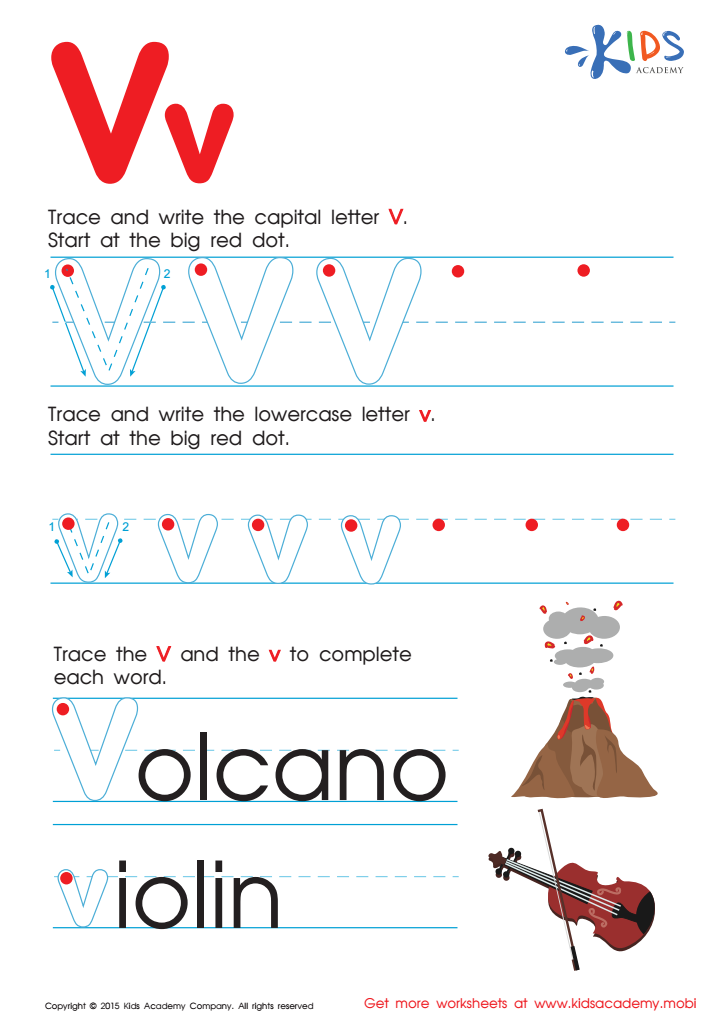
Letter V Tracing Page
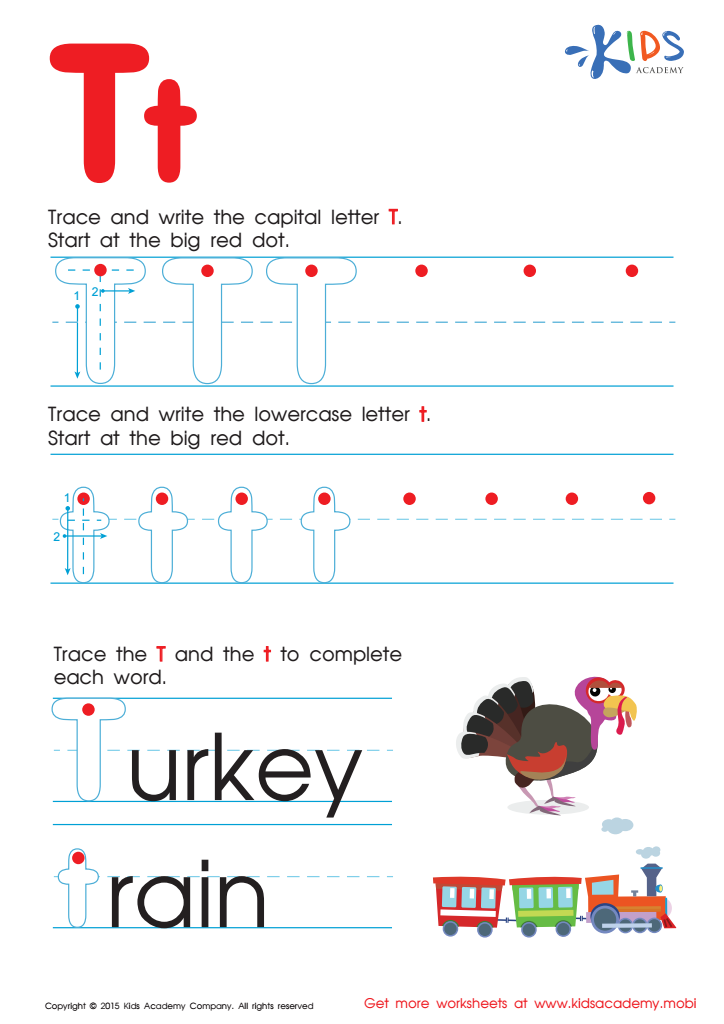
Letter T Tracing Page








Fine motor skills are essential for children aged 7-8 as they significantly impact their daily activities and learning processes. At this age, children are honing their ability to manipulate small objects and apply control with their fingers, which is crucial for tasks such as writing neatly, using utensils, and crafting. Fine motor skills also enhance hand-eye coordination, which is critical for various academic and recreational activities.
Integrating Extra Challenges in letter recognition can be particularly beneficial. Children are typically advancing from basic spelling to more complex tasks involving vocabulary and sentence structure. By intertwining fine motor challenges with letter recognition activities, such as tracing letters with a pencil or forming them with clay, children gain a multi-sensory experience that strengthens their cognitive and motor skills simultaneously. This approach not only fosters a deeper understanding of letters but also cultivates confidence and perseverance in learning.
For parents and teachers, promoting fine motor skill development through targeted letter recognition activities prepares children for more complex literacy tasks, ultimately leading to improved reading and writing abilities. Additionally, these skills contribute to a child’s overall academic success and independence, laying a solid foundation for future learning. Investing in this developmental area supports holistic child growth and enriches educational experiences.