Alphabet Recognition Extra Challenge ABC Letters Worksheets for 7-Year-Olds
3 filtered results
-
From - To
Boost your child’s alphabet recognition skills with our Alphabet Recognition Extra Challenge ABC Letters Worksheets designed specifically for 7-year-olds. These engaging activities help children identify and differentiate letters while enhancing their reading and writing proficiency. From fun letter hunts to creative tracing exercises, each worksheet is crafted to provide a fulfilling learning experience. Perfect for reinforcing classroom lessons or as a fun at-home activity, our worksheets encourage critical thinking and promote a love for letters. Let your young learners explore the world of alphabets with confidence and creativity—spire their imaginations while mastering essential foundational skills today!

Letter A Tracing Page
 Assign to My Students

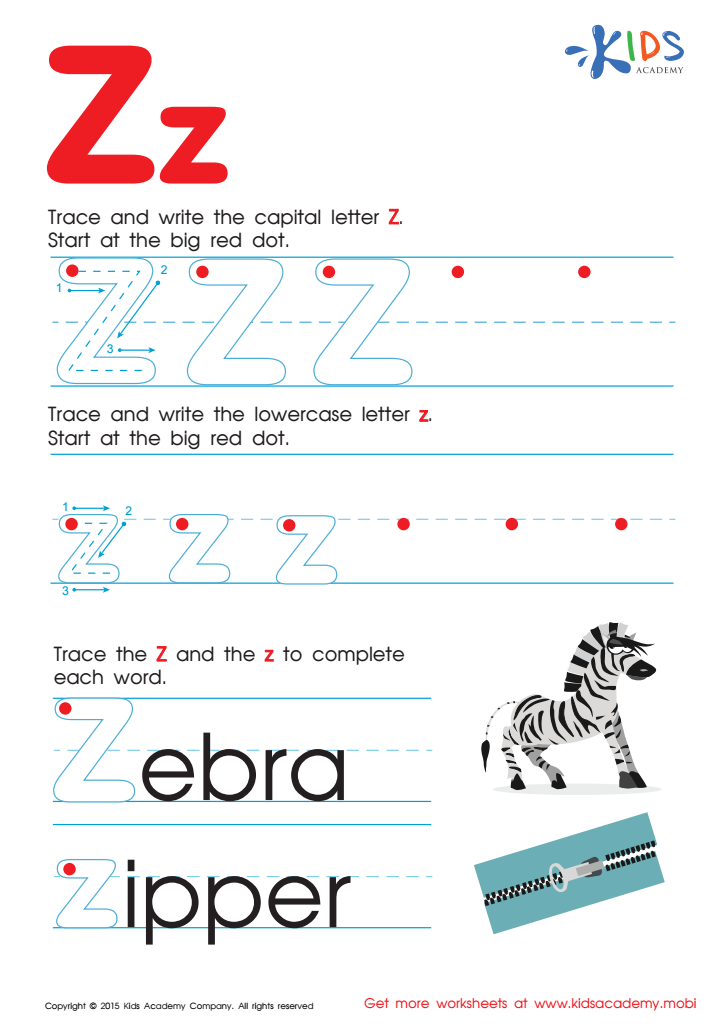
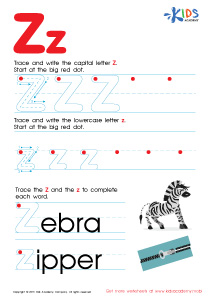
Letter Z Tracing Page
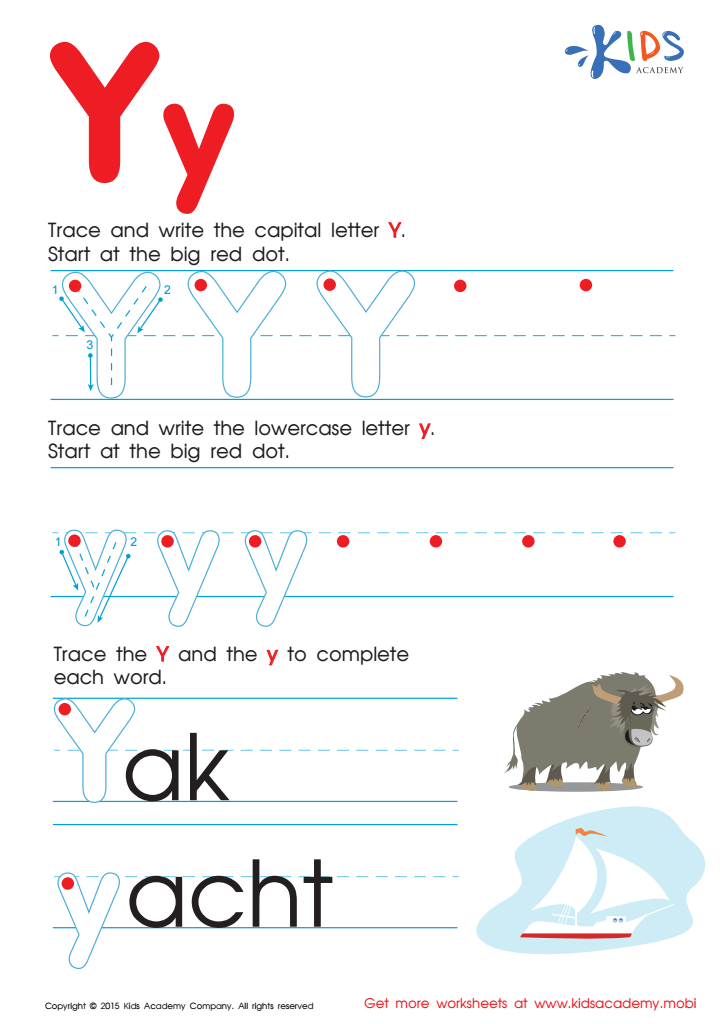
Letter Y Tracing Page








Alphabet recognition is a foundational skill that greatly impacts early literacy and overall academic success. For 7-year-olds, mastering ABC letters is not just about learning the alphabet; it lays the groundwork for reading fluency, spelling, and writing confidence. Engaging in programs like the Alphabet Recognition Extra Challenge can provide crucial benefits, which is why parents and teachers should take an active interest.
By participating in targeted activities, children reinforce their understanding of letter shapes, names, and sounds, which are essential for decoding words. This extra challenge often includes interactive and stimulating exercises, making learning fun and relatable. Moreover, it caters to varied learning styles, ensuring that all children can engage and benefit from the experience.
Furthermore, fostering early and effective letter recognition can lead to improved self-esteem and motivation in young learners. It lays the foundation for developing critical thinking and comprehension skills, giving students the tools they need for future academic endeavors. As children gain confidence in their abilities to recognize and manipulate letters, they become more enthusiastic about reading, setting them on a positive path towards lifelong learning. Engaging with programs like the Alphabet Recognition Extra Challenge can cultivate a love for literacy that has lasting effects.