Fine Motor Skills Extra Challenge Letter Recognition Worksheets for 7-Year-Olds
7 filtered results
-
From - To
Enhance your 7-year-old's fine motor skills while ensuring they master letter recognition with our engaging Fine Motor Skills Extra Challenge Letter Recognition Worksheets. Designed for young learners striving to build their writing and hand coordination, these worksheets provide an extra challenge that'll keep them motivated and engaged. Created by education experts, the activities blend fun with educational rigor to foster stronger fine motor development and letter recognition proficiency. Perfect for classroom use or additional home practice, our worksheets offer a delightful way to boost your child's handwriting skills and alphabet familiarity.
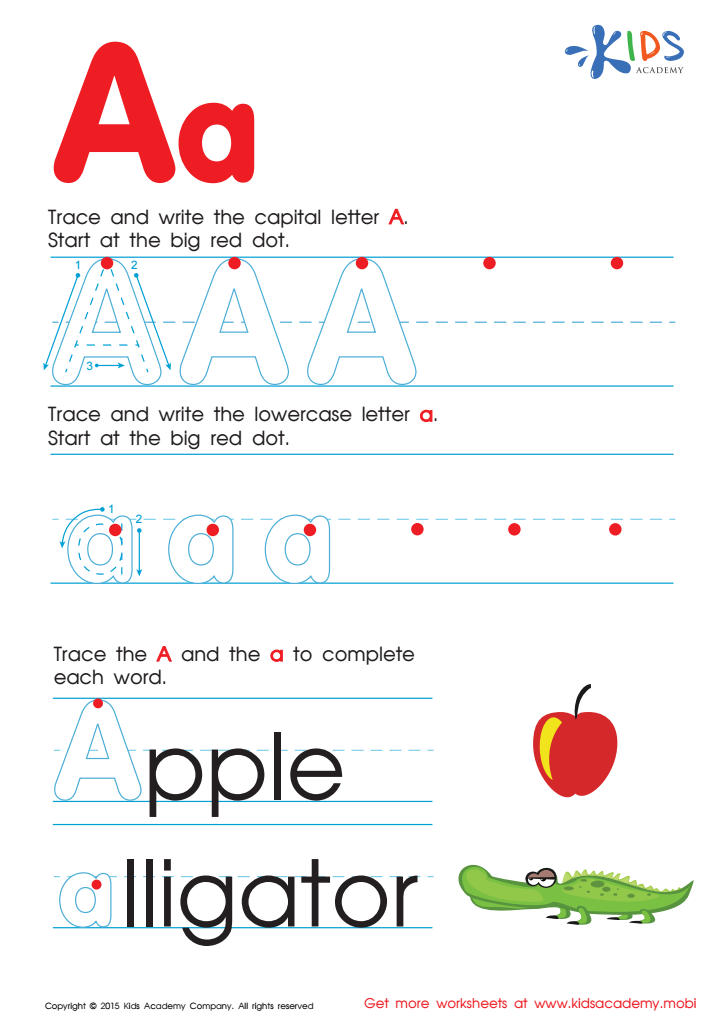
Letter A Tracing Page
 Assign to My Students
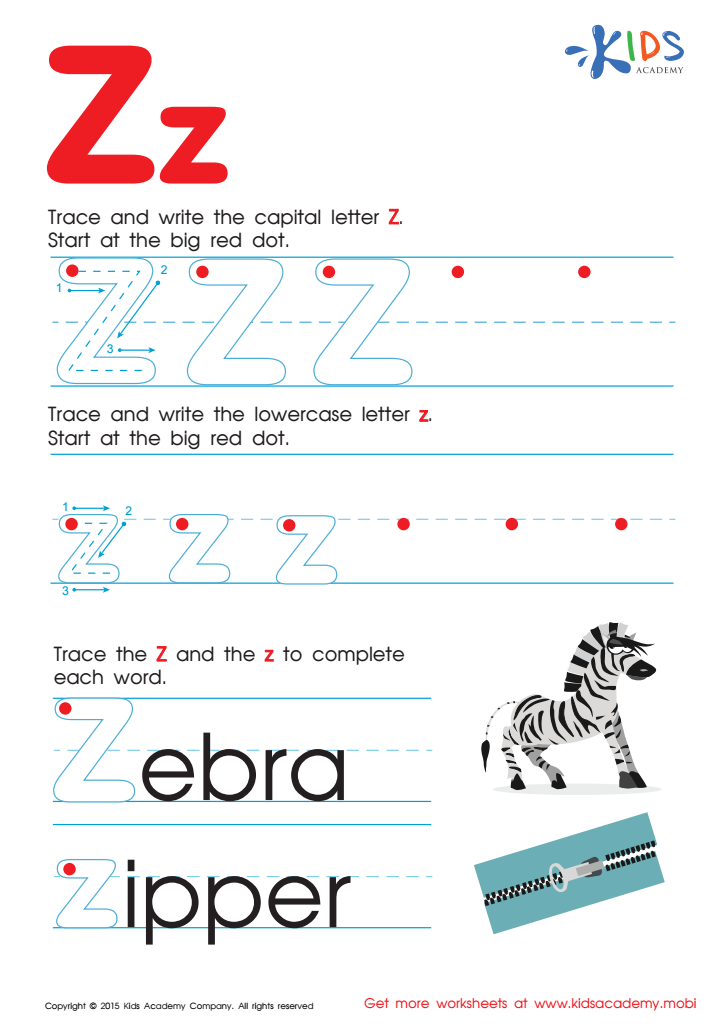
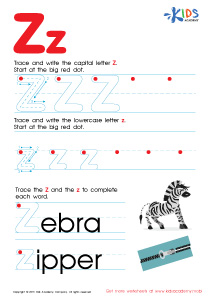
Letter Z Tracing Page
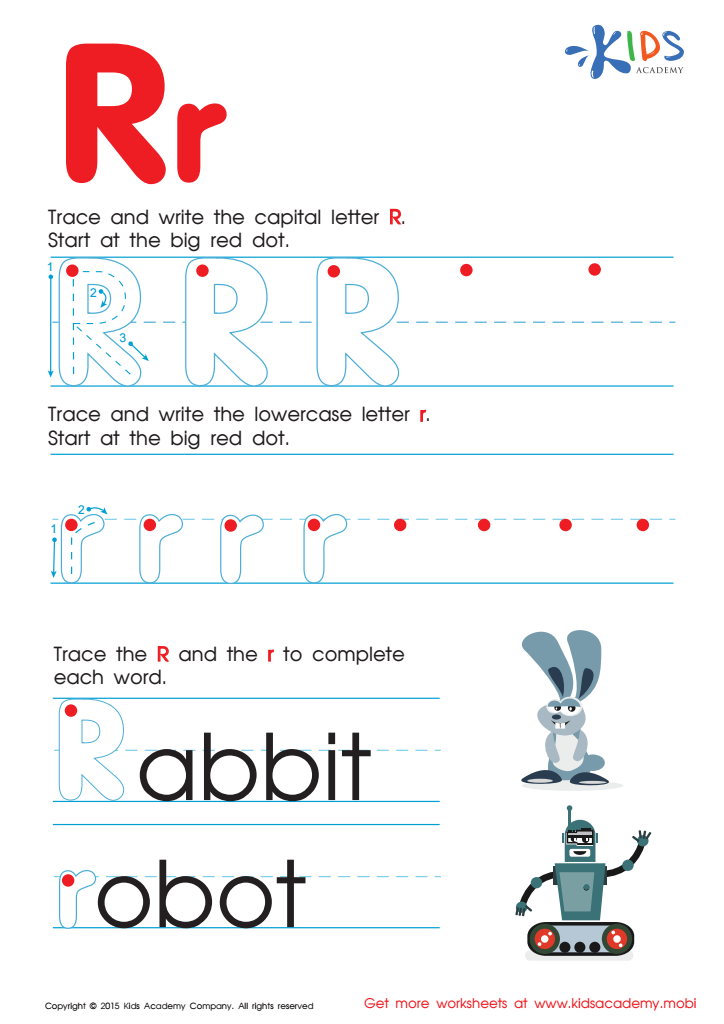
Letter R Tracing Page
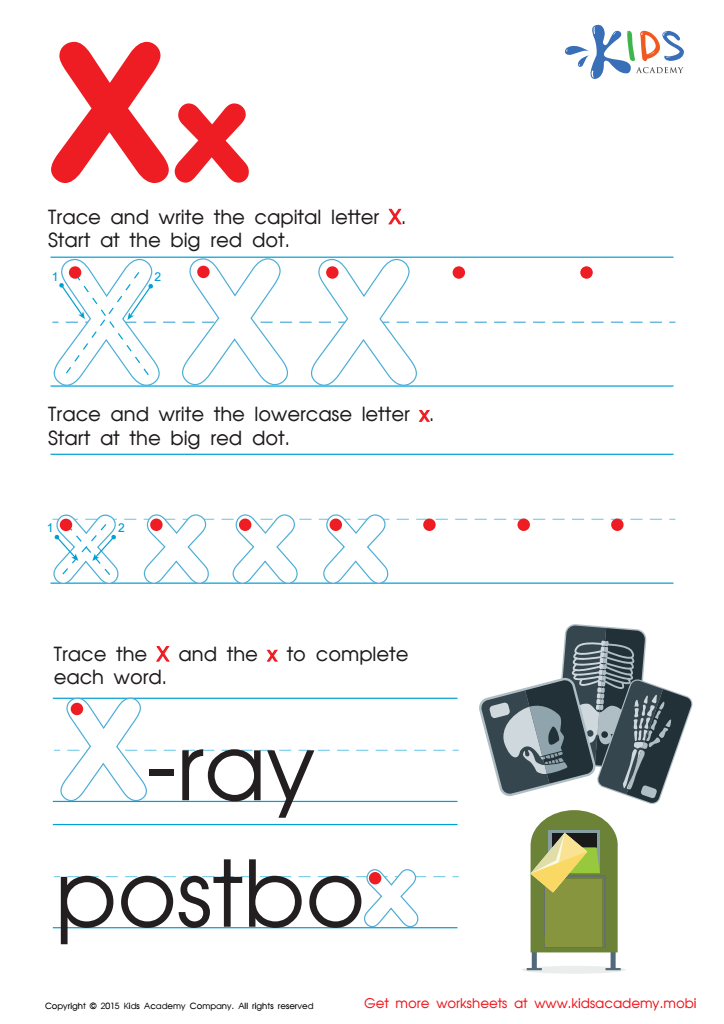
Letter X Tracing Page
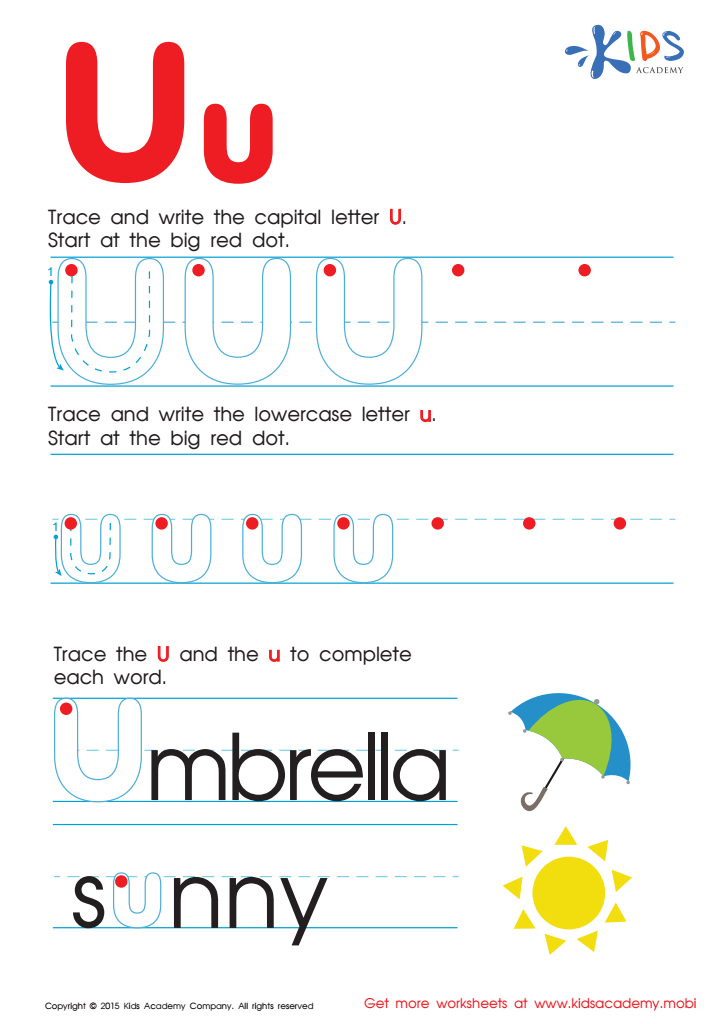
Letter U Tracing Page
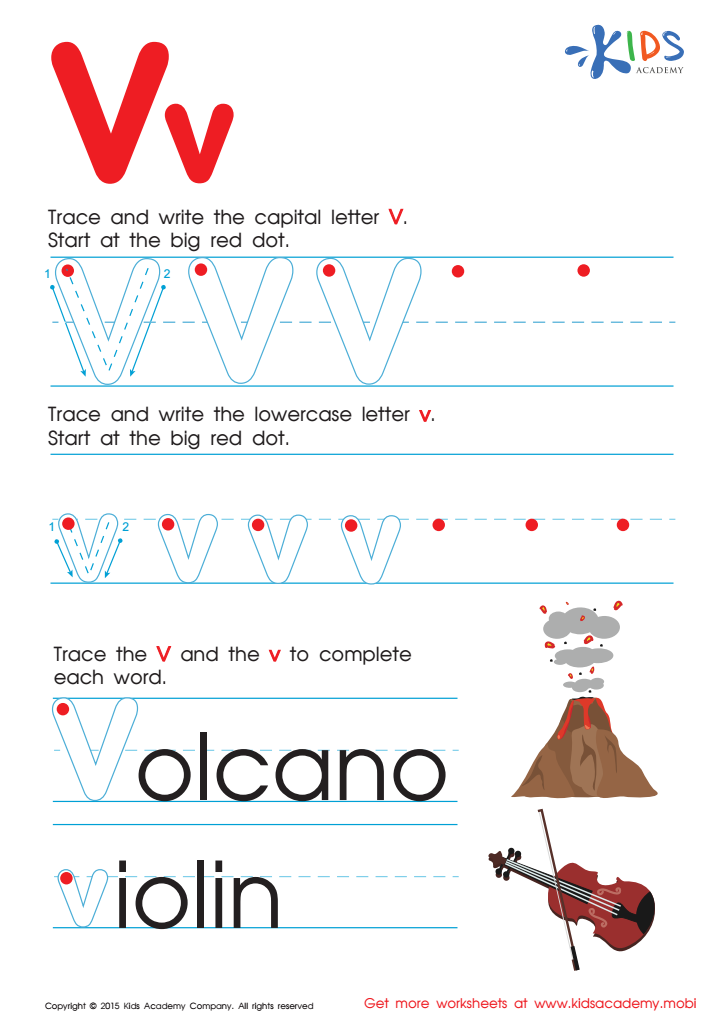
Letter V Tracing Page
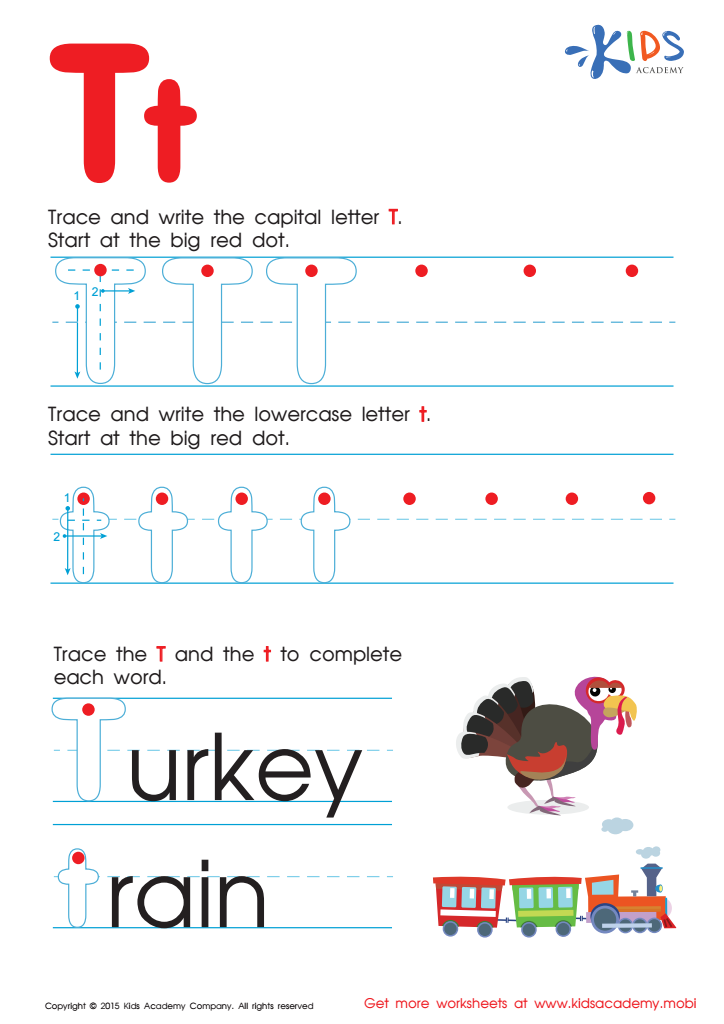
Letter T Tracing Page








Parents and teachers should care about Fine Motor Skills Extra Challenge Letter Recognition for 7-year-olds because these skills are foundational for academic and daily life success. At this age, children are honing their ability to process and manipulate small objects, which is crucial for tasks like writing, typing, and using various tools. Fine motor skills are linked directly to literacy development; the ability to recognize letters accurately and efficiently is the first step toward fluent reading and writing—essentials for all academic subjects.
Challenges in fine motor skills and letter recognition may indicate developmental delays or learning disabilities that can be addressed early with appropriate interventions. By focusing on these skills, teachers and parents ensure that children do not fall behind in their learning progression, fostering confidence and a love for learning.
Moreover, improving fine motor skills enhances children’s ability to perform everyday tasks such as buttoning clothes, tying shoelaces, or using utensils, which fosters independence and self-esteem. Detection and intervention early in areas of challenge can mitigate future academic and social difficulties, leading to more successful outcomes in school and life. Therefore, giving attention to these skills is crucial in supporting a child's holistic development in both educational and personal realms.