
Color recognition Extra Challenge Worksheets for 7-Year-Olds
6 filtered results
Difficulty Level
Grade
Age
-
From - To
Subject
Activity
Standards
Enhance your child's color recognition skills with our engaging Extra Challenge Worksheets designed specifically for 7-year-olds. These worksheets feature vibrant and stimulating activities that encourage children to identify and differentiate colors through fun exercises, including matching, coloring, and visual puzzles. Each worksheet is thoughtfully crafted to promote critical thinking and creativity while building a strong foundation in color recognition. Perfect for both home study and classroom use, these extra challenges will keep young learners motivated and entertained. Download our Color Recognition Extra Challenge Worksheets today and watch your child's confidence in color identification soar! Perfect for parents and teachers alike!
Favorites
With answer key
Interactive
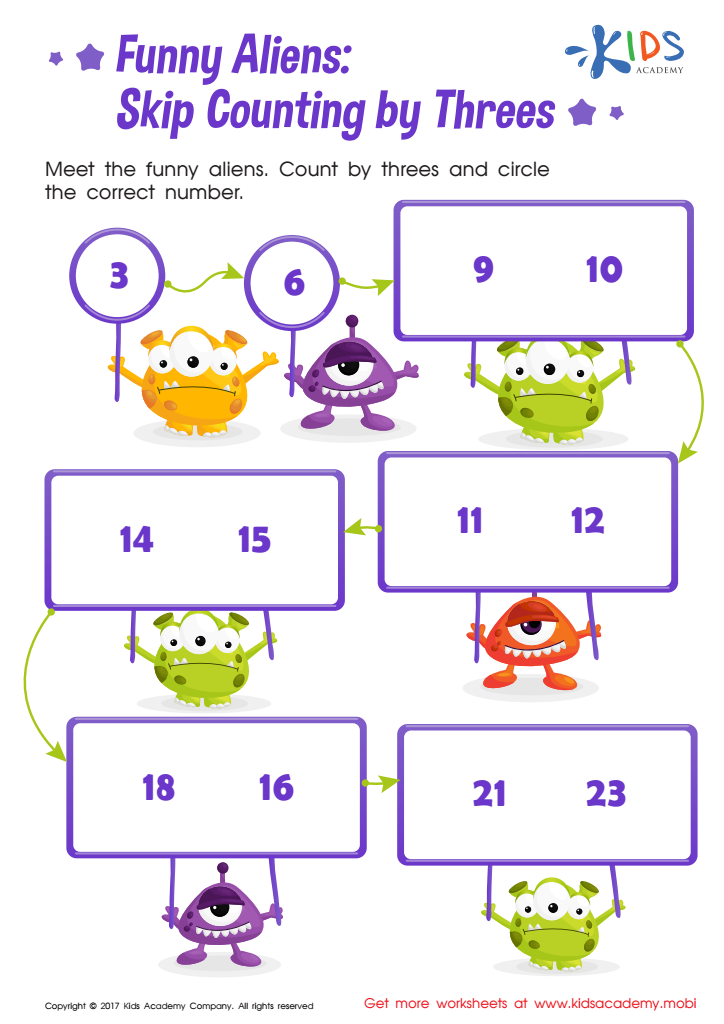
Skip Counting by 3s: Funny Aliens Printable
Blast off to outer space learning fun with this skip counting by 3 worksheet!
Skip Counting by 3s: Funny Aliens Printable
Worksheet
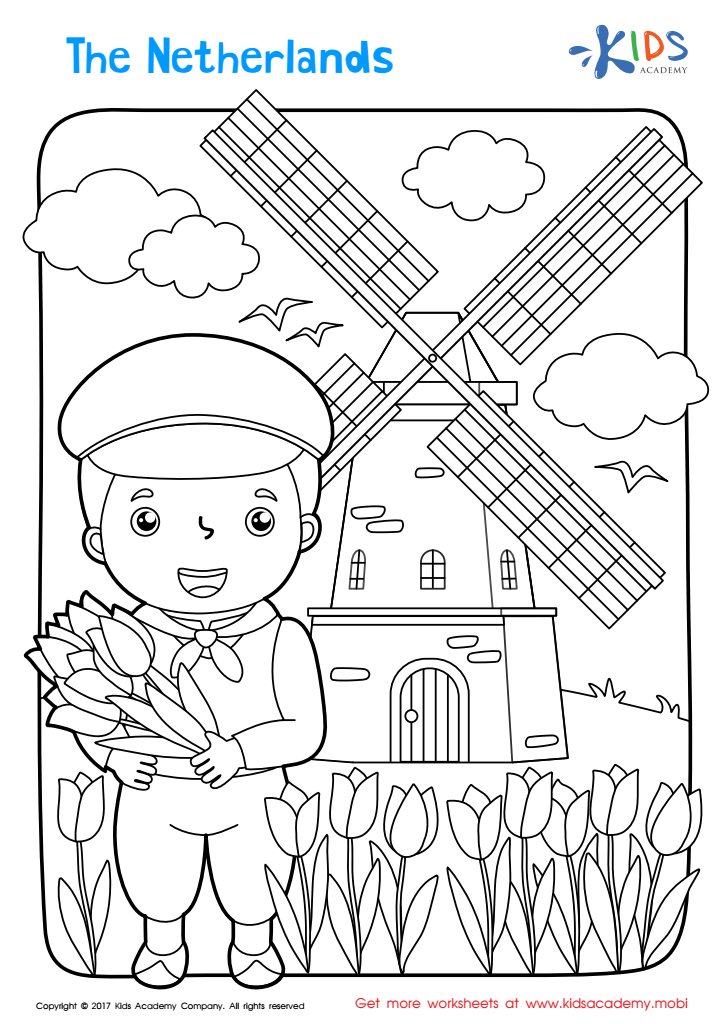
The Netherlands Printable
Explore the world with this fun Netherlands coloring page! Your child will discover Dutch windmills in the landscape. Expand their knowledge with a chat about the Netherlands!
Download (PDF)
 Assign to My Students
Assign to My Students
The Netherlands Printable
Worksheet
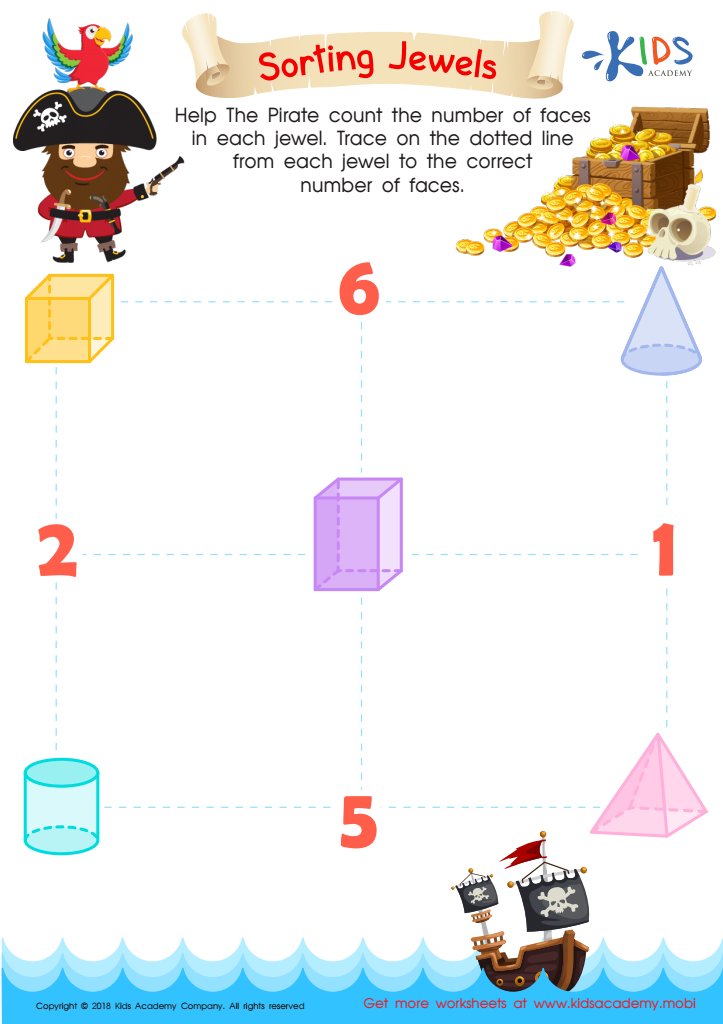
Sorting Jewels Worksheet
Help your kids explore their pirate fantasies with this tracing sheet. Ask them to count the number of faces in each jewel and then trace the dotted line to the correct number. How many faces does a rectangle have? What about a triangle and a cone? This fun worksheet is a great way to teach your kids the basics of identifying the number of faces on shapes.
Sorting Jewels Worksheet
Worksheet
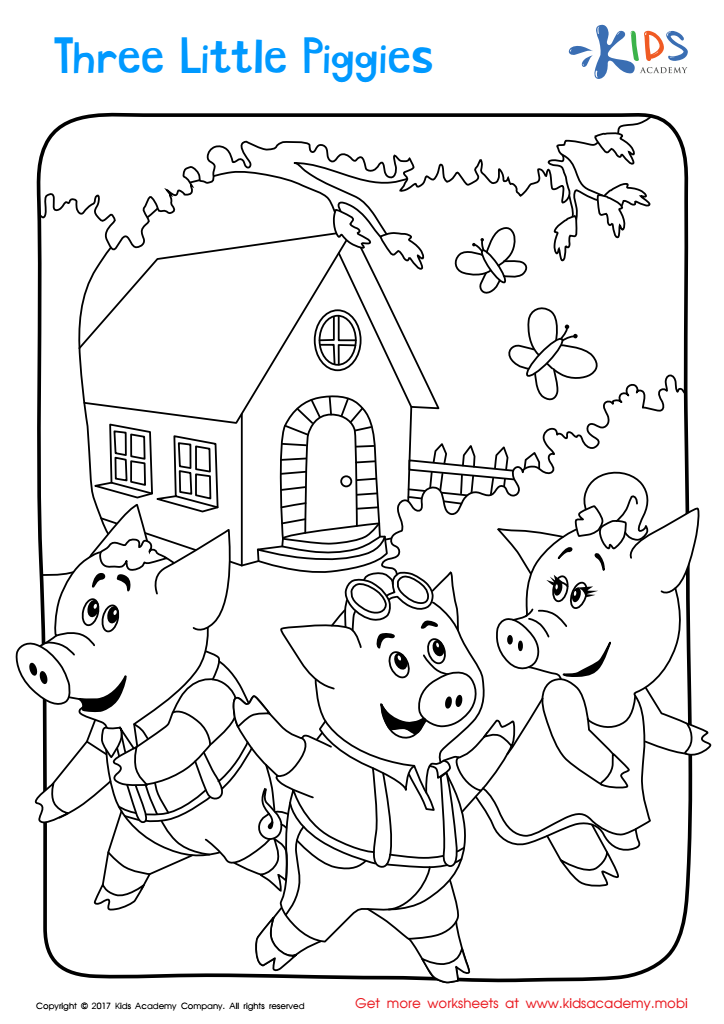
Three Little Piggies Printable Coloring Page
Recall a childhood favorite with your child and color in the Three Little Piggies printable. It's a great way to excite them for reading, as it helps them learn about characters and plot.
Download (PDF)
Assign to My Students
Assign to My Students
Three Little Piggies Printable Coloring Page
Worksheet
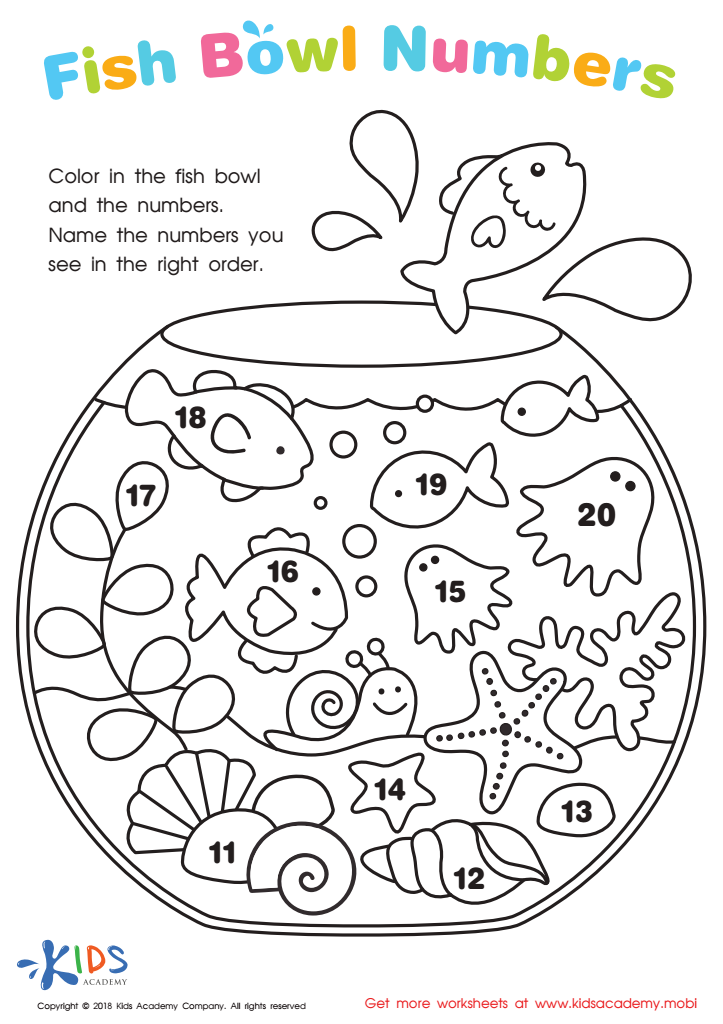
Fish Bowl Numbers Worksheet
Let your kids count and color with this fun exercise! Ask them to read out the numbers in the fish bowl in order, then help them pick out colors for the fish bowl and numbers. An easy-peasy activity for kids who can count - they'll have lots of fun!
Download (PDF)
Assign to My Students
Assign to My Students
Fish Bowl Numbers Worksheet
Worksheet
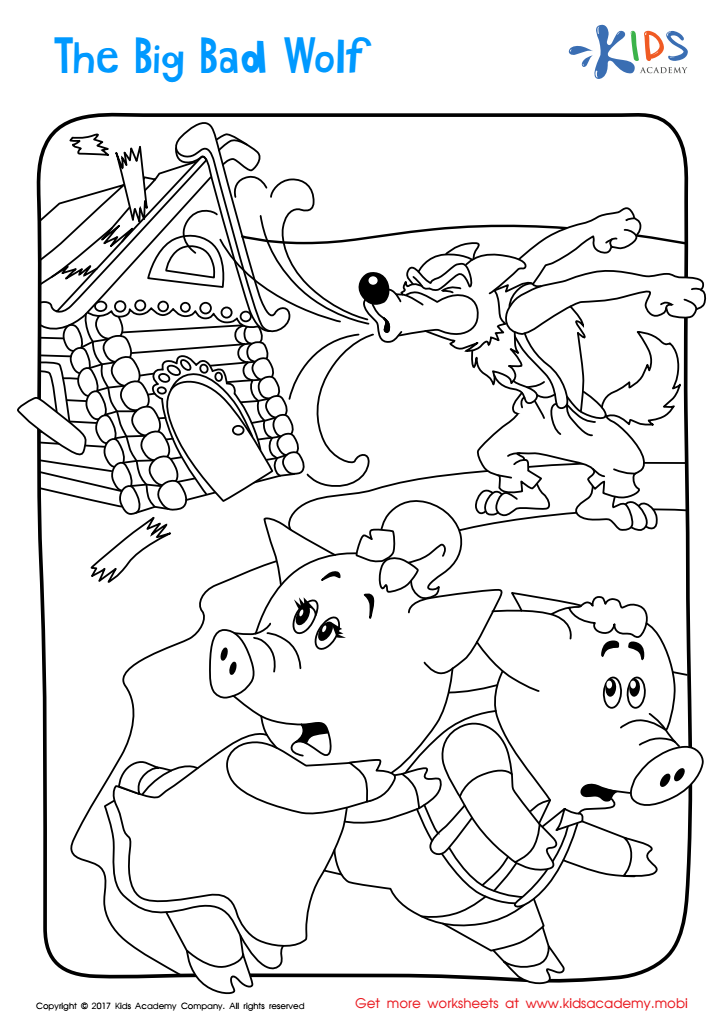
Big Bad Wolf Printable Coloring Page
Let your child have fun coloring the Big Bad Wolf blowing down the little pig's house! This printable coloring page introduces the classic tale, helping to develop reading comprehension skills.
Download (PDF)
Assign to My Students
Assign to My Students
Big Bad Wolf Printable Coloring Page
Worksheet
Join Kids Academy for Free
Who is primarily going to use this learning content?



.jpg)




Color recognition is a foundational skill that extends beyond simply identifying hues; it's instrumental in developing cognitive, social, and emotional skills in children. For 7-year-olds, mastering color recognition can enhance their ability to categorize and categorize their environment, improving their problem-solving skills. Recognizing colors aids in literacy, as many early learning materials use colors to differentiate among concepts, helping children better understand instructions and engage with reading materials.
An Extra Challenge designed around color recognition can deepen interest and involvement in learning. It encourages exploratory play, creativity, and critical thinking as children manipulate colors in various contexts, whether through art projects, games, or nature activities. This not only solidifies their color knowledge but also fosters teamwork and communication when they're working with peers.
Moreover, color recognition is vital for emotional expression; colors often correlate with feelings, enabling children to articulate their emotions better. Parents and teachers, by prioritizing color recognition challenges, are investing in their child's holistic development, preparing them for more complex concepts involving color applications in mathematics, science, and art. Thus, incorporating such challenges is essential for nurturing well-rounded, confident learners ready to take on future academic tasks.








