Alphabet Recognition Extra Challenge ABC Letters Worksheets for 8-Year-Olds
3 filtered results
-
From - To
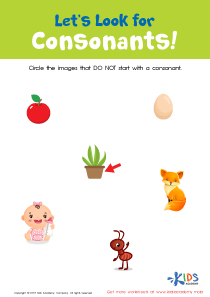
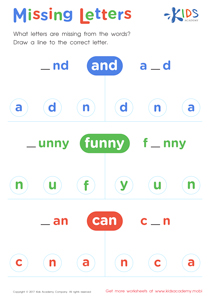
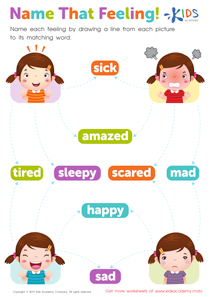
Unlock the fun of learning with our "Alphabet Recognition Extra Challenge ABC Letters Worksheets" designed specifically for 8-year-olds! These engaging, printable worksheets provide exciting activities to enhance letter recognition skills while making learning enjoyable. Each worksheet features a variety of challenges, from matching letters to creating words, ensuring kids not only recognize but also understand the significance of each letter in the alphabet. Perfect for early grade teachers and parents, these resources are ideal for reinforcing classroom learning at home. Give your child the confidence to excel in literacy with our carefully crafted challenges, promoting both creativity and critical thinking in every activity!
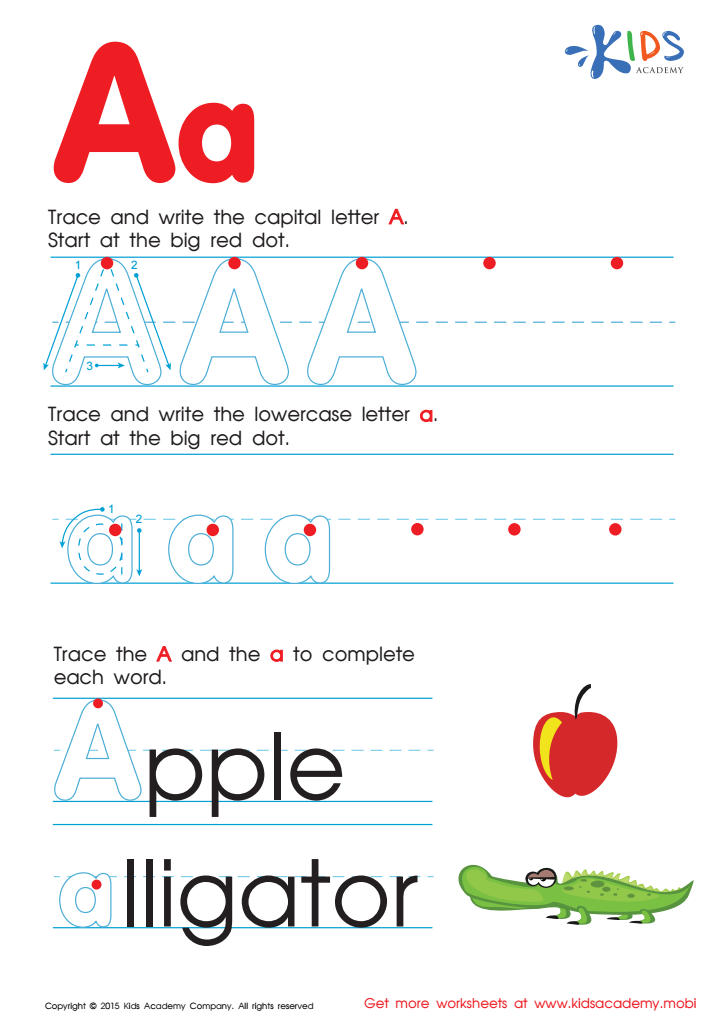
Letter A Tracing Page
 Assign to My Students


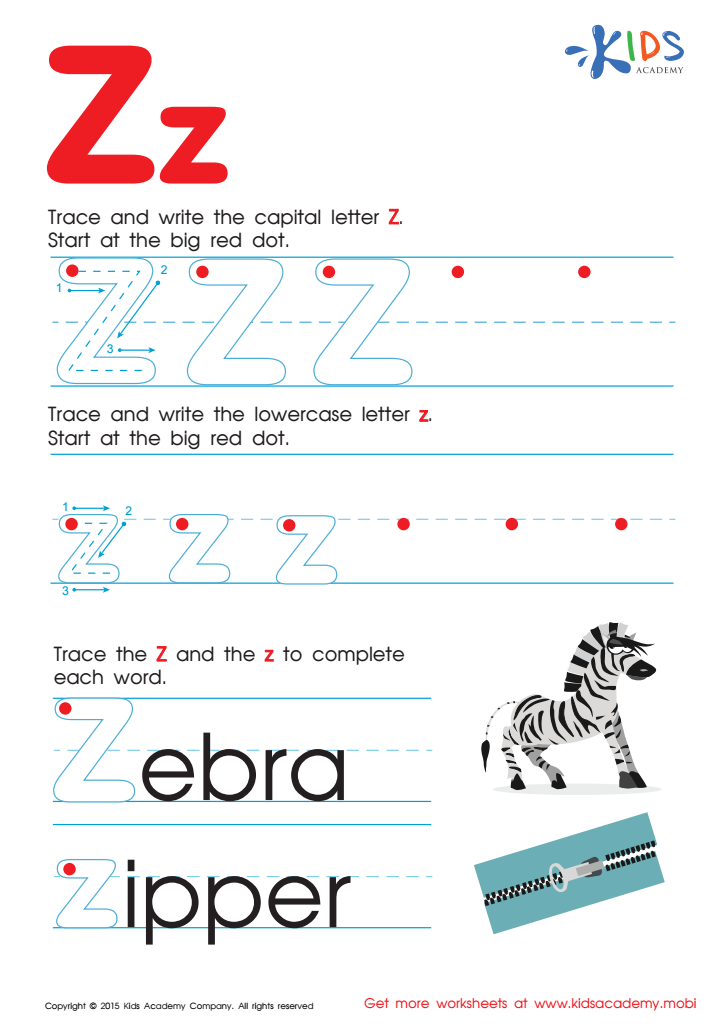
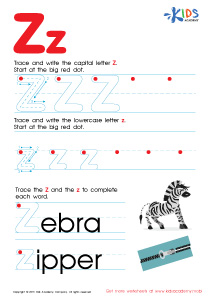
Letter Z Tracing Page
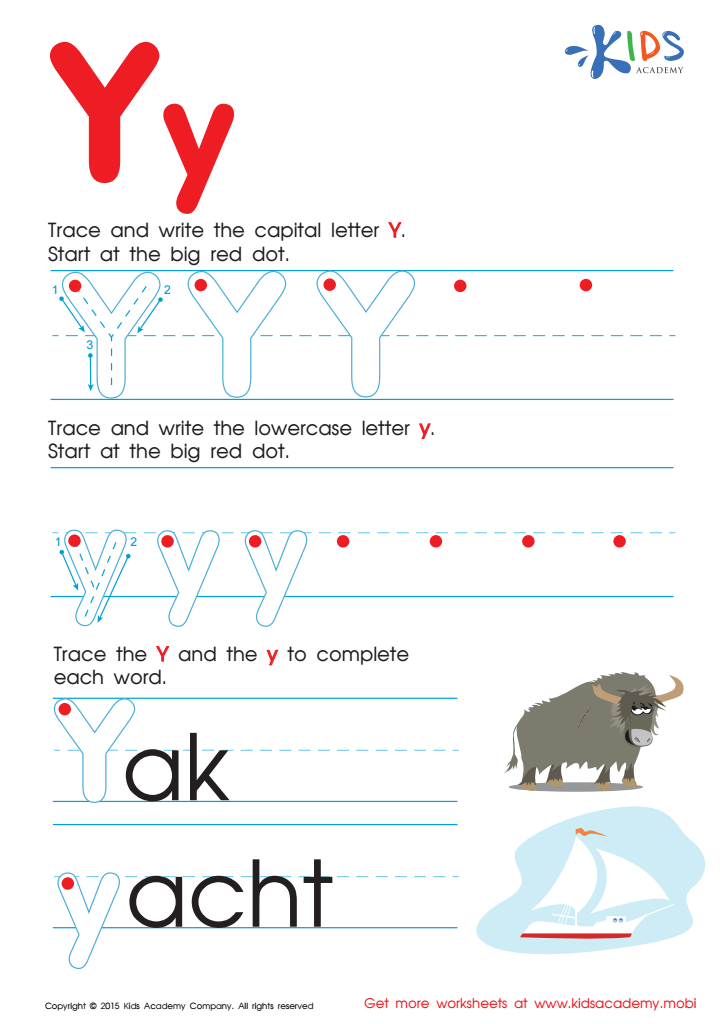
Letter Y Tracing Page







Parents and teachers should care about engaging children in the Alphabet Recognition Extra Challenge for 8-year-olds because mastering the alphabet is foundational for literacy development. At this age, children typically progress beyond basic recognition and start connecting letters to sounds, which is crucial for reading proficiency. By incorporating letter recognition activities, they reinforce phonics skills and vocabulary acquisition.
Additionally, challenges that encourage alphabet recognition can make learning interactive and fun, fostering a positive attitude toward reading. When children receive targeted practice, they gain confidence in their abilities, translating into improved academic performance across subjects. Children who struggle with Alphabet Recognition may face challenges later, hindering their ability to comprehend texts, write fluently, and develop critical thinking skills.
Furthermore, engaging parents in this process strengthens the home-school connection, allowing for a supportive environment conducive to learning. It nurtures a culture of literacy and showcases the importance of active involvement in a child's education. By prioritizing alphabet recognition, caregivers are not just teaching letters, but also instilling a lifelong love for reading and learning. Empowering kids to master the basics lays the groundwork for advanced literacy skills that are vital for their future academic success.