Fine Motor Skills Extra Challenge Letter Recognition Worksheets for 8-Year-Olds
7 filtered results
-
From - To
Enhance your child's learning experience with our "Fine Motor Skills Extra Challenge Letter Recognition Worksheets" tailored specifically for 8-year-olds. These engaging worksheets combine fun activities with essential motor skill development, allowing young learners to practice letter recognition while refining their hand-eye coordination and dexterity. Each worksheet features a variety of exercises, including tracing, matching, and connecting letters with engaging themes, making learning enjoyable and effective. Perfect for at-home practice or classroom use, these resources ensure kids gain confidence in their literacy skills while sharpening their fine motor abilities. Dive into a world of educational fun with our expertly designed worksheets!
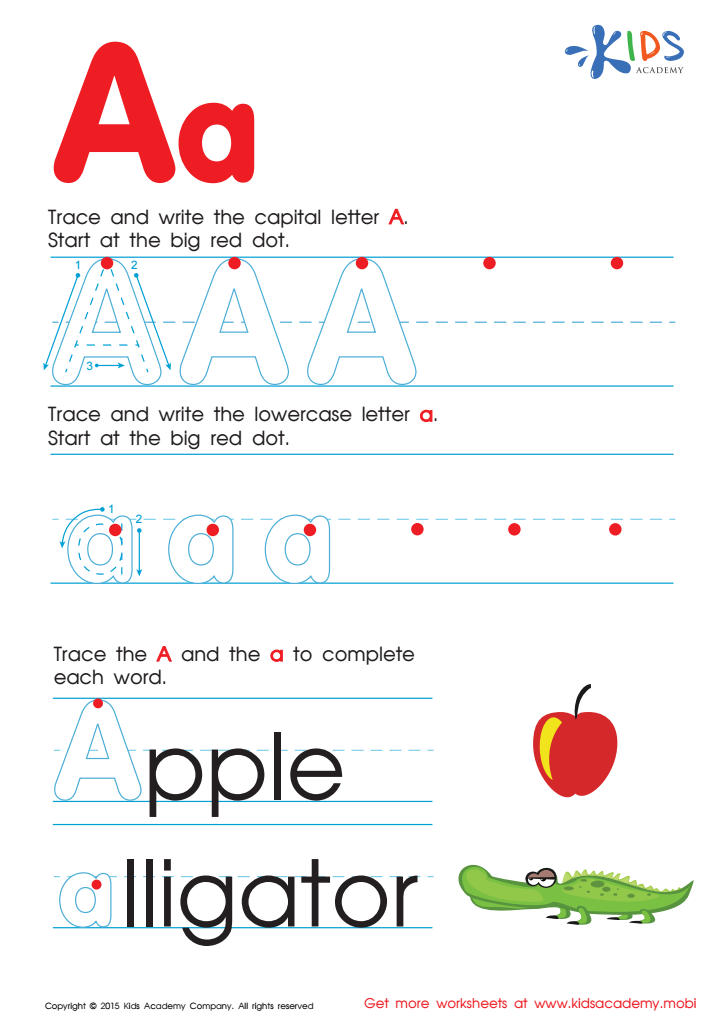
Letter A Tracing Page
 Assign to My Students
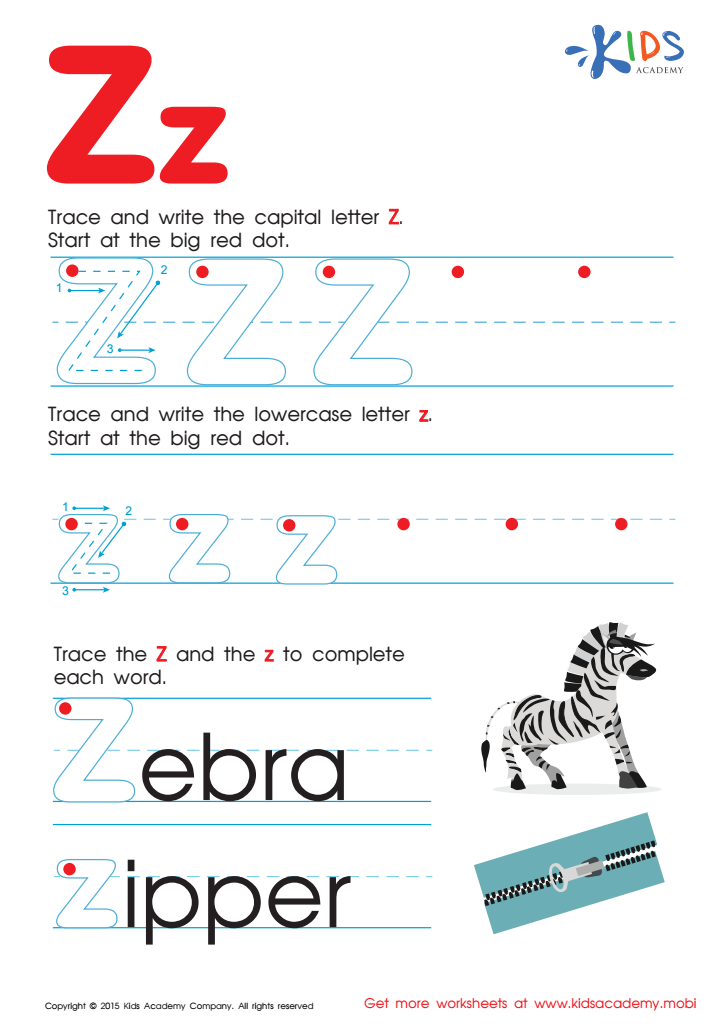
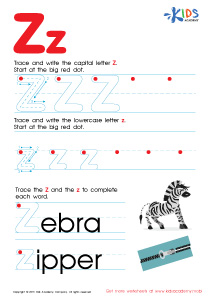
Letter Z Tracing Page
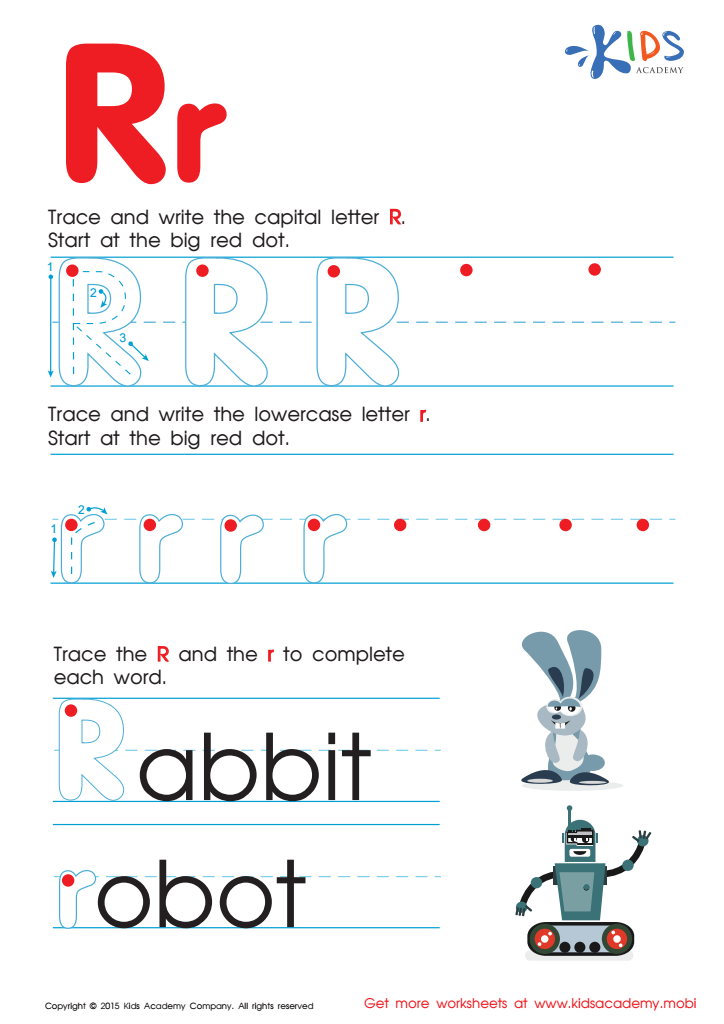
Letter R Tracing Page
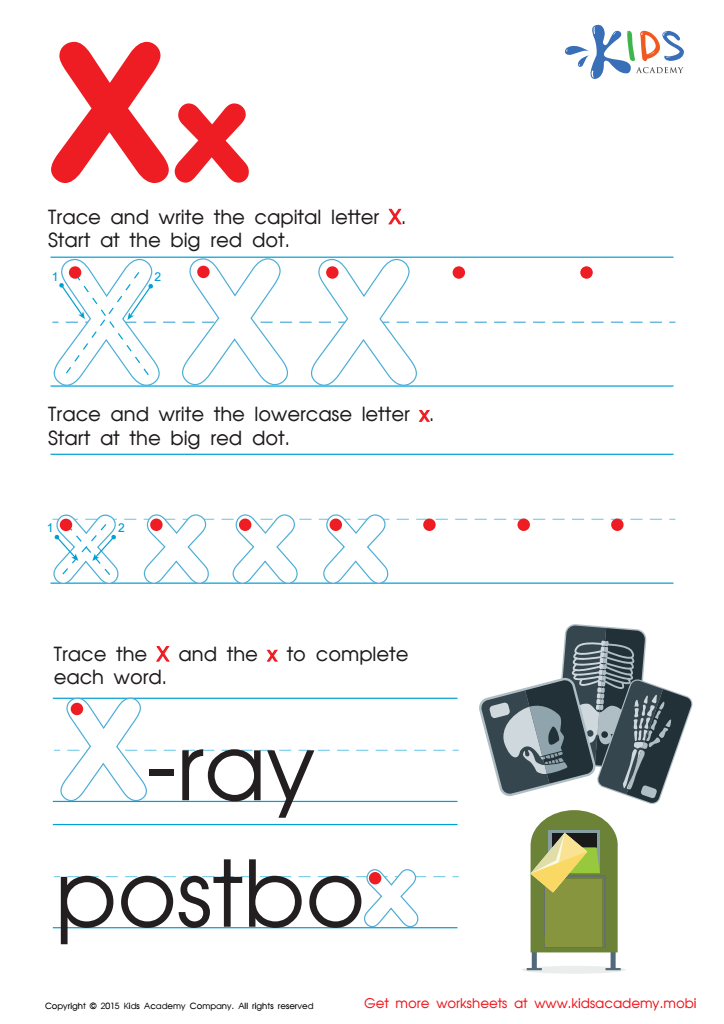
Letter X Tracing Page
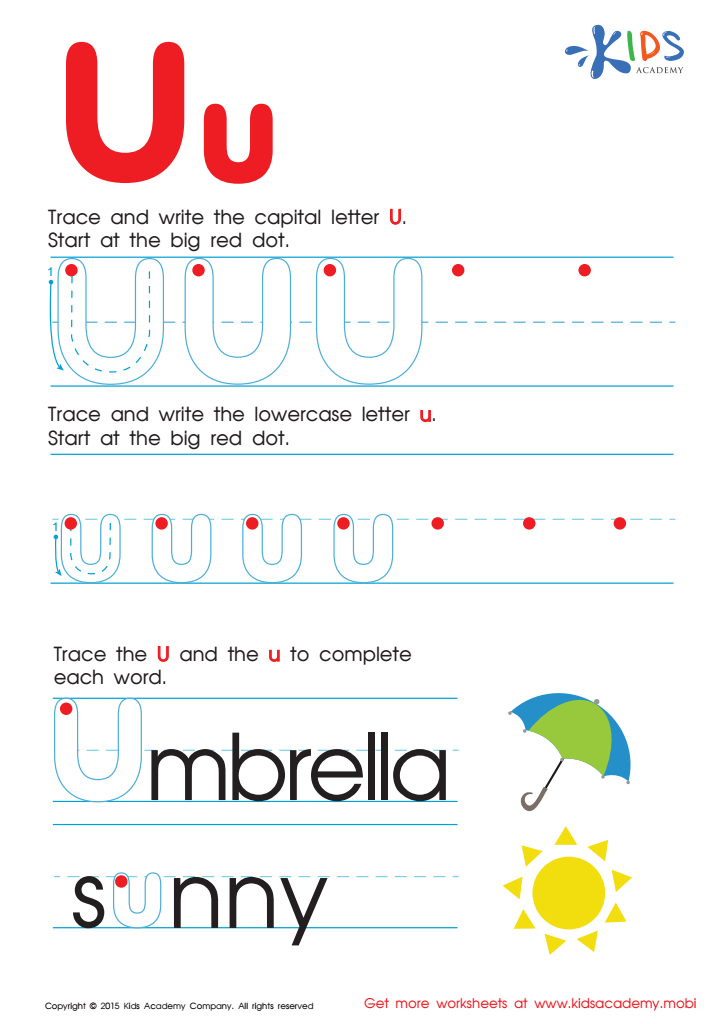
Letter U Tracing Page
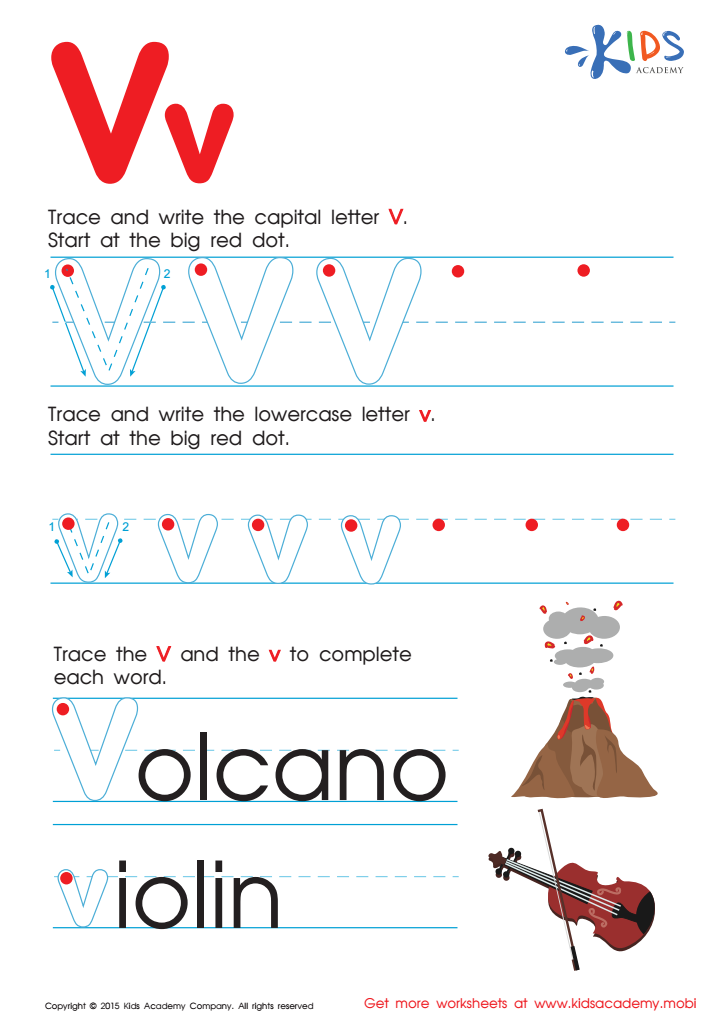
Letter V Tracing Page
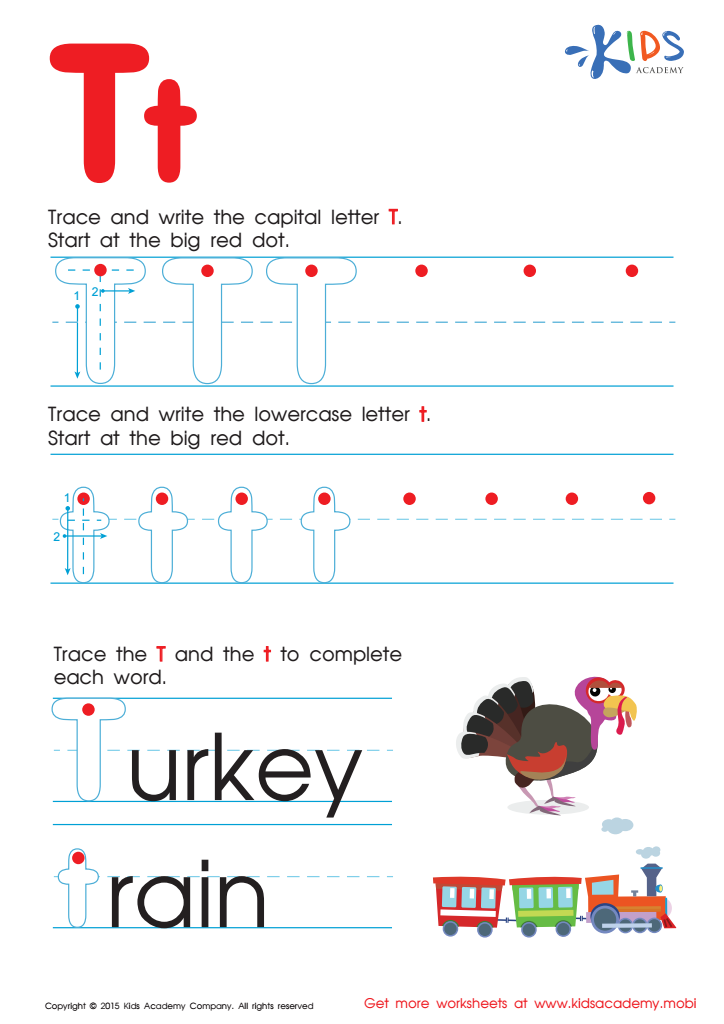
Letter T Tracing Page








Fine motor skills are crucial for children's overall development, playing a significant role in their ability to perform everyday tasks and engage in academic activities. For an 8-year-old, refining these skills can enhance their letter recognition capabilities, which directly influences reading and writing proficiency. Parents and teachers should care about providing an extra challenge in letter recognition activities because these skills serve as the foundation for literacy development.
As children strengthen their fine motor skills through hands-on activities like writing, drawing, or arts and crafts, they also improve their hand-eye coordination and dexterity. This, in turn, aids in their ability to recognize letters and their corresponding sounds, a vital aspect of early reading. Enhanced letter recognition not only supports writing fluency and comprehension but also helps build a sense of accomplishment and confidence in young learners.
Furthermore, providing challenges encourages resilience and critical thinking. It pushes children beyond their comfort levels, fostering a growth mindset, which is essential for lifelong learning. By prioritizing fine motor skills and challenging letter recognition, parents and teachers empower 8-year-olds to achieve academic success and engage deeper with their learning experiences. This holistic approach ultimately lays the groundwork for a confident and competent reader and writer.