Letter recognition Extra Challenge Tracing Letters Worksheets for 8-Year-Olds
7 filtered results
-
From - To
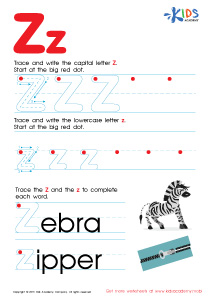
Discover the perfect tool to enhance your child's literacy skills with our Letter Recognition Extra Challenge Tracing Letters Worksheets for 8-Year-Olds! Specifically designed to challenge and engage, these printables go beyond basic practice, promoting advanced letter recognition and fine motor skills development. Each worksheet encourages meticulous tracing activities tailored for this age group, ensuring that learning remains fun and impactful. Ideal for both classroom and home use, these worksheets are your go-to resource to make sure your 8-year-old masters the alphabet and achieves outstanding literacy milestones. Unlock their full potential today with these exceptional tracing exercises!
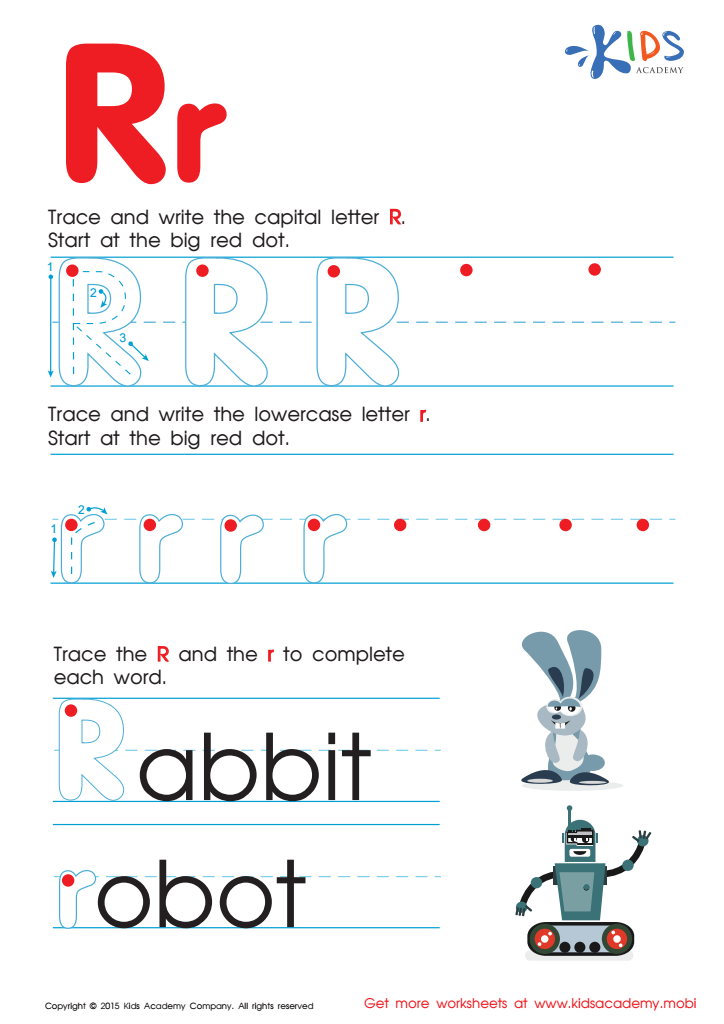
Letter R Tracing Page
 Assign to My Students
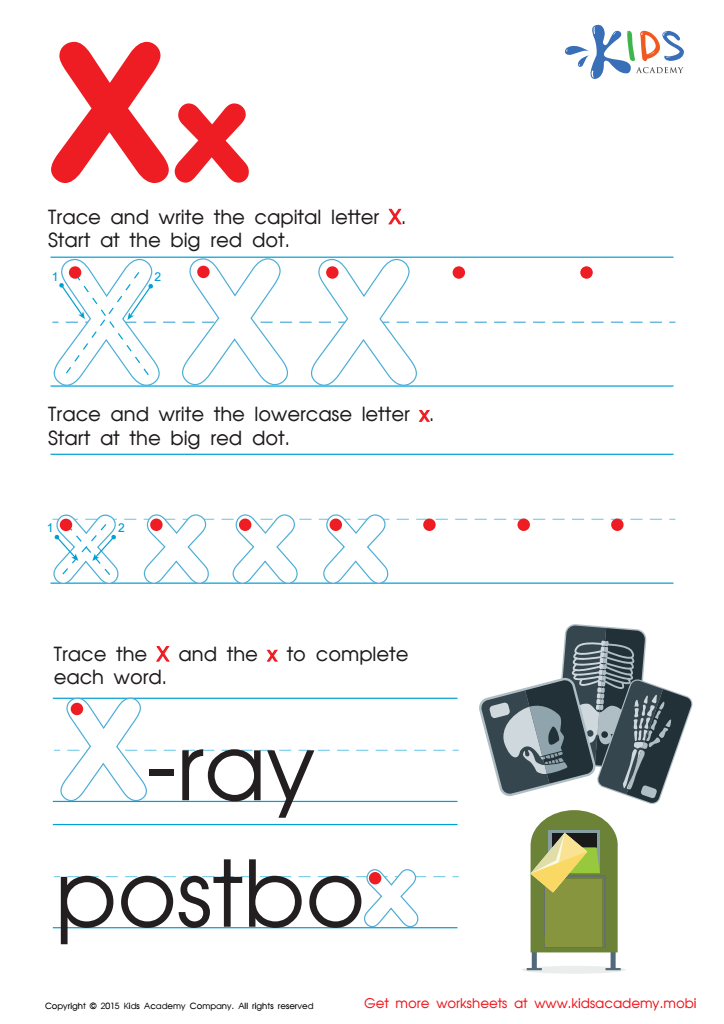
Letter X Tracing Page
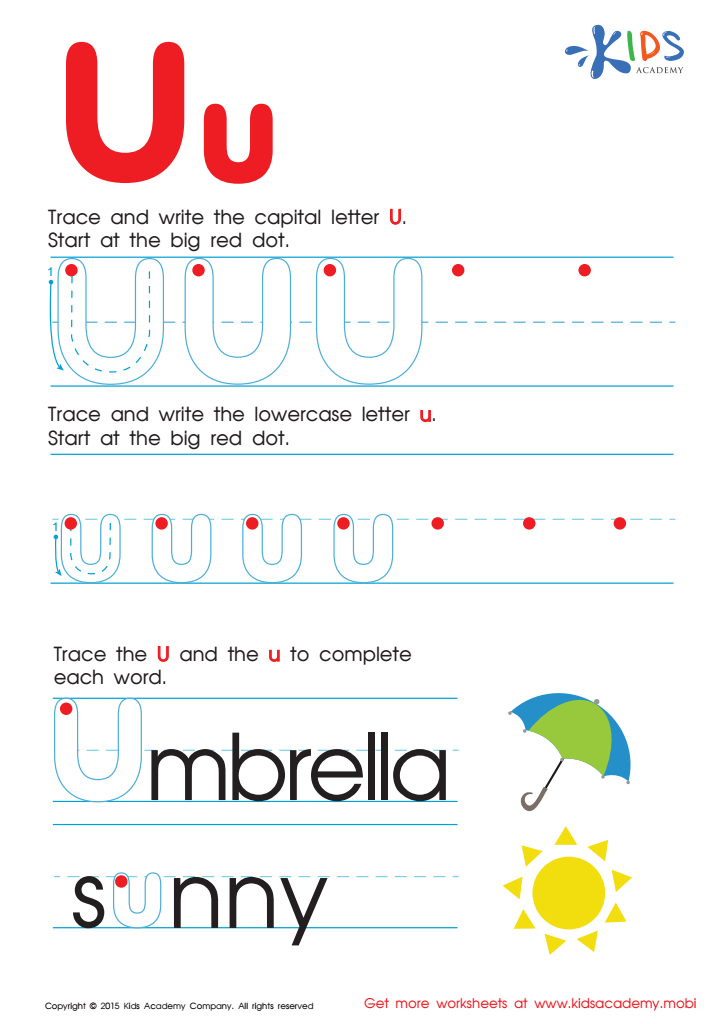
Letter U Tracing Page
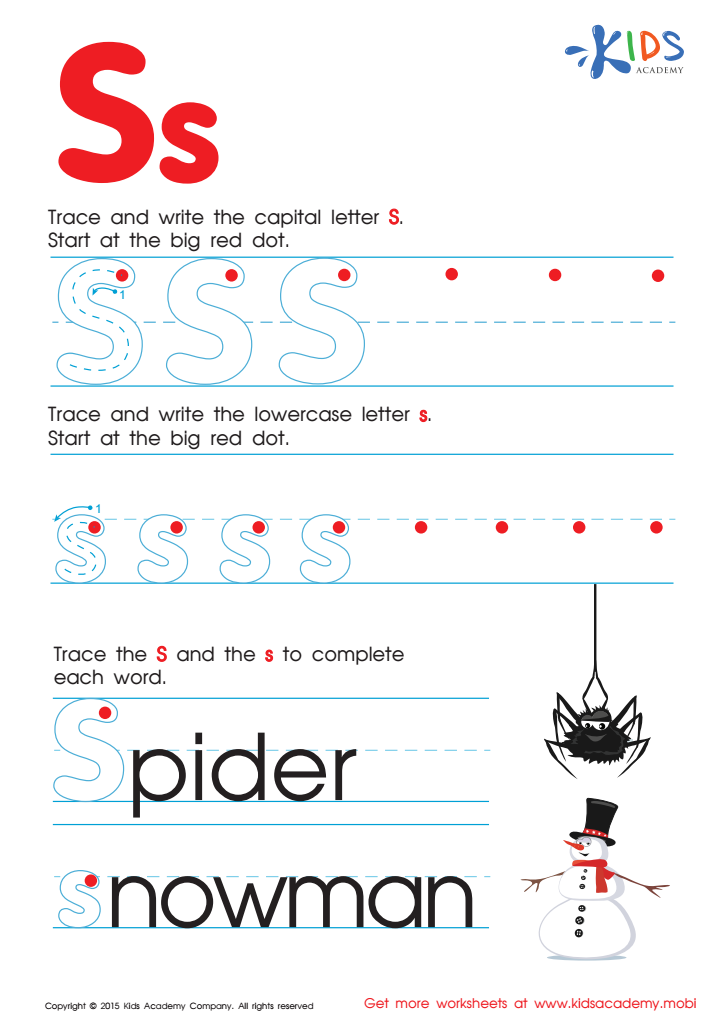
Letter S Tracing Page
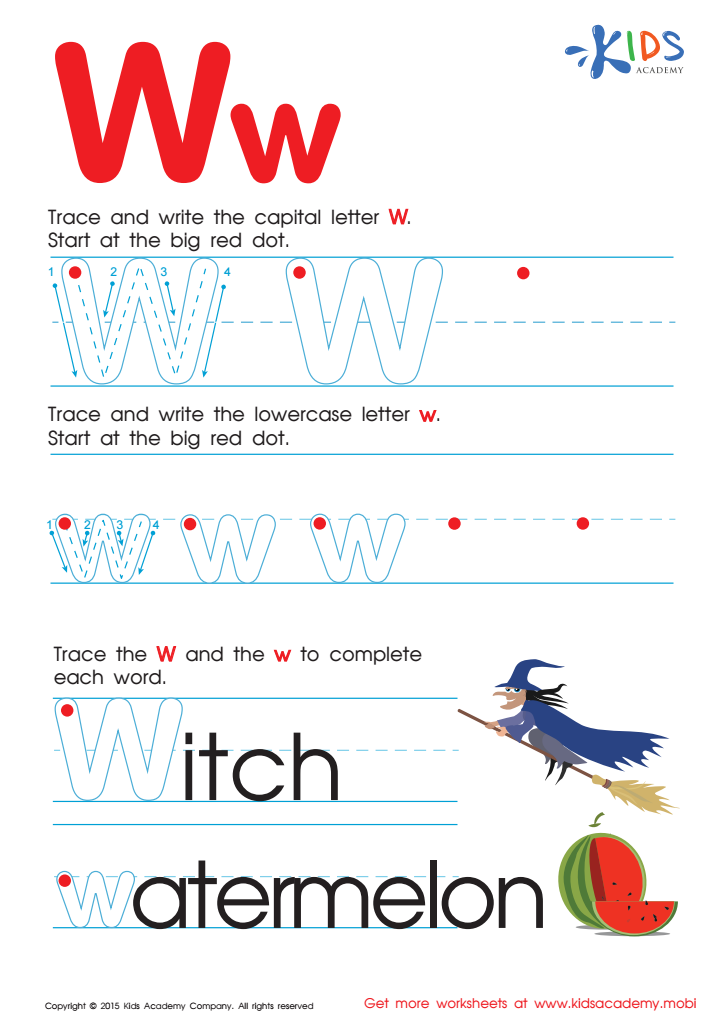
Letter W Tracing Page
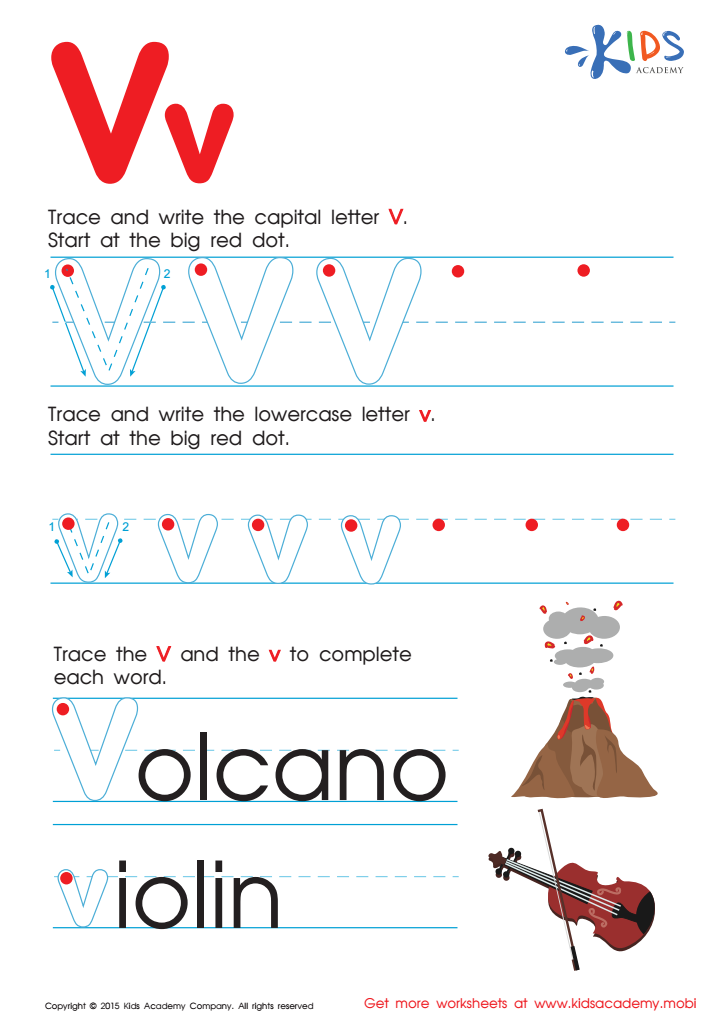
Letter V Tracing Page
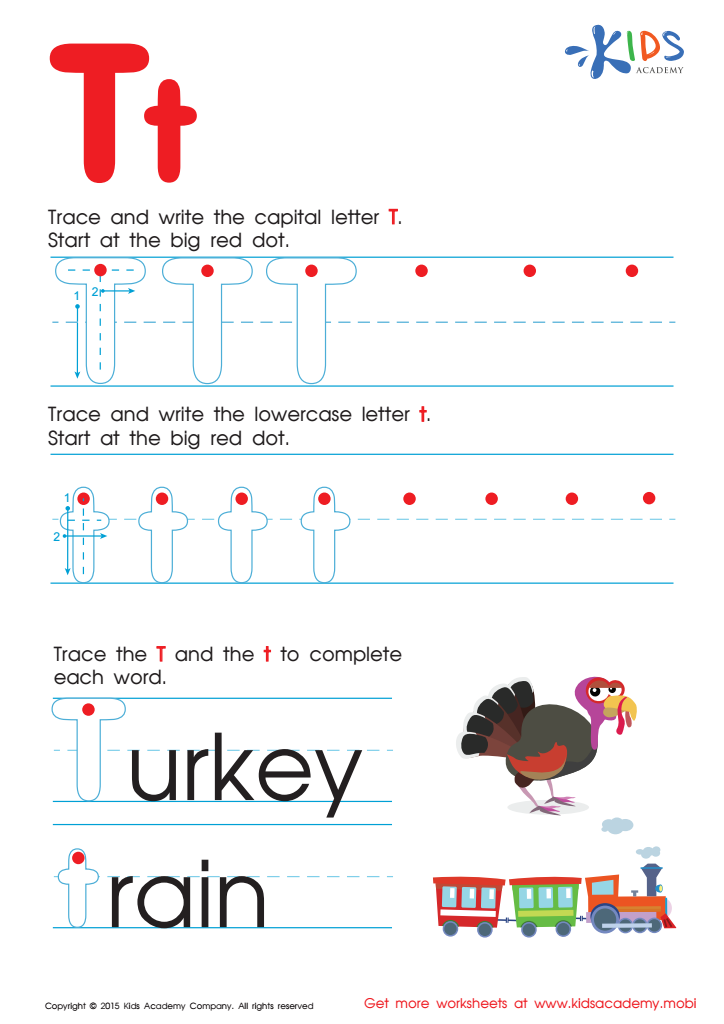
Letter T Tracing Page








Letter recognition and tracing activities are foundational skills that 8-year-olds typically master in earlier years, yet there remain significant benefits to revisiting and challenging these skills at this stage. First, solidifying letter recognition ensures that students can read fluently and confidently. Mastery in this area is critical for reading comprehension, which directly influences all other areas of learning. Extra challenges in letter tracing engage fine motor skills essential for writing. These activities can strengthen hand-eye coordination and ergonomic abilities, ensuring that children develop the muscle memory and dexterity necessary for lengthy writing tasks in advanced grades.
Further, introducing complex tracing activities keeps the process engaging and stimulating, helping to maintain student interest and motivation. For children who still face some difficulties, focused activities provide opportunities to catch up without feeling self-conscious since the tasks can be framed as "challenges" rather than remedial work. Engaging in such exercises can also highlight and rectify potential discrepancies in handwriting and letter formation, thus leading to clearer, more legible writing.
Additionally, repetitive letter recognition and tracing exercises contribute substantially to cognitive development, reinforcing neural pathways involved in language and memory. By prioritizing these activities, parents and teachers lay a sturdy foundation for a child's ongoing educational journey, building both competence and confidence.