Alphabet Recognition Extra Challenge ABC Letters Worksheets for 9-Year-Olds
3 filtered results
-
From - To
Unlock your child's potential with our "Alphabet Recognition Extra Challenge ABC Letters Worksheets," designed specifically for 9-year-olds! These engaging worksheets enhance essential alphabet skills through fun activities that promote recognition and understanding of letters. Your child will tackle unique challenges, refining their ability to identify and differentiate between uppercase and lowercase letters while enjoying creative exercises. Targeted towards improving literacy and fostering a love for reading, these worksheets are perfect for classroom use or home practice. Watch your child excel as they master the alphabet, setting a solid foundation for future learning. Download now for endless fun and educational growth!
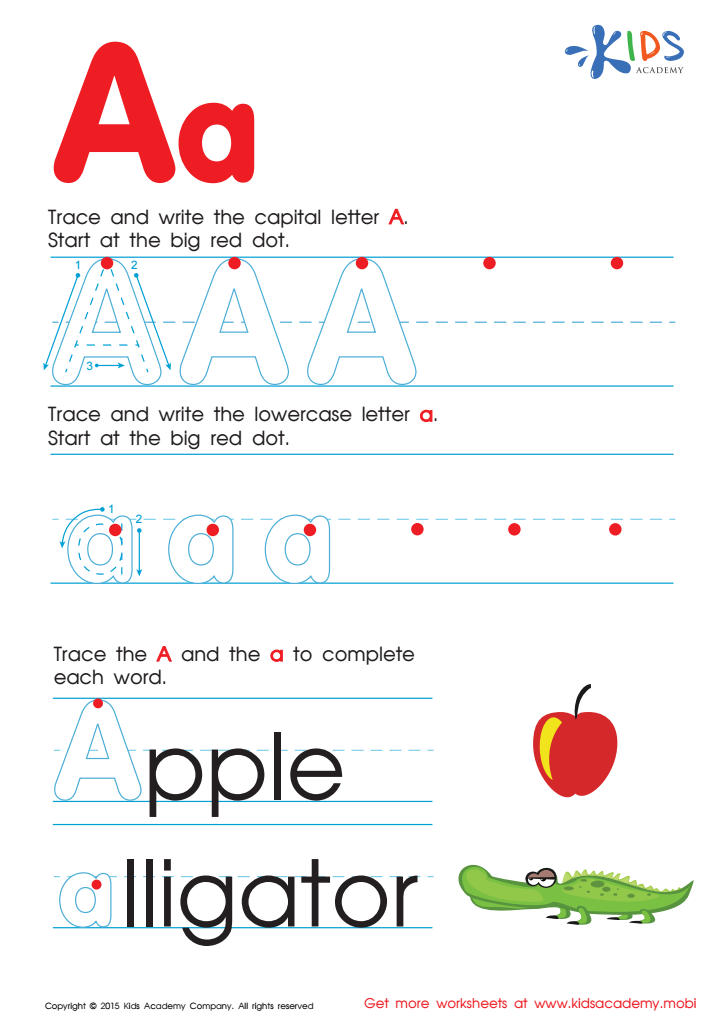
Letter A Tracing Page
 Assign to My Students





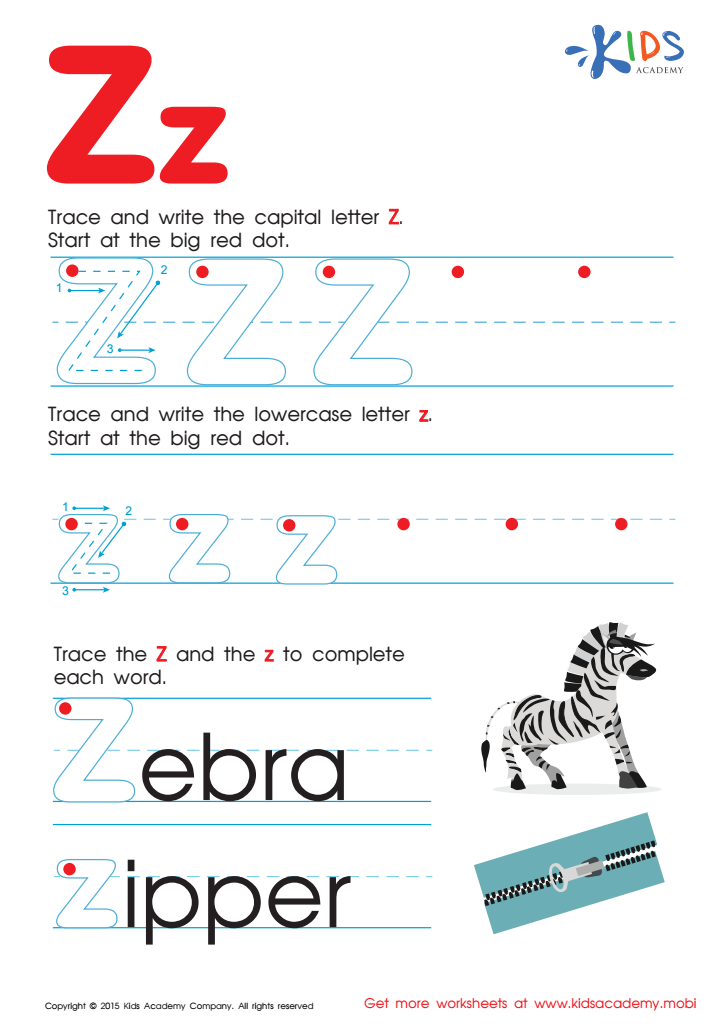
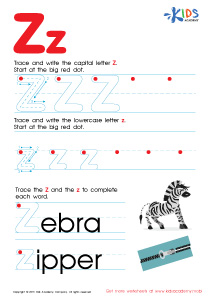
Letter Z Tracing Page
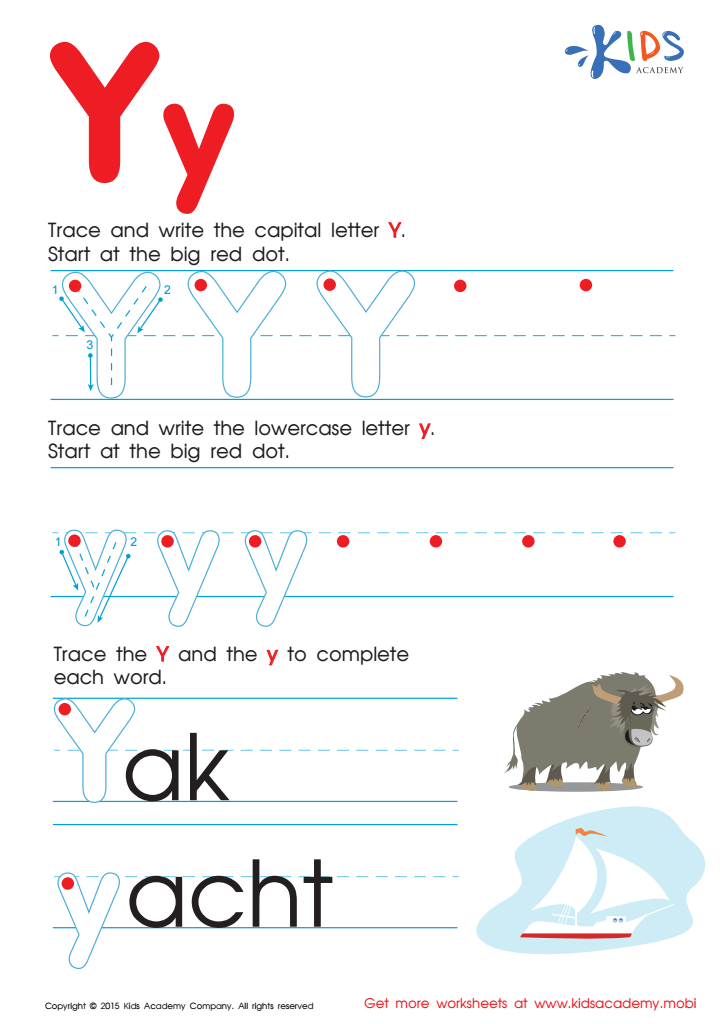
Letter Y Tracing Page






Parents and teachers should prioritize the Alphabet Recognition Extra Challenge ABC Letters for 9-year-olds as it plays a crucial role in reinforcing foundational literacy skills. By this age, children are ideally transitioning from basic letter recognition to more complex reading strategies, and enhancing their understanding of the alphabet can significantly impact reading fluency and comprehension.
Engaging in such challenges not only helps solidify letter recognition but also encourages fun, interactive learning, making the process enjoyable for children. Mastering the alphabet supports phonemic awareness, enabling kids to decode words and improve their spelling abilities. As children in this age group often encounter diverse texts in school, having a firm grasp of letters equips them to tackle more advanced literature and understand vocabulary effectively.
Additionally, these challenges promote critical thinking and problem-solving skills, fostering a love for learning and curating a proactive approach toward education. By participating in activities that reinforce alphabet recognition, parents and teachers contribute to building a strong literacy foundation for lifelong learning and academic success, ensuring children are well-equipped for future challenges in reading and beyond. Ultimately, prioritizing literacy at this stage lays the groundwork for a bright educational journey.