Fine Motor Skills Extra Challenge Letter Recognition Worksheets for 9-Year-Olds
7 filtered results
-
From - To
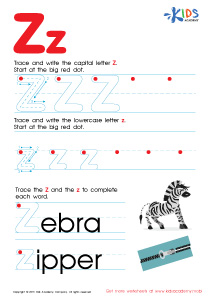
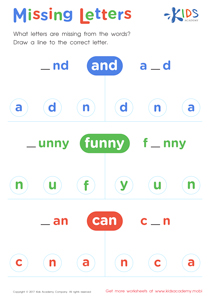
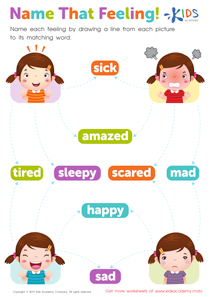
Enhance your 9-year-old's fine motor skills while reinforcing letter recognition with our Extra Challenge Worksheets! Designed specifically for young learners, these engaging resources combine fun activities that promote hand-eye coordination and dexterity alongside active learning of the alphabet. Each worksheet features a variety of tasks, such as tracing letters, connecting dots, and completing creative patterns that captivate children's interest while aiding their education. Ideal for both classroom and home environments, these worksheets will build confidence and proficiency in letter recognition. Start your child's journey towards mastery today with our interactive Fine Motor Skills Extra Challenge Letter Recognition Worksheets!

Letter A Tracing Page
 Assign to My Students
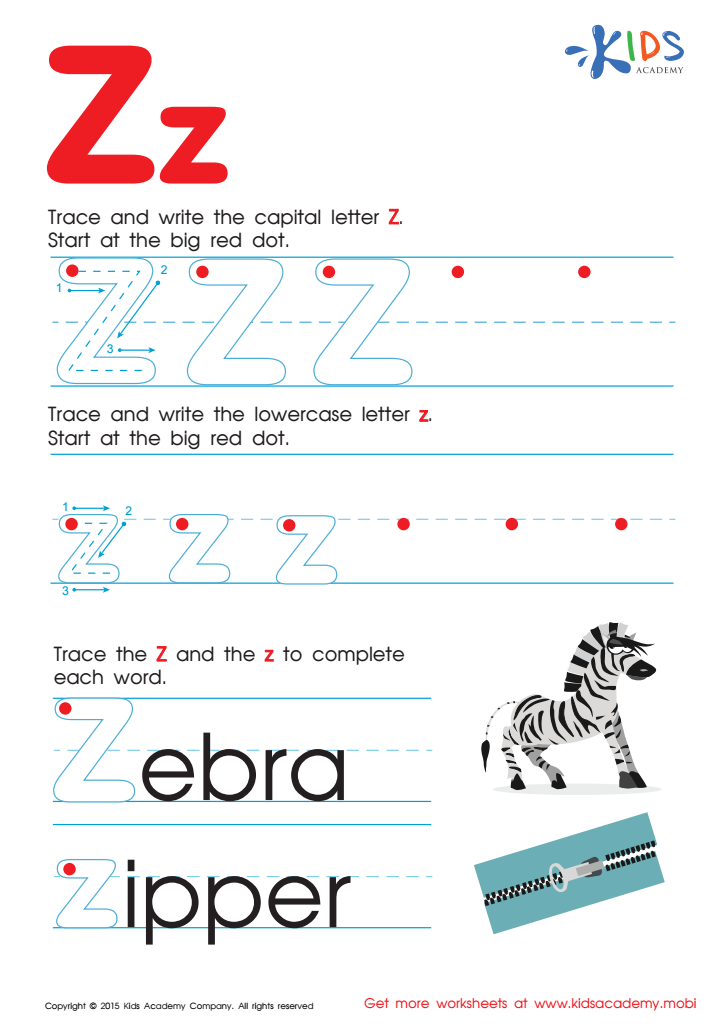
Letter Z Tracing Page
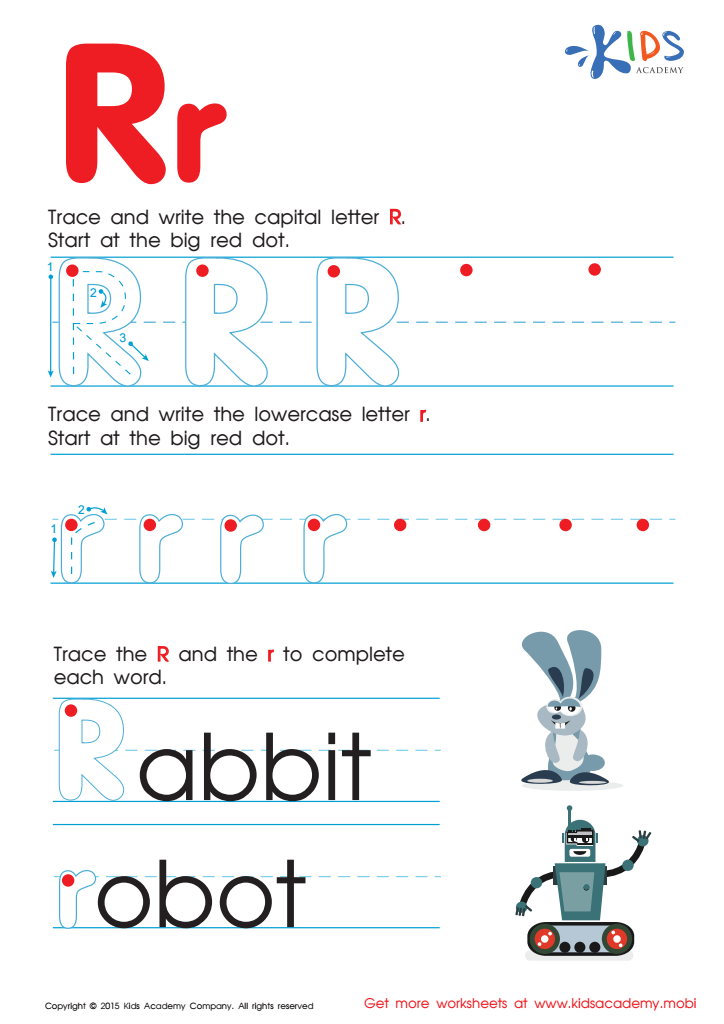
Letter R Tracing Page
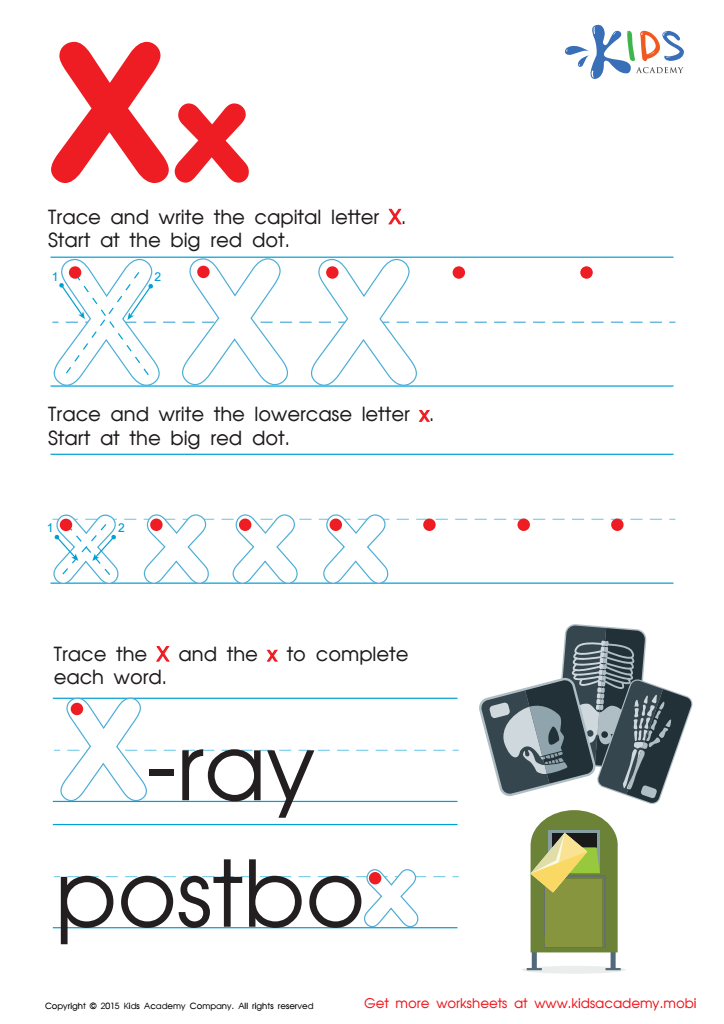
Letter X Tracing Page
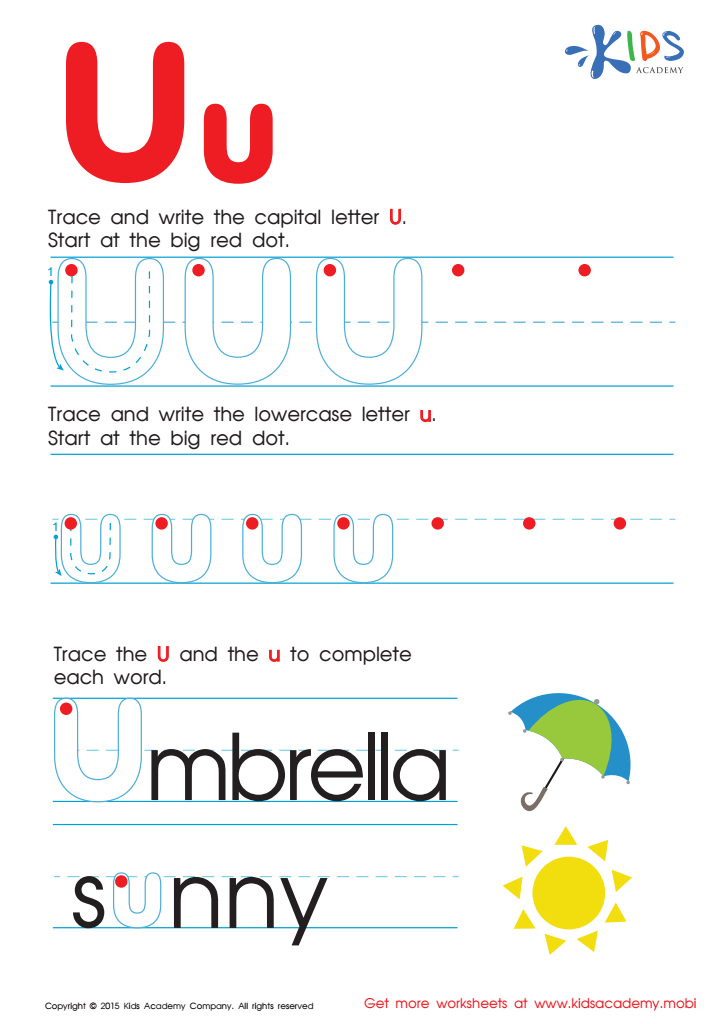
Letter U Tracing Page
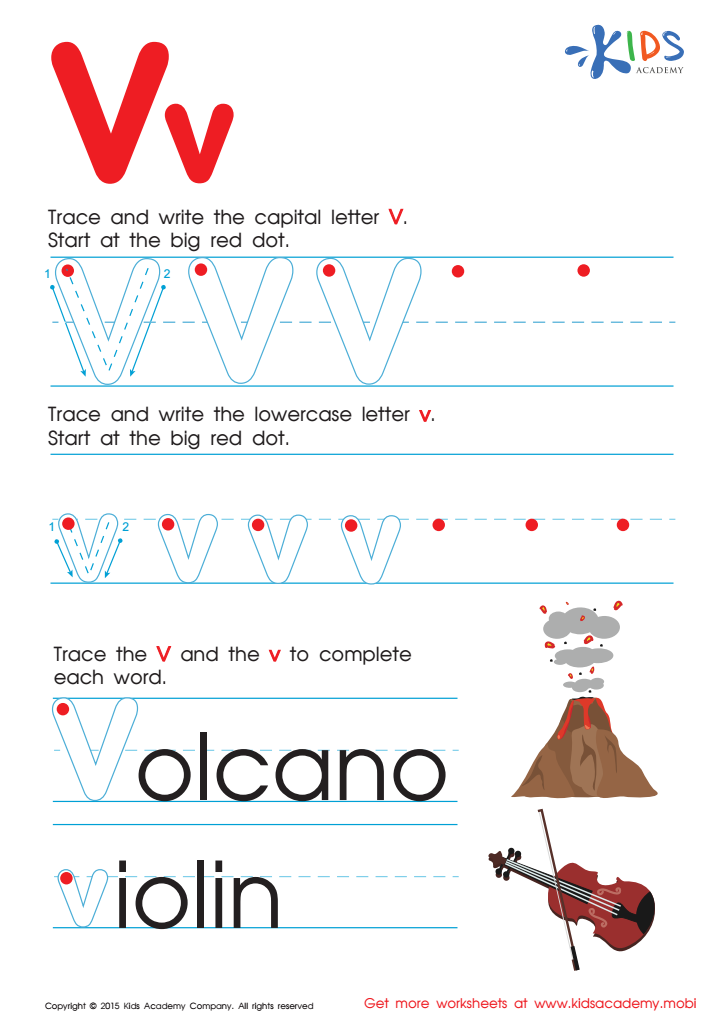
Letter V Tracing Page
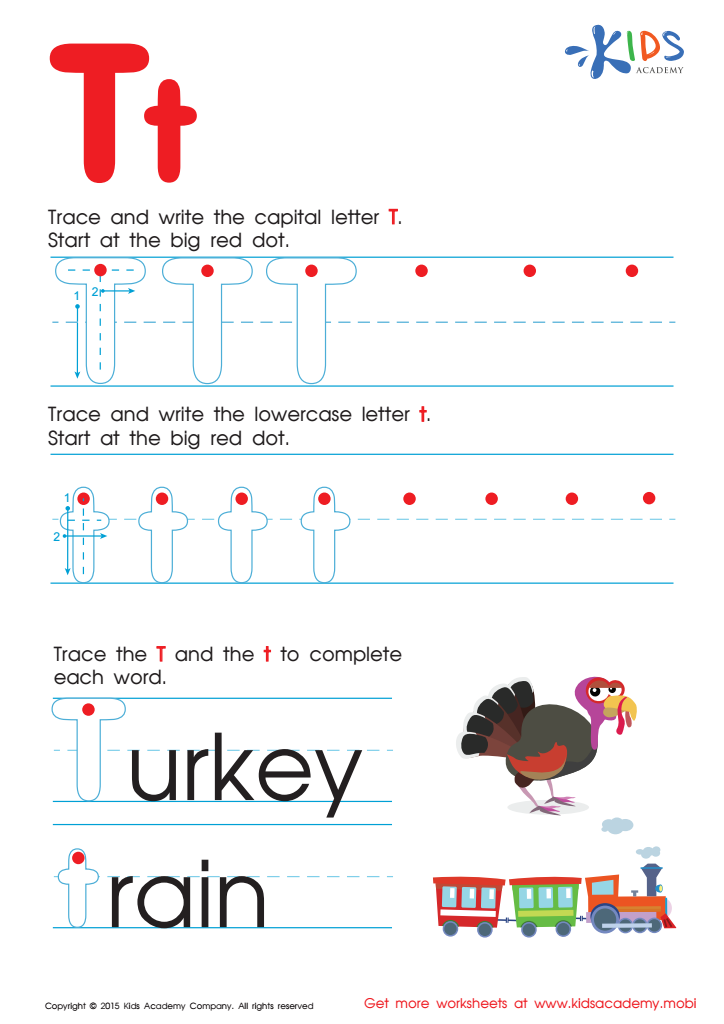
Letter T Tracing Page








Parents and teachers should prioritize Fine Motor Skills Extra Challenge Letter Recognition for 9-year-olds as it plays a critical role in their overall development. Fine motor skills involve the precise movements of small muscles, crucial for tasks such as writing, drawing, and typing. At this age, children's ability to recognize letters is the foundation for developing reading and writing skills, which are essential for academic success.
Engaging in activities that enhance fine motor skills and letter recognition helps improve students’ ability to form letters correctly, enhances their keyboarding prowess, and fosters cognitive connections with the written word. These interactions aid in boosting their confidence and motivation in learning, ultimately encouraging a love of literacy.
Furthermore, children with well-developed fine motor skills are better equipped to problem-solve, focus, and follow instructions, which benefits them in various learning environments. With the increasing presence of technology in education, cultivating these skills also supports their digital literacy.
By recognizing the significance of fine motor skills and letter recognition, parents and teachers can create targeted activities and challenges that not only facilitate current learning objectives but also prepare children for future academic challenges and lifelong learning.