Fine Motor Skills Extra Challenge Tracing Letters Worksheets for 9-Year-Olds
7 filtered results
-
From - To
Discover our Fine Motor Skills Extra Challenge Tracing Letters Worksheets, specially designed for 9-year-olds to enhance precision in writing. These engaging worksheets push the boundaries of fine motor development, promoting better hand-eye coordination and control. Each sheet features intricate patterns and complex tracing tasks, motivating children to focus and excel. Perfect for both classroom and home use, these worksheets foster endurance and patience, while making learning fun. Ideal for students who are ready for a higher level of challenge, our Fine Motor Skills Worksheets provide an excellent way to keep skill development on track. Try them today!

Letter A Tracing Page
 Assign to My Students
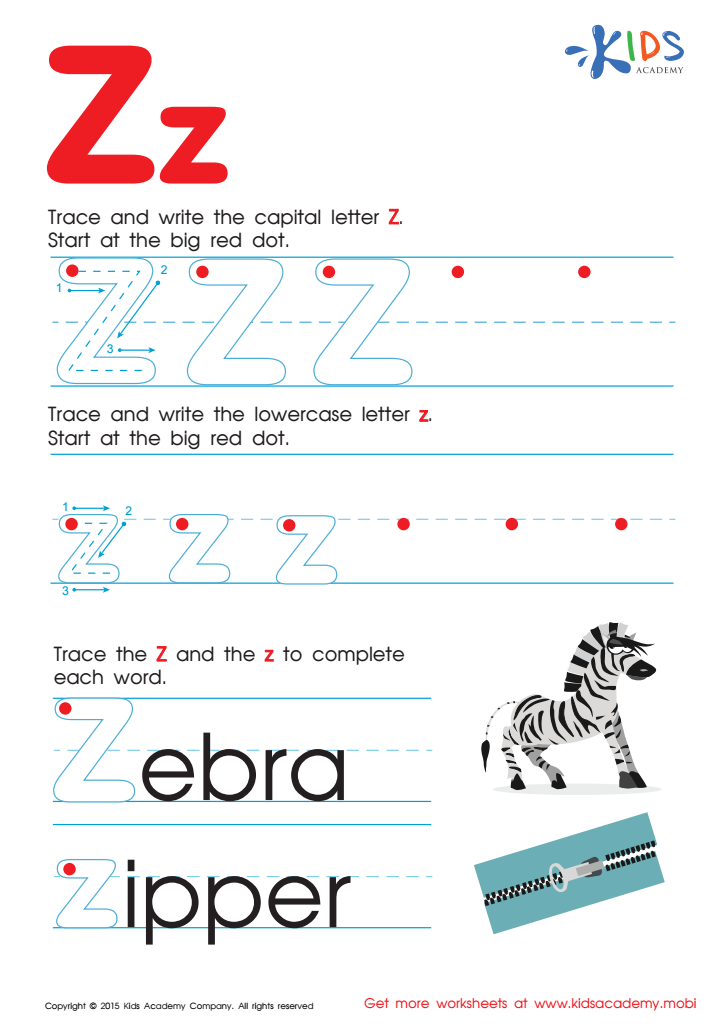
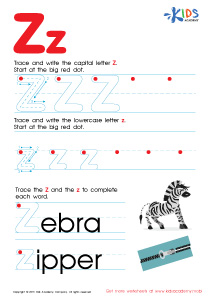
Letter Z Tracing Page
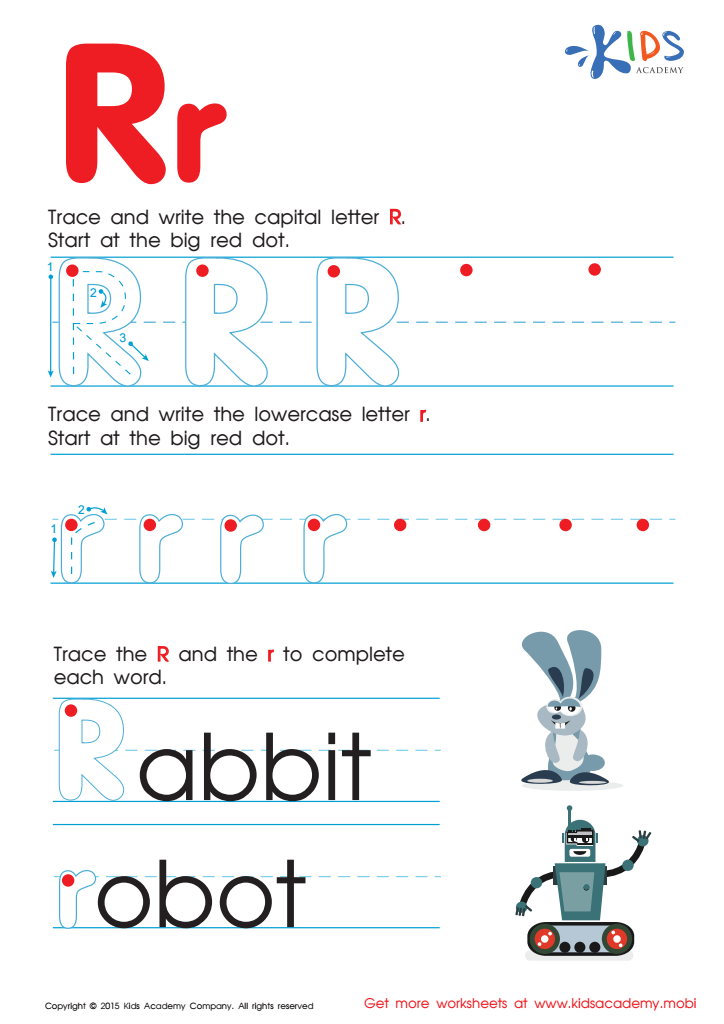
Letter R Tracing Page
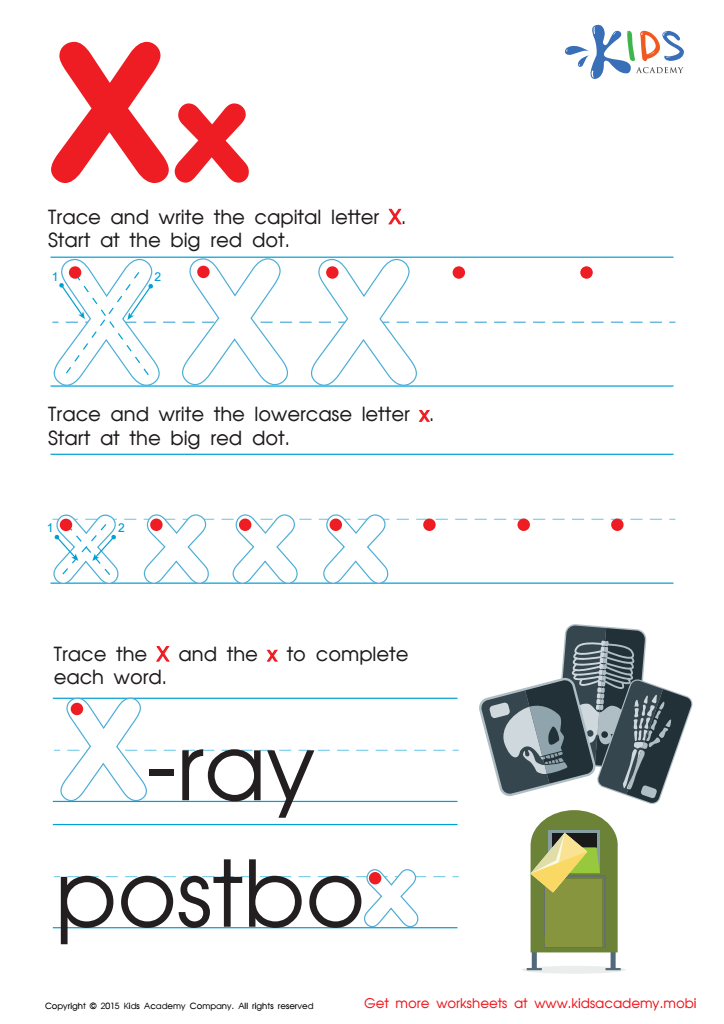
Letter X Tracing Page
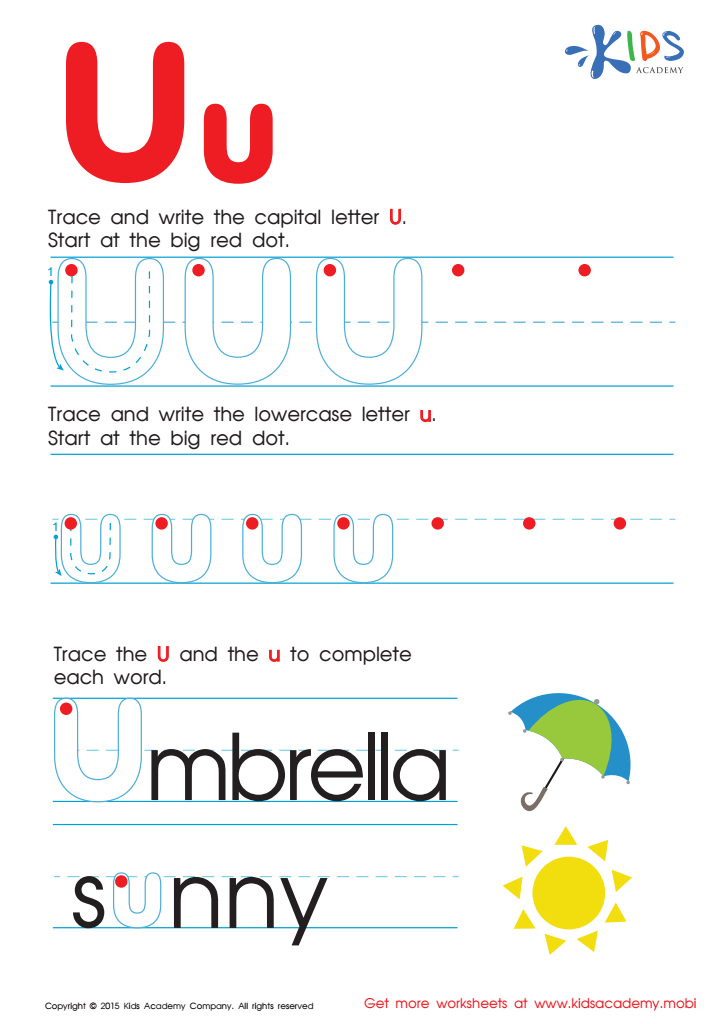
Letter U Tracing Page
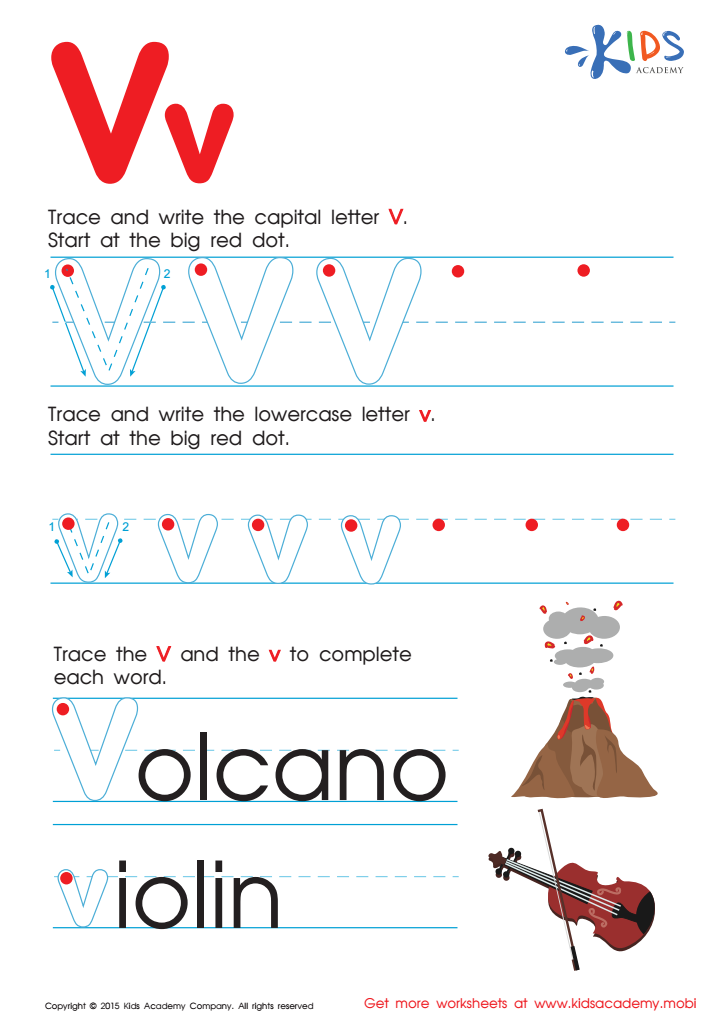
Letter V Tracing Page
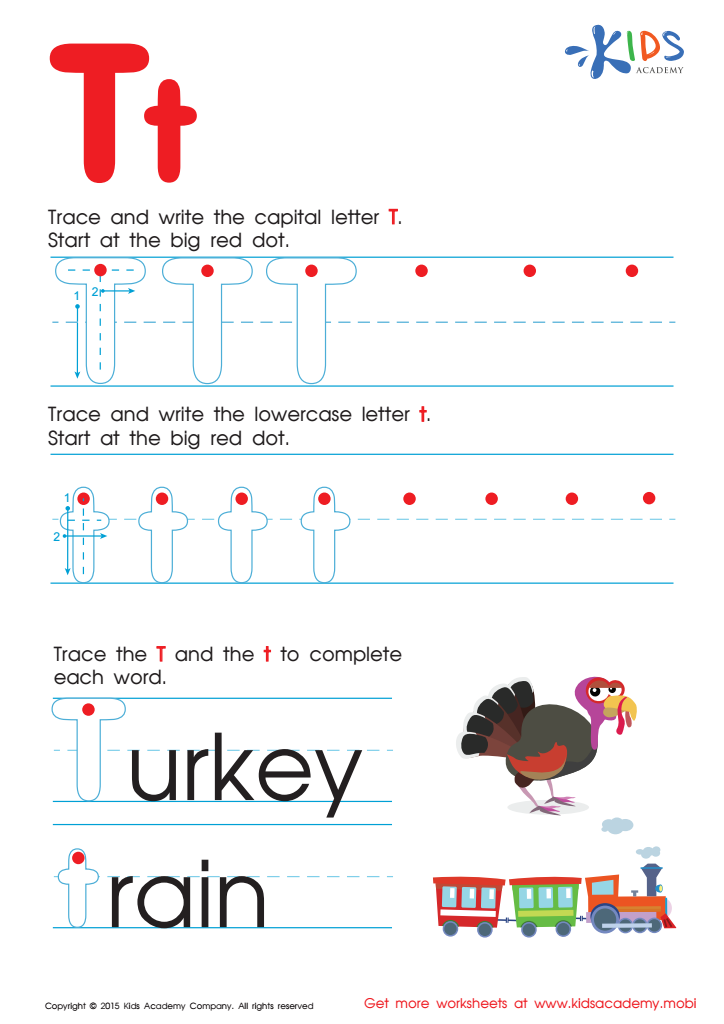
Letter T Tracing Page







Fine motor skills are fundamental for a child's academic success and overall development. For 9-year-olds, many of whom are transitioning into more complex tasks requiring precision and coordination, prioritizing fine motor skill challenges such as tracing letters can be highly beneficial. At this pivotal age, students are not only writing more but also engaging in activities like cutting, typing, and manipulating small objects, all of which require refined motor control.
Encouraging letter tracing helps strengthen hand-eye coordination, dexterity, and muscle memory, leading to more legible handwriting—a skill crucial for effective communication. As academic demands increase, children need quicker, more confident writing abilities to keep pace. Poor fine motor skills at this age can hinder learning and diminish self-confidence.
Furthermore, fine motor exercises aid in cognitive development by promoting focus, attention to detail, and problem-solving capabilities. These activities stimulate brain regions responsible for planning and executing tasks, laying a foundation for skills useful beyond the classroom.
Lastly, such practice also nurtures patience and perseverance. Completing a tracing exercise requires diligent effort, fostering a growth mindset. In sum, investing time in fine motor skill activities like tracing letters equips children with essential skills that boost their academic performance, cognitive development, and self-esteem.