Vowel Recognition Extra Challenge Missing Vowels Worksheets
4 filtered results
-
From - To
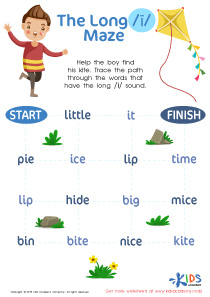
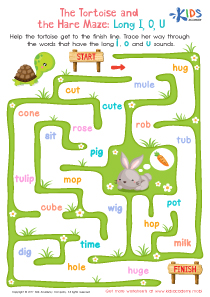
Enhance your child's vowel recognition skills with our "Vowel Recognition Extra Challenge Missing Vowels Worksheets." Perfect for early learners, these engaging worksheets are designed to help children identify and insert missing vowels in various words. Each worksheet features vibrant illustrations, making learning enjoyable and interactive. As kids keenly figure out the missing vowels, they reinforce their understanding of letter sounds and improve their reading abilities. Tailored to support first-grade English learning standards, these worksheets provide an extra challenge, fostering critical thinking and literacy skills. Transform vowel practice into an exciting adventure with our expertly curated resources!
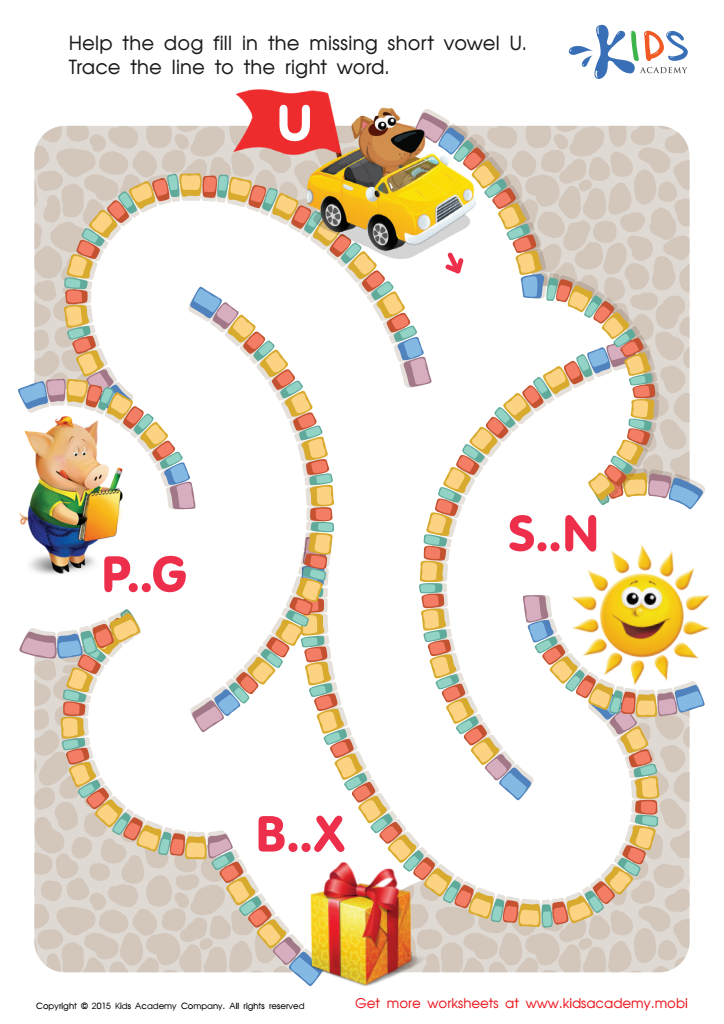
Short Vowel Sound U Worksheet
 Assign to My Students
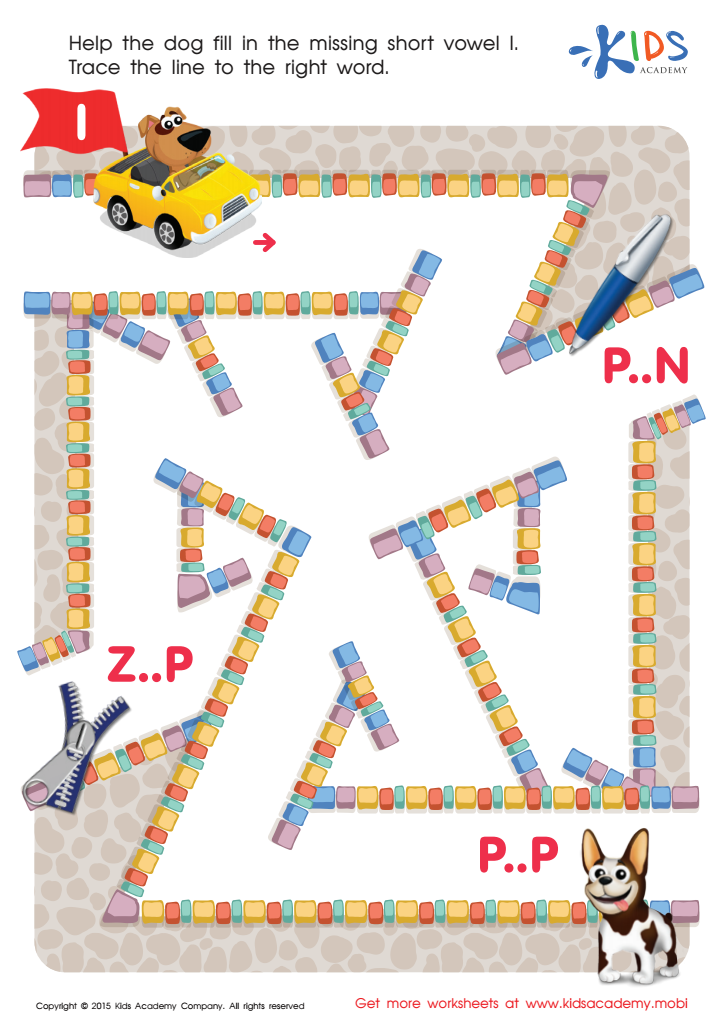
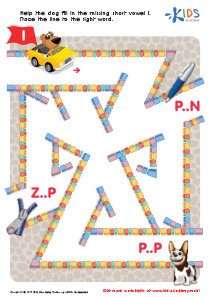
Short Vowel Sound I Worksheet
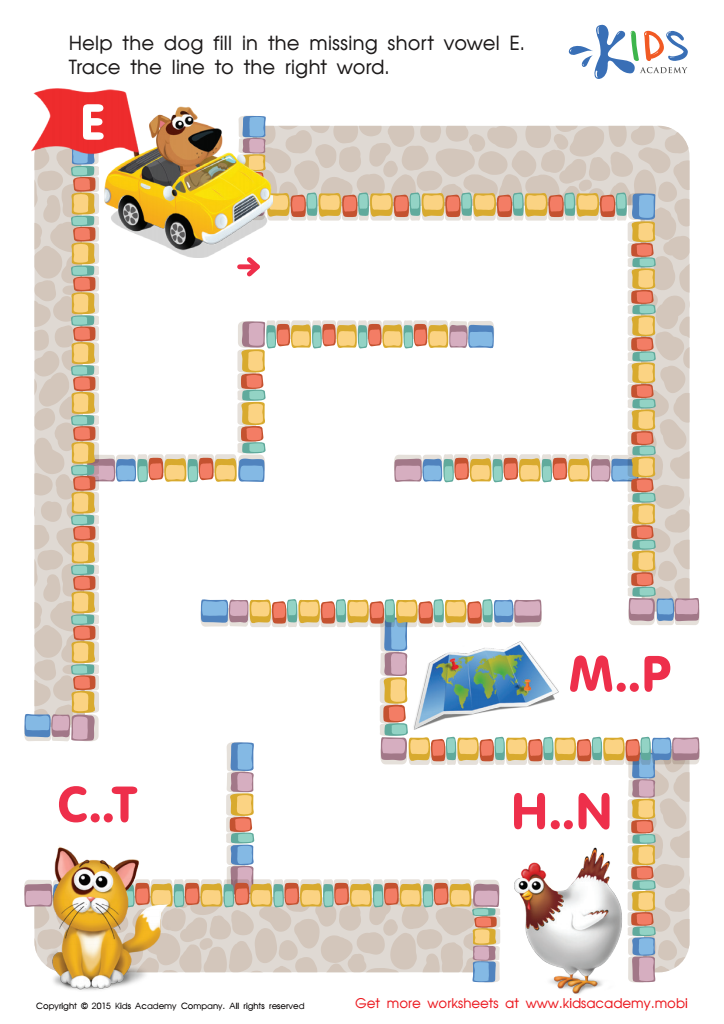
Short Vowel Sound E Worksheet
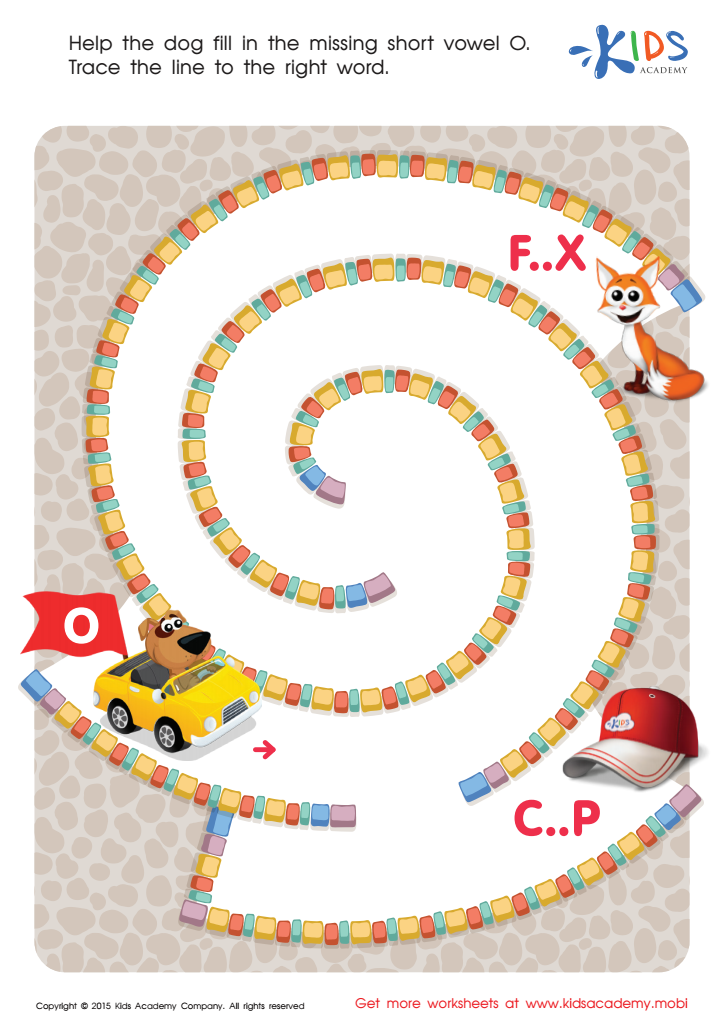
Short Vowel Sound O Worksheet


Vowel Recognition Extra Challenge Missing Vowels is an engaging educational activity designed to enhance early literacy skills in young learners. Parents and teachers should prioritize this exercise for several compelling reasons. Firstly, it helps children understand the role of vowels in word construction, which is foundational to reading proficiency. Vowels are the 'glue' that hold words together, impacting pronunciation and meaning. By focusing on identifying and filling in missing vowels, students sharpen their phonemic awareness, an essential pre-reading skill.
Engaging in such activities increases a child’s ability to decode unfamiliar words, facilitating a smoother transition from simple to more complex reading materials. It also promotes spelling accuracy, as children learn to recognize common vowel patterns and correct vowel placements. Moreover, Vowel Recognition activities can be both challenging and fun, keeping students motivated and interested in learning.
In addition, such exercises support differentiated learning by allowing for various difficulty levels, thus catering to individual educational needs. By incorporating these challenges into their routine, parents and teachers can foster a supportive environment for literacy development, building a strong foundation for future academic success in a way that is interactive and enjoyable for children.