Understanding measurements Extra Challenge Kindergarten Worksheets
4 filtered results
-
From - To
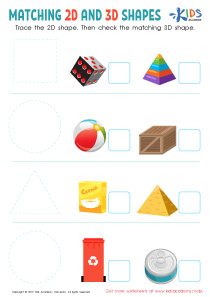
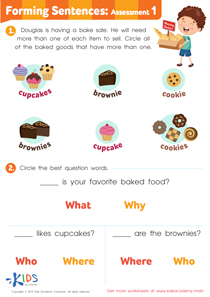
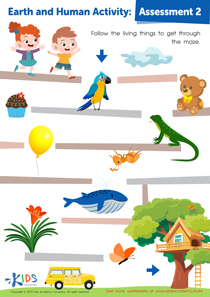
Enhance your kindergarten classroom experience with our "Understanding Measurements Extra Challenge" worksheets! Designed for young learners, these engaging activities introduce key concepts of measurement through vibrant visuals and interactive exercises. Students will explore length, weight, capacity, and comparative sizes in a fun and accessible way. Perfect for reinforcing math skills, these worksheets provide extra challenges that encourage critical thinking and problem-solving. With a range of topics and formats, they cater to diverse learning styles. Foster a love for math while helping students build essential measurement skills confidently. Explore our collection today and support your child's educational journey!
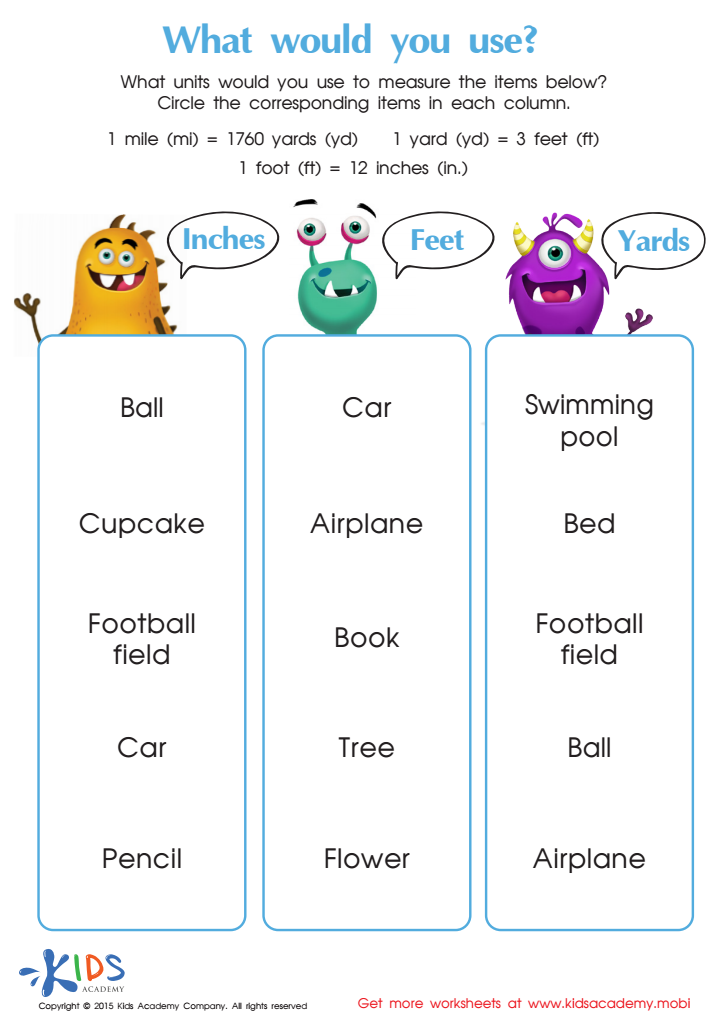
Learning about measuring objects in inches, feet and yards Worksheet
 Assign to My Students
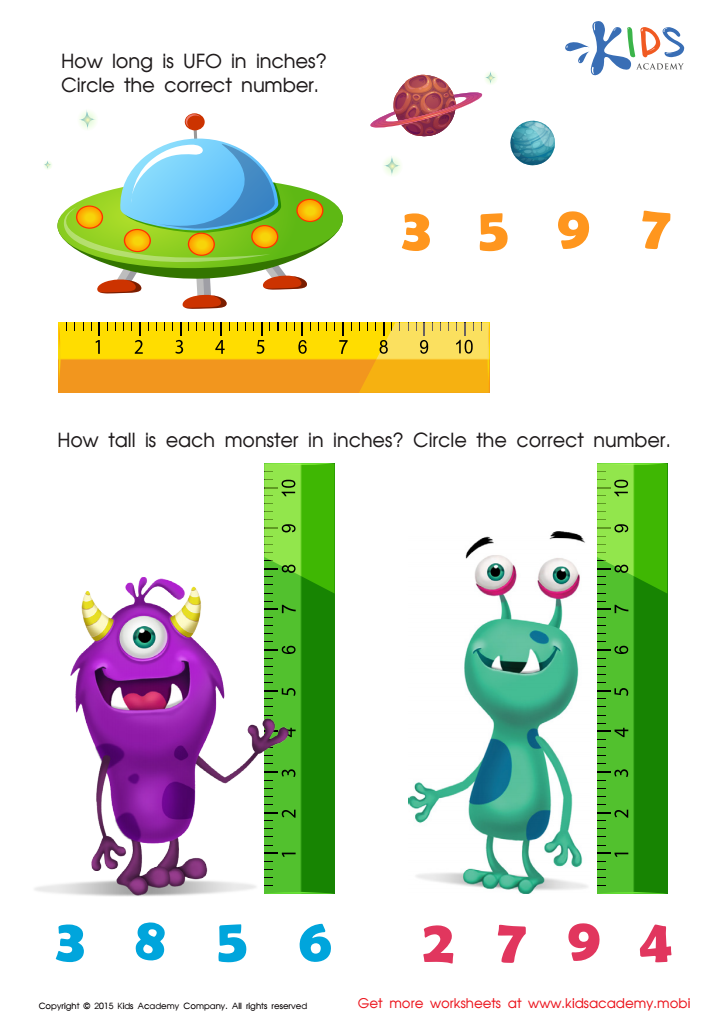
Measuring in Inches Worksheet
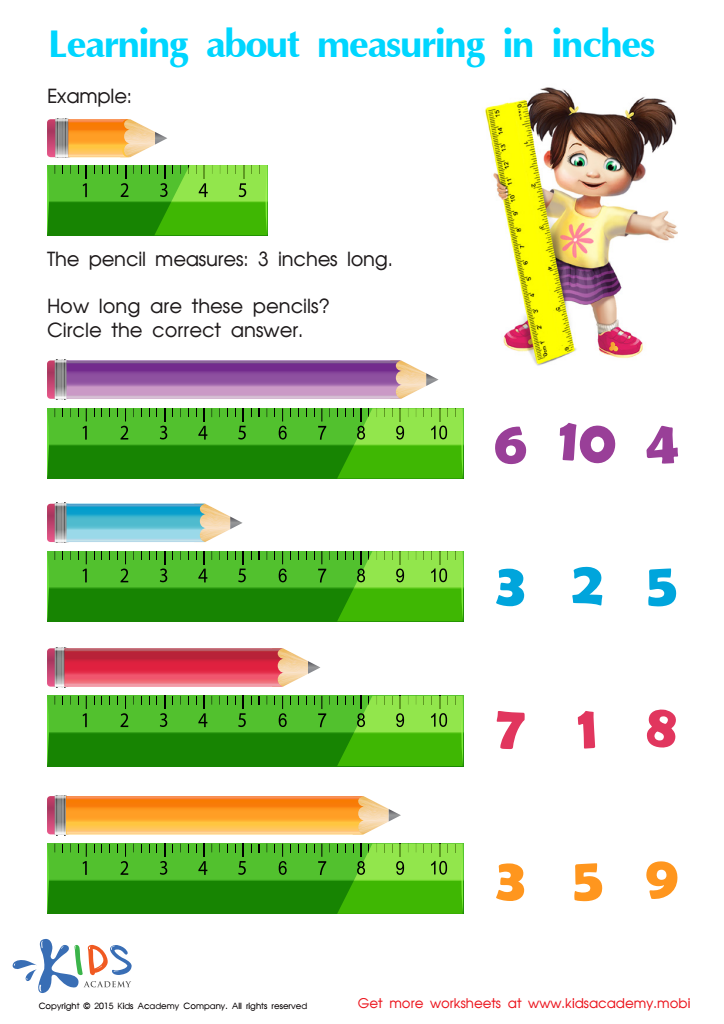
Learning About Measuring In Inches Printable
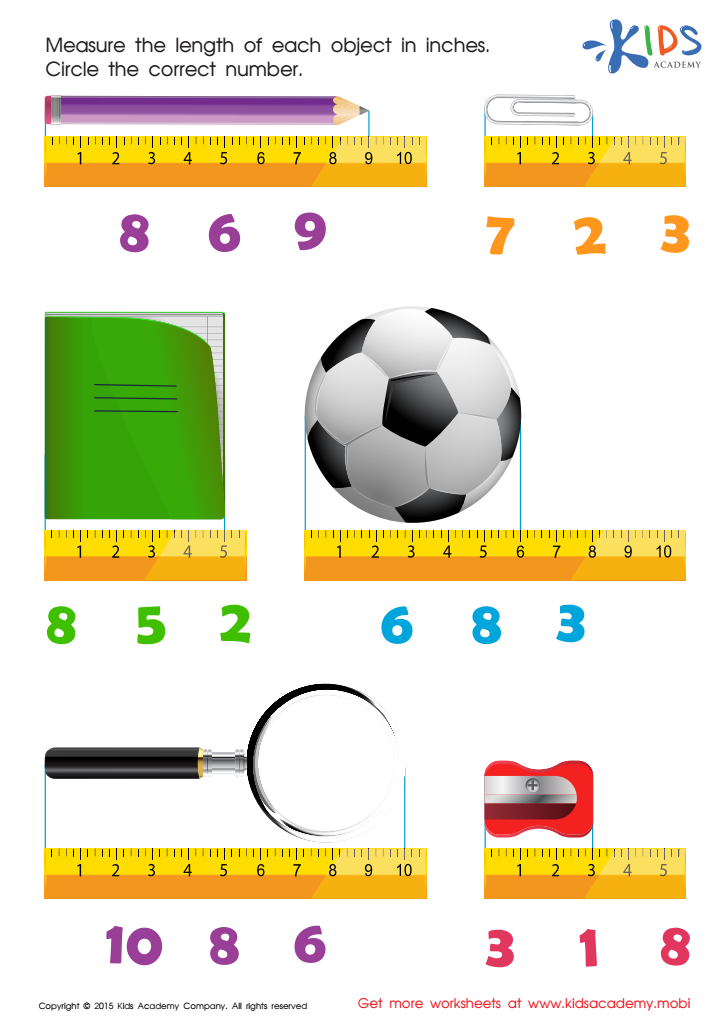
Learning measuring objects in inches Worksheet








Understanding measurements is vital for young learners in Kindergarten, setting the foundation for their future educational journey. Parents and teachers should care about this concept for several key reasons. First, measurement skills help children grasp essential mathematical principles such as comparison, estimation, and number sense. Through measuring, children develop critical thinking and problem-solving skills, which are fundamental in math and science.
Second, measurement activities enhance fine motor skills and hand-eye coordination. When children use rulers, measuring cups, or blocks, they are reinforcing their physical dexterity while learning. These hands-on experiences make learning tangible and enjoyable, fostering a love for education.
Moreover, measuring reveals real-world applications. Whether cooking with parents or observing nature alongside teachers, children see how measurement is used daily. This makes mathematical concepts relatable and meaningful, encouraging kids to engage actively with their surroundings.
Finally, understanding measurements supports other subjects, such as art and science, by incorporating scales, dimensions, and quantities. By fostering measurement skills in Kindergarten, parents and teachers equip children with the necessary tools to succeed academically, socially, and emotionally, ensuring they are well-prepared for the complexities of higher education and life.