Fine Motor Skills Extra Challenge Grade 2 Letter Recognition Worksheets
7 filtered results
-
From - To
Boost your child's fine motor skills with our Grade 2 Letter Recognition Worksheets! Specifically designed for second graders, these worksheets blend essential literacy learning with engaging activities that improve hand-eye coordination and dexterity. Students will practice recognizing and writing letters through various fun exercises, including tracing, coloring, and interactive letter games. Each worksheet targets letter recognition while nurturing fine motor development, making learning effective and enjoyable. These printable resources are perfect for at-home practice or classroom use, helping young learners build confidence in their writing abilities while mastering the alphabet keys to academic success! Get started today for a creative learning experience!
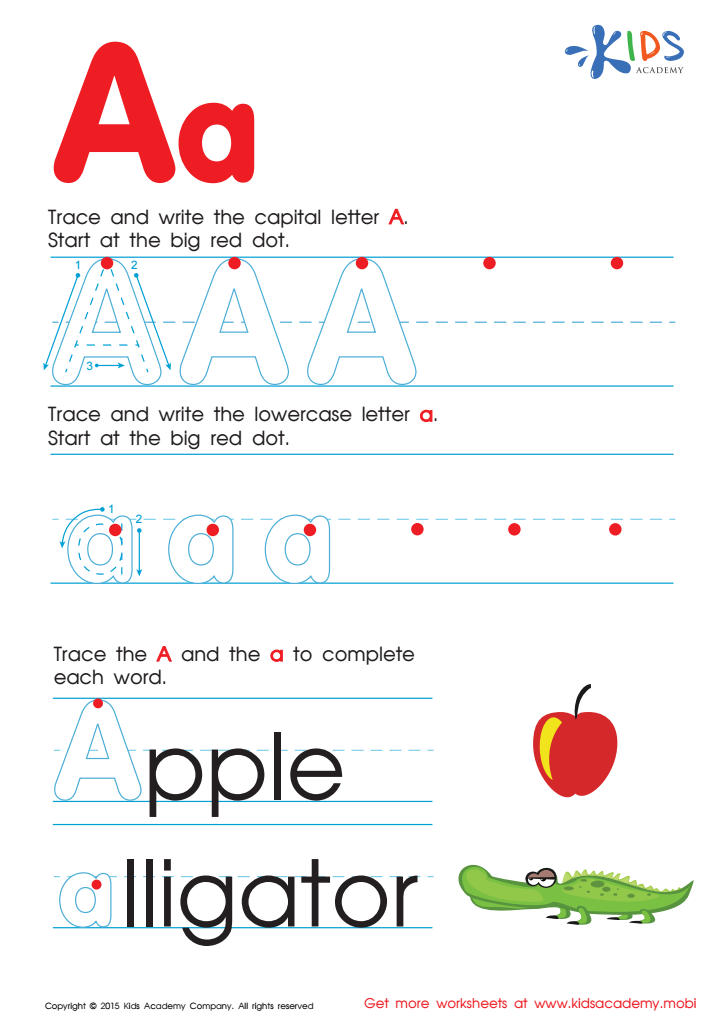
Letter A Tracing Page
 Assign to My Students
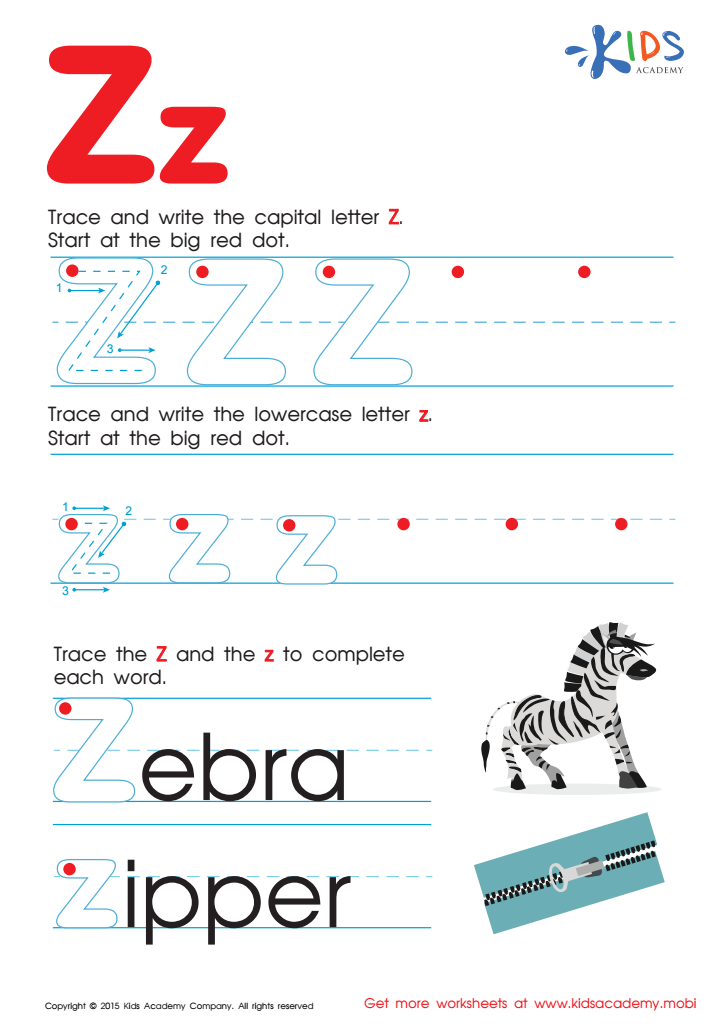
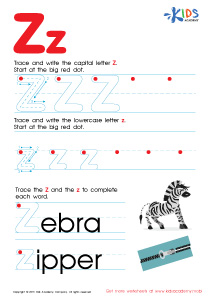
Letter Z Tracing Page
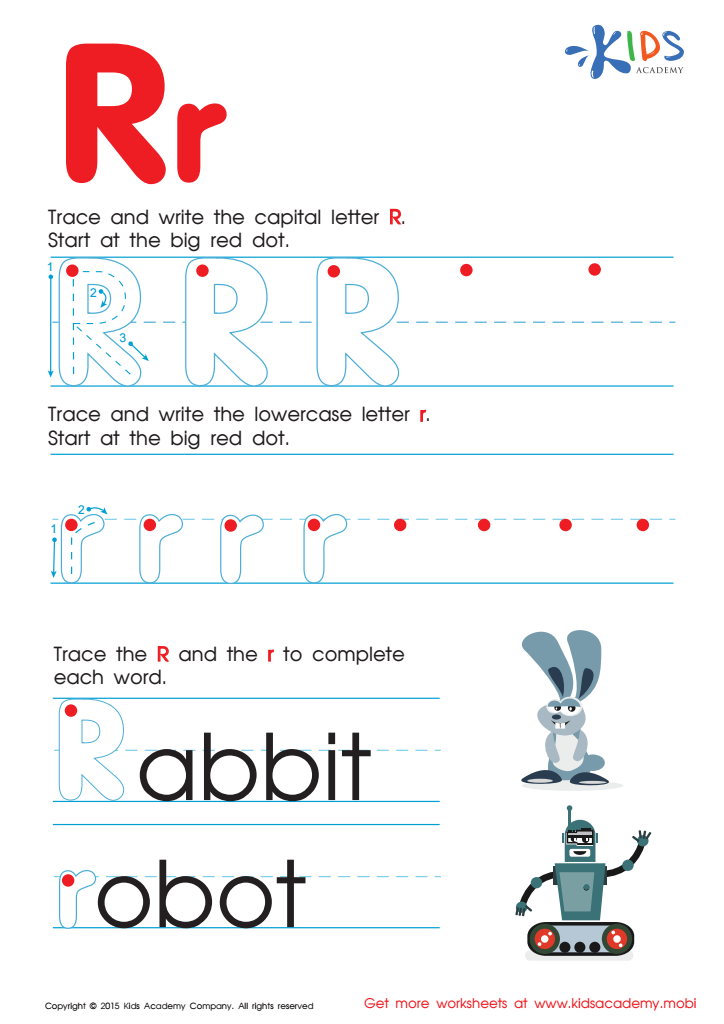
Letter R Tracing Page
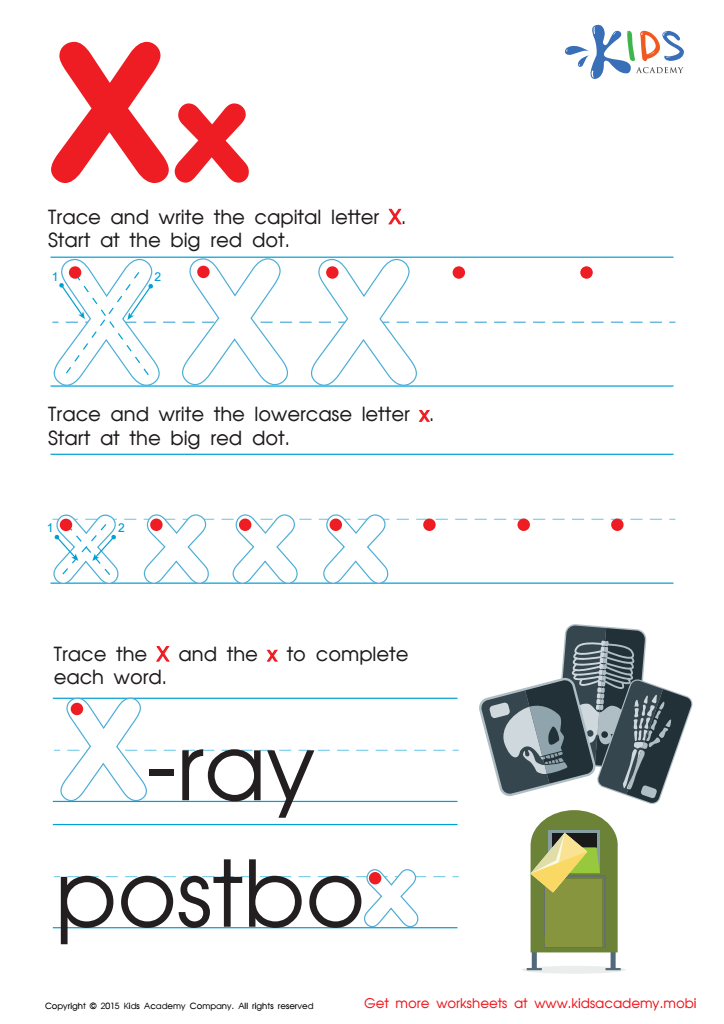
Letter X Tracing Page
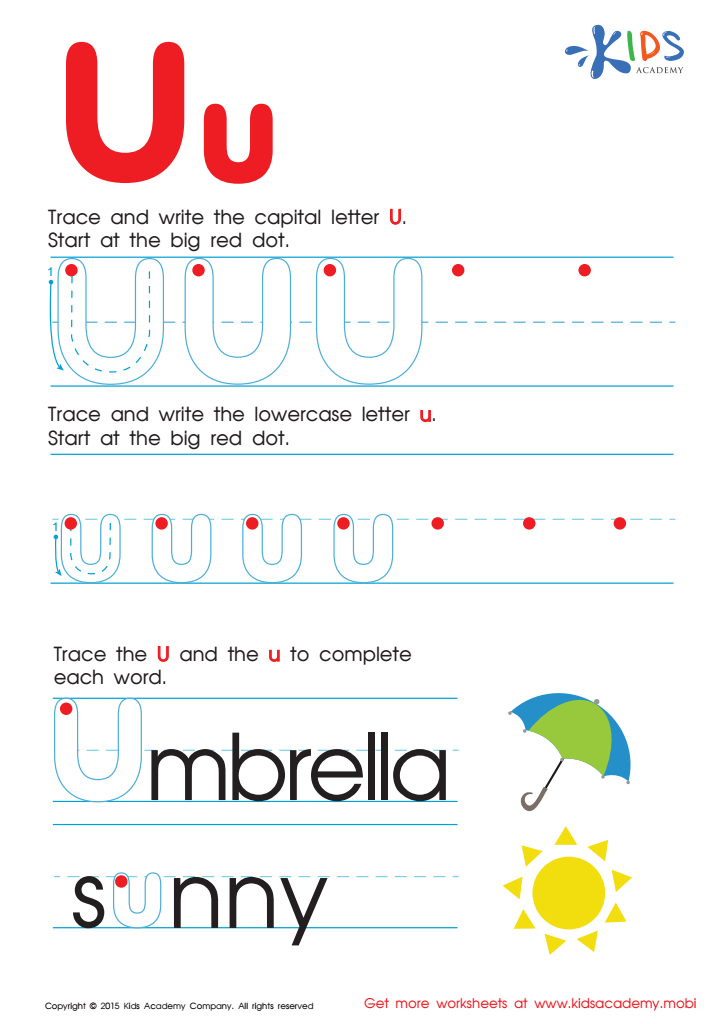
Letter U Tracing Page
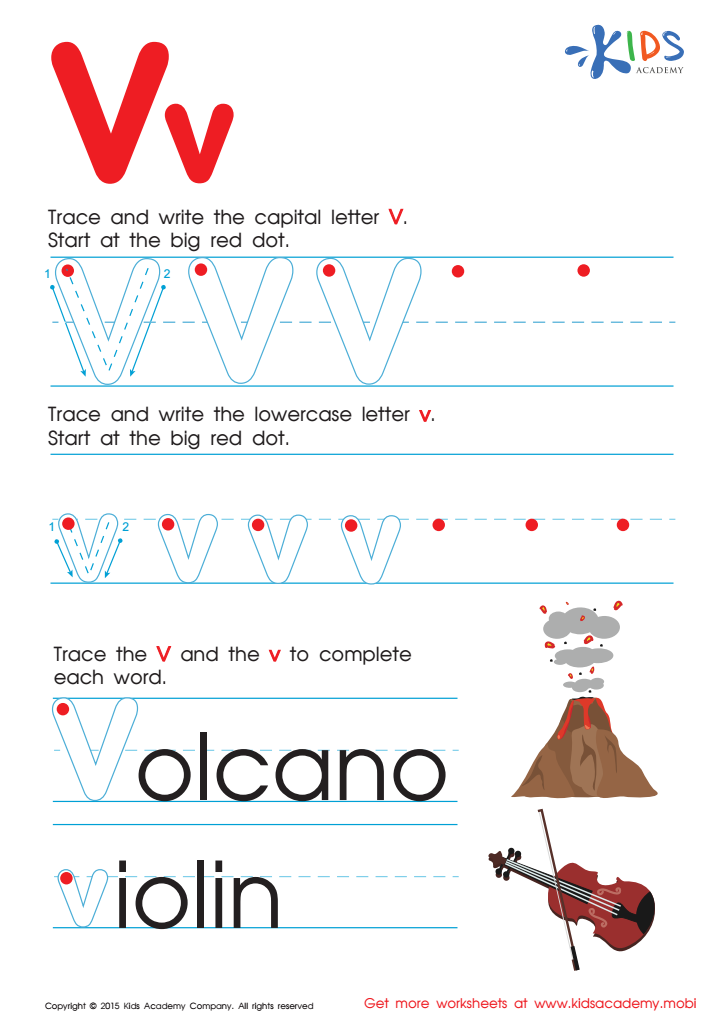
Letter V Tracing Page
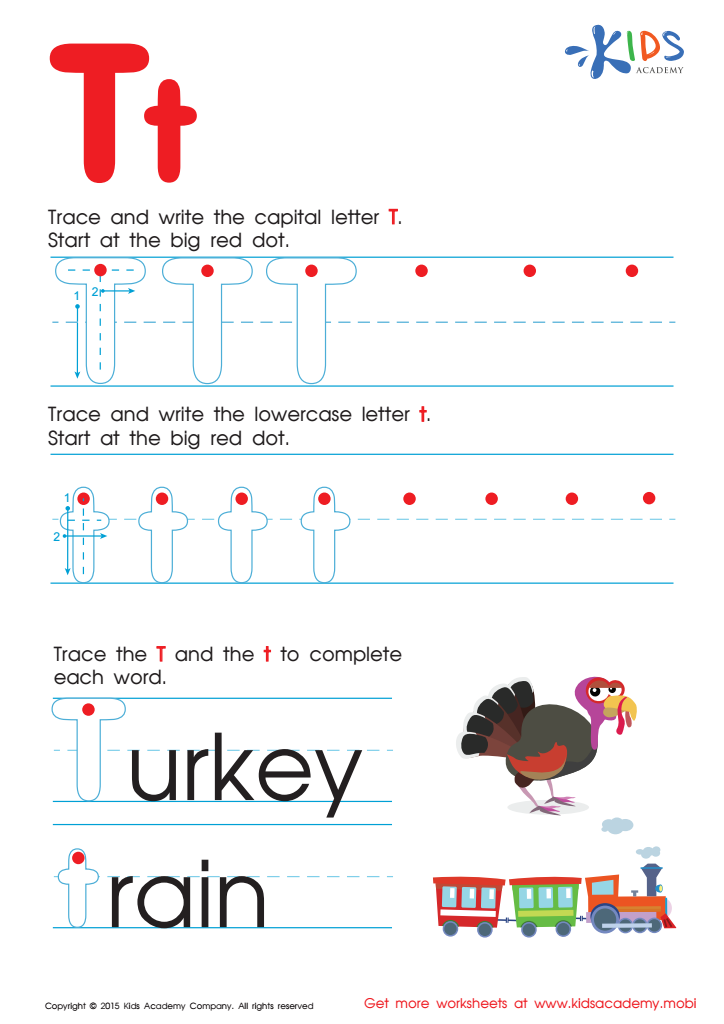
Letter T Tracing Page




Fine motor skills are crucial for a child's development, particularly in Grade 2, where letter recognition plays a significant role in literacy. These skills encompass the ability to use the small muscles in the hands and fingers, which are essential for various tasks like writing, drawing, and manipulating objects. As children progress in grades, their printing and writing become more defined and require increased control and coordination.
Focusing on letter recognition through challenging fine motor activities helps enhance these skills. Engaging tasks, such as tracing letters, threading beads to form letters, or using playdough to create letter shapes, cultivate dexterity and improve hand-eye coordination. Furthermore, these activities promote cognitive development, reinforcing the connection between motor skills and cognitive functions like memory and problem-solving.
By prioritizing fine motor skill development and letter recognition, parents and teachers lay a strong foundation for literacy. This not only facilitates smoother transitions into reading and writing but also fosters a child's confidence and enthusiasm in learning. Ultimately, honing these skills can lead to greater academic success and encourage lifelong learning habits. Hence, recognition of the significance of fine motor skills in connection with letter recognition should be a priority for anyone involved in a child's education and growth.