Alphabet Recognition Extra Challenge Grade 2 Tracing Letters Worksheets
3 filtered results
-
From - To
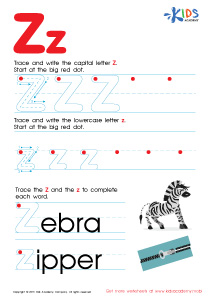
Boost your child's alphabet mastery with our Alphabet Recognition Extra Challenge Grade 2 Tracing Letters Worksheets! Tailored for second graders, these fun and engaging activities provide an advanced approach to letter identification and handwriting practice. Each worksheet prompts young learners to carefully trace letters, enhancing their fine motor skills and reinforcing letter shapes. Perfect for classroom or home use, these worksheets challenge students to perfect their penmanship while deepening their understanding of the alphabet. Foster your child's confidence and competence in literacy with this valuable resource from Kids Academy!

Letter A Tracing Page
 Assign to My Students
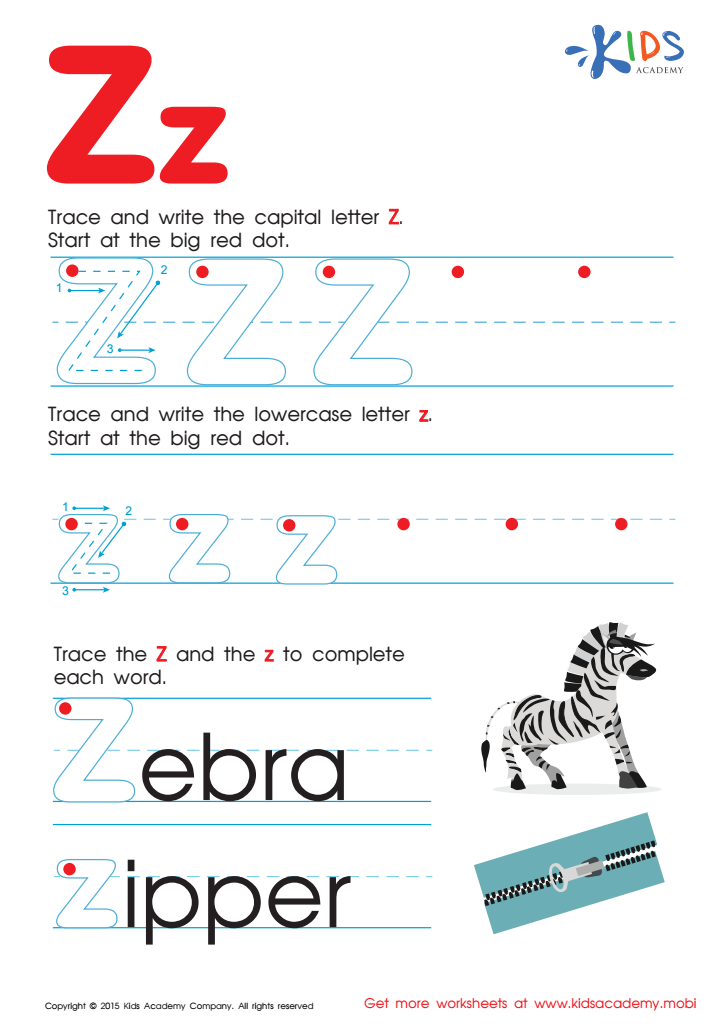
Letter Z Tracing Page
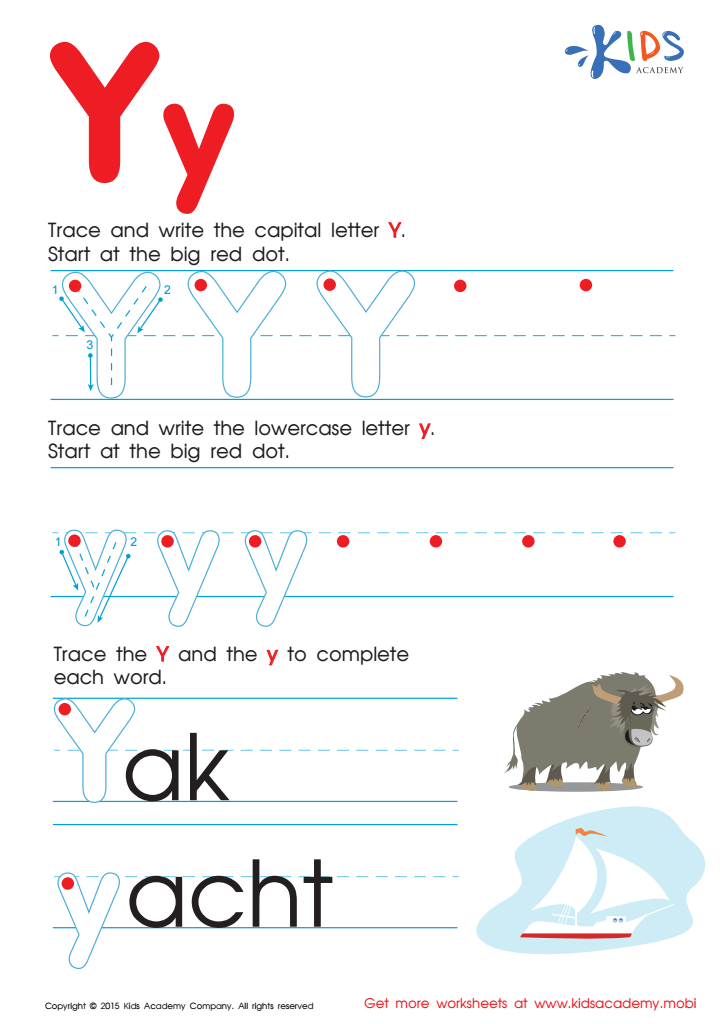
Letter Y Tracing Page




Alphabet Recognition Extra Challenge Grade 2 Tracing Letters is extremely beneficial for a child's educational development and merits the attention of both parents and teachers. This exercise helps solidify the foundational skills needed for effective reading and writing. At the grade 2 level, students are in the critical phase of solidifying their literacy skills. Tracing letters not only reinforces fine motor skills but also reinforces memory retention of letter shapes and their corresponding sounds. It's about making these connections automatic, so students can focus on more complex literacy tasks later on.
For teachers, incorporating this into the curriculum supports differentiation, allowing them to cater to individual student needs—some children might need more practice than others. Additionally, this form of repetitive practice stimulates children's sensory memory, enhancing visual and muscle memory for each letter through a tactile approach.
For parents, supporting their child's learning at home with such activities translates into more confidence and fluency in schoolwork. As these activities often carry an element of playfulness, they can turn learning time into an enjoyable experience, fostering a love for learning. Tracking children’s progress through these exercises can be tremendously rewarding for both teachers and parents, providing evidence of growth and pinpointing areas needing additional focus. Combating literacy difficulties early on sets the stage for academic success across various subjects, ultimately leading to better educational outcomes.