Letter recognition Extra Challenge Grade 2 Tracing Letters Worksheets
7 filtered results
-
From - To
Boost your second grader's alphabet mastery with our "Letter Recognition Extra Challenge" tracing worksheets! Designed to enhance letter identification, these printable resources engage young learners in tracing and writing exercises that reinforce knowledge of both uppercase and lowercase letters. Perfect for advanced students looking to refine their skills, the worksheets build fine motor control while making letter recognition fun and interactive. Ideal for use at home or in the classroom, this collection supports literacy development through hands-on practice and repetition. Elevate your child's confidence in reading and writing with these exceptional tracing worksheets!
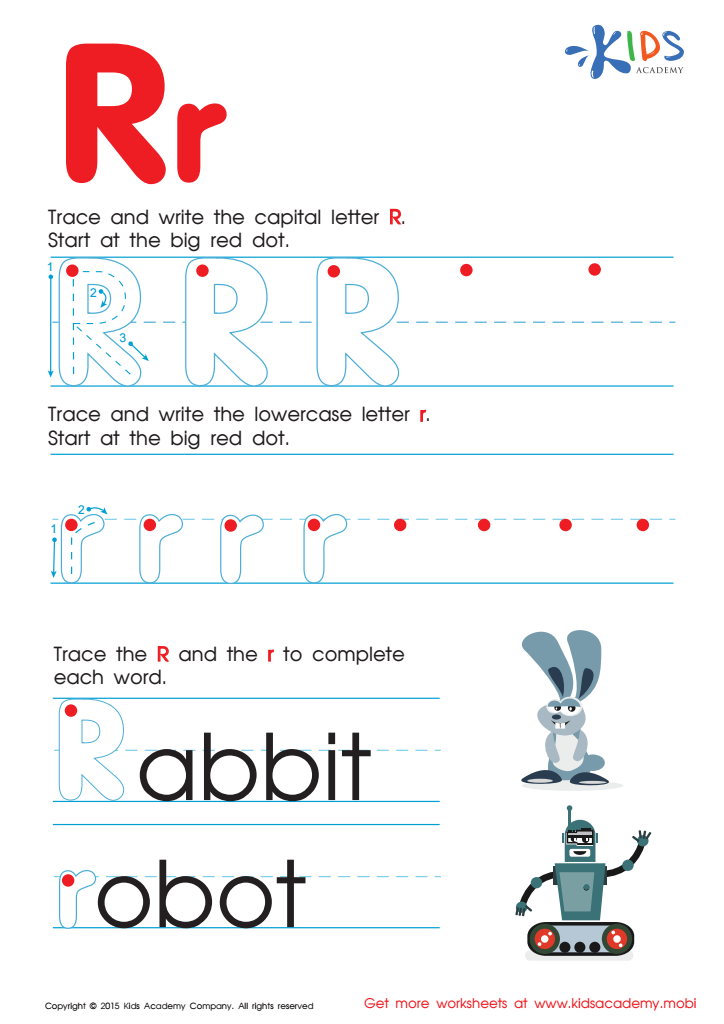
Letter R Tracing Page
 Assign to My Students
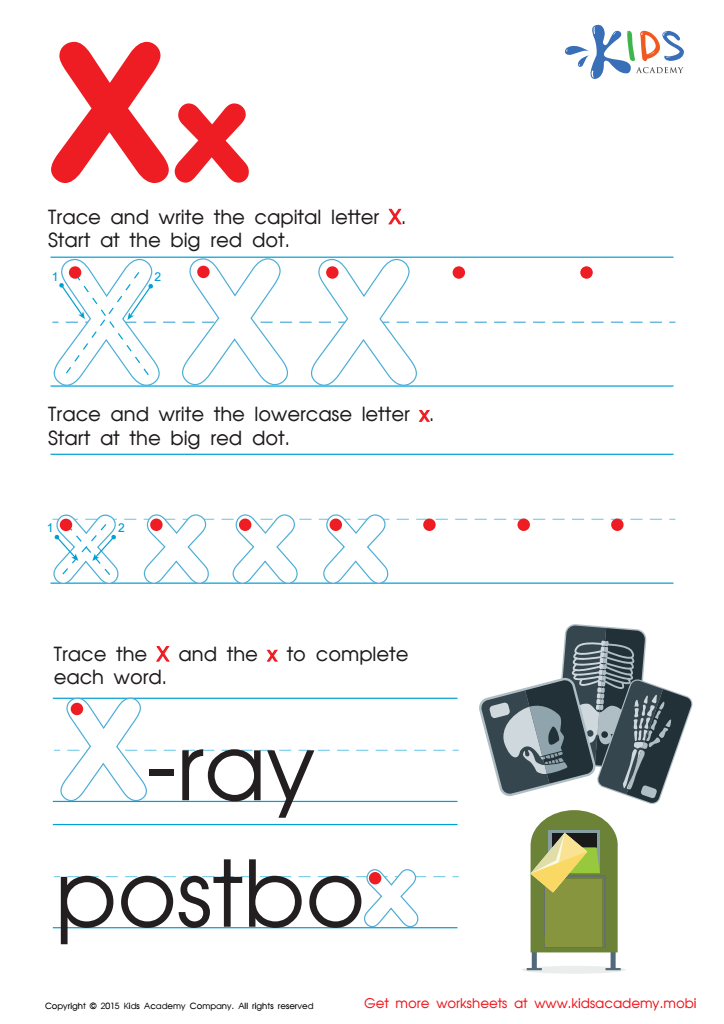
Letter X Tracing Page
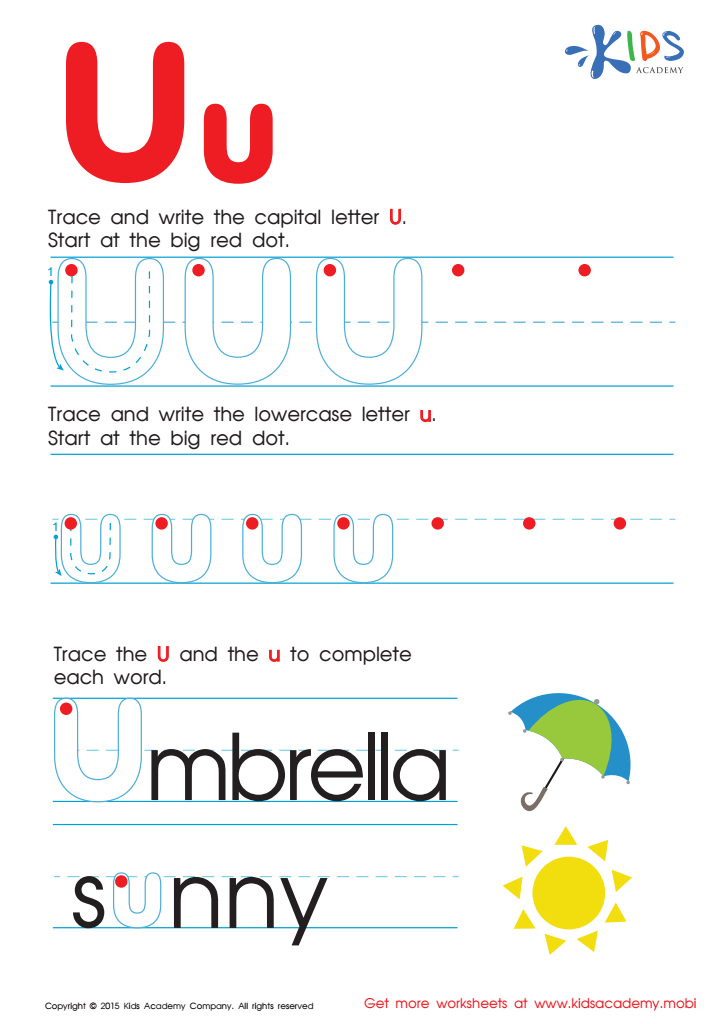
Letter U Tracing Page
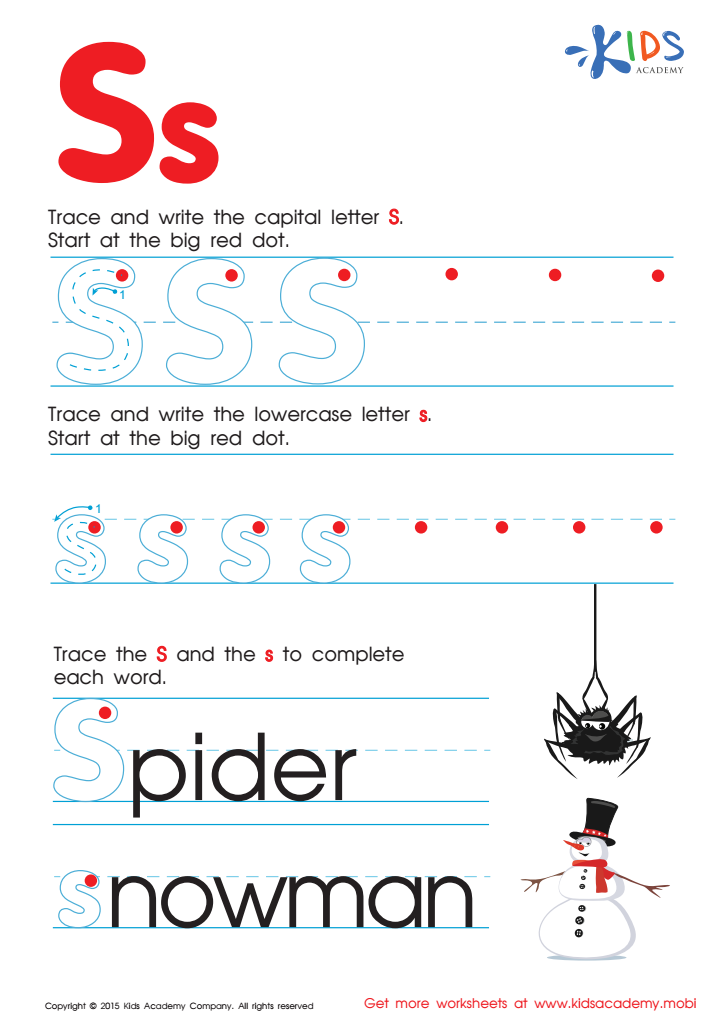
Letter S Tracing Page
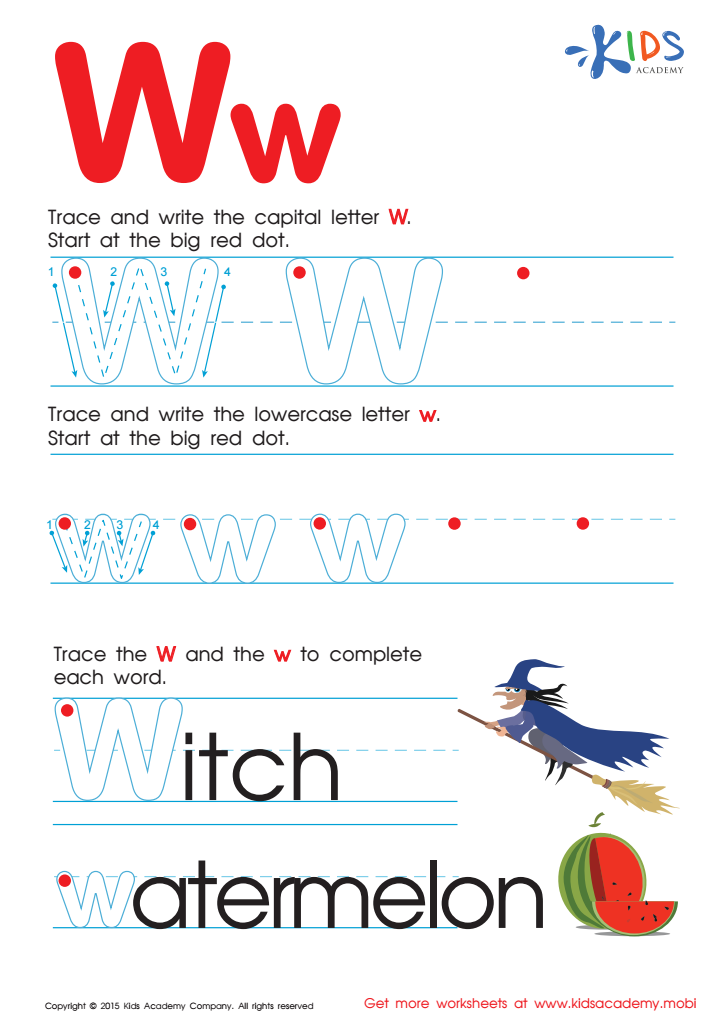
Letter W Tracing Page
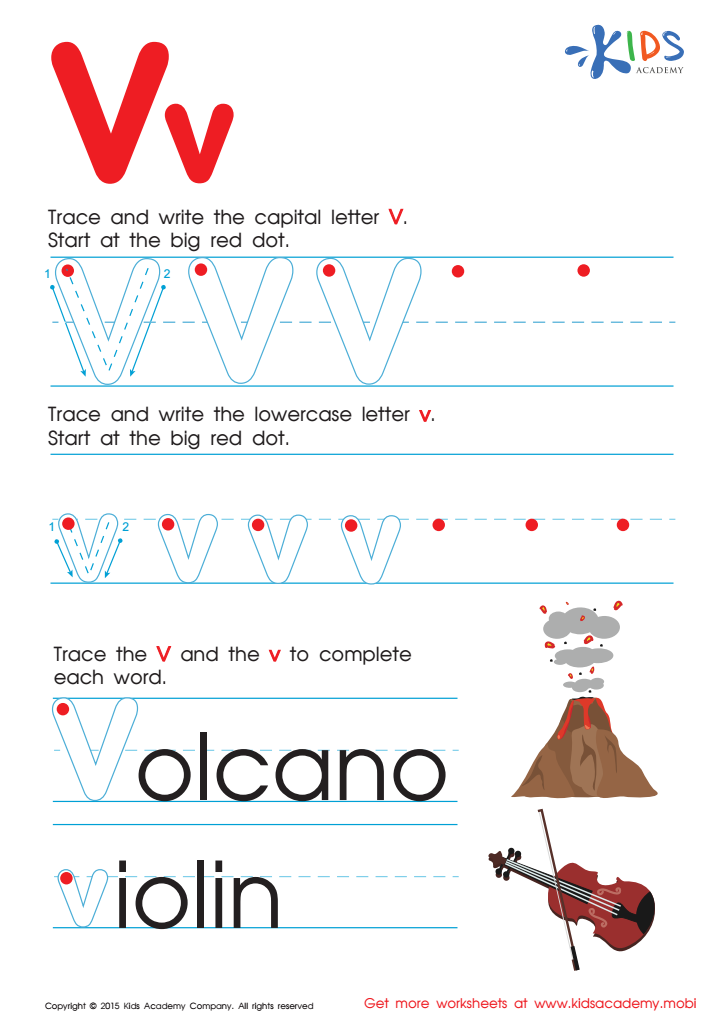
Letter V Tracing Page
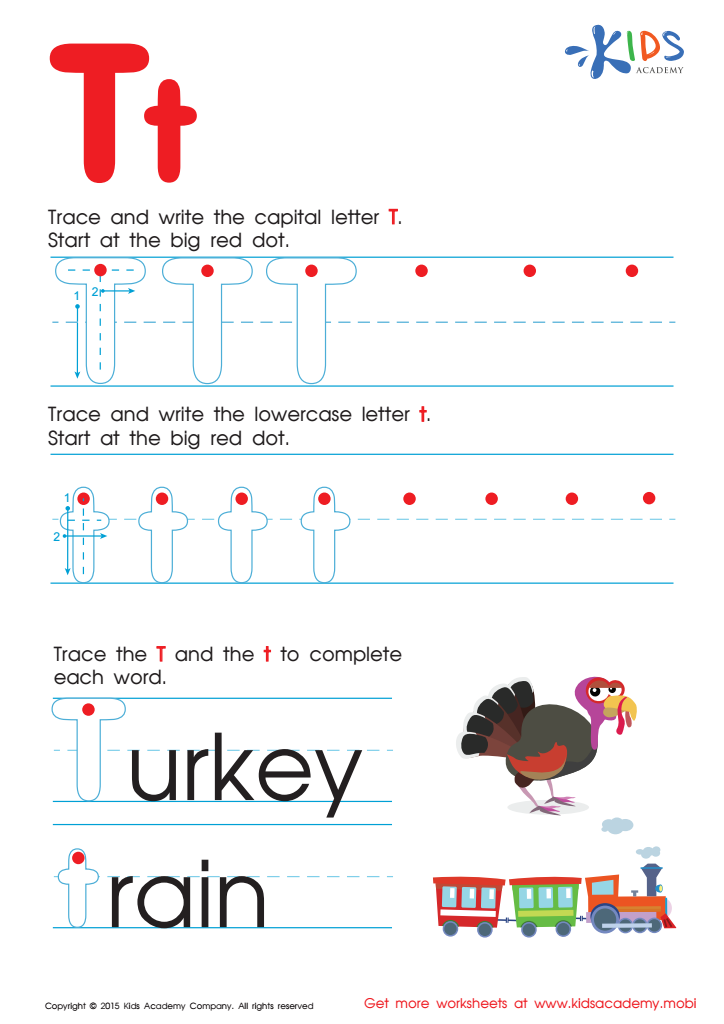
Letter T Tracing Page




Parents and teachers should care about Letter Recognition Extra Challenge Grade 2 Tracing Letters because it fosters foundational literacy and fine motor skills crucial for academic success. This grade-specific activity enhances a child's ability to recognize and write letters accurately, contributing to better reading and writing fluency. As children practice tracing, they engage in hand-eye coordination and develop muscle memory, which aids in crafting legible and consistent handwriting.
For second graders, who are transitioning from recognizing basic letters to constructing more complex sentences, early and continual exposure to such practice solidifies their understanding of the alphabet and strengthens their ability to distinguish between similar letter forms. Additionally, tracing letters is an interactive and engaging way to keep them motivated in their learning journey, providing a sense of achievement as they master each letter.
Effective letter recognition is directly linked to improved spelling and reading comprehension, as it allows children to decode new words more efficiently. By focusing on this skill set, parents and teachers lay a solid groundwork for lifelong literacy, giving children confidence and competence in their communication skills. Investing time in such targeted practices ensures that students build a robust linguistic framework early on, fostering more significant academic and personal growth.