Recognizing shapes Extra Challenge Grade 2 Worksheets
3 filtered results
Difficulty Level
Grade
Age
-
From - To
Subject
Activity
Standards
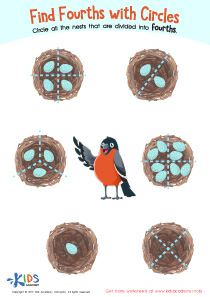
Enhance your second graders' geometry skills with our "Recognizing Shapes Extra Challenge Worksheets." Designed for advanced learners, these worksheets provide a fun and engaging way to deepen their understanding of various shapes and their properties. Students will tackle challenges that require them to identify, categorize, and compare shapes, reinforcing critical thinking and problem-solving skills. Aligned with grade-level standards, these worksheets not only make learning exciting but also help build a solid foundation in geometry. Perfect for classroom use or at-home practice, these extra challenges will keep your learners motivated and eager to excel while mastering shape recognition!
Favorites
With answer key
Interactive
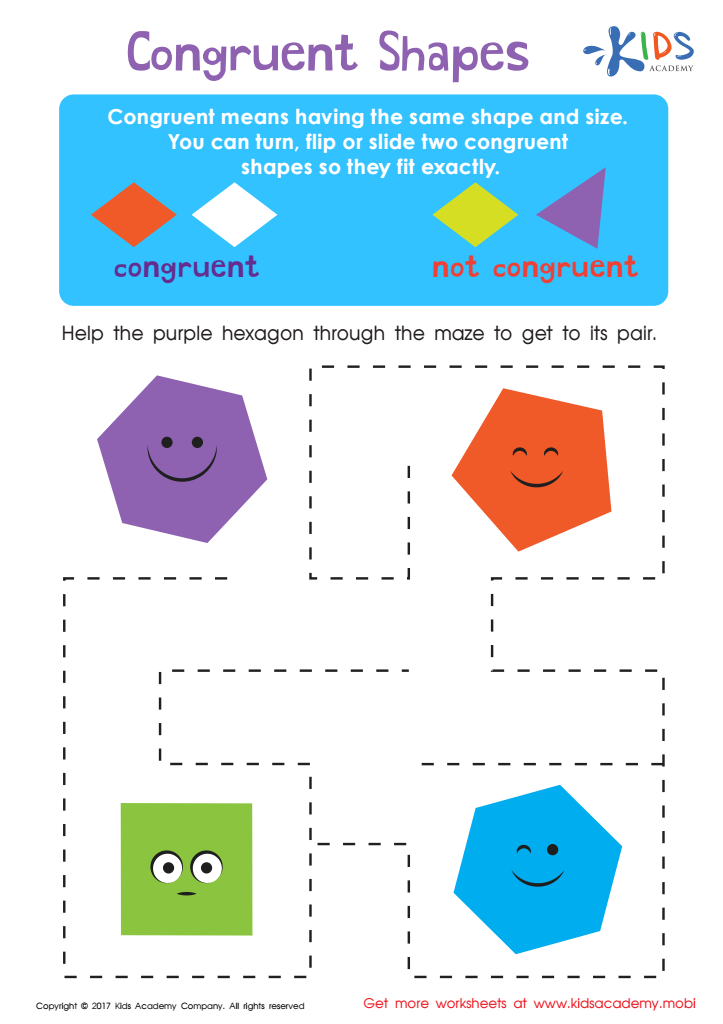
Congruent Shapes Worksheet
Help your child find the twin of the purple hexagon! This congruent shapes worksheet is great for increasing vocabulary while challenging mental rotation skills.
 Assign to My Students
Congruent Shapes Worksheet
Worksheet
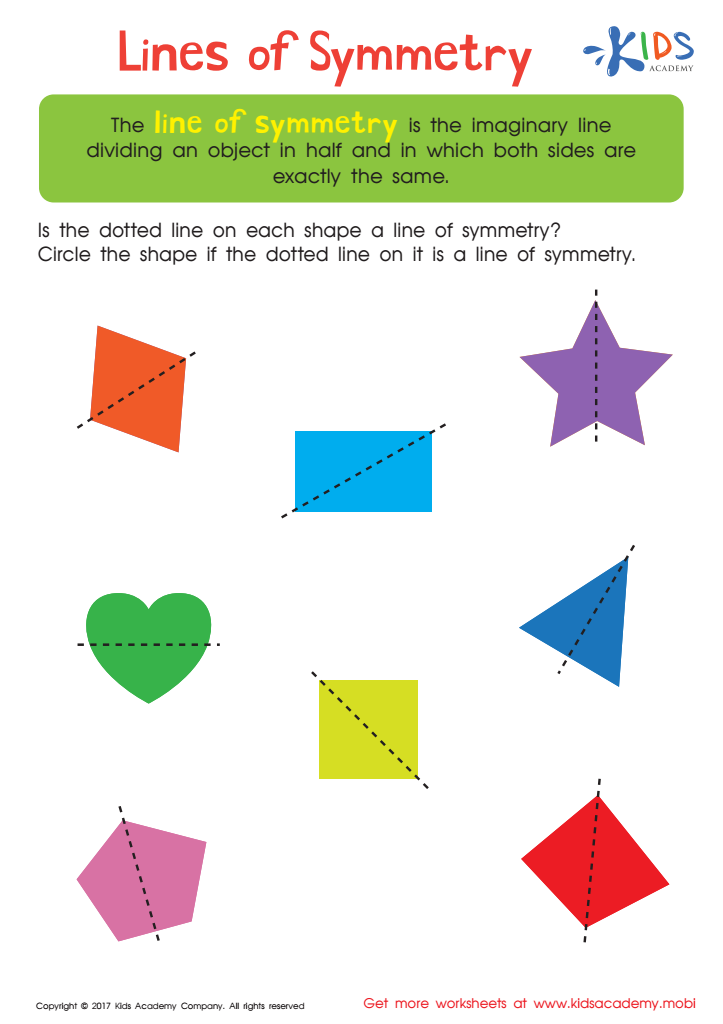
Lines of Symmetry Printable
Symmetry is a key math concept that kids must learn to develop their geometry skills. This fun worksheet helps build this skill, by encouraging kids to recognize symmetrical shapes and find equal parts.
Lines of Symmetry Printable
Worksheet
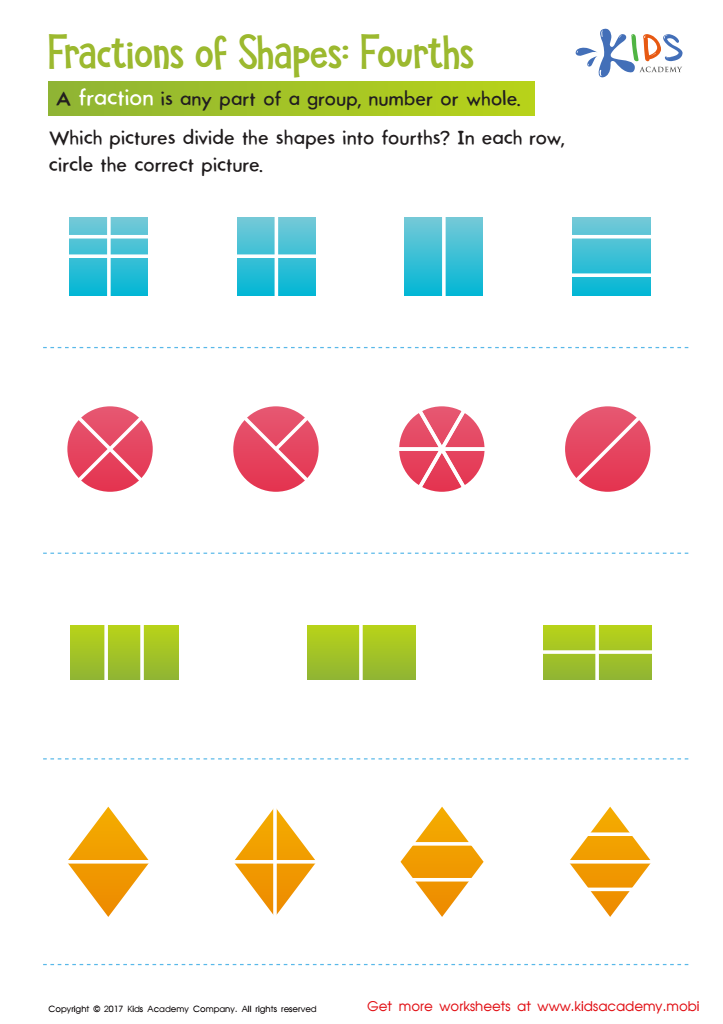
Fractions of Shapes Worksheet
It will also show them how fractions are represented in everyday shapes.
Fractions of Shapes Worksheet
Worksheet
Join Kids Academy for Free
Who is primarily going to use this learning content?







Recognizing shapes is a fundamental skill that plays a crucial role in a child’s cognitive development, especially in Grade 2. When parents and teachers emphasize this concept, they support children's ability to understand and categorize the world around them. Recognizing shapes not only lays the groundwork for more complex mathematical concepts, such as geometry and symmetry, but also enhances spatial awareness, which is essential for problem-solving and critical thinking.
Incorporating shape recognition into everyday learning experiences—like differentiating between 2D and 3D shapes—can make learning more engaging and relevant. Fun activities, such as shape scavenger hunts or art projects, foster creativity while reinforcing these concepts. Moreover, mastering shapes can build children's confidence in math, preparing them for future academic success.
Additionally, recognizing shapes is not limited to academics; it complements real-life skills. For example, understanding shapes is essential in tasks like cooking, construction, or even navigation. When children appreciate the relevance of shapes in their daily lives, it strengthens their learning and retention. Therefore, by prioritizing this skill, parents and teachers pave the way for a well-rounded education that combines theory, practicality, and creativity, benefiting children's overall development.