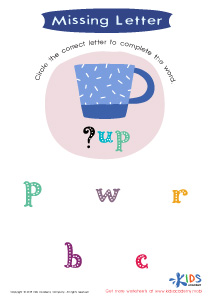
Handwriting improvement Kindergarten Alphabet Worksheets
7 filtered results
-
From - To
Discover our Handwriting Improvement Kindergarten Alphabet Worksheets, designed to enhance young learners' handwriting skills while making learning fun! These worksheets are crafted to help children practice writing both uppercase and lowercase letters, reinforcing their understanding of the alphabet. Through engaging activities, kids will develop fine motor skills, improve letter formation, and boost their confidence in writing. With colorful and interactive designs, these worksheets are perfect for at-home practice or classroom use. Ideal for preschool and kindergarten teachers, our resources cater to various learning styles, ensuring every child can succeed. Start your child's journey to beautiful handwriting today!
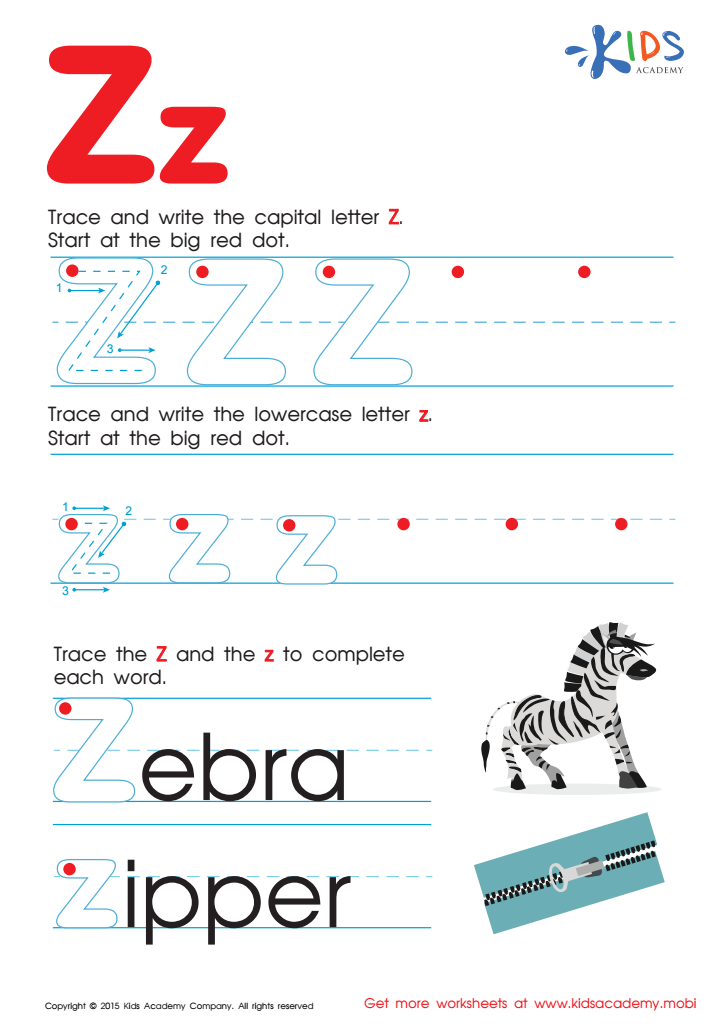
Letter Z Tracing Page
 Assign to My Students
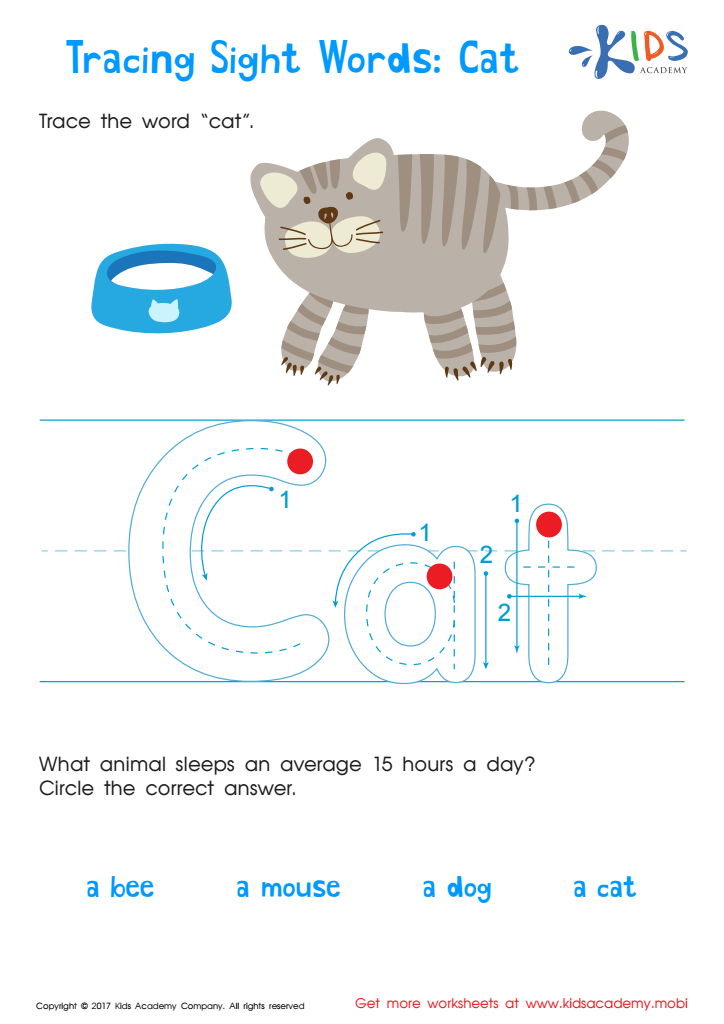
Cat Printable Sight Words Worksheet
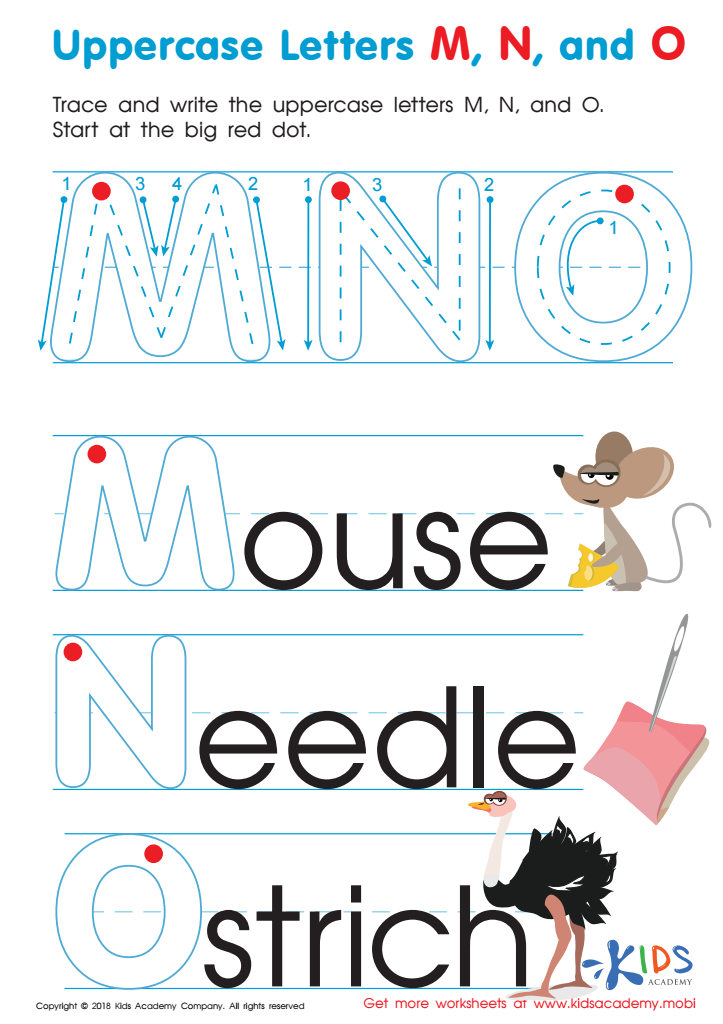
Uppercase Letters M, N, and O Worksheet
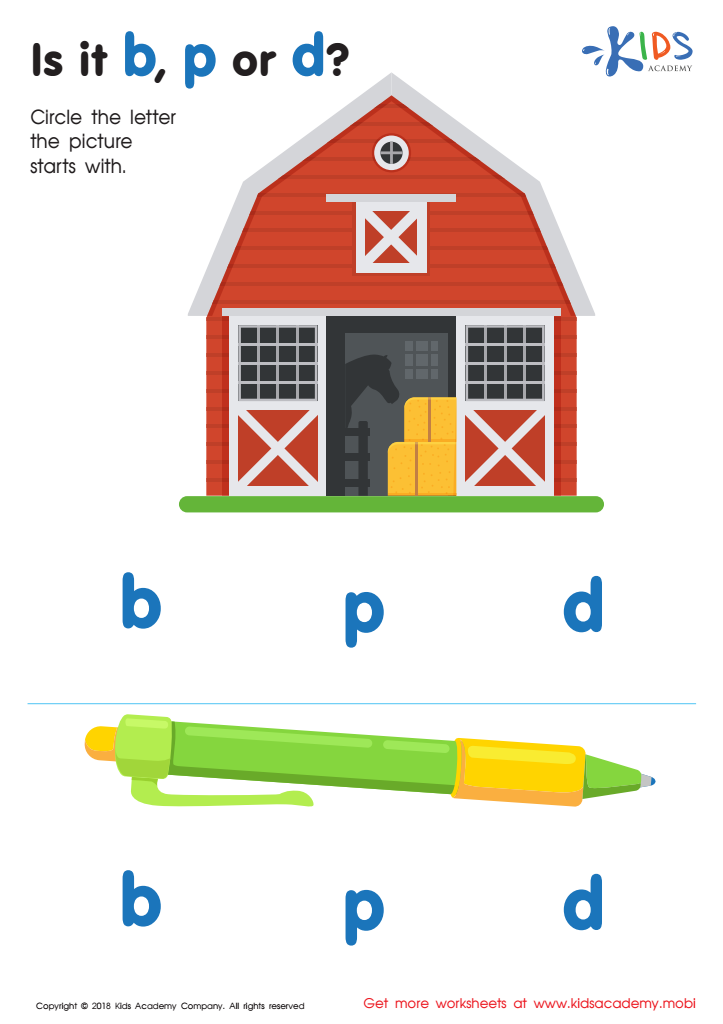
Is it b, p or d? Worksheet
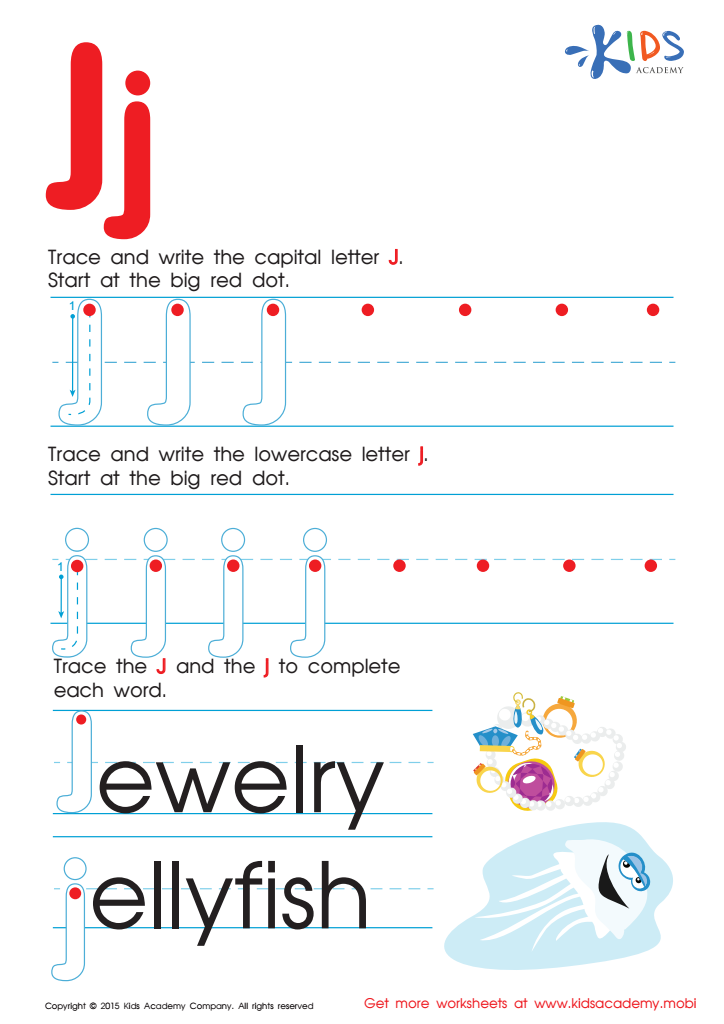
Letter J Tracing Page
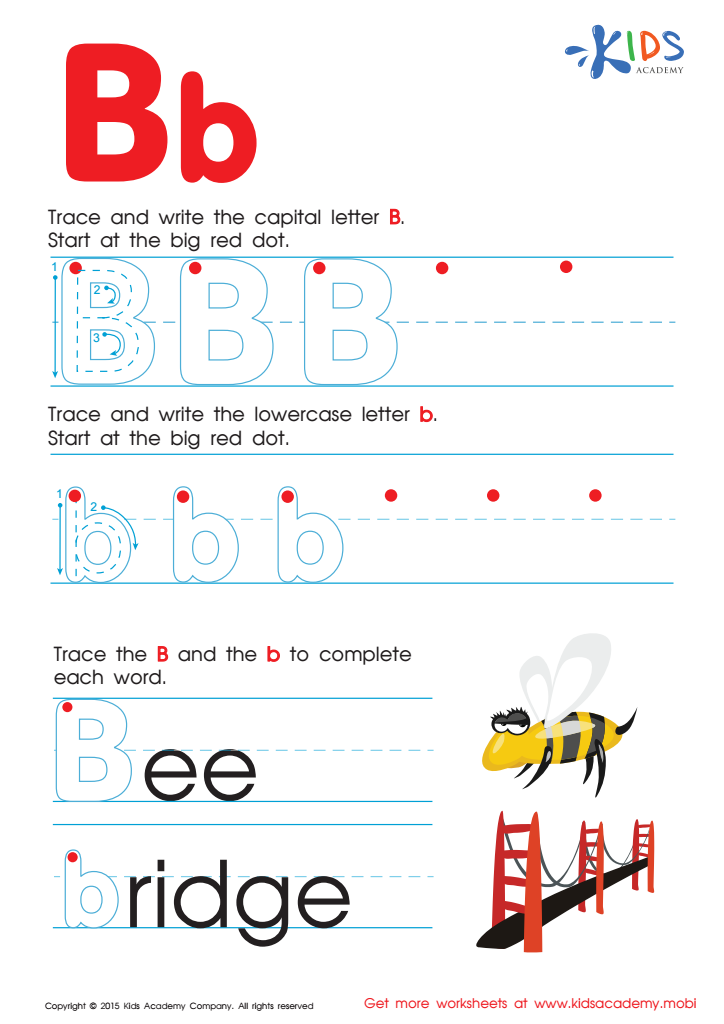
Letter B Tracing Page
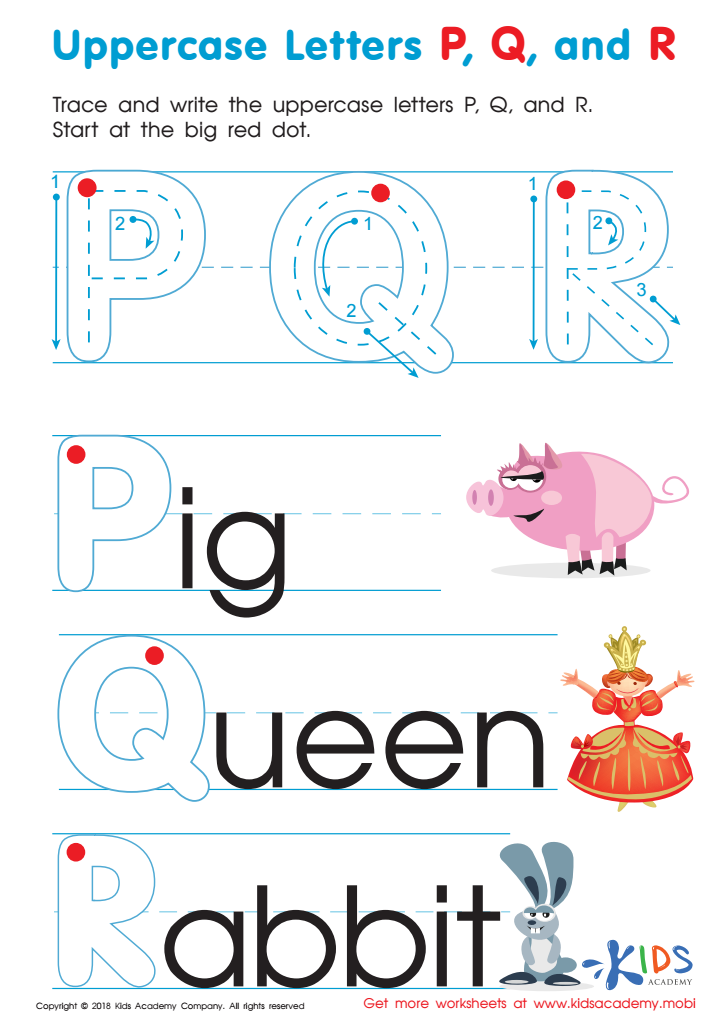
Uppercase Letters P, Q, and R Worksheet








Parents and teachers should care about handwriting improvement in kindergarten for several important reasons. Firstly, handwriting serves as a foundational skill for literacy development. As children learn to form letters correctly, they begin to understand their structure and shape, which enhances their reading abilities and spelling proficiency.
Moreover, good handwriting fosters self-expression. When children can write clearly, they feel more confident sharing their thoughts and ideas on paper. This confidence can empower them in other areas of learning and social interactions.
Additionally, improving handwriting helps develop fine motor skills. The intricate movements required for writing strengthen hand-eye coordination and dexterity, benefiting overall physical coordination and performance in other tasks, such as art or playing musical instruments.
Furthermore, neat handwriting reduces frustration in communication. Children can better convey their message without misunderstandings due to poor letter formation or messy writing, encouraging them to participate more actively in writing assignments and class discussions.
Ultimately, prioritizing handwriting improvement in kindergarten provides a solid foundation for academic success and boosts children's confidence, setting them up for lifelong learning and expression. Supporting this skill early on can yield significant benefits as they grow both academically and socially.