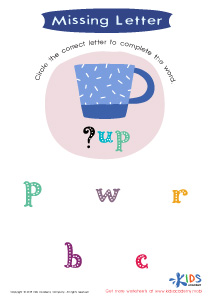
Letter-sound association Kindergarten Alphabet Worksheets
10 filtered results
-
From - To
Explore our engaging Letter-Sound Association Kindergarten Alphabet Worksheets designed to help young learners master the fundamentals of reading. These printable resources combine fun activities and vibrant illustrations that make learning enjoyable. Each worksheet reinforces letter recognition and phonemic awareness, laying a strong foundation for literacy skills. Children will practice identifying letters, matching sounds, and completing interactive exercises that enhance their understanding of language. Perfect for classroom use or at-home practice, our worksheets cater to diverse learning styles and keep little ones motivated. Get started today, and watch your child develop critical reading skills while enjoying the exciting world of letters and sounds!
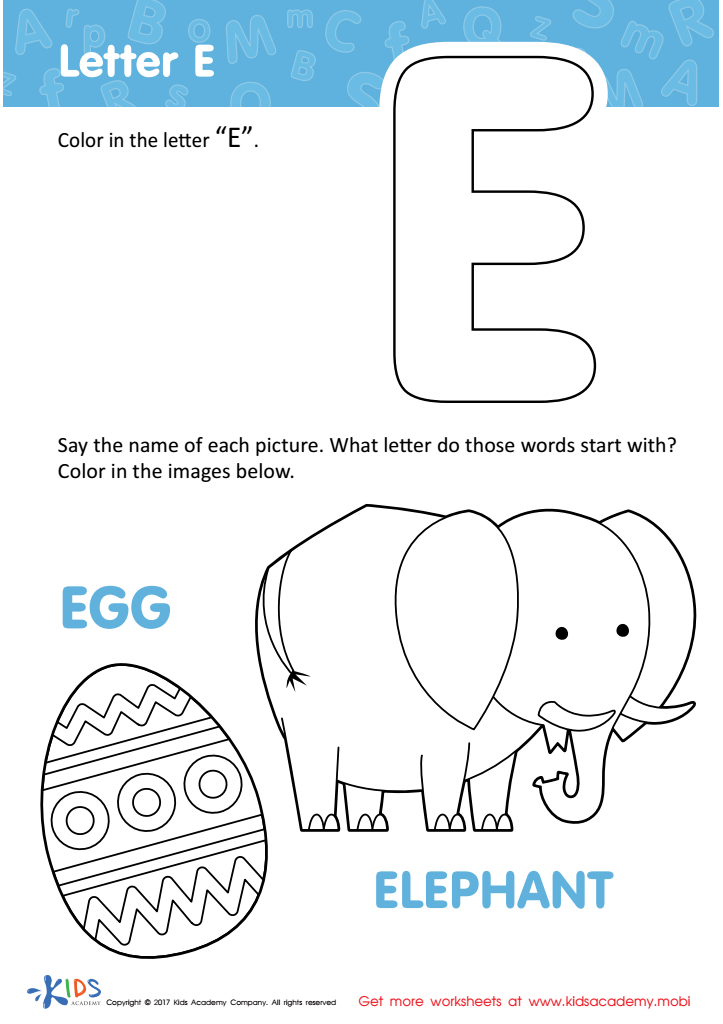
Letter E Coloring Sheet
 Assign to My Students
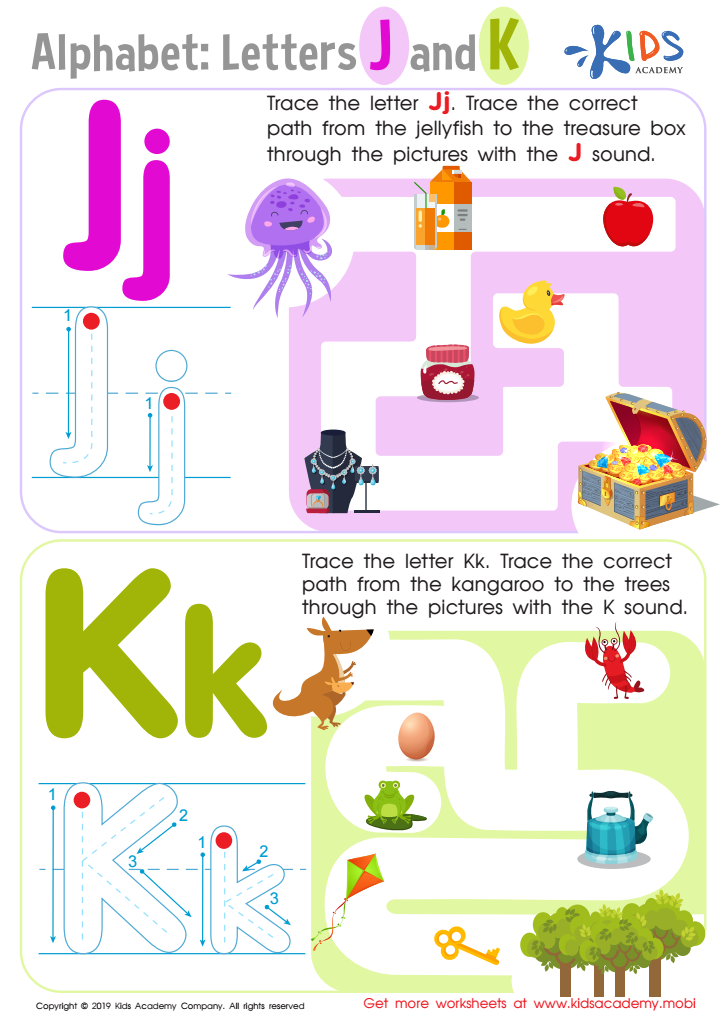
Letters J and K Tracing Worksheet
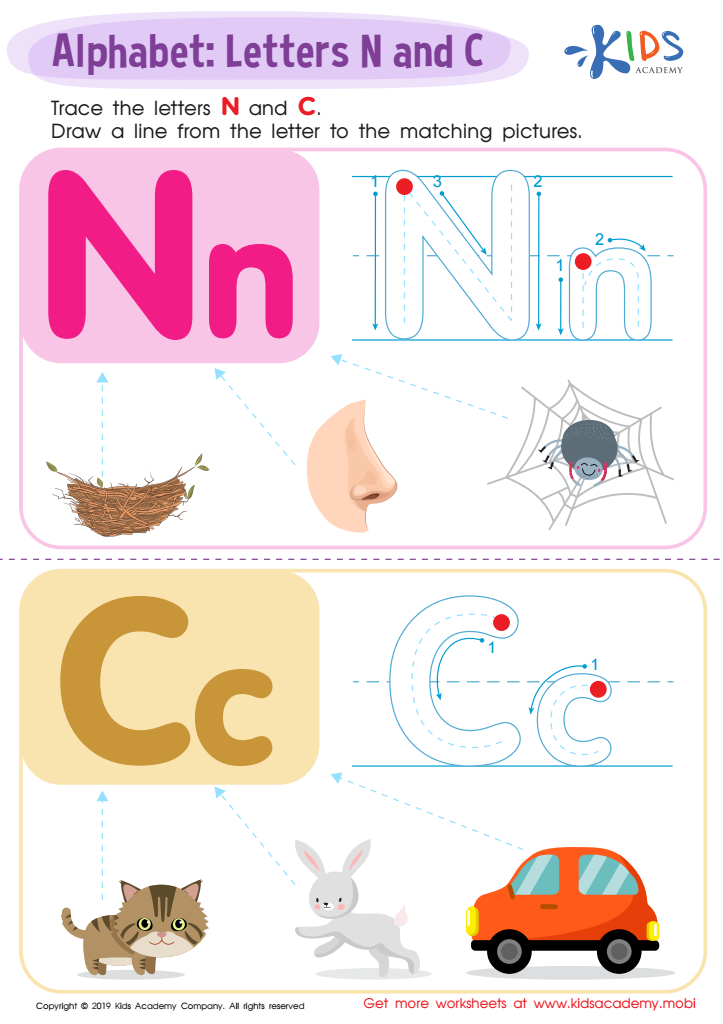
Letter N and C Tracing Worksheet
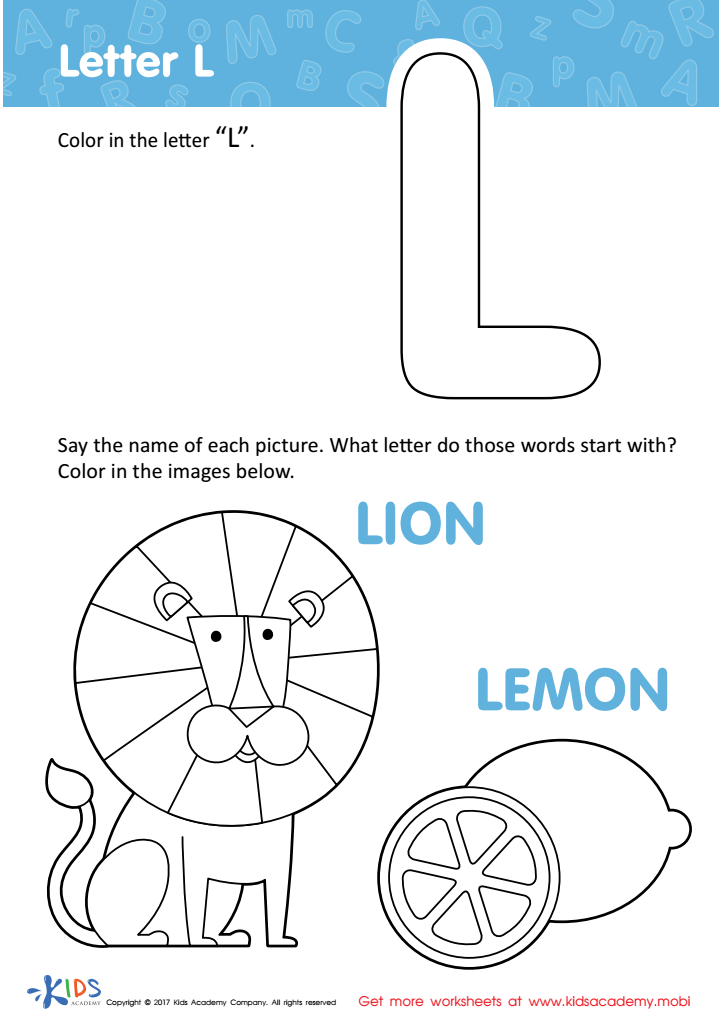
Letter L Coloring Sheet
Assign to My Students
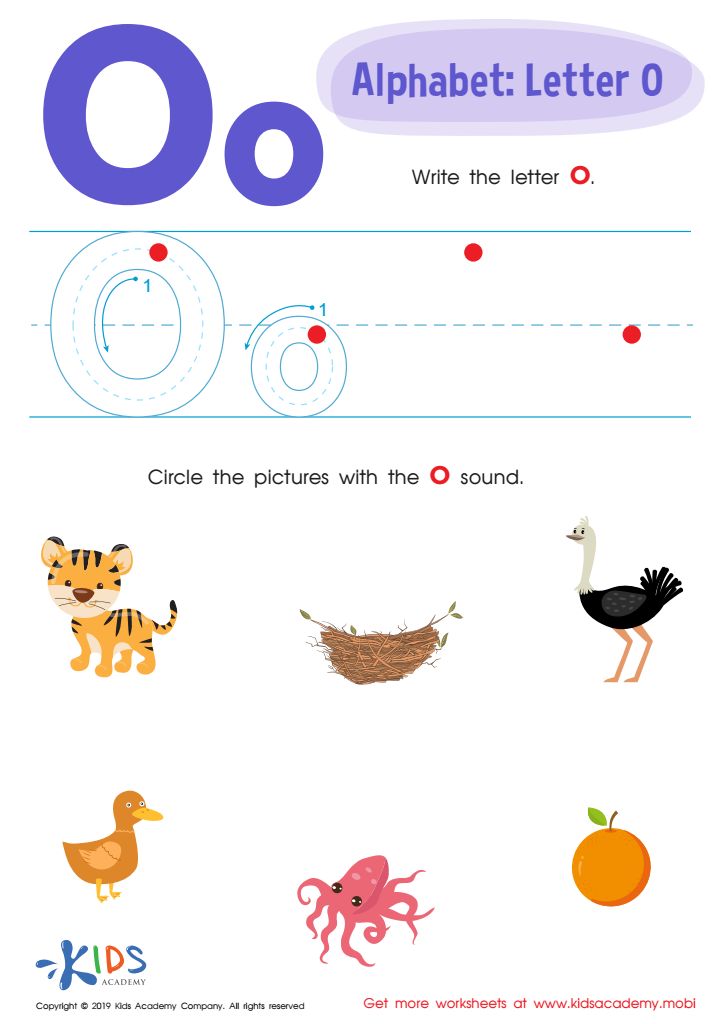
Letter O Tracing Worksheet
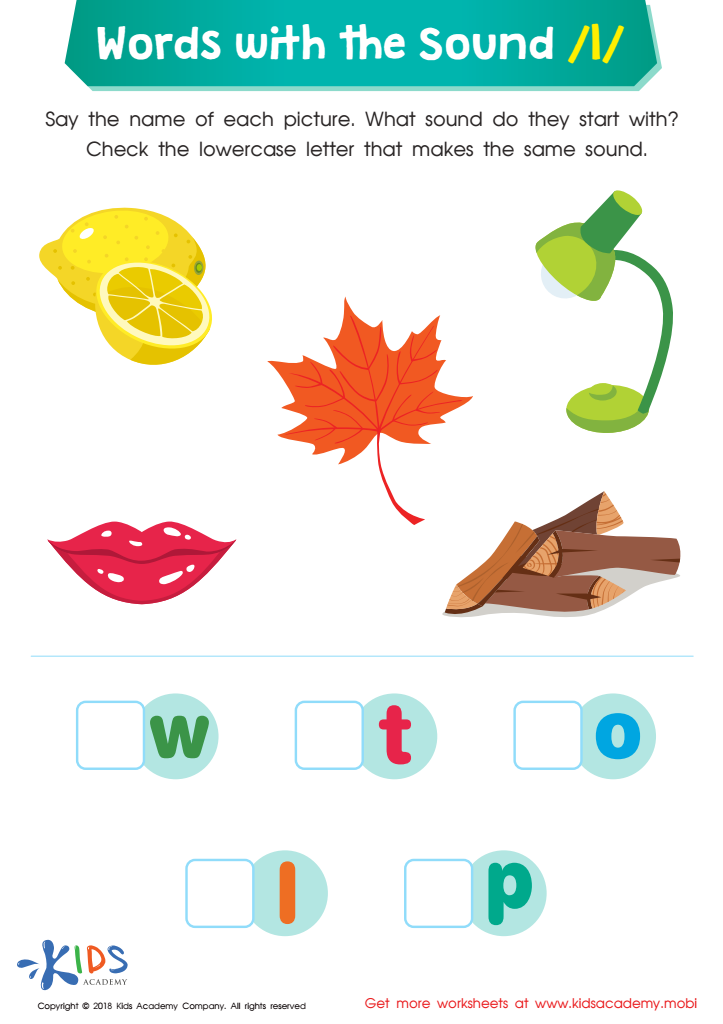
Words with Sound L Reading Worksheet
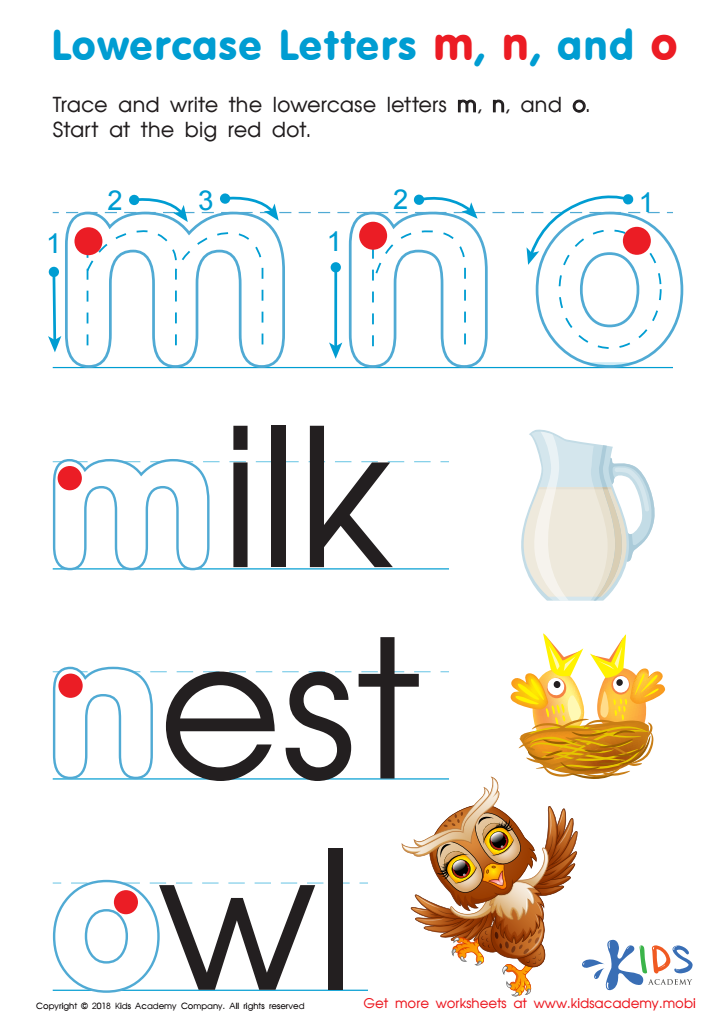
Lowercase Letters m n o Worksheet
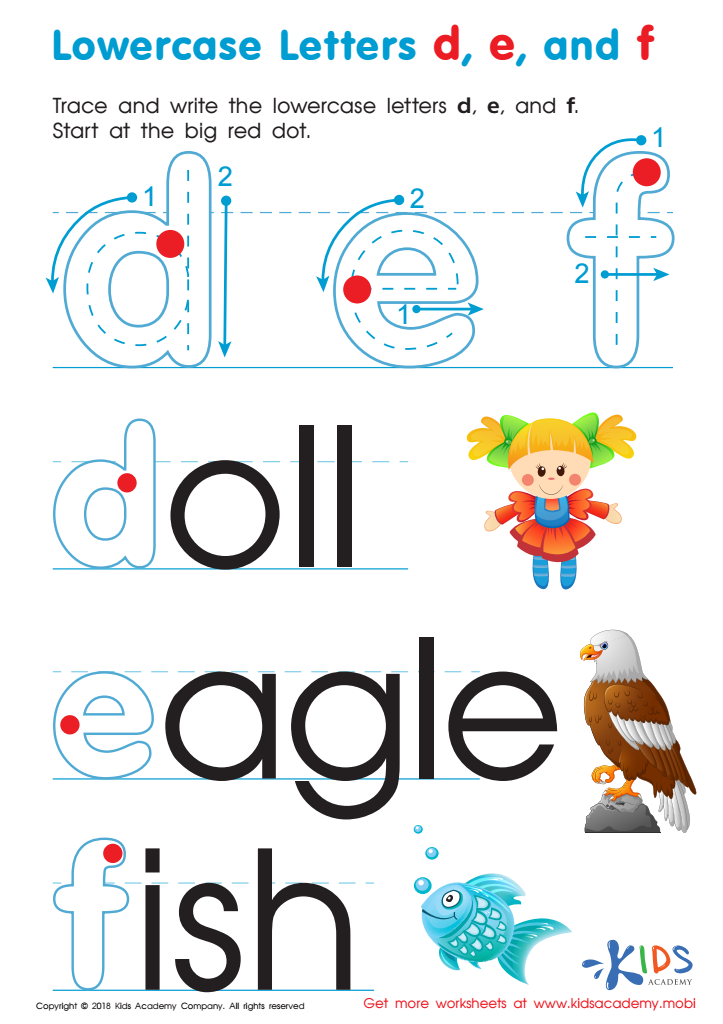
Lowercase Letters d e f Worksheet
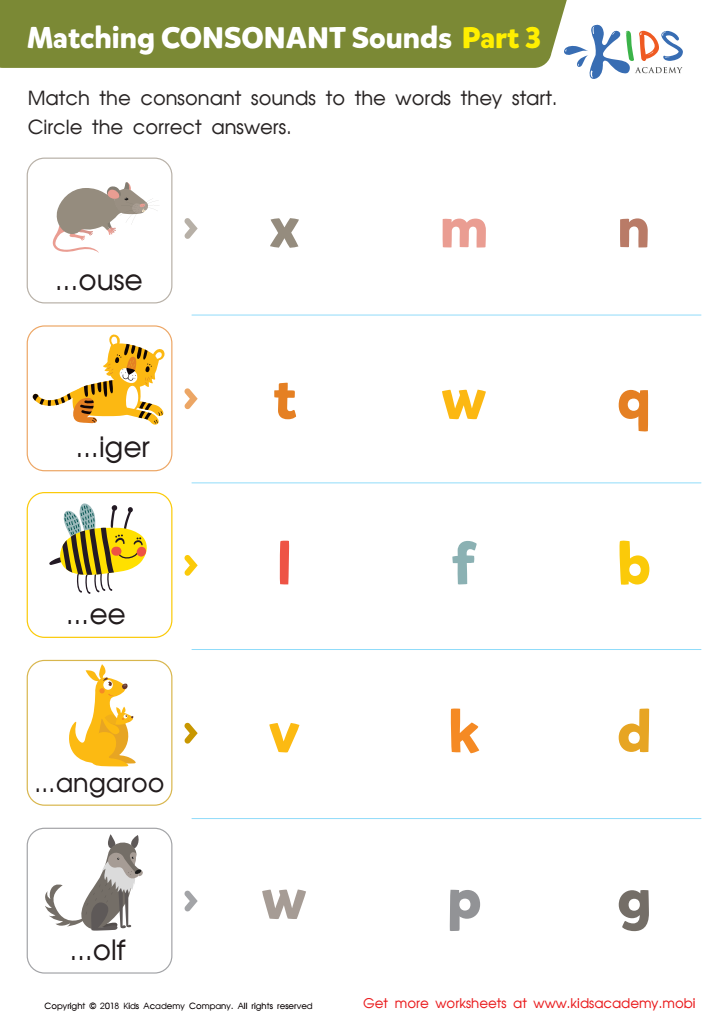
Matching Consonant Sounds: Part 3 Worksheet
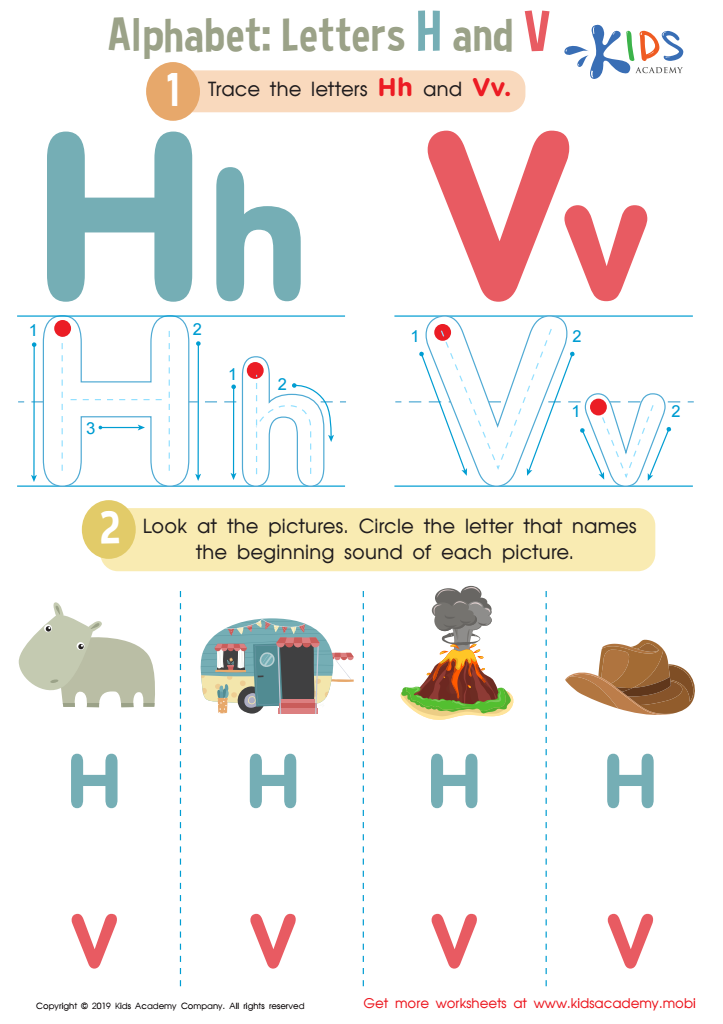
Letters H and V Tracing Worksheet








Letter-sound association is a foundational skill in early childhood literacy that plays a crucial role in kindergarten education. Understanding the relationship between letters and their associated sounds is essential for young learners as they begin to read and write. Parents and teachers should care about this concept for several reasons.
Firstly, letter-sound associations help children develop phonemic awareness, which is the ability to hear, identify, and manipulate individual sounds in words. This skill is vital for decoding words during reading, enabling children to sound out unfamiliar words, improving their reading fluency and comprehension.
Secondly, recognizing letter-sound relationships supports early writing skills. As children learn to connect sounds with letters, they can begin to express their thoughts through writing, enhancing their communication skills.
Moreover, strong letter-sound recognition contributes to a child's overall confidence in literacy. When children feel confident in their reading and writing abilities, they are more likely to enjoy literacy activities, fostering a lifelong love for reading.
Overall, supporting letter-sound association in kindergarten not only lays the groundwork for academic success but also encourages a positive attitude towards learning, empowering children to become proficient readers and writers. Engaging in playful and interactive activities focused on this skill at home or in the classroom can significantly enhance children's literacy development.