Letter Tracing Practice Kindergarten Alphabet Worksheets
6 filtered results
-
From - To
Enhance your child's writing skills with our engaging "Letter Tracing Practice Kindergarten Alphabet Worksheets." Perfectly tailored for young learners, these printable worksheets offer a fun and effective way to learn the alphabet. Each page features large, easy-to-trace letters guiding children's hands to form each character correctly. Packed with adorable illustrations and clear instructions, these worksheets maintain the attention and interest of kindergarteners. Ideal for both classroom and at-home practice, they help improve fine motor skills and letter recognition. Unlock your child's full writing potential with our expertly designed tracing practices that make learning enjoyable and rewarding!
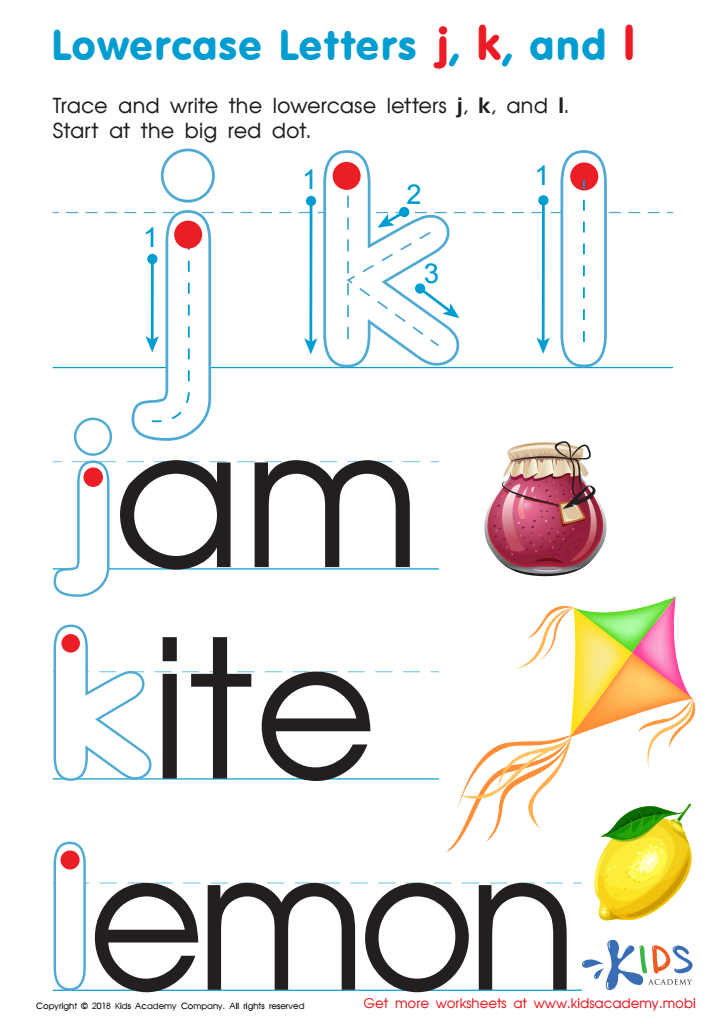
Lowercase Letters j k l Worksheet
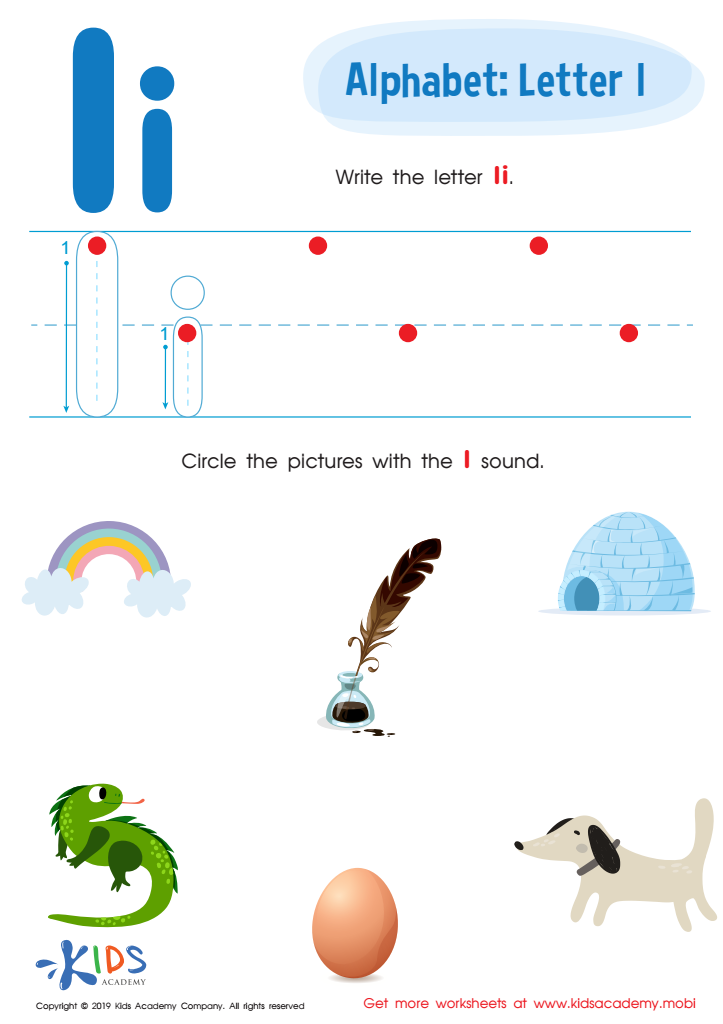
Letter I Tracing Worksheet
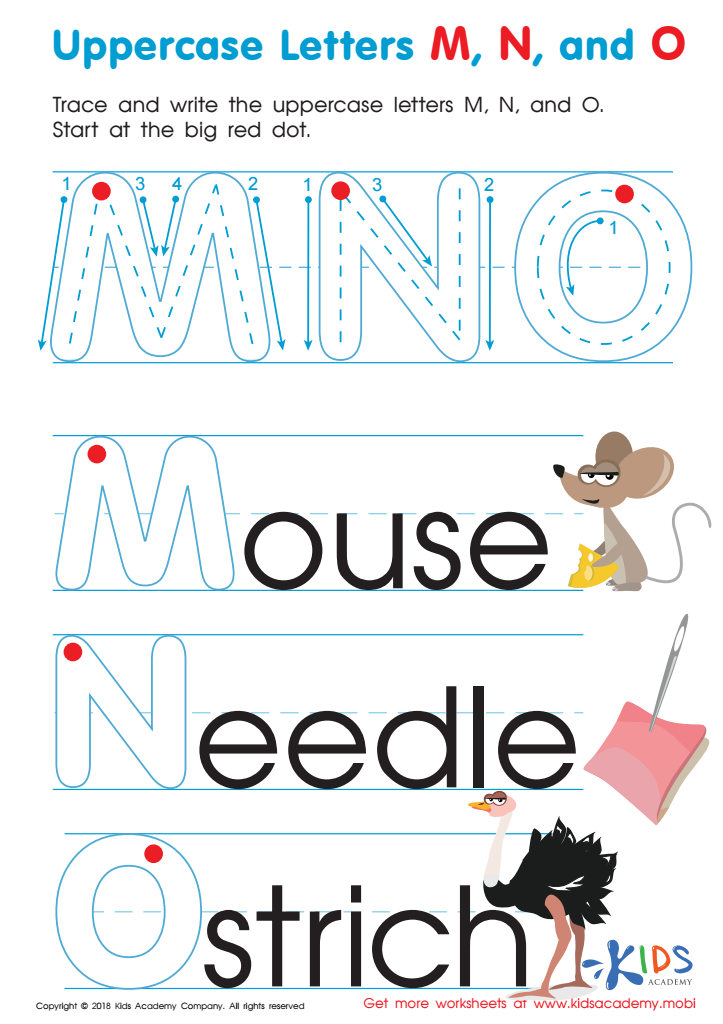
Uppercase Letters M, N, and O Worksheet
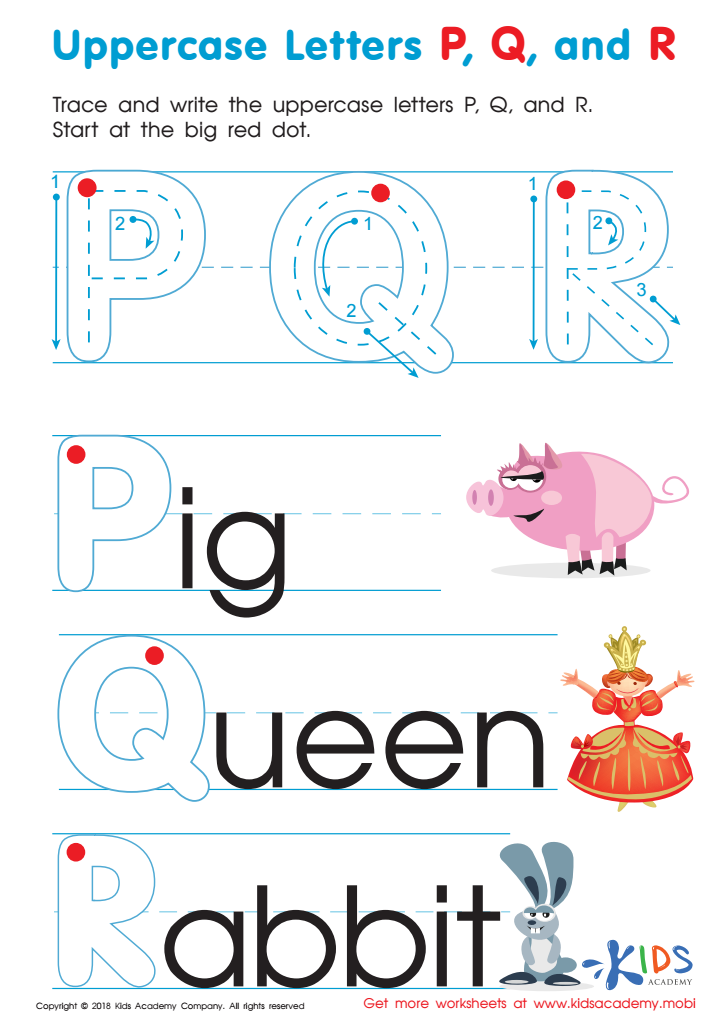
Uppercase Letters P, Q, and R Worksheet
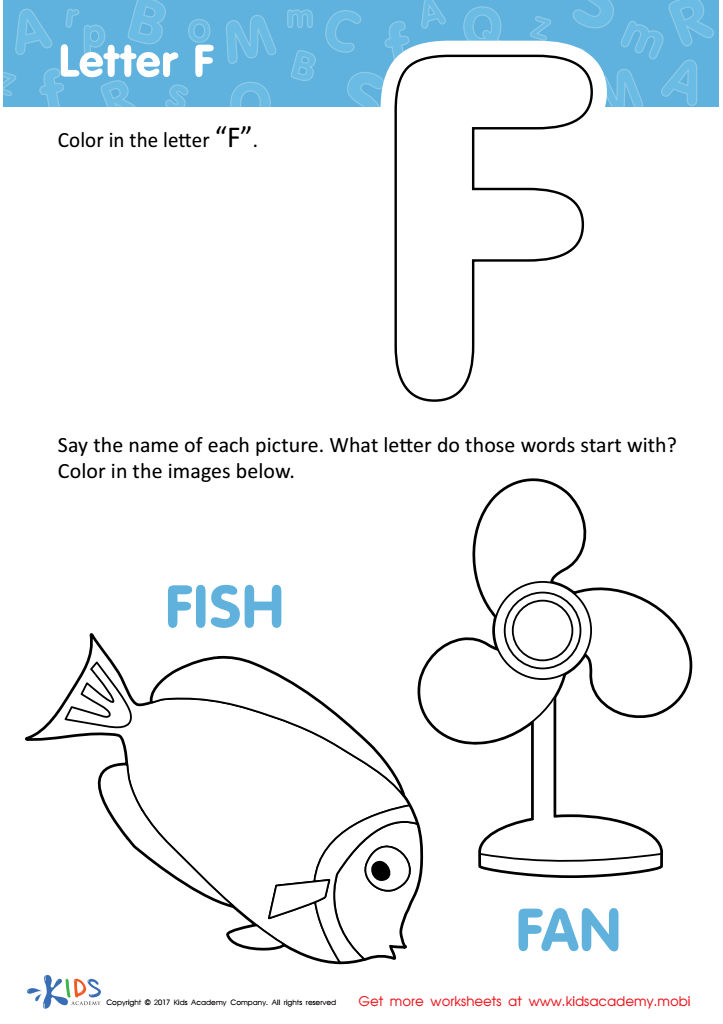
Letter F Coloring Sheet
 Assign to My Students
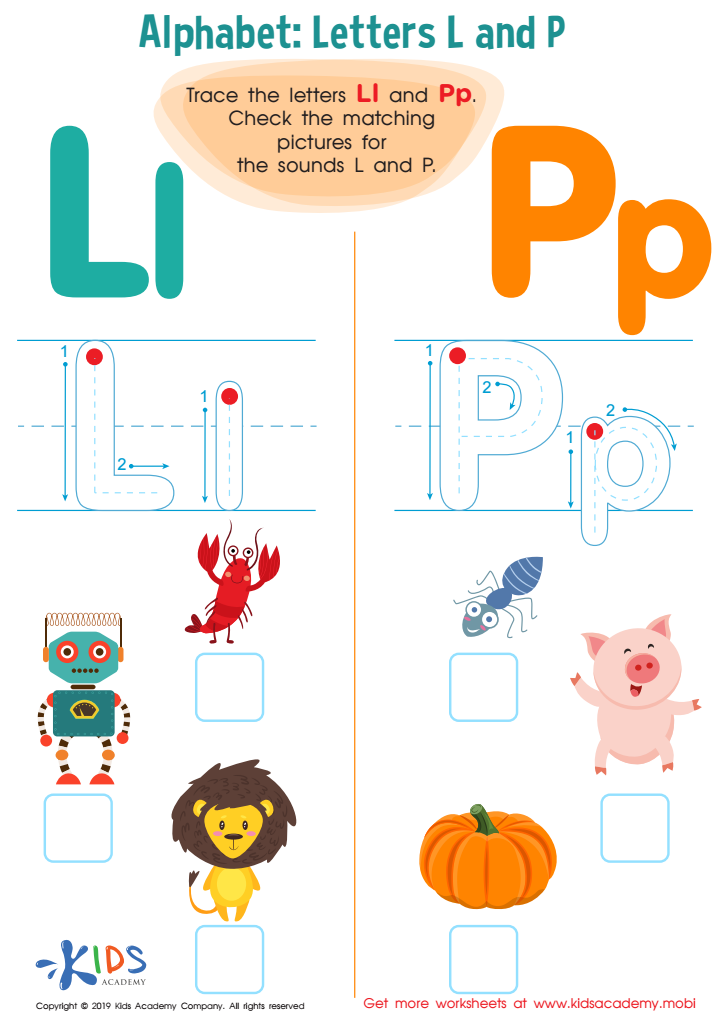
Letter L and P Tracing Worksheet








Parents and teachers should prioritize Letter Tracing Practice for Kindergarten Alphabet because it forms the foundation of early literacy and fine motor skills development in young children. Letter tracing is a critical first step in learning to write and recognize the letters of the alphabet, which are essential skills for reading and writing proficiency later in life.
Through practicing tracing, children develop hand-eye coordination and the fine motor control necessary for manipulating writing instruments. These activities strengthen the small muscles in their hands and fingers, enhancing their ability to write legibly and with endurance. Additionally, tracing letters helps children learn the correct formation and structure of each letter, promoting proper writing habits from an early age.
Moreover, letter tracing activities can also boost a child's confidence. Mastery of these fundamental skills provides a sense of accomplishment and encourages a positive attitude toward learning. Engaging in these practices fosters early educational success, setting the stage for future academic achievements.
Finally, incorporating fun and interactive letter tracing exercises can make learning enjoyable, keeping children engaged and attentive. The combined benefits of well-developed fine motor skills, proper letter formation, boosted confidence, and a love for learning illustrate why Letter Tracing Practice is indispensable in early childhood education.