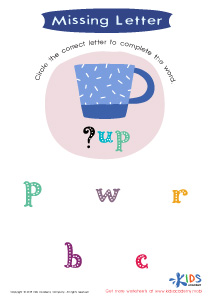
Motor skills development Kindergarten Alphabet Worksheets
5 filtered results
-
From - To
Enhance your child's motor skills development with our engaging Kindergarten Alphabet Worksheets! Designed specifically for young learners, these worksheets integrate fun and interactive activities that promote fine motor skills while introducing the alphabet. From tracing letters to colorful illustrations, children will improve their hand-eye coordination and dexterity as they explore the world of letters. Parents and educators can easily access and print these educational resources, making learning both effective and enjoyable. Perfect for home or classroom use, our worksheets ensure that your little ones build a strong foundation in language skills while developing essential motor skills they need for everyday tasks.
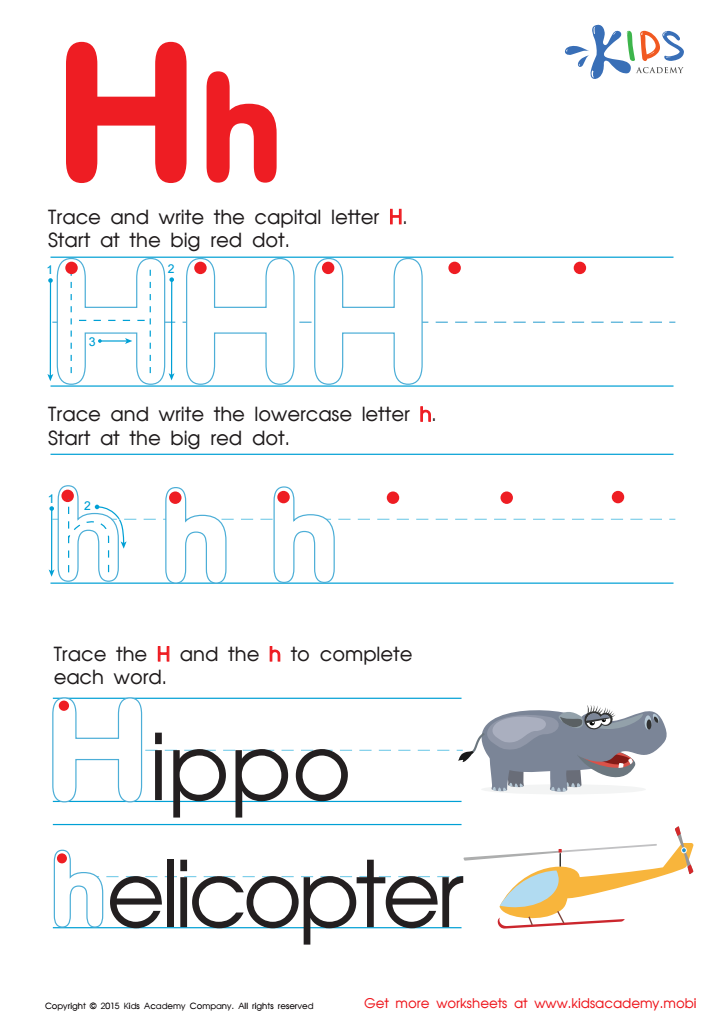
Letter H Tracing Page
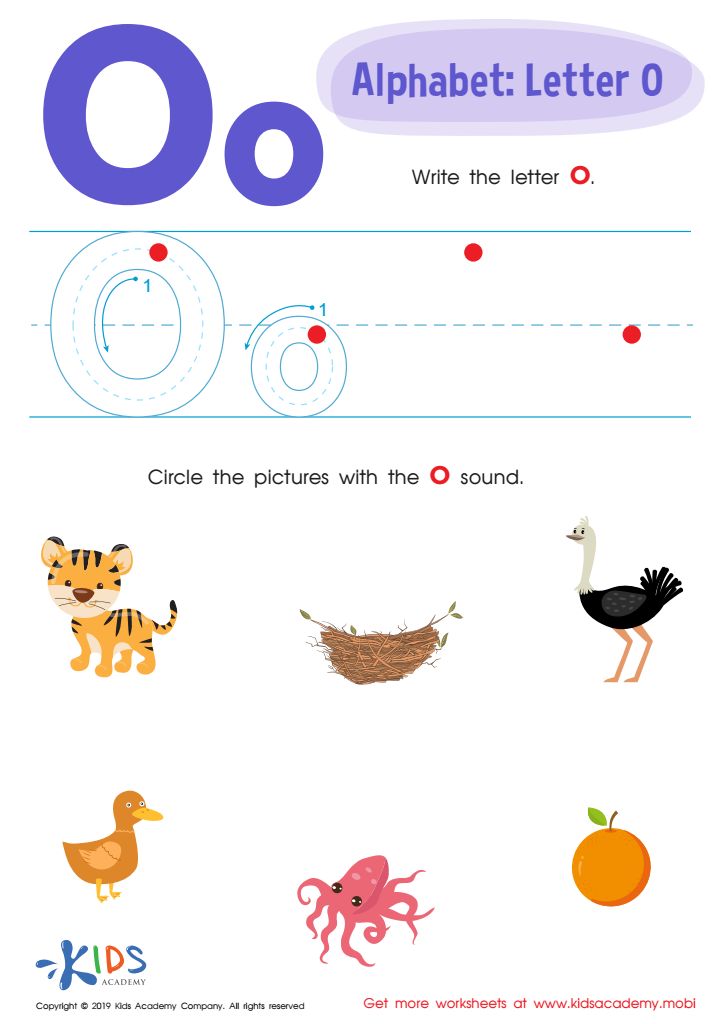
Letter O Tracing Worksheet
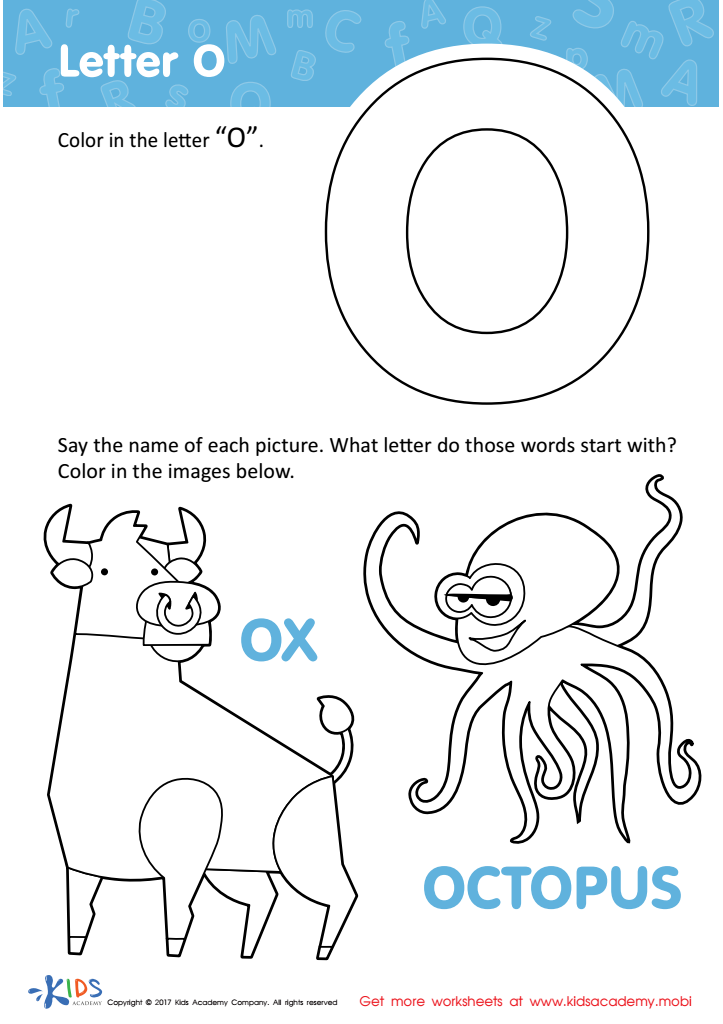
Letter O Coloring Sheet
 Assign to My Students
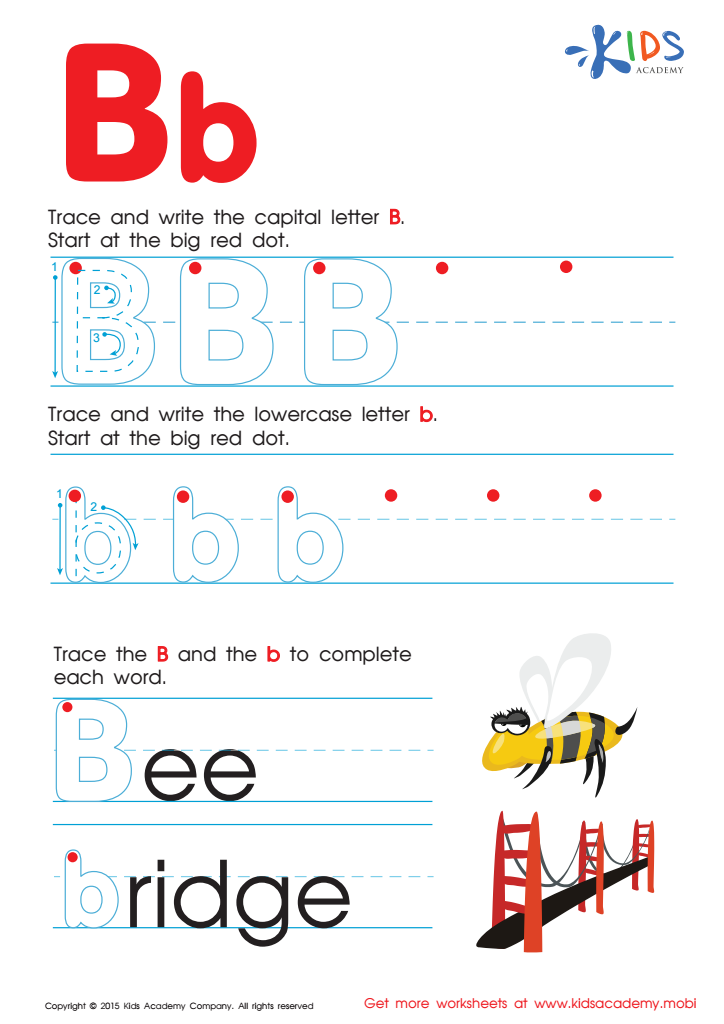
Letter B Tracing Page
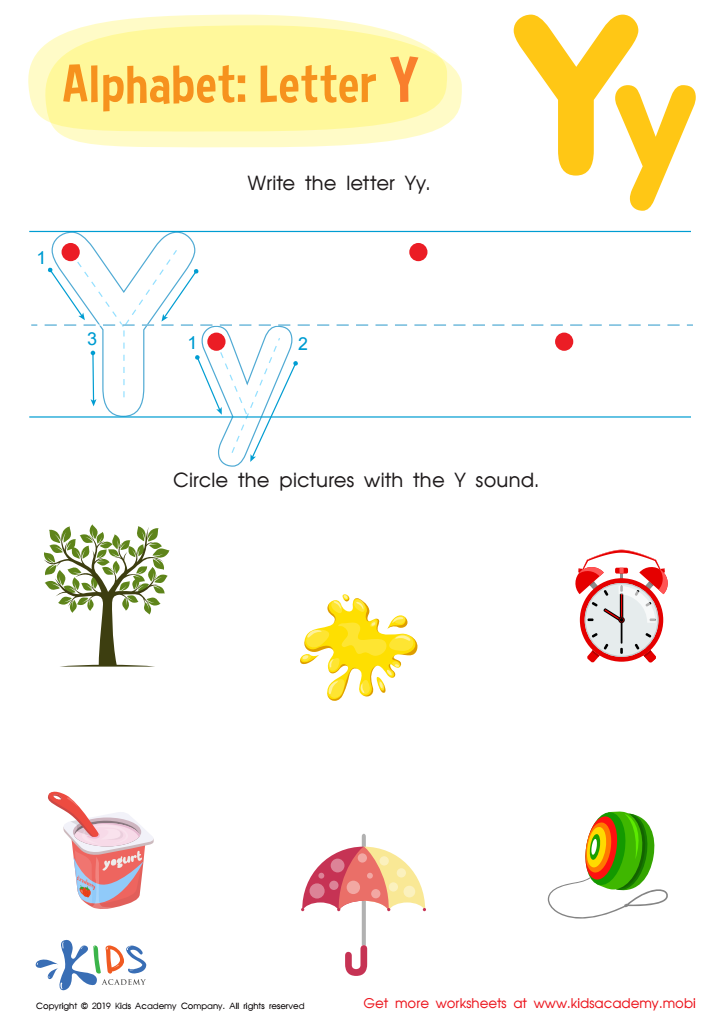
Letter Y Tracing Worksheet








Motor skills development in kindergarten is crucial for young children's overall growth, and it directly impacts their ability to learn the alphabet. Firstly, fine motor skills, such as grasping a pencil, cutting with scissors, and manipulating small objects, are essential for writing and letter formation. When children practice these skills, they're not just improving hand-eye coordination; they're also preparing to successfully engage in literacy activities that require accuracy and control.
Gross motor skills, which involve larger movements like running, jumping, or balancing, also play a vital role in a child's ability to focus and maintain attention during learning tasks. Physical activity enhances brain function, aiding memory and learning capabilities. By cultivating motor skills early on, children feel more confident and competent in their abilities—which translates to a positive attitude toward learning the alphabet and other foundational concepts.
Additionally, parents and teachers can promote social skills through motor activities. Collaborative games or group tasks help children learn to work together, enhancing communication skills. Strong motor skills form the backbone of skill sets that are essential for academic success, making it imperative for caregivers to invest attention in fostering this essential aspect of early childhood development.