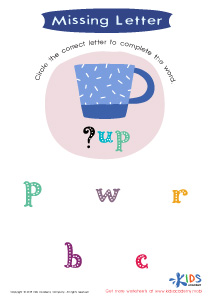
Visual discrimination Kindergarten Alphabet Worksheets
5 filtered results
-
From - To
Enhance your child’s learning journey with our Visual Discrimination Kindergarten Alphabet Worksheets! Designed specifically for young learners, these worksheets strengthen visual recognition skills alongside letter awareness. Each activity promotes careful observation and comparison, helping children to distinguish between similar letters and images. Perfect for reinforcing foundational literacy skills, these worksheets feature a variety of engaging tasks, from spotting differences to tracing letters, ensuring a fun and educational experience. Children will boost their confidence as they recognize and interact with the alphabet in an enjoyable way. Explore our collection today to support your child's early literacy development and set them up for success!
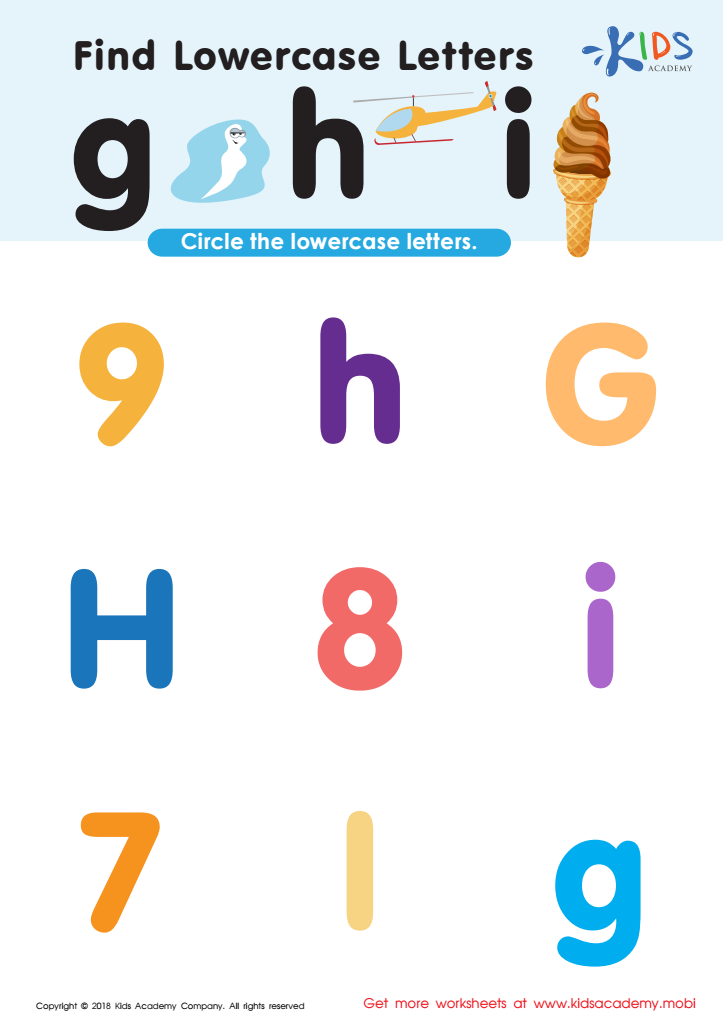
Find Lowercase Letters g h i Worksheet
 Assign to My Students
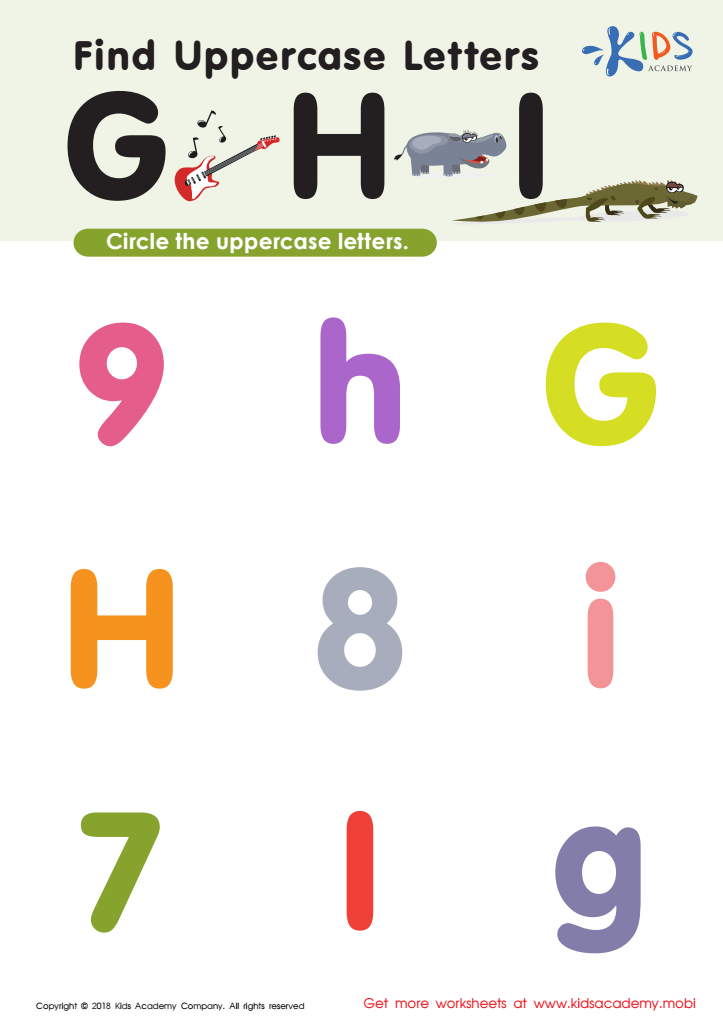
Find Uppercase Letters G, H, and I Worksheet
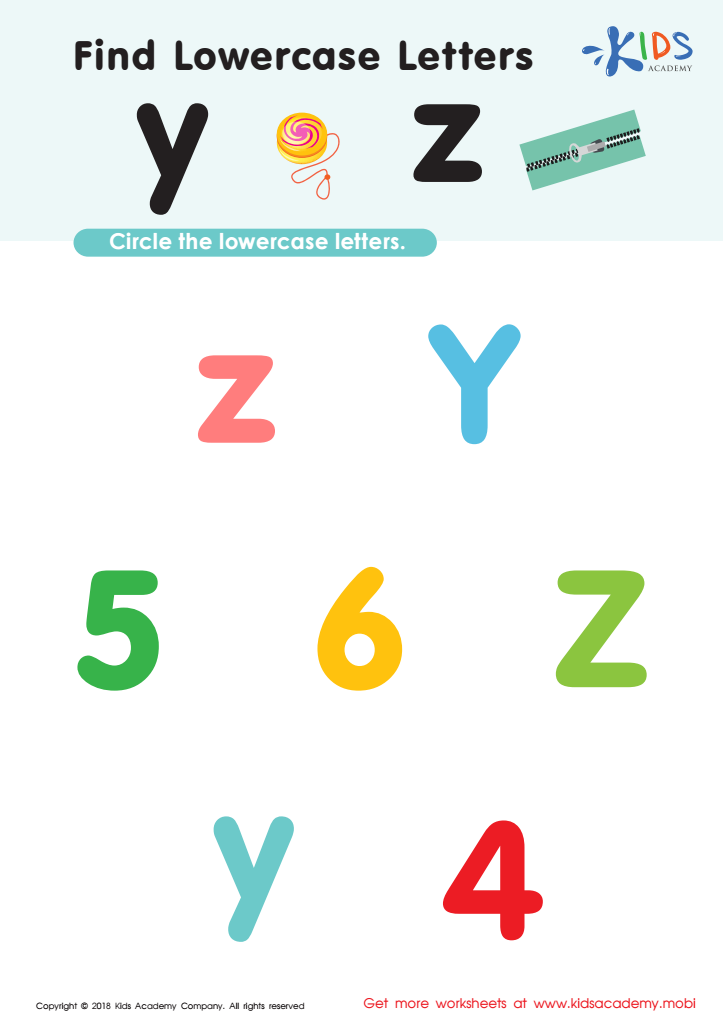
Find Lowercase Letters y z Worksheet
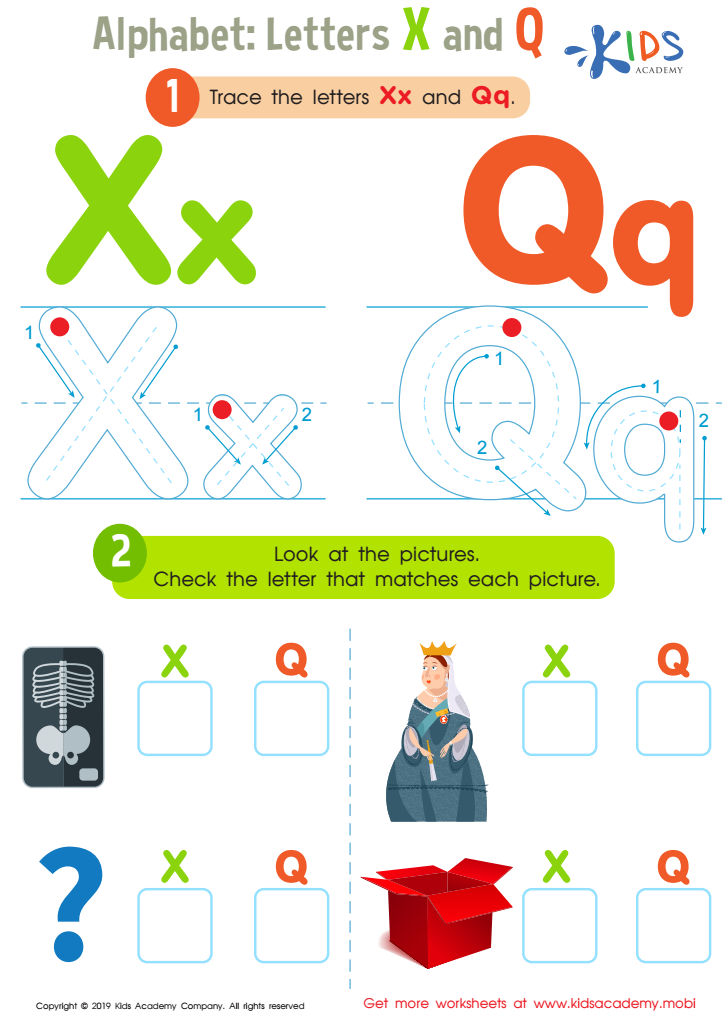
Letters X and Q Tracing Worksheet
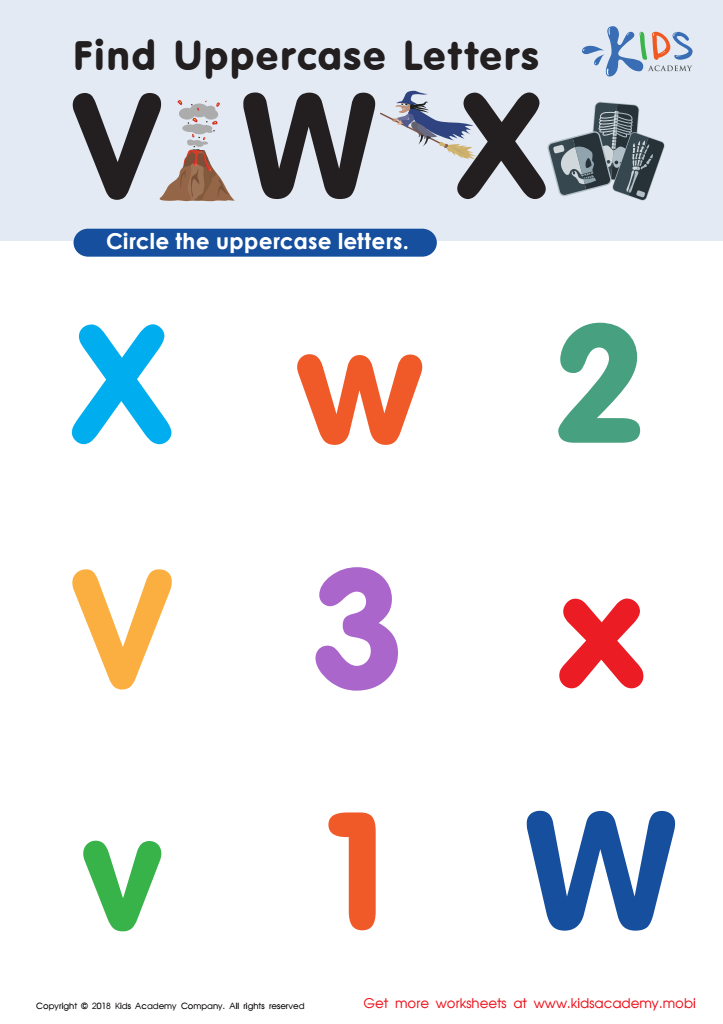
Find Uppercase Letters V, W, X Worksheet








Visual discrimination is a crucial skill for young children, especially in kindergarten, as it lays the foundation for reading and writing. This ability enables children to differentiate between similar shapes, colors, and letters, which is essential when they encounter the alphabet. For example, recognizing the difference between the letters "b" and "d" can significantly impact a child’s ability to read and spell effectively.
Parents and teachers should care about visual discrimination in the context of the alphabet because strong visual discrimination skills can lead to improved literacy development. Children who can easily identify and differentiate letters are more likely to excel in early reading skills, subsequently enhancing their overall academic performance.
Moreover, fostering visual discrimination promotes confidence in children, as they become more capable readers and writers. Engaging in activities that develop this skill, such as sorting letters, playing matching games, or using visuals like alphabet flashcards, can enhance children's cognitive abilities while making learning enjoyable.
In conclusion, by prioritizing visual discrimination for the kindergarten alphabet, parents and teachers are equipping children with essential skills for lifelong learning, setting the stage for future academic success and a love for reading.