Handwriting practice Kindergarten Letter Recognition Worksheets - Page 2
39 filtered results
-
From - To
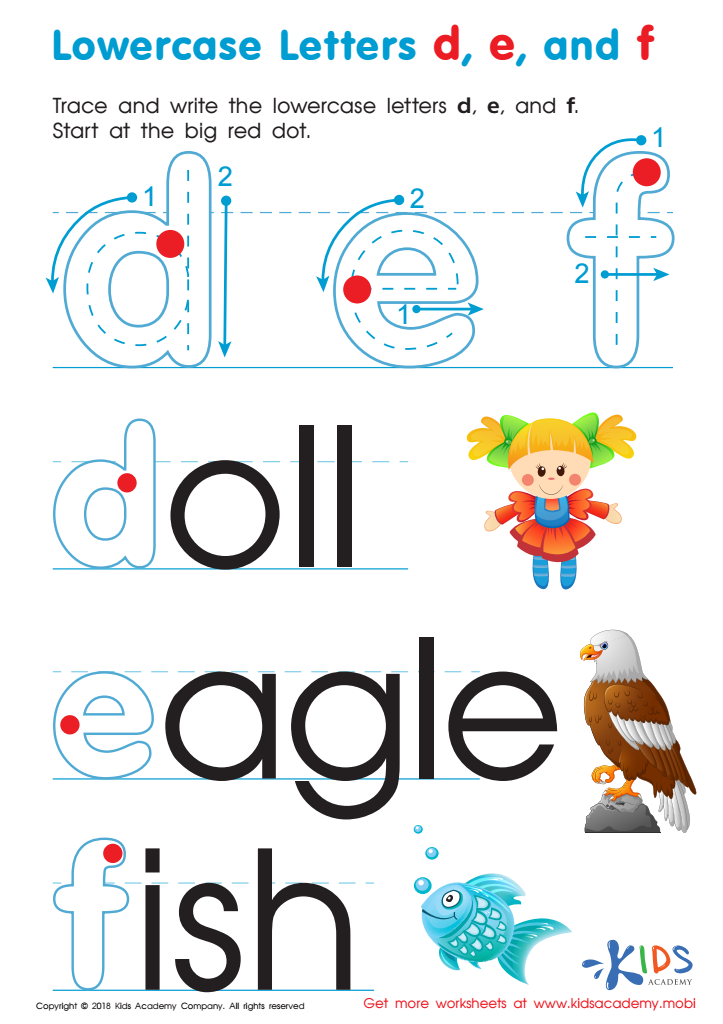
Lowercase Letters d e f Worksheet
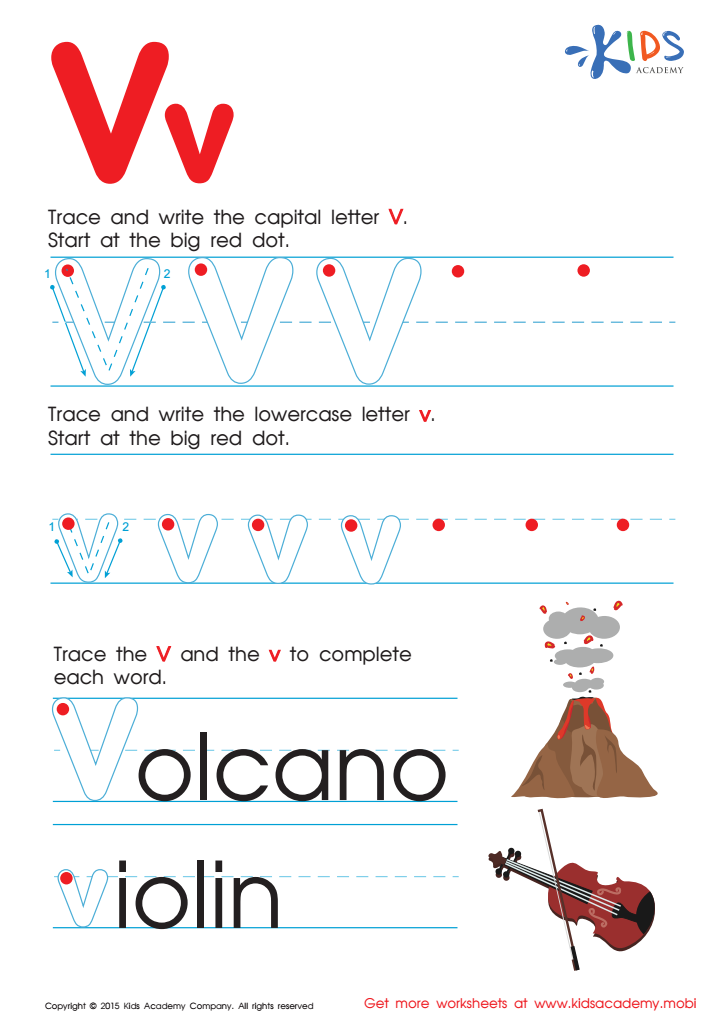
Letter V Tracing Page
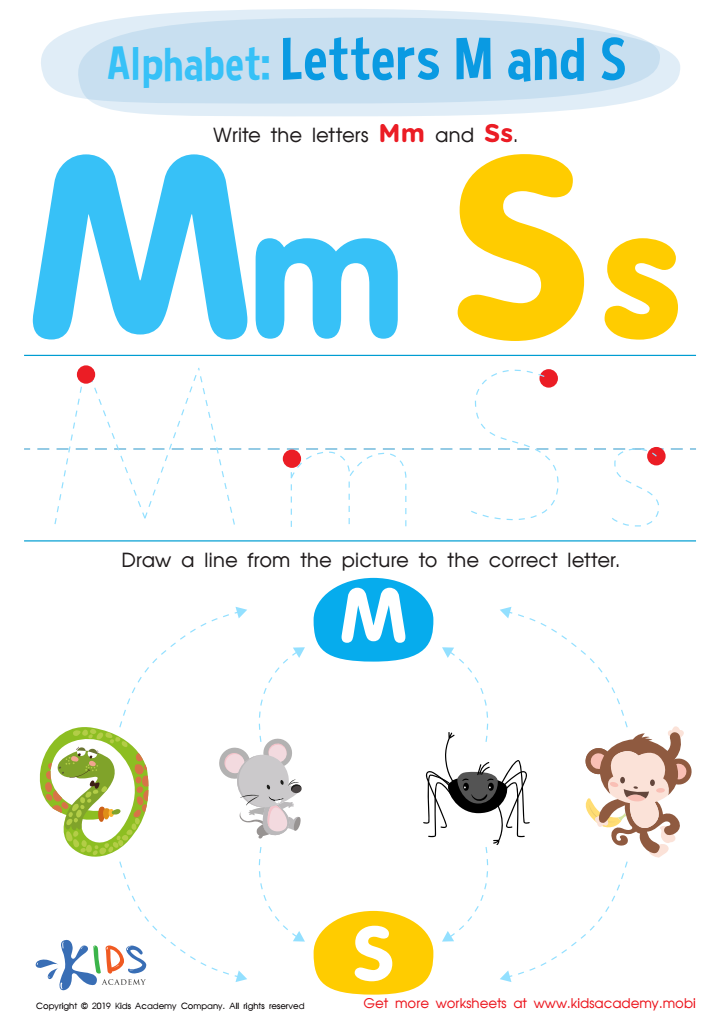
Letters M and S Tracing Worksheet
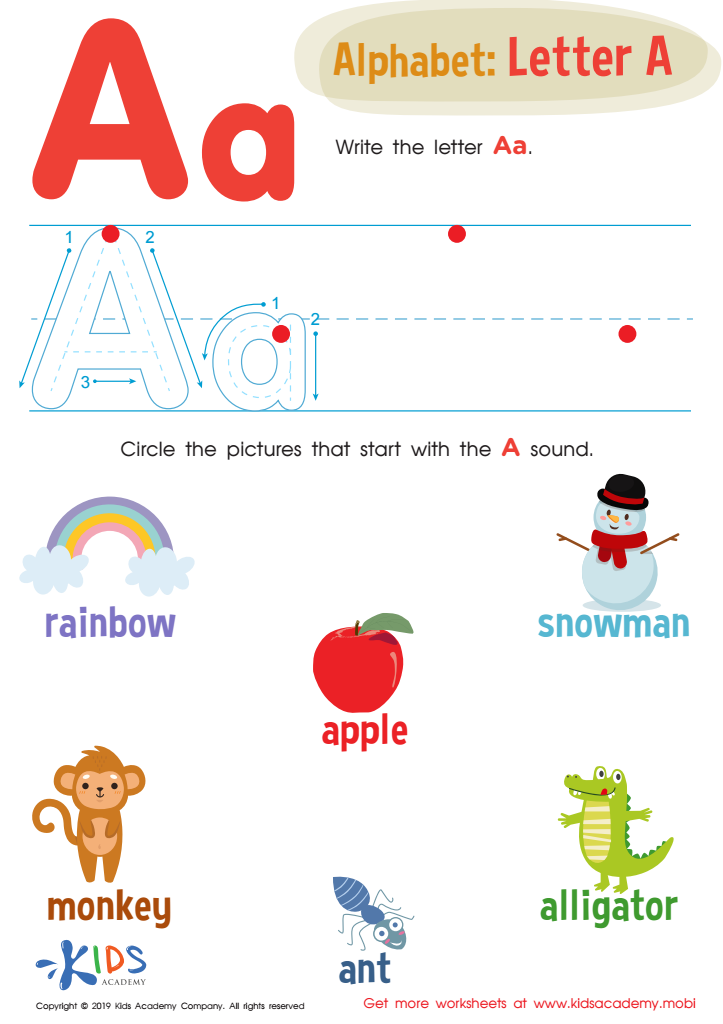
Letter A Tracing Worksheet
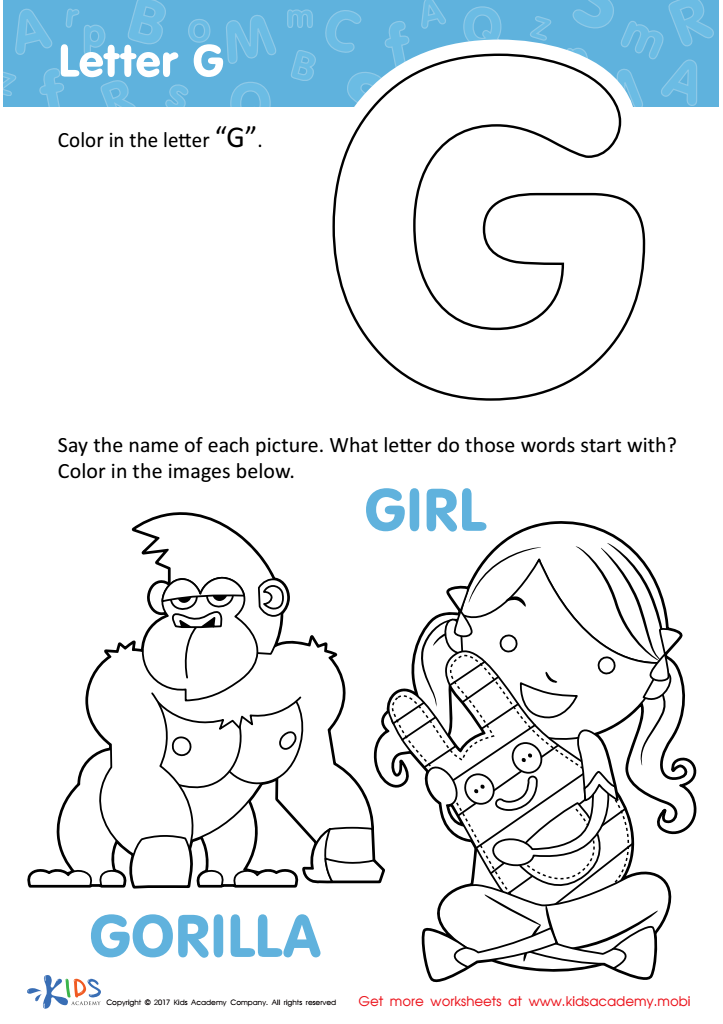
Letter G Coloring Sheet
 Assign to My Students
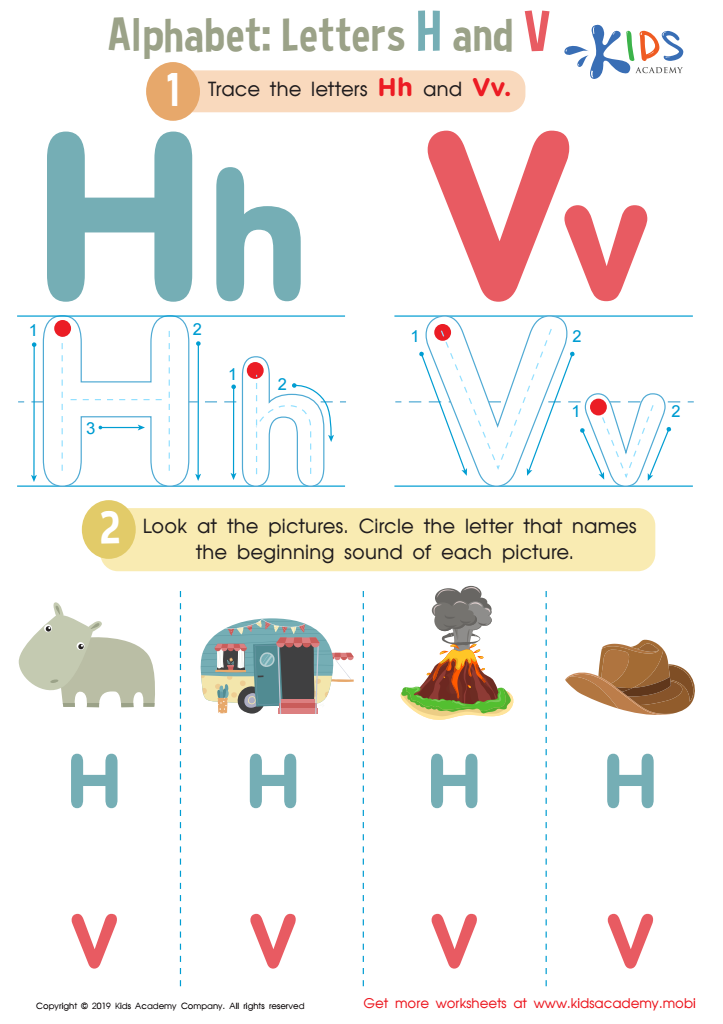
Letters H and V Tracing Worksheet
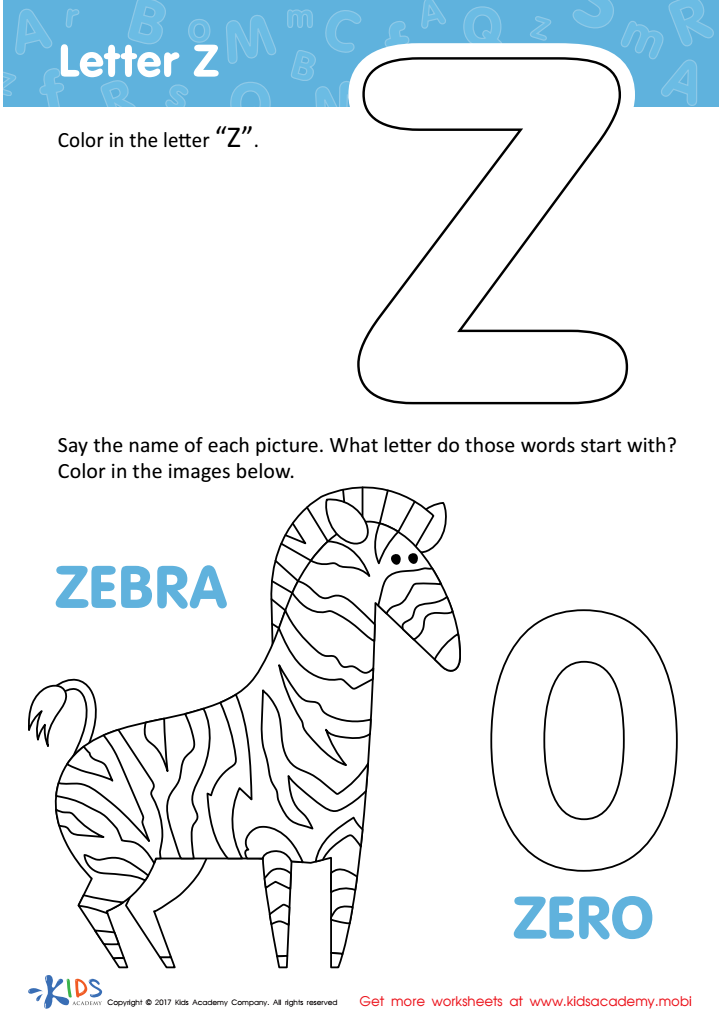
Letter Z Coloring Sheet
Assign to My Students
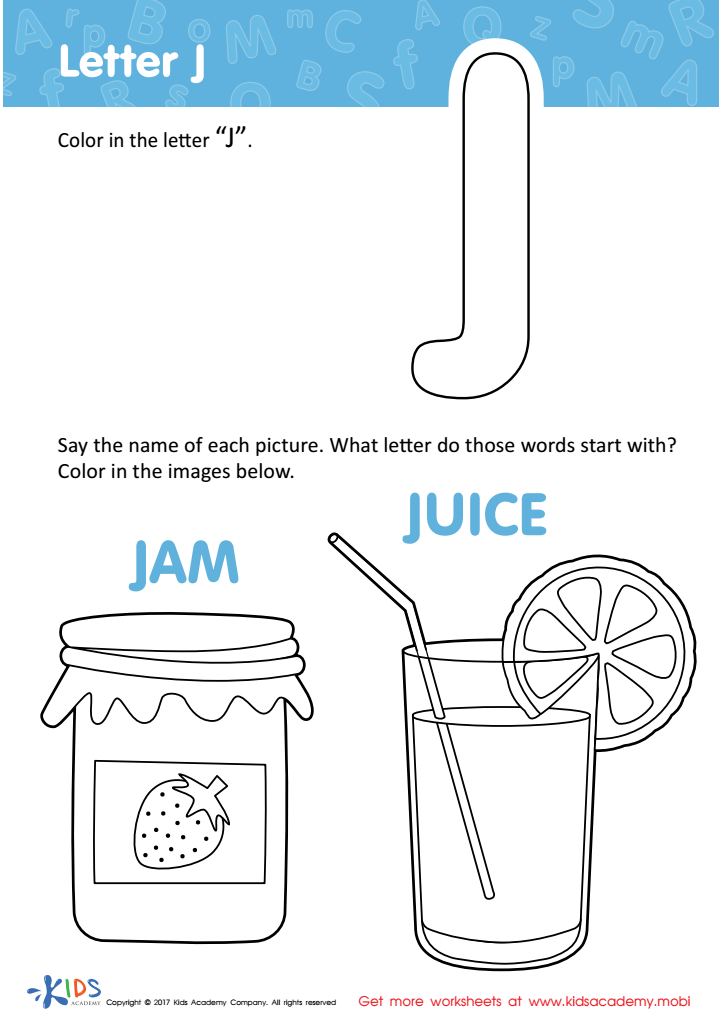
Letter J Coloring Sheet
Assign to My Students
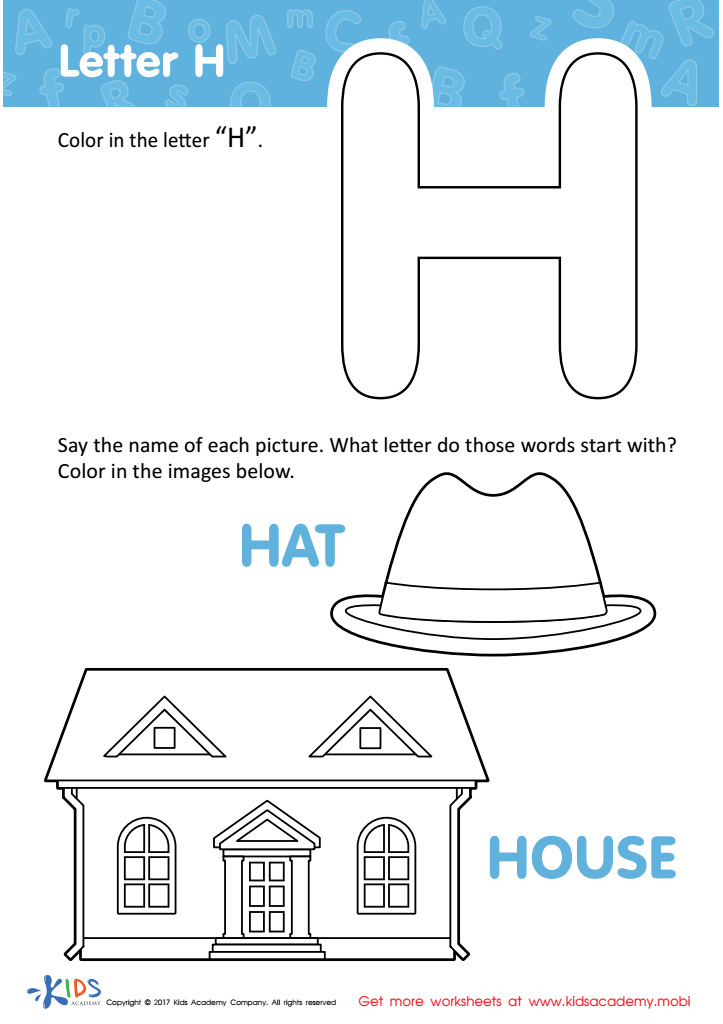
Letter H Coloring Sheet
Assign to My Students
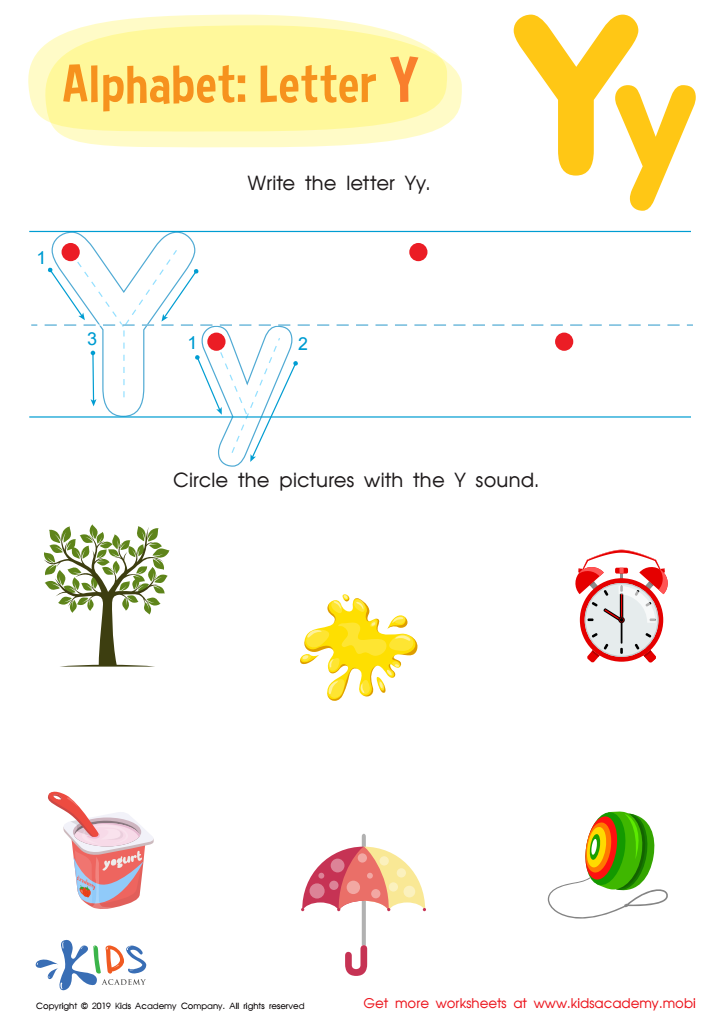
Letter Y Tracing Worksheet
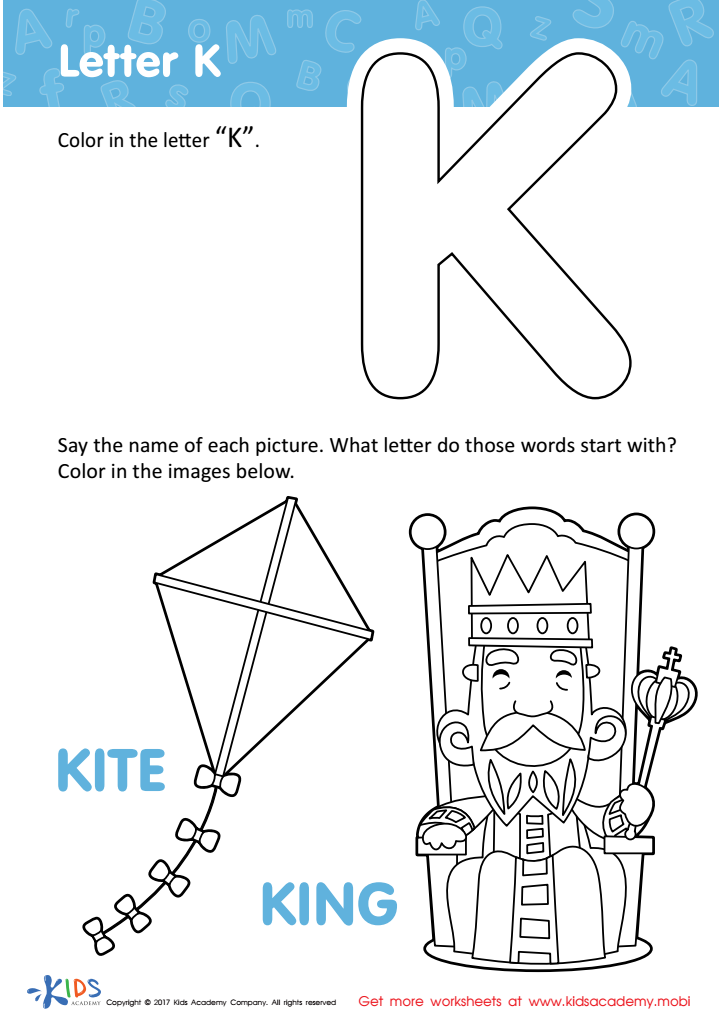
Letter K Coloring Sheet
Assign to My Students
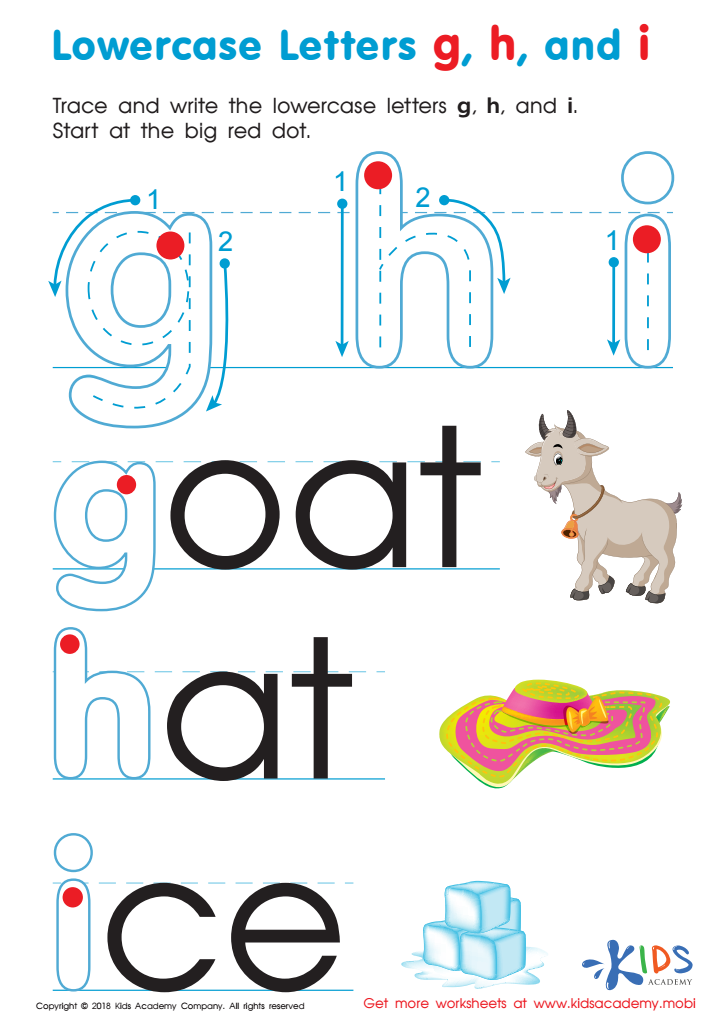
Lowercase Letters g h i Worksheet
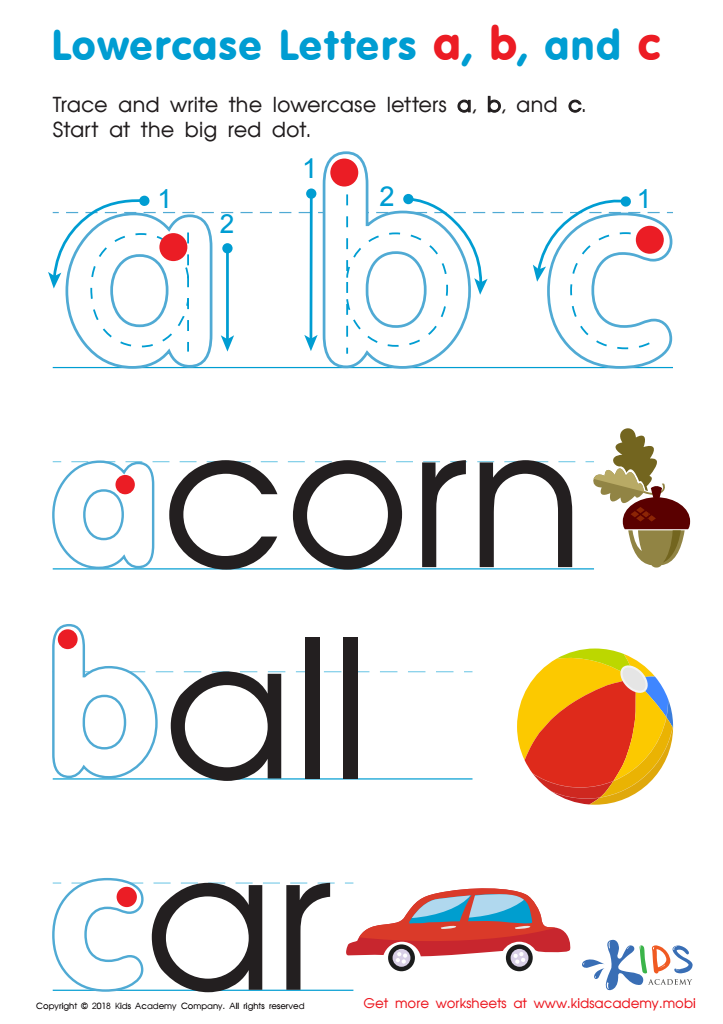
Lowercase Letters a b c Worksheet
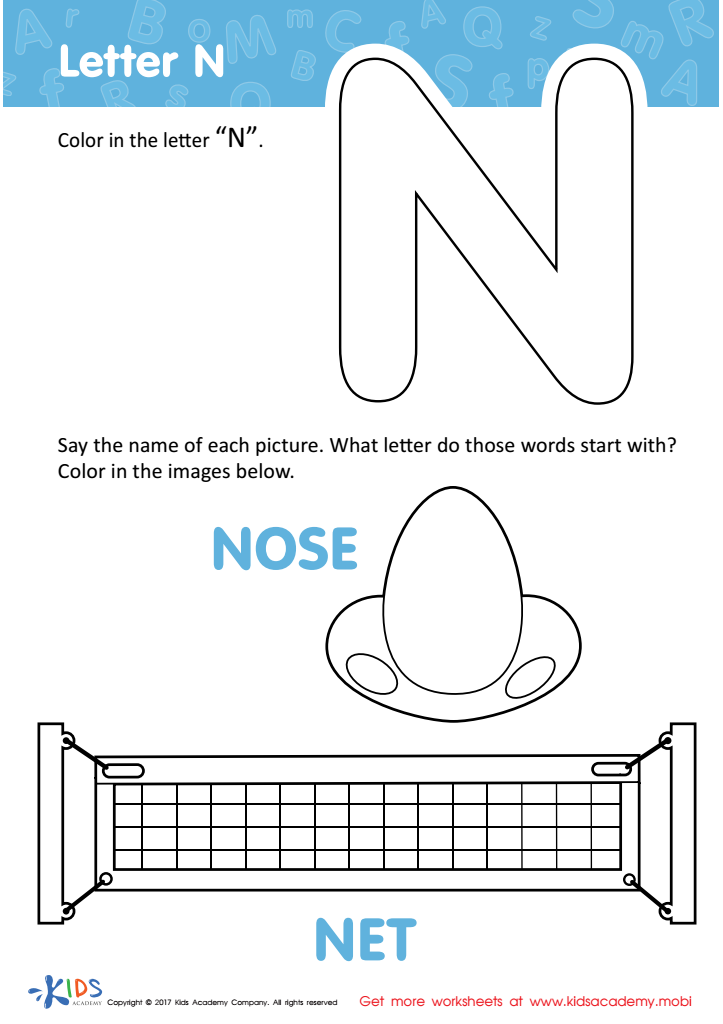
Letter N Coloring Sheet
Assign to My Students
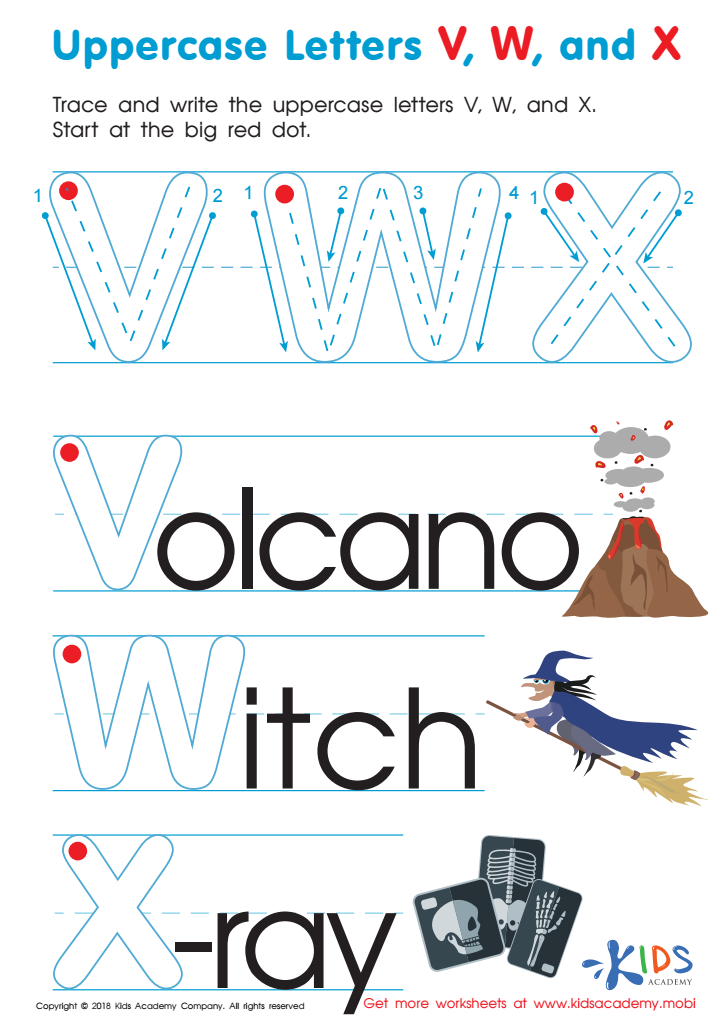
Uppercase Letters V, W, and X Worksheet






Handwriting practice and letter recognition in kindergarten are fundamental for early literacy development and play a crucial role in a child’s educational journey. Firstly, learning to recognize letters is vital for reading, as it forms the foundation for phonics and decoding skills. Children must identify letters to make the connection between written and spoken language, fostering their ability to read words and sentences.
Moreover, handwriting practice enhances fine motor skills, which are essential for children as they navigate various academic tasks. Developing muscle control through writing helps improve their ability to hold a pencil, manipulate art materials, and complete tasks involving hand-eye coordination.
Additionally, handwriting encourages cognitive processing; the act of writing reinforces memory by engaging multiple brain functions. It also builds self-confidence, as children take pride in mastering a new skill.
Teachers and parents should engage in fun and effective handwriting activities that incorporate letter recognition—such as play dough letters, tracing, or interactive games. These practices not only make learning enjoyable but also promote a successful transition into more advanced literacy skills. Overall, emphasizing handwriting practice and letter recognition in kindergarten forms a robust foundation for lifelong learning and communication.