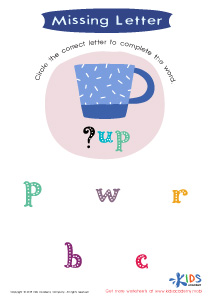
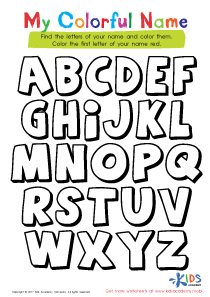
Visual discrimination skills Kindergarten Letter Recognition Worksheets
5 filtered results
-
From - To
Enhance your child's early learning journey with our "Visual Discrimination Skills Kindergarten Letter Recognition Worksheets." Designed for kindergarteners, these engaging worksheets help young learners develop essential visual discrimination skills crucial for letter recognition. By focusing on distinguishing between similar letters and identifying differences in shapes and forms, children will build a solid foundation for reading and writing. Our worksheets are colorful, fun, and easy to navigate, making them perfect for independent practice or guided learning. Available for free download, they are an excellent resource for parents and teachers looking to supplement classroom instruction and foster a love for learning in young minds!
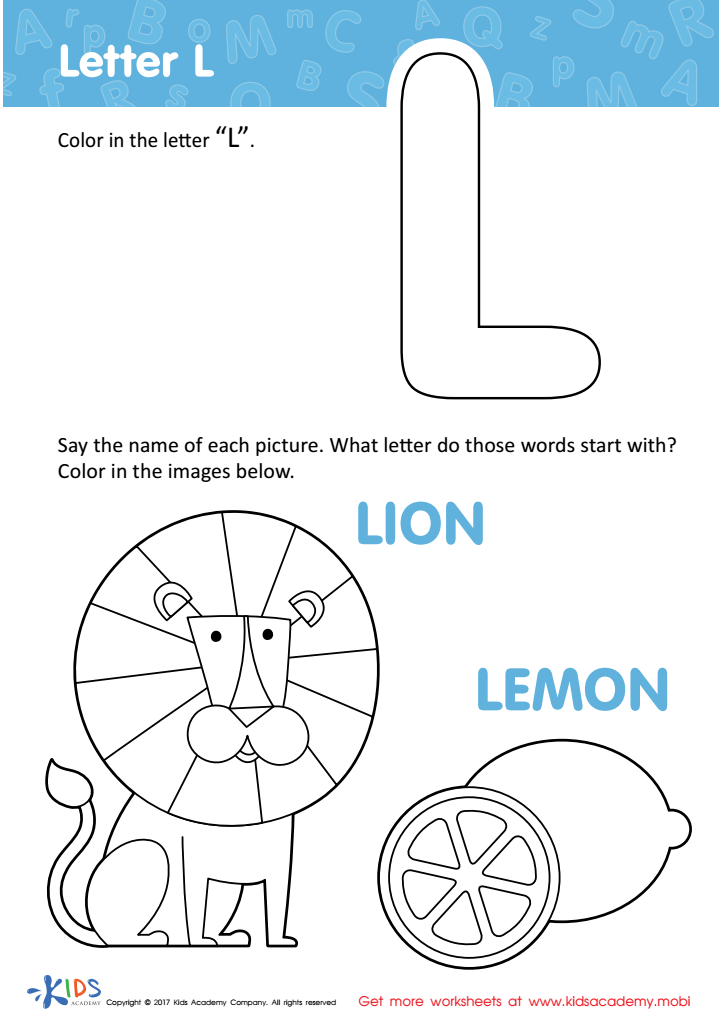
Letter L Coloring Sheet
 Assign to My Students
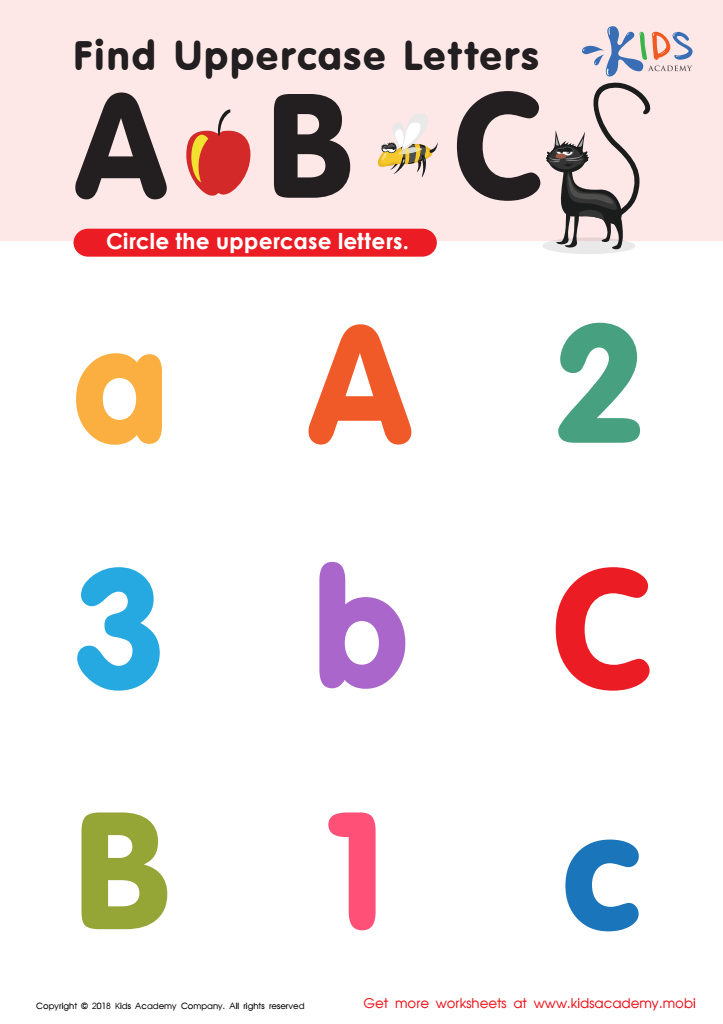
Find Uppercase Letters A, B, and C Worksheet
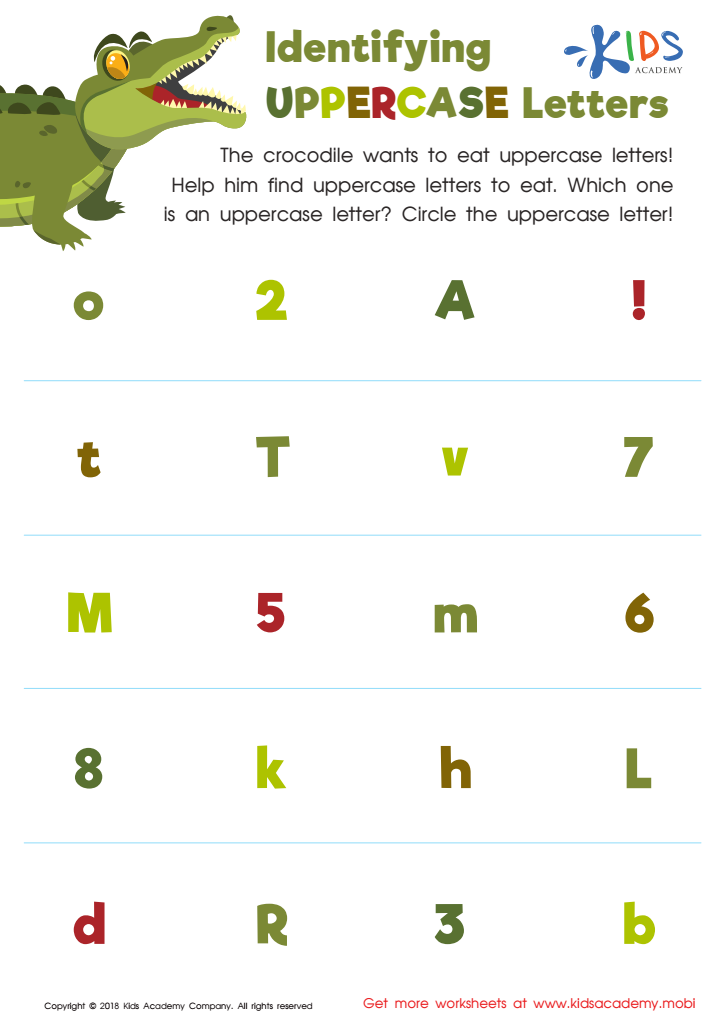
Identifying Uppercase Letters Worksheet

Find lowercase letters a b c Worksheet
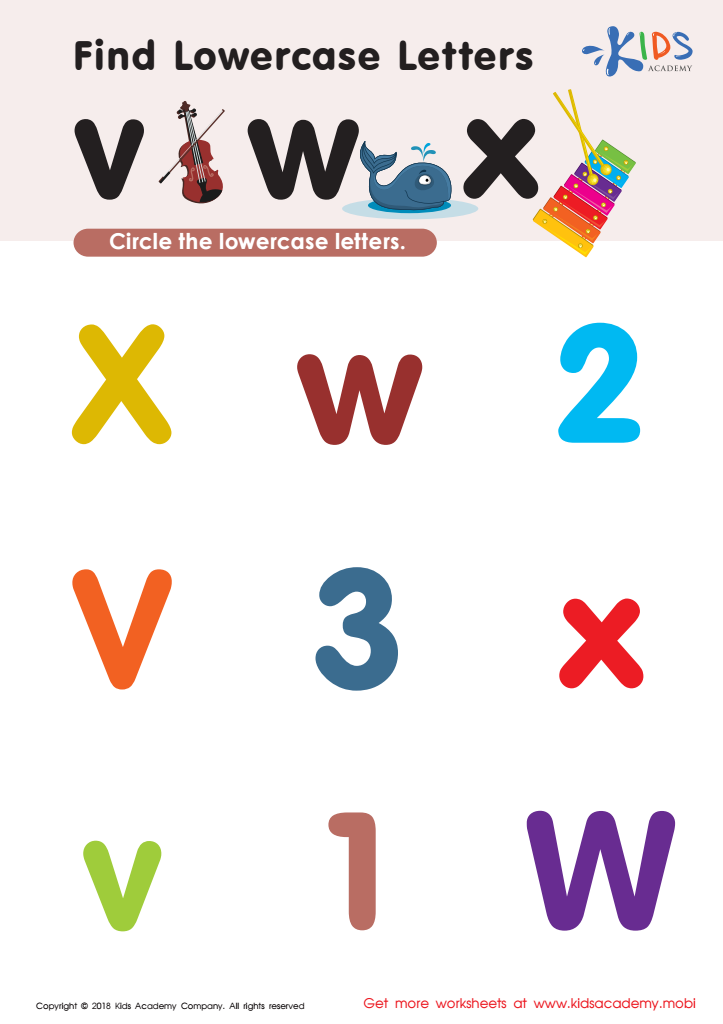
Find Lowercase Letters v w x Worksheet






Visual discrimination skills are crucial for Kindergarten students, particularly concerning letter recognition, as they form the foundation for successful literacy development. These skills enable children to identify and differentiate between similar-looking letters, which is essential for reading and writing. When children can accurately recognize letters, they are better equipped to decode words, making the transition from phonics to fluent reading smoother.
Furthermore, strong visual discrimination helps improve spelling capabilities, enhances overall cognitive processing, and supports better comprehension skills as children read. For teachers, fostering these skills through engaging activities not only makes learning enjoyable but also promotes a positive classroom environment where students feel confident in their abilities.
Parents play a crucial role as well. By reinforcing visual discrimination at home through games, flashcards, or reading together, they can provide valuable support that complements classroom learning. This collaborative approach helps identify any areas where children may struggle, allowing for early intervention. Overall, prioritizing visual discrimination and letter recognition equips young learners with essential tools they need for academic success and lifelong learning.