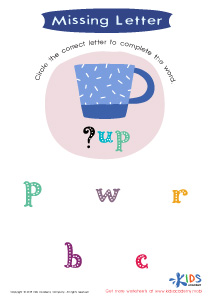
Sound recognition Kindergarten Phonics Worksheets
6 filtered results
-
From - To
Unlock the power of early literacy with our Sound Recognition Kindergarten Phonics Worksheets! Designed specifically for young learners, these engaging worksheets help children master phonemic awareness through fun activities. Each sheet focuses on identifying and associating sounds with letters, fostering critical reading skills from an early age. With colorful illustrations and interactive exercises, kids will enjoy practicing sound recognition while enhancing their vocabulary and comprehension abilities. Perfect for classroom use or at-home practice, these worksheets cater to diverse learning styles, ensuring every child can thrive. Get ready to make phonics exciting and effective with our specially crafted sound recognition resources!
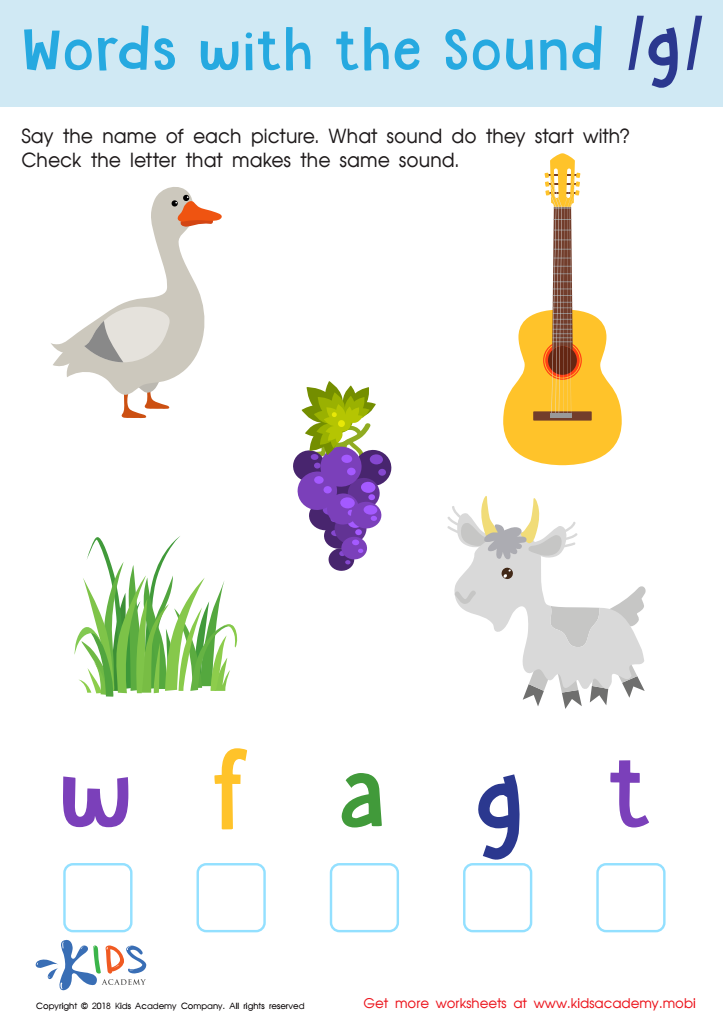
Words with sound g Reading Worksheet
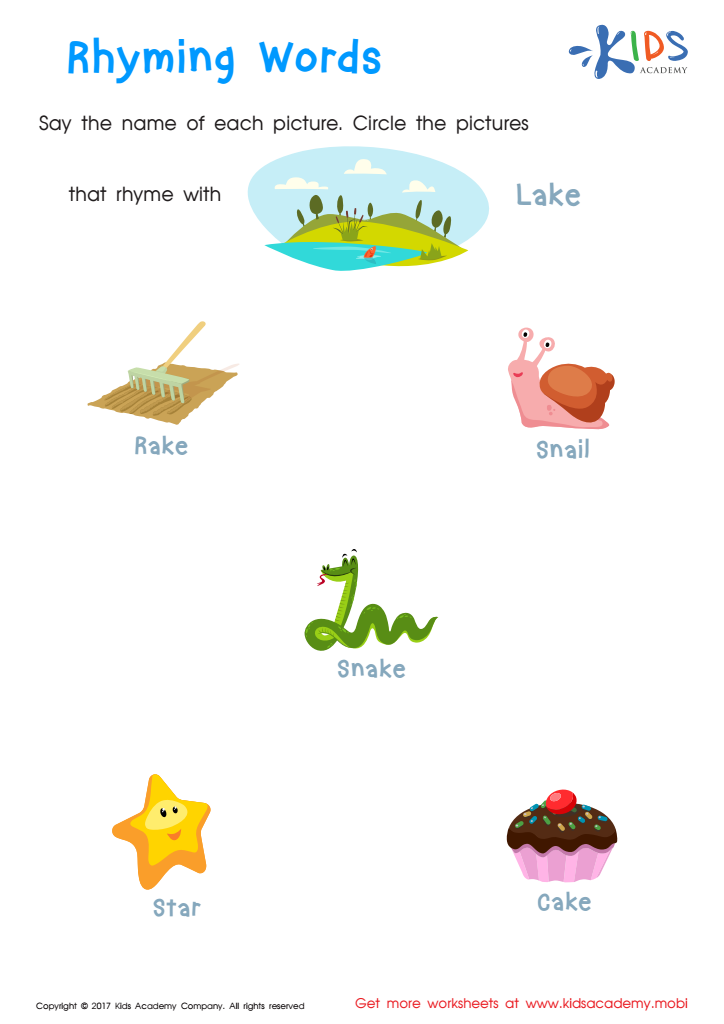
Rhyming Words Rhyming Worksheet
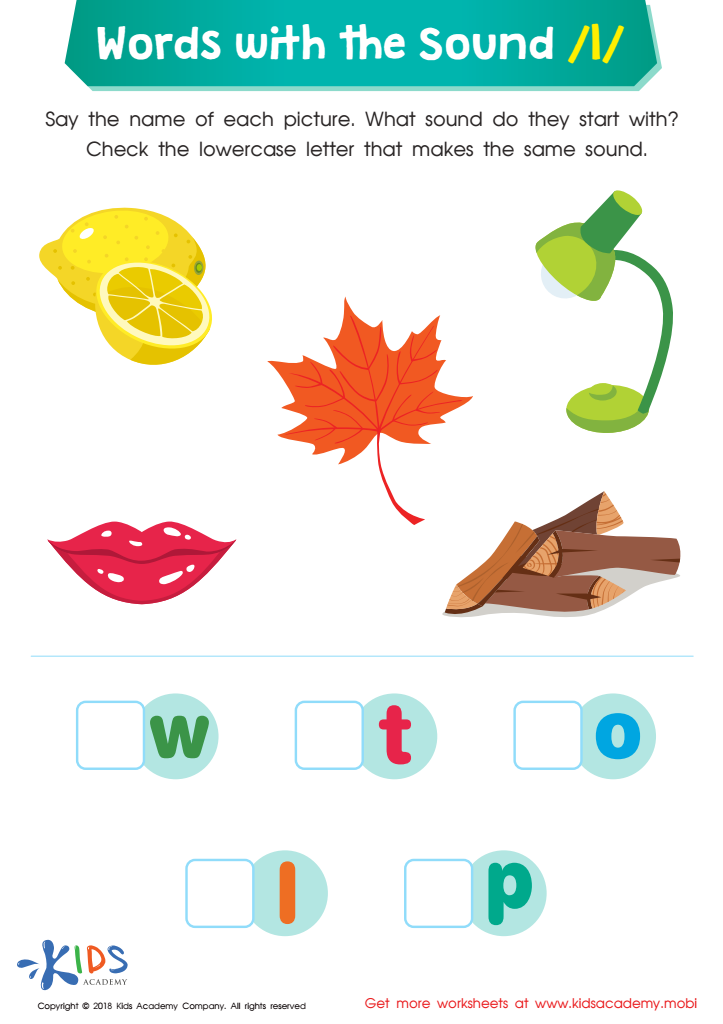
Words with Sound L Reading Worksheet
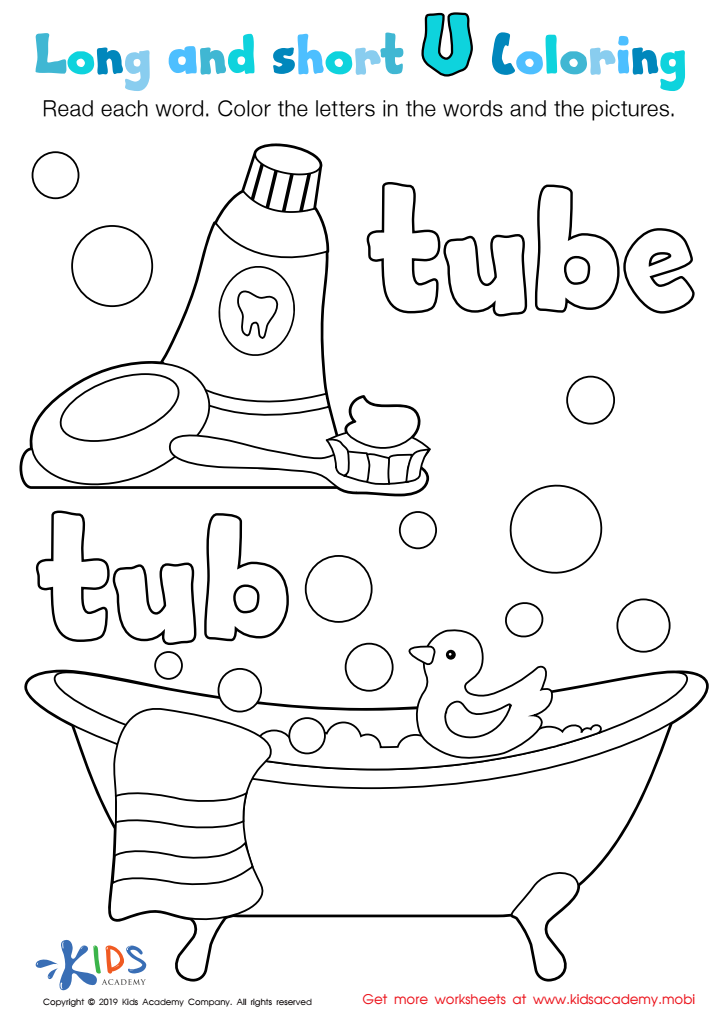
Long and Short U Worksheet
 Assign to My Students
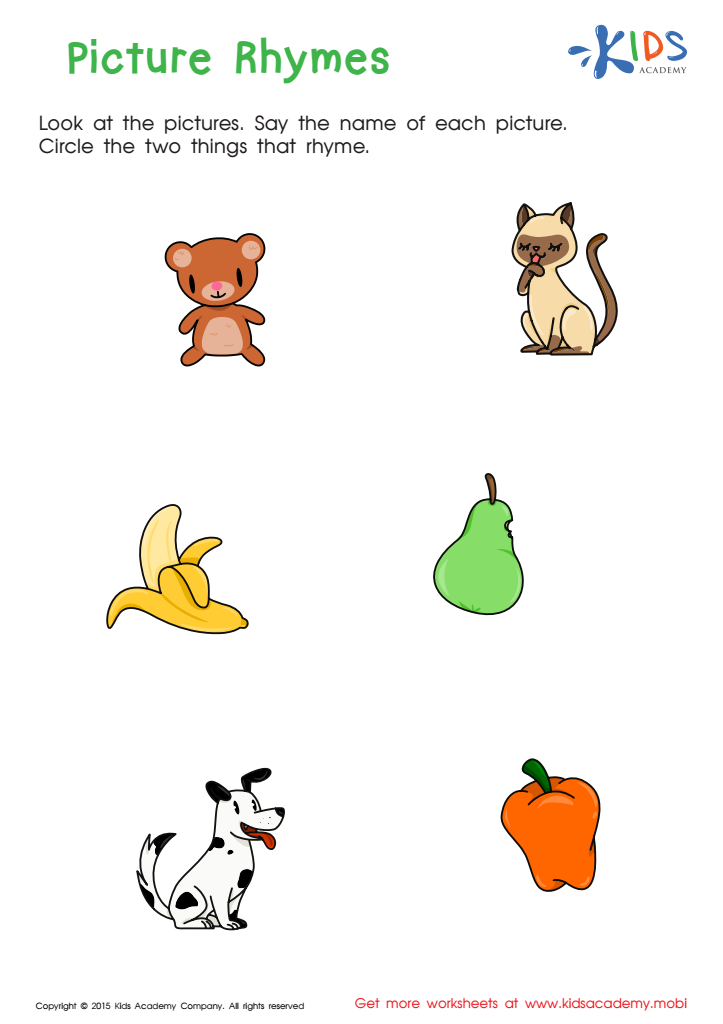
First Words: Picture Rhymes Worksheet
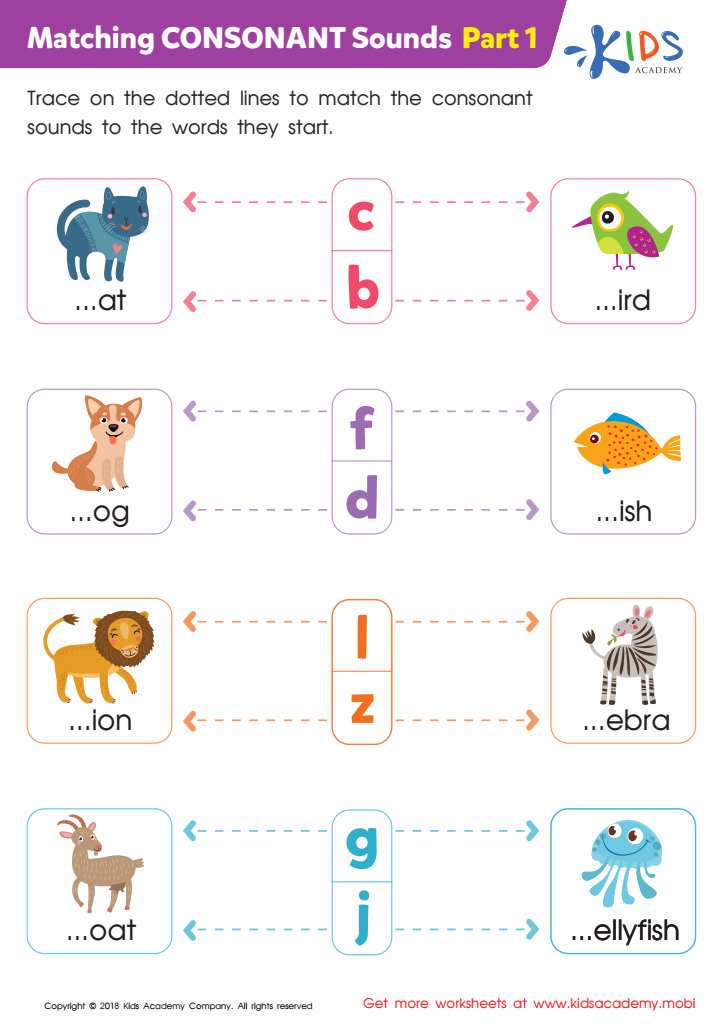
Matching Consonant Sounds: Part 1 Worksheet






Sound recognition in kindergarten phonics is crucial for early literacy development, laying the foundation for reading and writing skills. This critical stage focuses on the ability of young learners to identify and manipulate sounds in spoken language, an essential precursor to decoding words and making sense of text.
Parents and teachers should care deeply about sound recognition because it fosters good reading habits that can significantly impact a child's academic journey. Strong phonemic awareness helps children to break down words into their constituent sounds, aiding in the development of spelling and comprehension skills. By recognizing and manipulating sounds, children can tackle new words independently, boosting their confidence and enthusiasm for learning.
Additionally, understanding sound recognition can help educators and parents identify children who may be at risk for reading difficulties early on. Early intervention is key; addressing challenges in phonics can lead to more effective instruction and better outcomes.
Ultimately, strong sound recognition skills create a bridge to effective reading instruction, allowing children to access a richer world of knowledge and ideas. Supporting phonics instruction should be a joint effort by both parents and teachers, ensuring children build a robust literacy foundation for future academic success.