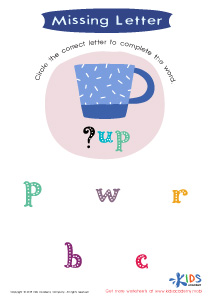
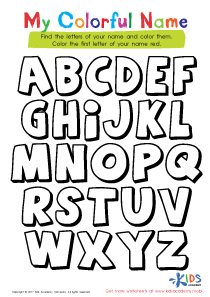
Alphabet Recognition Kindergarten Tracing Letters Worksheets - Page 2
28 filtered results
-
From - To
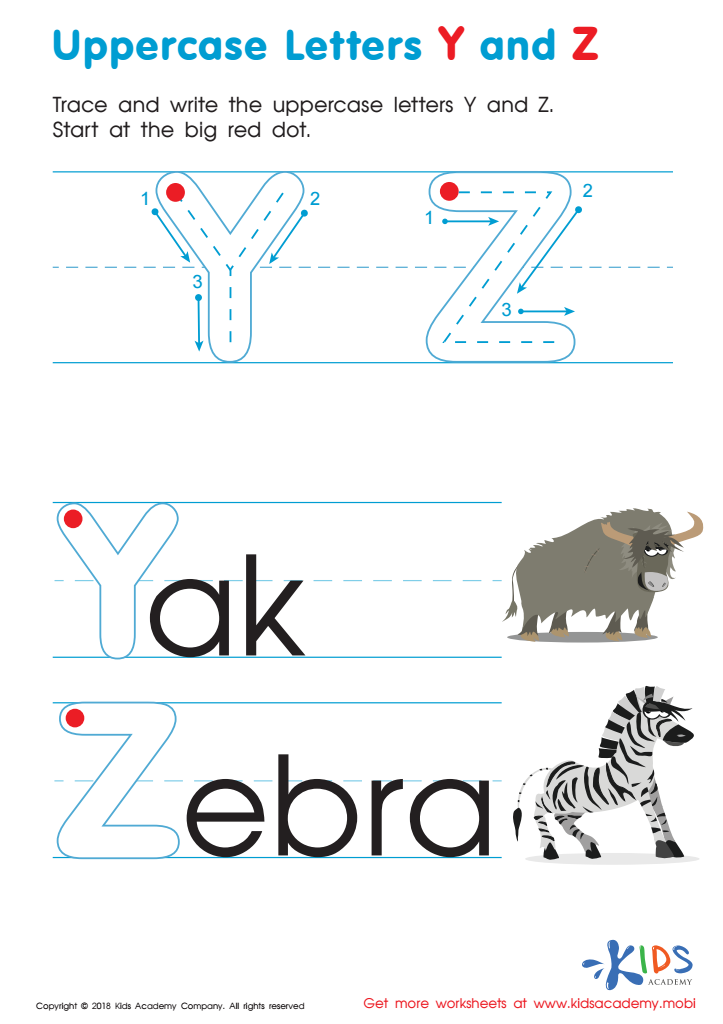
Uppercase Letters Y Z Worksheet
 Assign to My Students
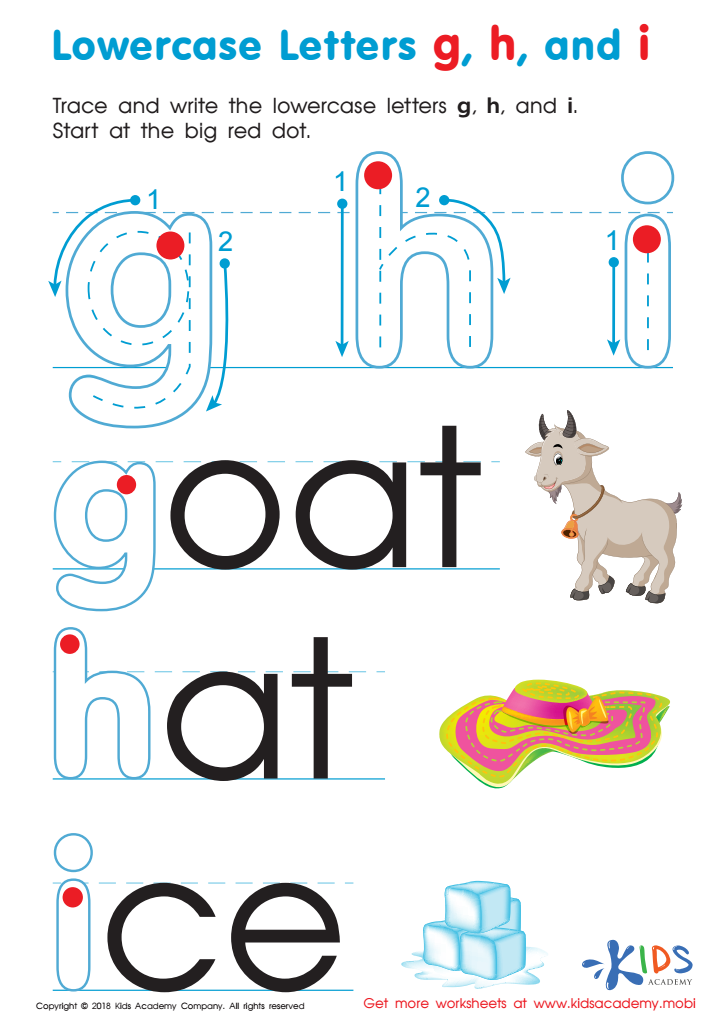
Lowercase Letters g h i Worksheet
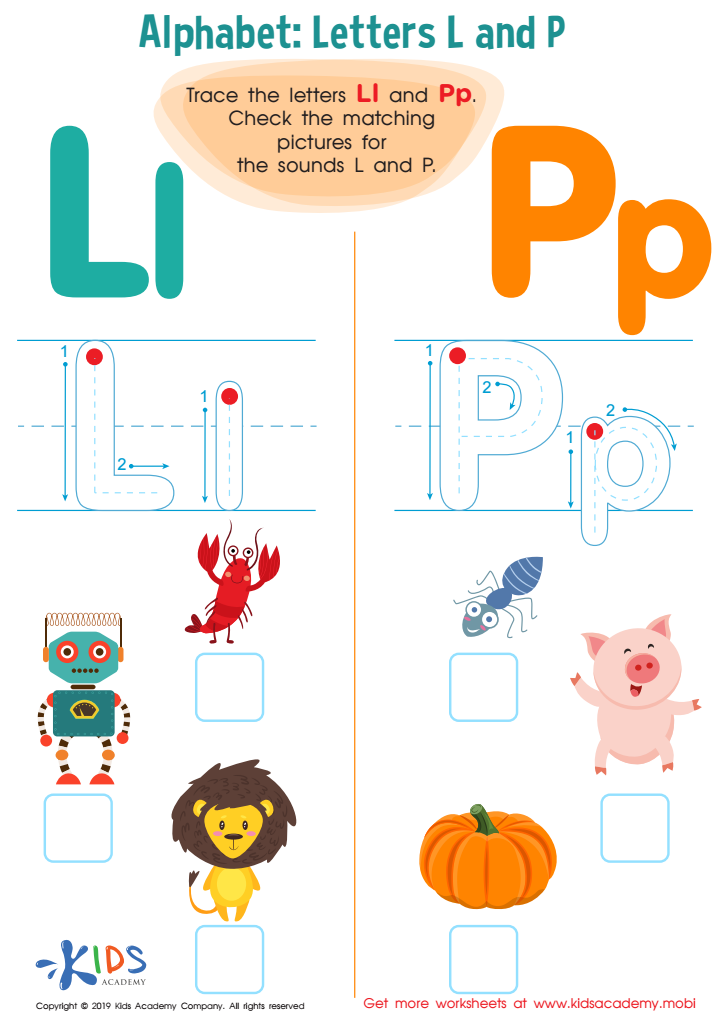
Letter L and P Tracing Worksheet
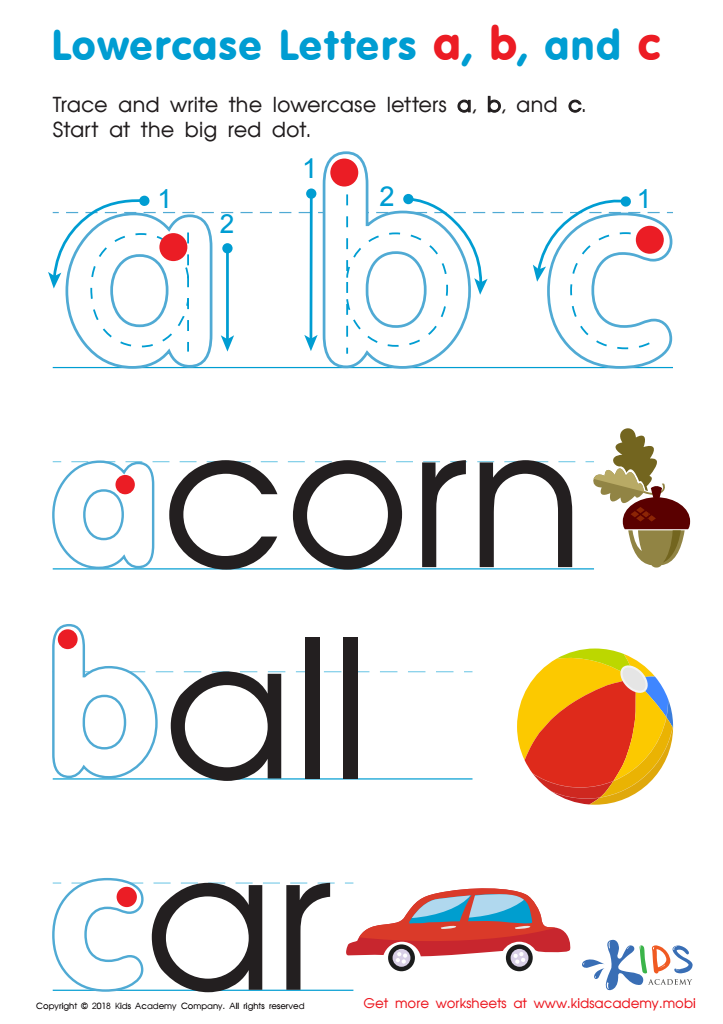
Lowercase Letters a b c Worksheet





Alphabet recognition and tracing letters in kindergarten form the foundation for a child's reading and writing skills, making them crucial aspects of early childhood education. For parents and teachers, fostering these skills is essential as they set the stage for future academic success and cognitive development.
When children recognize letters and practice tracing them, they develop fine motor skills, hand-eye coordination, and muscle memory, all of which are important for writing. Alphabet recognition boosts children’s ability to decode words, which is fundamental for reading. By understanding letter shapes and sounds, children gain the tools to connect printed text to language, fueling their progress in phonemic awareness and vocabulary development.
Furthermore, these exercises enhance cognitive skills such as memory and concentration. As children repeatedly recognize and trace letters, they strengthen neural pathways associated with literacy and language processing. This practice also encourages a sense of achievement and confidence, fostering a positive attitude toward learning.
Teachers and parents, by prioritizing activities like alphabet recognition and tracing, help children establish a strong literacy foundation. This early intervention not only prepares kids for more complex language challenges but also ignites a lifelong love for reading and learning.