Problem-Solving Skills Kindergarten Upper & Lowercase Letters Worksheets
3 filtered results
-
From - To
Enhance your child's problem-solving skills with our engaging Kindergarten Upper & Lowercase Letters worksheets! Designed for young learners, these worksheets promote critical thinking while reinforcing letter recognition and writing. Each activity encourages kids to differentiate between uppercase and lowercase forms through fun challenges and interactive exercises. Our worksheets not only help children master the alphabet but also nurture their cognitive development by incorporating problem-solving strategies. Ideal for classroom or home learning, these resources contribute to a well-rounded educational experience. Empower your child’s literacy and analytical skills simultaneously with our thoughtfully crafted alphabet worksheets designed for their success!
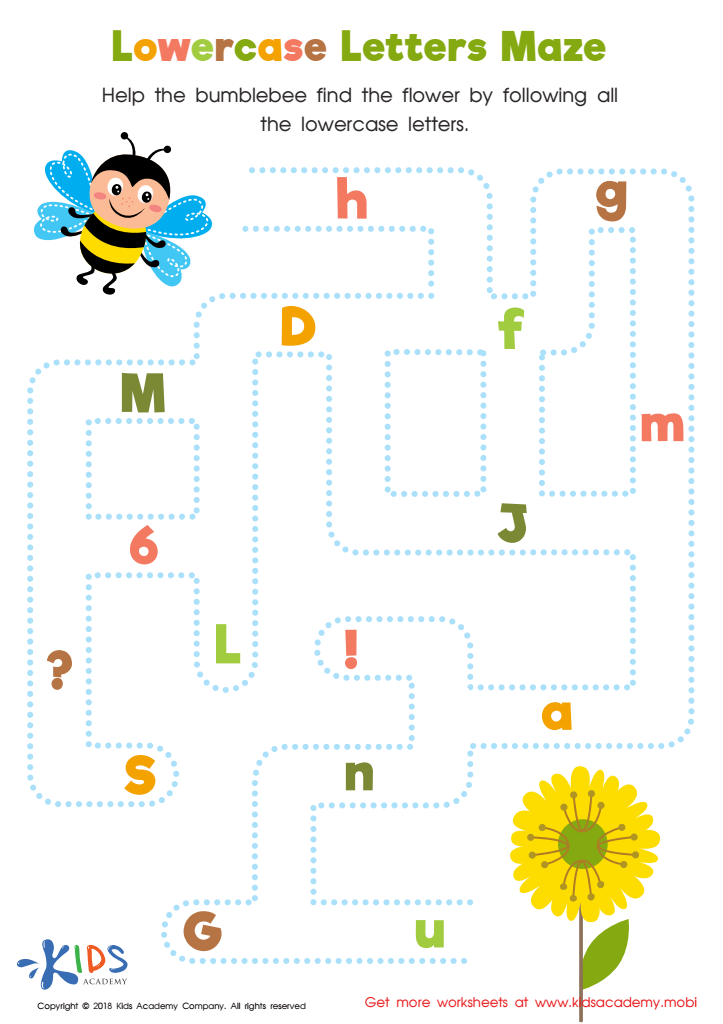
Lowercase Letters Maze Worksheet
 Assign to My Students
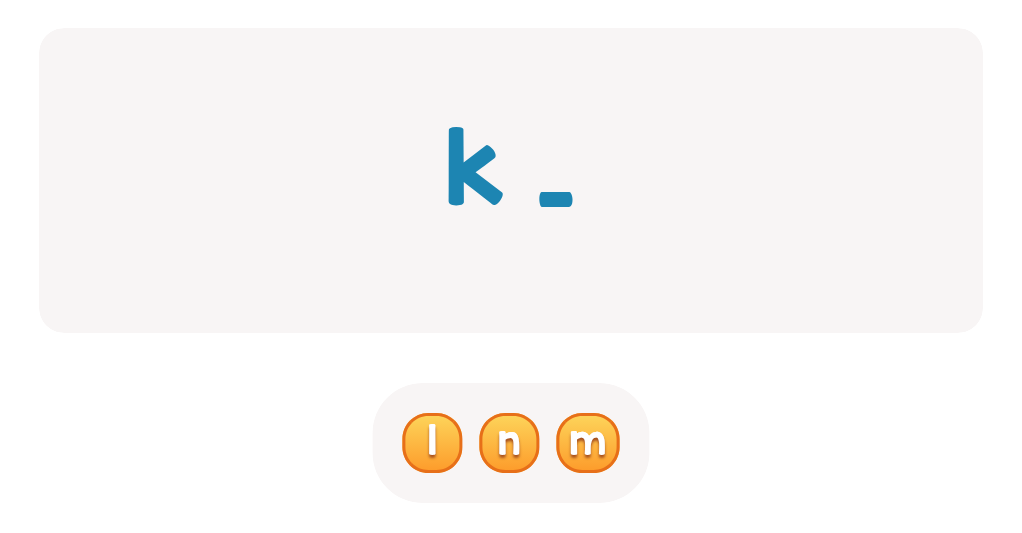


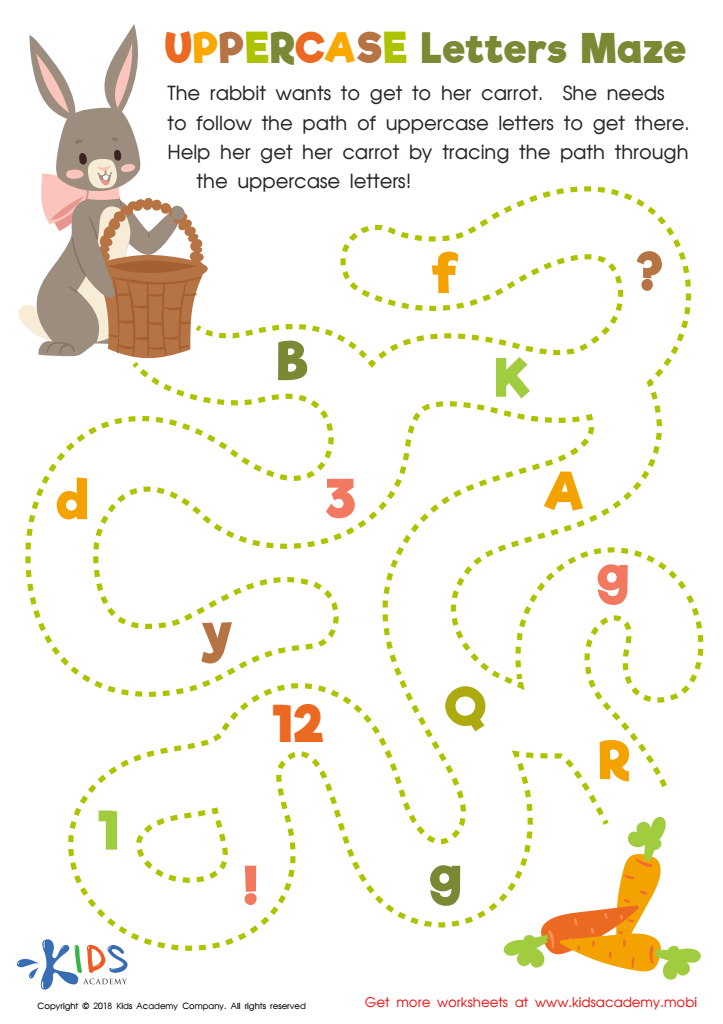
Uppercase Letters Maze Worksheet
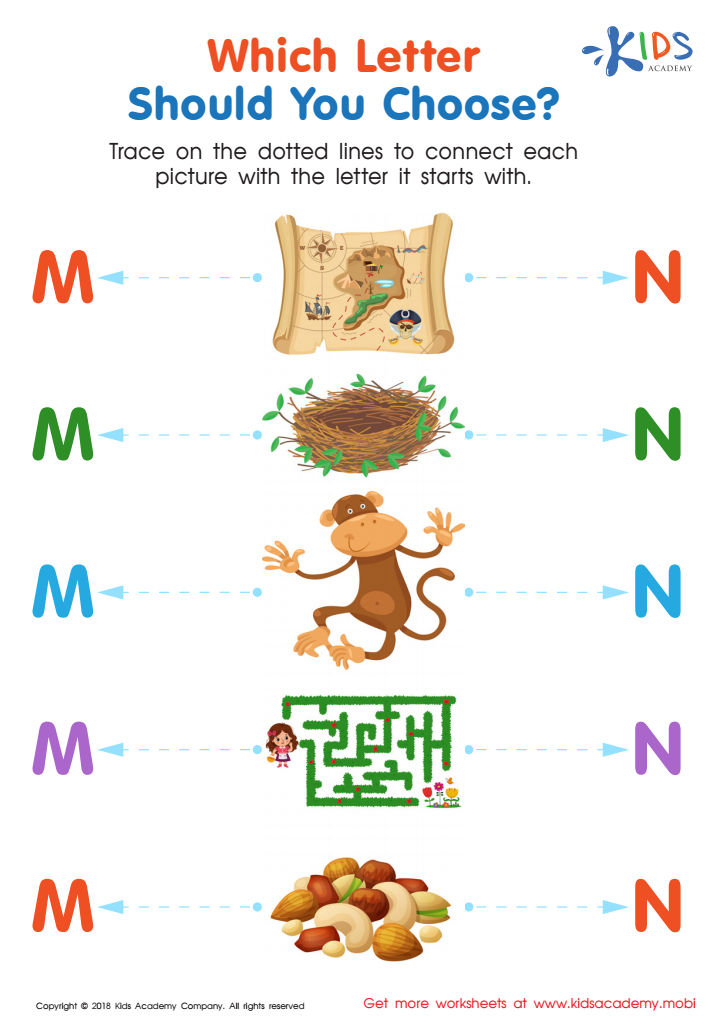
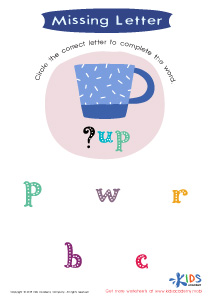
Which Letter Should you Choose? Worksheet





Parents and teachers should care about problem-solving skills in kindergarten, especially in the context of learning upper and lowercase letters, because these skills are foundational for literacy development and critical thinking. As children navigate the complexities of recognizing and forming letters, they engage in problem-solving when they decipher matches between uppercase and lowercase forms, identify letter similarities and differences, and navigate phonetic sounds associated with each letter.
Understanding letter shapes and functions requires children to apply reasoning skills, such as categorizing letters, sorting them, and creating mental connections between graphemes and their sounds. When children face challenges, like remembering which letters look alike or understanding that both "A" and "a" represent the same letter, they systematically work through these conflicts, thereby enhancing cognitive skills.
Moreover, cultivating problem-solving abilities influences a child’s emotional intelligence and resilience. When teachers and parents encourage effort and perseverance when learning letters, they support children in developing a growth mindset, which is crucial for future learning challenges. By nurturing these skills early, adults empower students not just in literacy, but in overall academic and life success, laying the groundwork for effective communication, critical thinking, and ongoing problem-solving throughout their educational journey.