Visual discrimination skills Kindergarten Upper & Lowercase Letters Worksheets
4 filtered results
Difficulty Level
Grade
Age
-
From - To
Subject
Activity
Standards
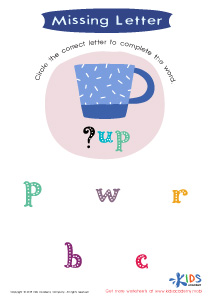
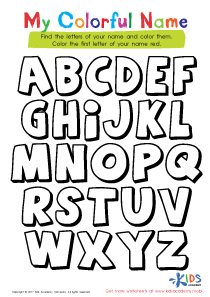
Enhance your kindergarten students' visual discrimination skills with our engaging Upper and Lowercase Letters Worksheets! Designed specifically for young learners, these worksheets focus on helping children differentiate between similar-looking letters, aiding in their alphabet recognition and understanding. By practicing with fun activities and illustrations, kids will develop essential cognitive skills that contribute to their reading and writing proficiency. Our printable resources provide a variety of exercises, from matching uppercase to lowercase letters to identifying variations, ensuring a comprehensive learning experience. Perfect for both classroom and home use, these worksheets will make letter learning enjoyable and effective for every preschooler!
Favorites
With answer key
Interactive

Find Uppercase Letters A, B, and C Worksheet
Check out this PDF worksheet and spot all the capital letters! Arranged as a puzzle, this exercise will test little learners to read and recognize uppercase letters and tell the difference between letters and numbers. To help them, use the pictures on top of the page to practice the sounds A, B and C make! 80 words.
 Assign to My Students
Find Uppercase Letters A, B, and C Worksheet
Worksheet


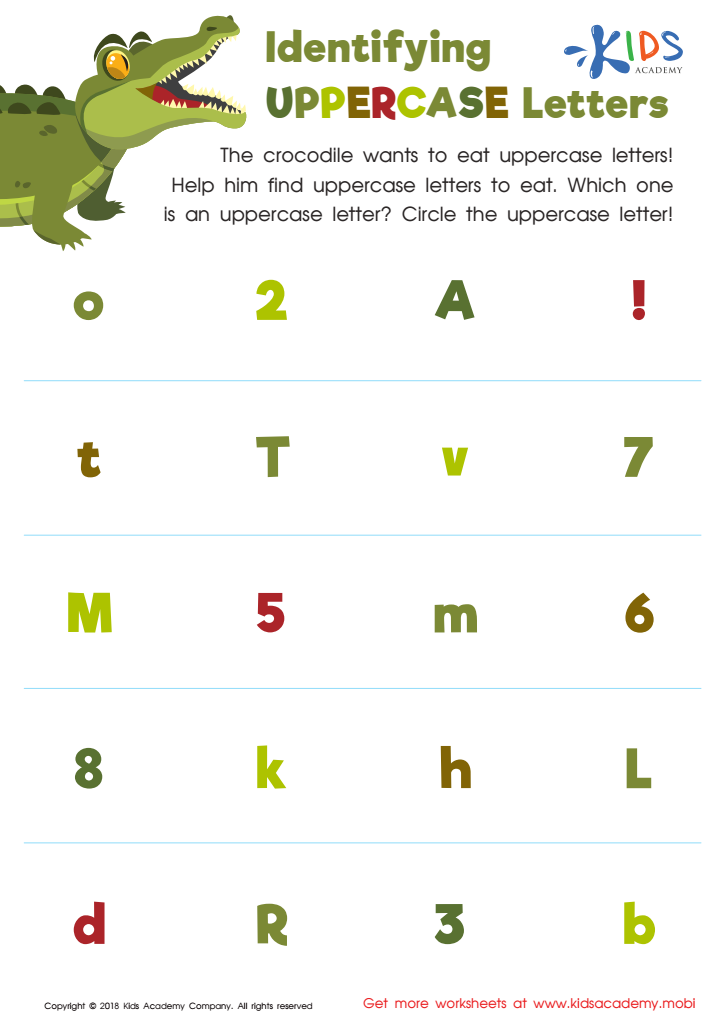
Identifying Uppercase Letters Worksheet
It's essential for kindergarteners to know the distinction between uppercase and lowercase letters. This skill will aid them when starting to write. They can practice by selecting the uppercase letters among a mix of lowercase, uppercase letters and numbers. Whatever their level of learning, give your child confidence with this PDF!
Identifying Uppercase Letters Worksheet
Worksheet
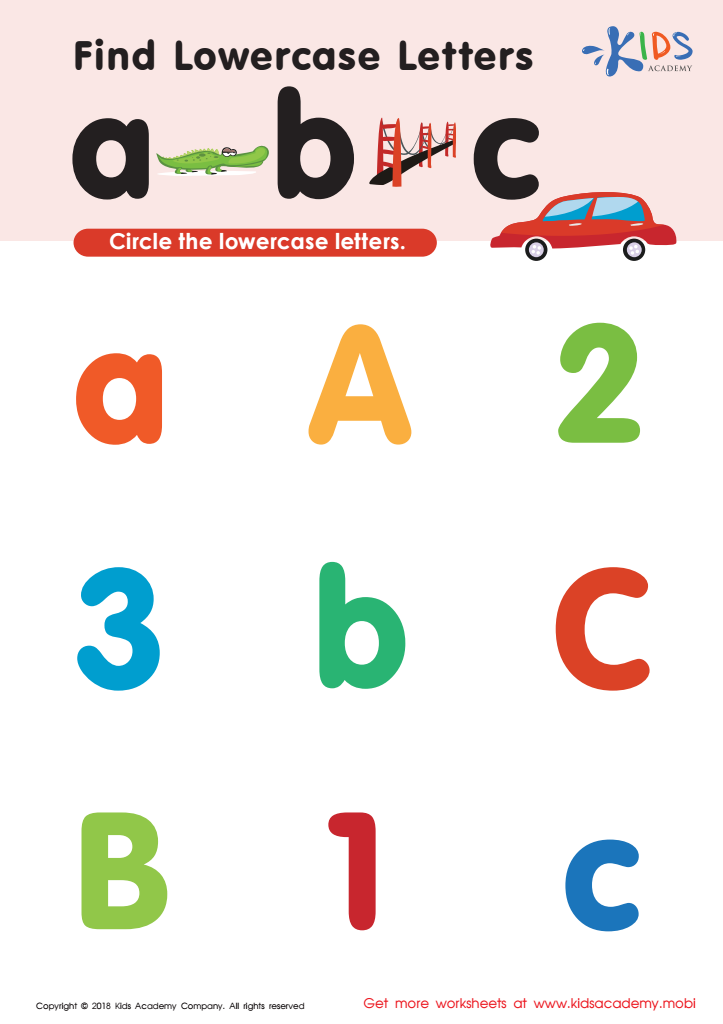
Find lowercase letters a b c Worksheet
Help your child identify lowercase letters with this worksheet. Carefully look at each letter and have your child circle the lowercase ones. This exercise is vital in helping them understand the alphabet and the difference between lower and uppercase letters.
Find lowercase letters a b c Worksheet
Worksheet
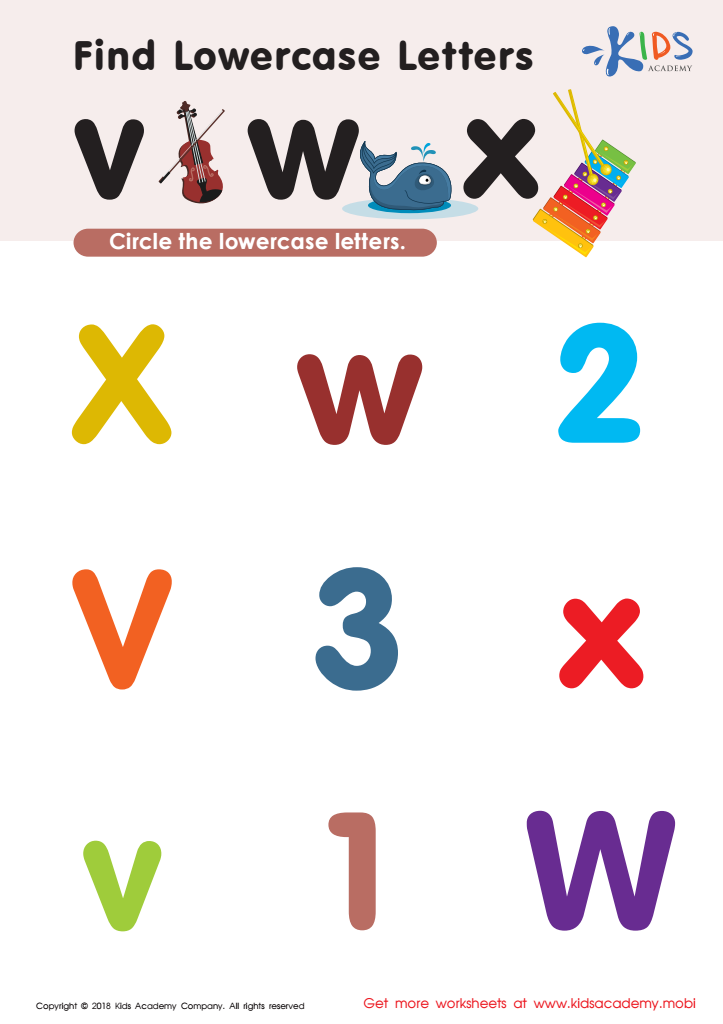
Find Lowercase Letters v w x Worksheet
If your child doesn't know the alphabet, get them this helpful worksheet. It's an easy exercise to build their understanding of the alphabet and lowercase letters. Find the letters v, w, and x among other uppercase letters and numbers in the downloadable PDF.
Find Lowercase Letters v w x Worksheet
Worksheet
Join Kids Academy for Free
Who is primarily going to use this learning content?





Visual discrimination skills are essential for young learners, especially in kindergarten, as they form the foundation for literacy development. Parents and teachers should prioritize these skills since they help children recognize and differentiate between upper and lowercase letters—a crucial step in reading and writing. Mastery of these letters enhances letter-sound correspondence, enabling children to decode words and compose sentences effectively.
When children develop strong visual discrimination skills, they become more attuned to subtle differences in letter forms. This attention to detail reduces errors in writing and reading, promoting confidence as they progress academically. Additionally, visual discrimination skills contribute to overall cognitive development, fostering critical thinking and problem-solving abilities as children learn to categorize and organize information.
Engaging in activities that enhance these skills—such as sorting letters, playing matching games, or using playful exercises—can be enjoyable for children, making learning fun. Furthermore, by fostering a supportive learning environment, parents and teachers can inspire a lifelong love for reading, setting the stage for future educational success. In summary, nurturing visual discrimination skills equips children with the necessary tools to become competent readers and writers, laying a solid foundation for their educational journey.