Phonics skills development Kindergarten Vowels Worksheets
3 filtered results
-
From - To
Develop essential phonics skills for your kindergartner with our engaging Vowels Worksheets! Designed to make learning fun, these printable worksheets help young learners master vowel sounds and recognition, laying a strong foundation for reading success. Each activity focuses on a different vowel, incorporating colorful illustrations and interactive exercises that captivate children's interest. Ideal for both classroom use and at-home practice, these worksheets support early literacy development in an enjoyable, stress-free way. Strengthen your child's phonetic abilities today with Kids Academy’s expertly crafted Kindergarten Vowels Worksheets, and watch their reading skills flourish!
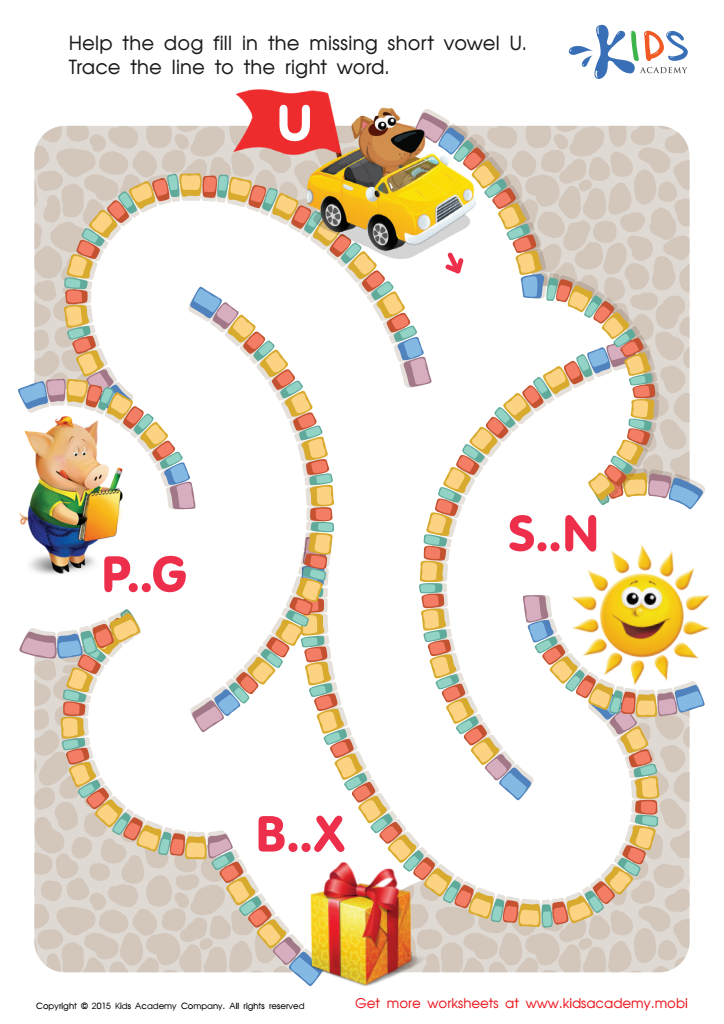
Short Vowel Sound U Worksheet
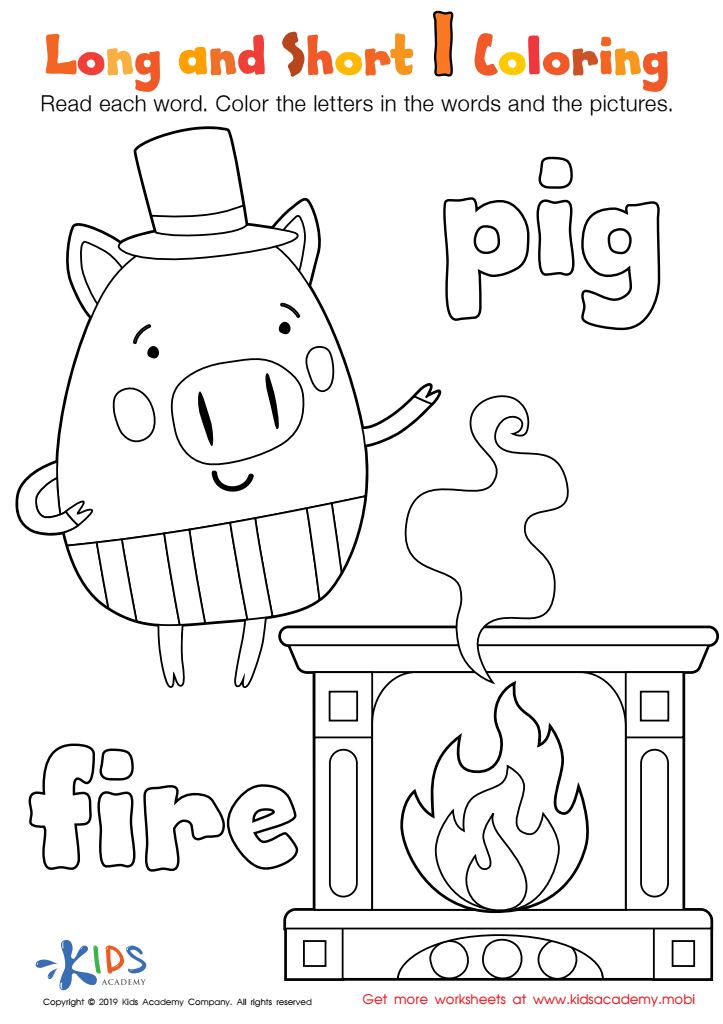
Long and Short I Worksheet
 Assign to My Students
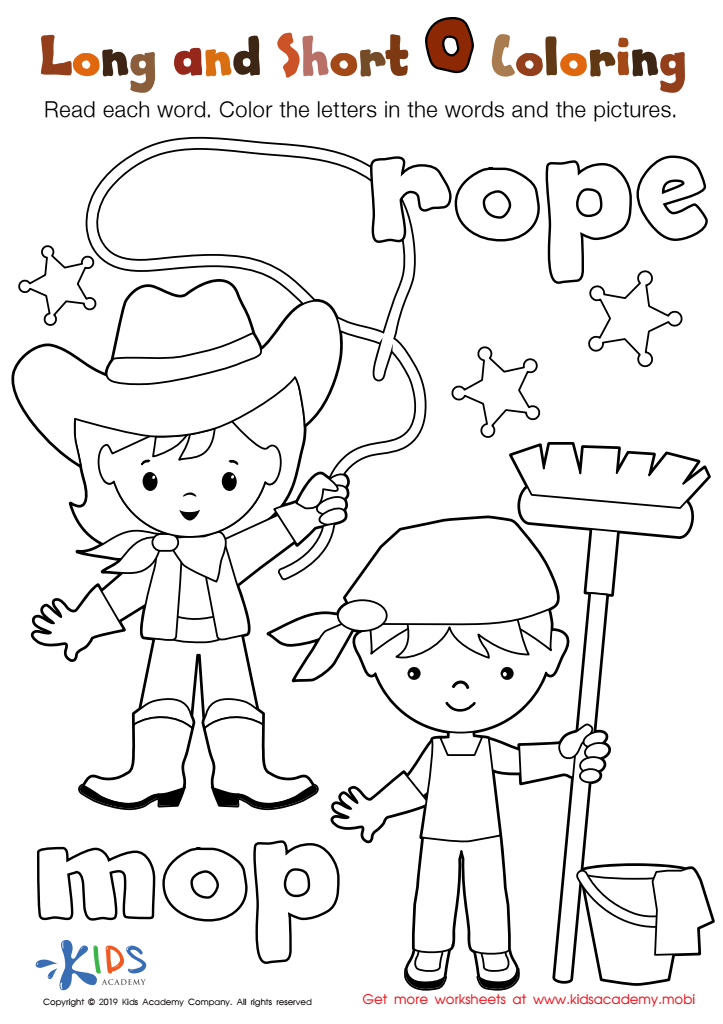
Long and Short O Worksheet
Assign to My Students



Phonics skills development, especially with kindergarten vowels, is fundamental for young learners because it lays the cornerstone for their future reading and writing abilities. By focusing on vowel sounds, parents and teachers help children unlock the building blocks of language. Vowels are central to word formation and understanding their sounds can significantly boost a child's decoding skills—essential for sounding out words, blending sounds, and reading fluently.
Early proficiency in phonics fosters confidence and enthusiasm for learning. As children grasp the six vowel sounds (A, E, I, O, U, and sometimes Y), they start recognizing patterns and rhymes, enriching their vocabulary and comprehension. These early successes can lead to greater academic achievements across various subjects, as literacy is the gateway to knowledge.
In particular, phonics instruction tailored for young learners is engaging and interactive, featuring playful activities like songs, games, and storytelling. This not only makes learning enjoyable but also helps cement these critical skills through repetition and practice.
Failing to develop these skills early on can result in reading difficulties, which might hamper a child’s overall academic progress and self-esteem. Therefore, prioritizing phonics skill development in kindergarten ensures children are well-prepared for the literacy demands of their educational journey, making it a crucial focus for both parents and teachers.