
Differentiating shapes Kindergarten Geometry Worksheets
3 filtered results
Difficulty Level
Grade
Age
-
From - To
Subject
Activity
Standards
Welcome to our Differentiating Shapes Kindergarten Geometry Worksheets! Designed for young learners, these worksheets provide an engaging way for children to explore basic geometric shapes. Through fun activities, students will learn to identify, compare, and distinguish between various shapes such as circles, squares, triangles, and rectangles. Each worksheet is crafted to cater to different learning styles, ensuring that every child can thrive. Teachers and parents can easily incorporate these resources into their lesson plans to make geometry enjoyable and interactive. Help your students build a solid foundation in geometry with our essential and entertaining worksheets today!
Favorites
With answer key
Interactive
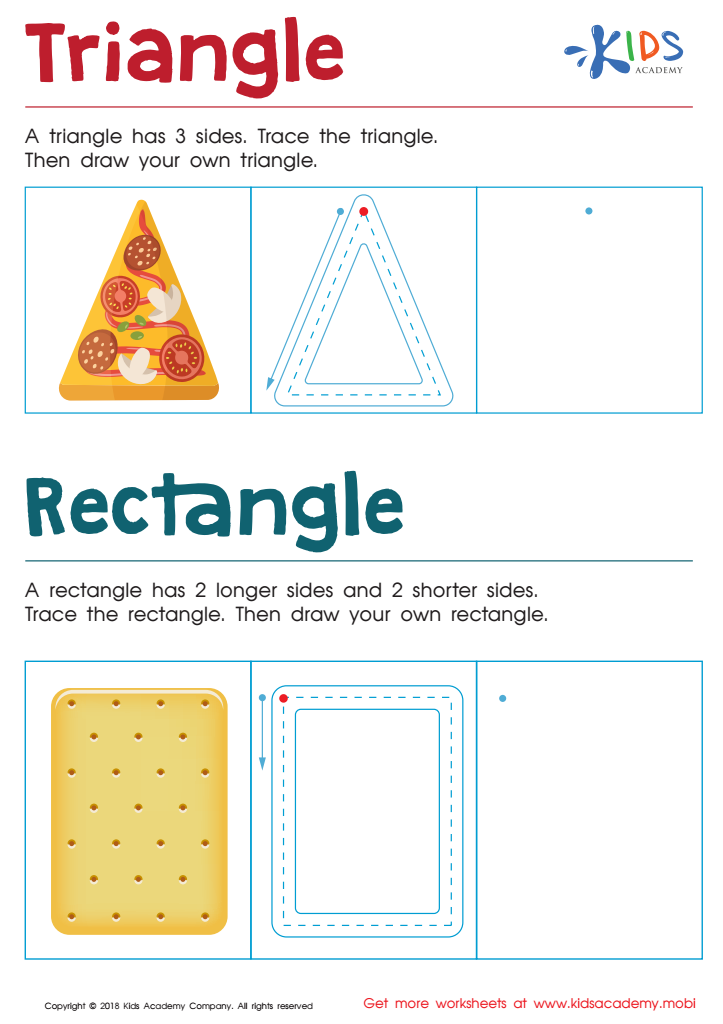
Triangle Rectangle Worksheet
This printable worksheet helps kids draw rectangles and triangles. Have your child trace the pizza and cracker shapes to become familiar, then try their own. Perfect for second graders! Coloring and creativity make this fun and educational.
 Assign to My Students
Triangle Rectangle Worksheet
Worksheet





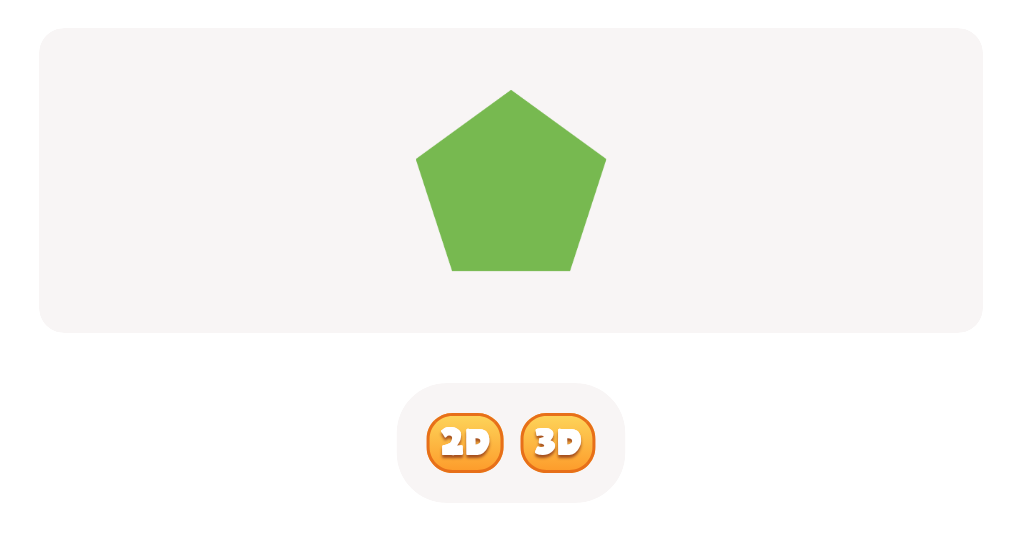

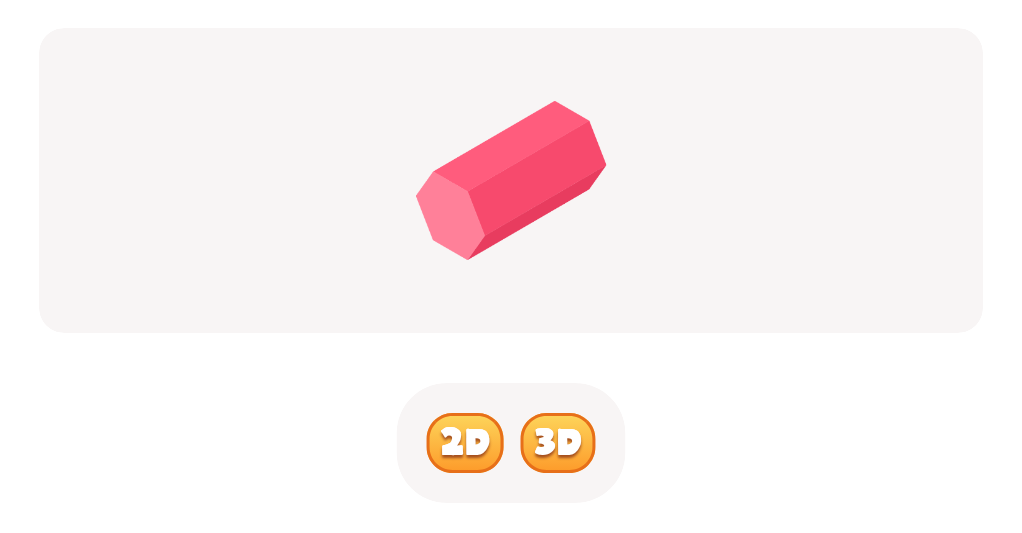
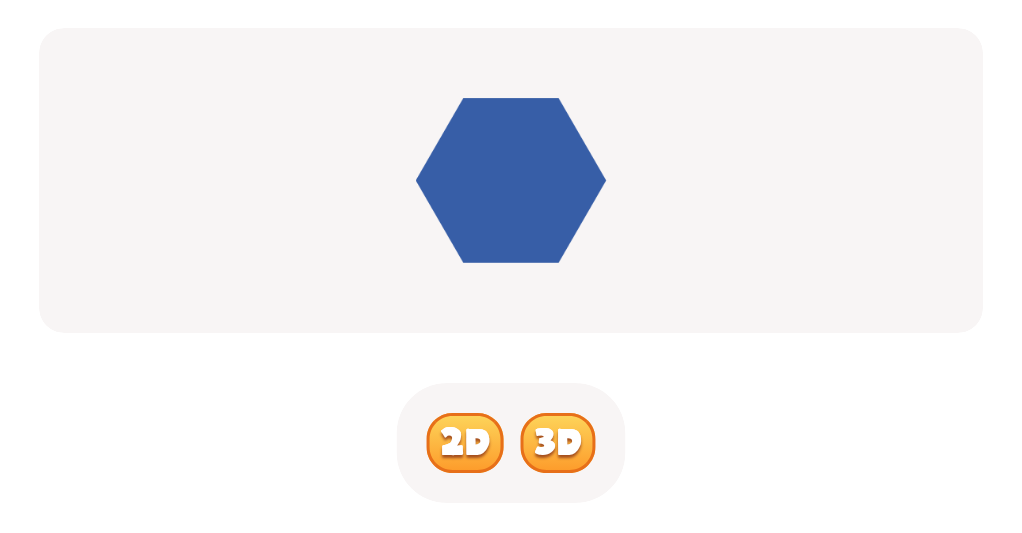

Plane Geometry: Sides Worksheet
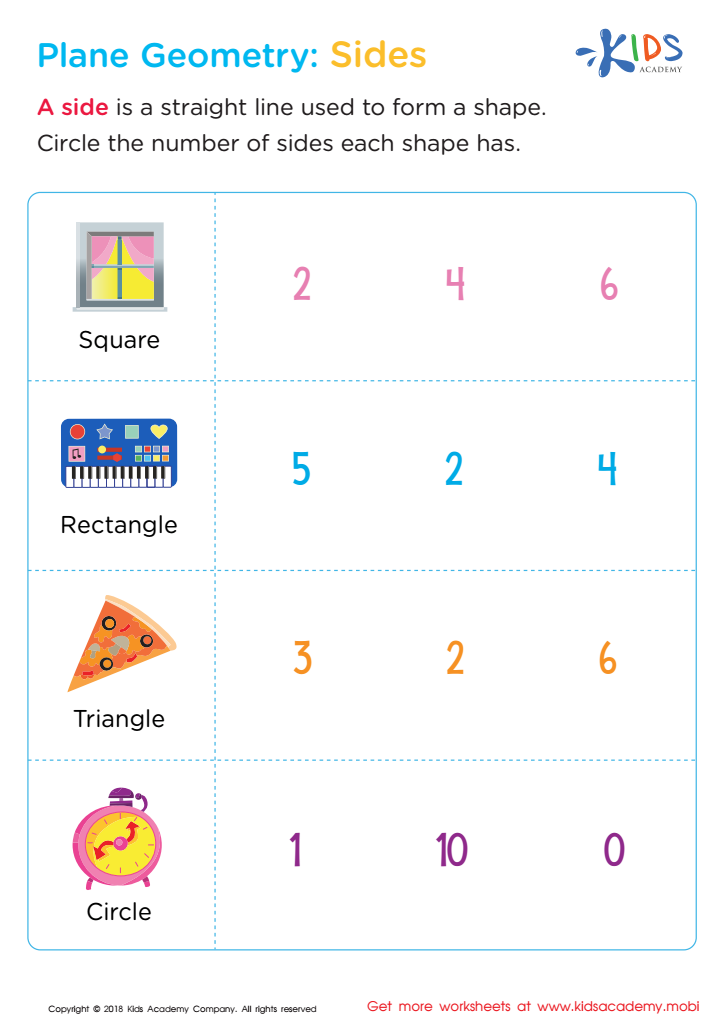
Knowing the properties of basic geometric shapes is a great skill to have. Download this free worksheet and let your kids learn about sides and shapes using colorful pictures. They'll see each shape has its own number of sides, laying the groundwork for identifying and recognizing shapes in the future.
Plane Geometry: Sides Worksheet
Worksheet
3D Shapes Worksheet
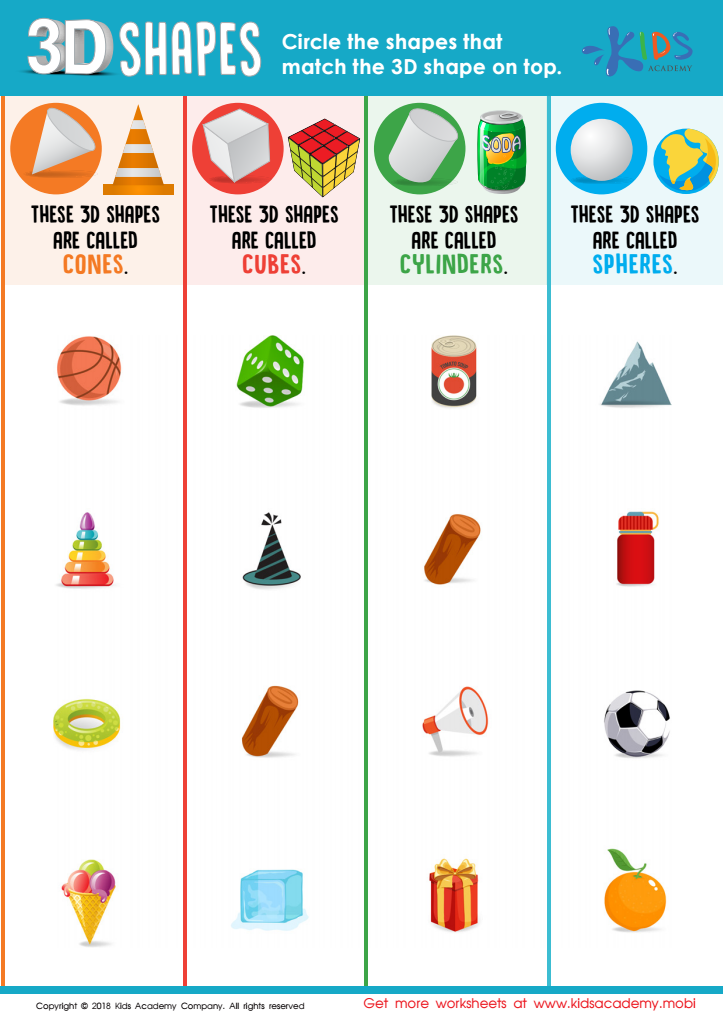
It's time to identify 3D shapes! This worksheet helps kids find and name shapes like cones, cylinders, cubes, and spheres using pictures of everyday objects. Let's explore 3D shapes in the real world!
3D Shapes Worksheet
Worksheet
Join Kids Academy for Free
Who is primarily going to use this learning content?








Differentiating shapes in kindergarten geometry is vital to early childhood education for several reasons. First, it supports cognitive development by fostering critical thinking and problem-solving skills. When children engage with various shapes, they learn to recognize patterns, compare properties, and sort objects, laying the groundwork for more complex mathematical concepts.
Moreover, differentiated instruction accommodates diverse learning styles and paces within the classroom. Not every child grasps spatial relationships or shape recognition at the same rate; differentiation ensures that each child experiences meaningful engagement. By providing varied activities—like hands-on exploration, visual aids, and collaborative projects—teachers can meet individual needs, making learning more effective and enjoyable.
Furthermore, early familiarity with geometric concepts promotes spatial awareness and a sense of confidence. Children who confidently identify and communicate about shapes are better equipped for future math challenges, enhancing their overall academic success.
Lastly, shape differentiation in geometry fosters social skills as students collaborate and discuss their findings. Engaging with peers in shape-related activities encourages teamwork and communication, essential life skills. Hence, both parents and teachers should prioritize effective differentiation in early geometry to nurture well-rounded, confident learners.








