Counting practice Kindergarten Numbers Worksheets - Page 2
28 filtered results
-
From - To
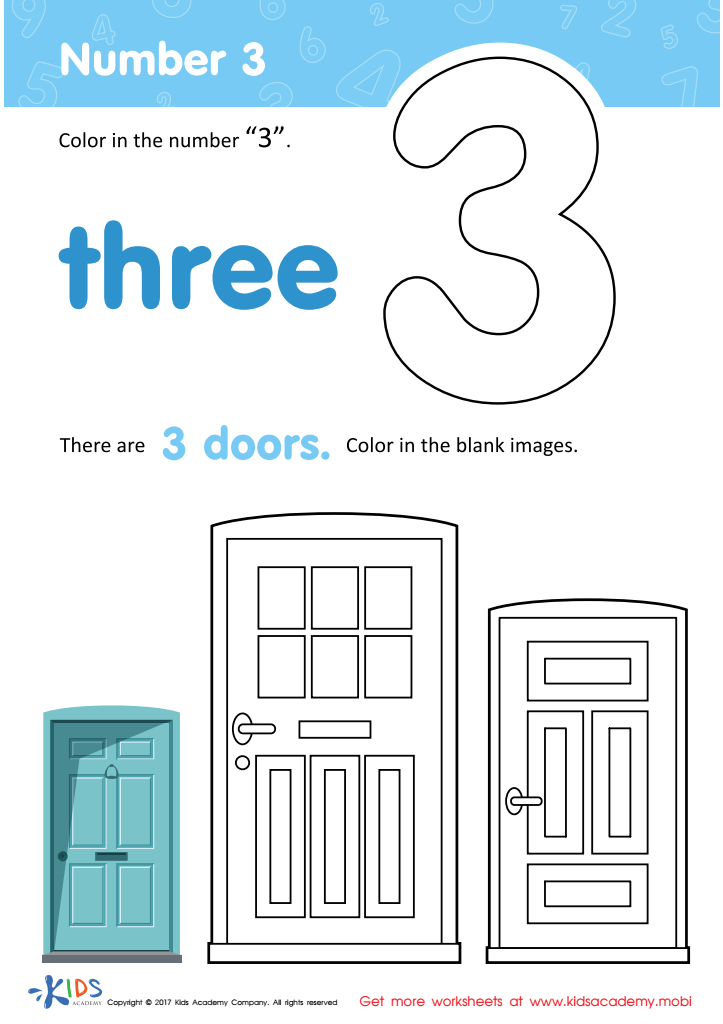
Number 3 Worksheet
 Assign to My Students
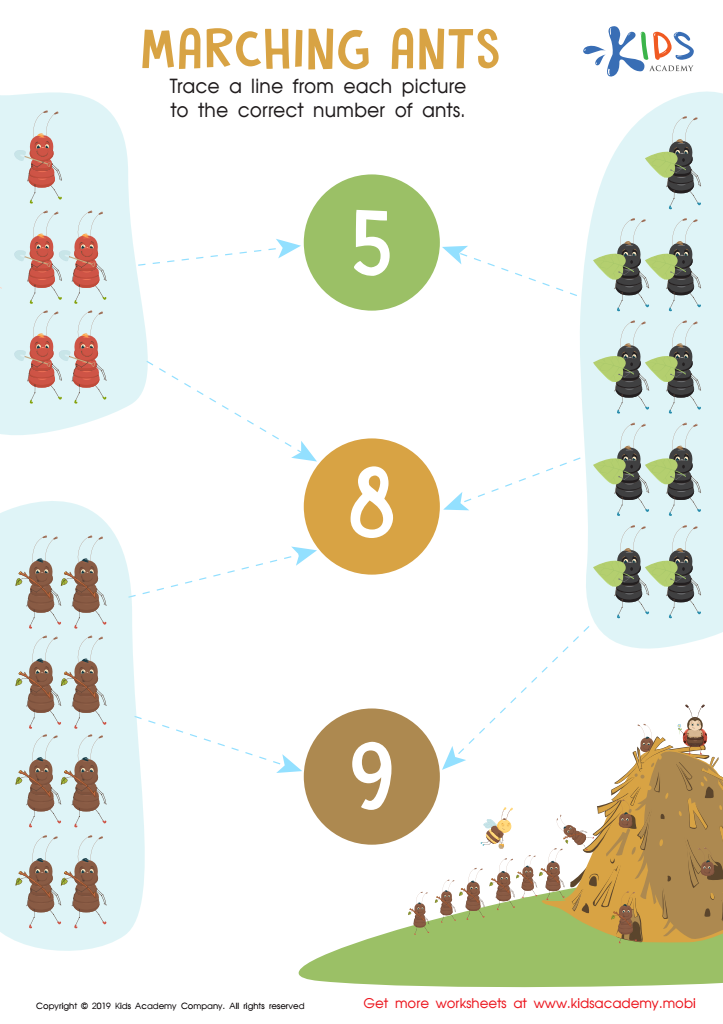
Marching Ants Worksheet

Counting on the City Skyline: Dot-to-Dot Worksheet
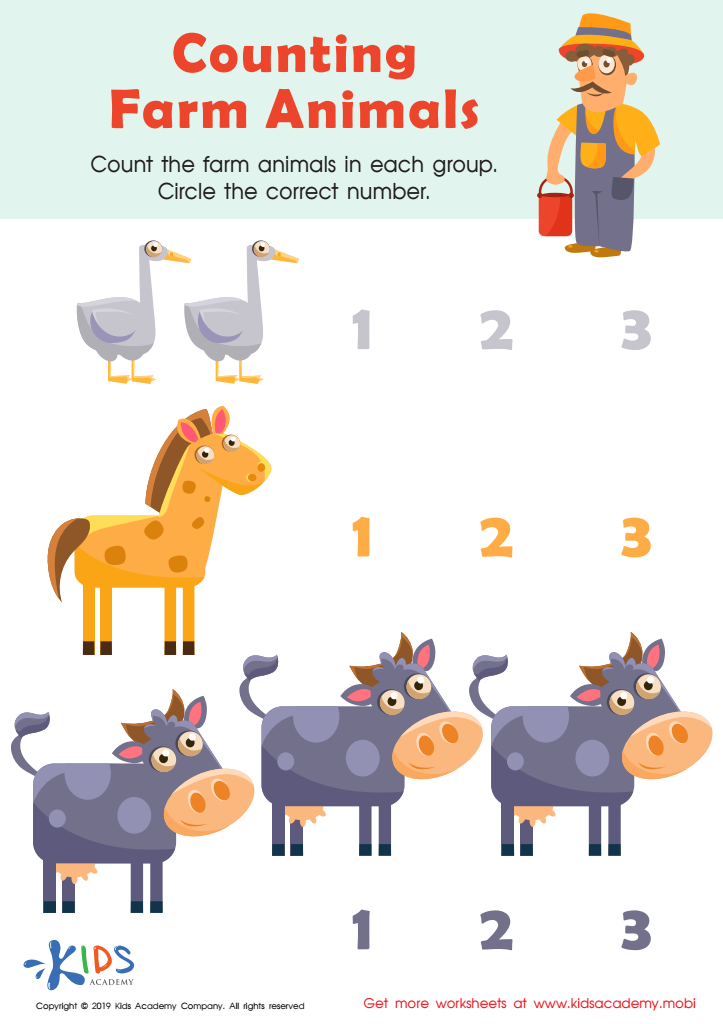
Counting Farm Animals Worksheet


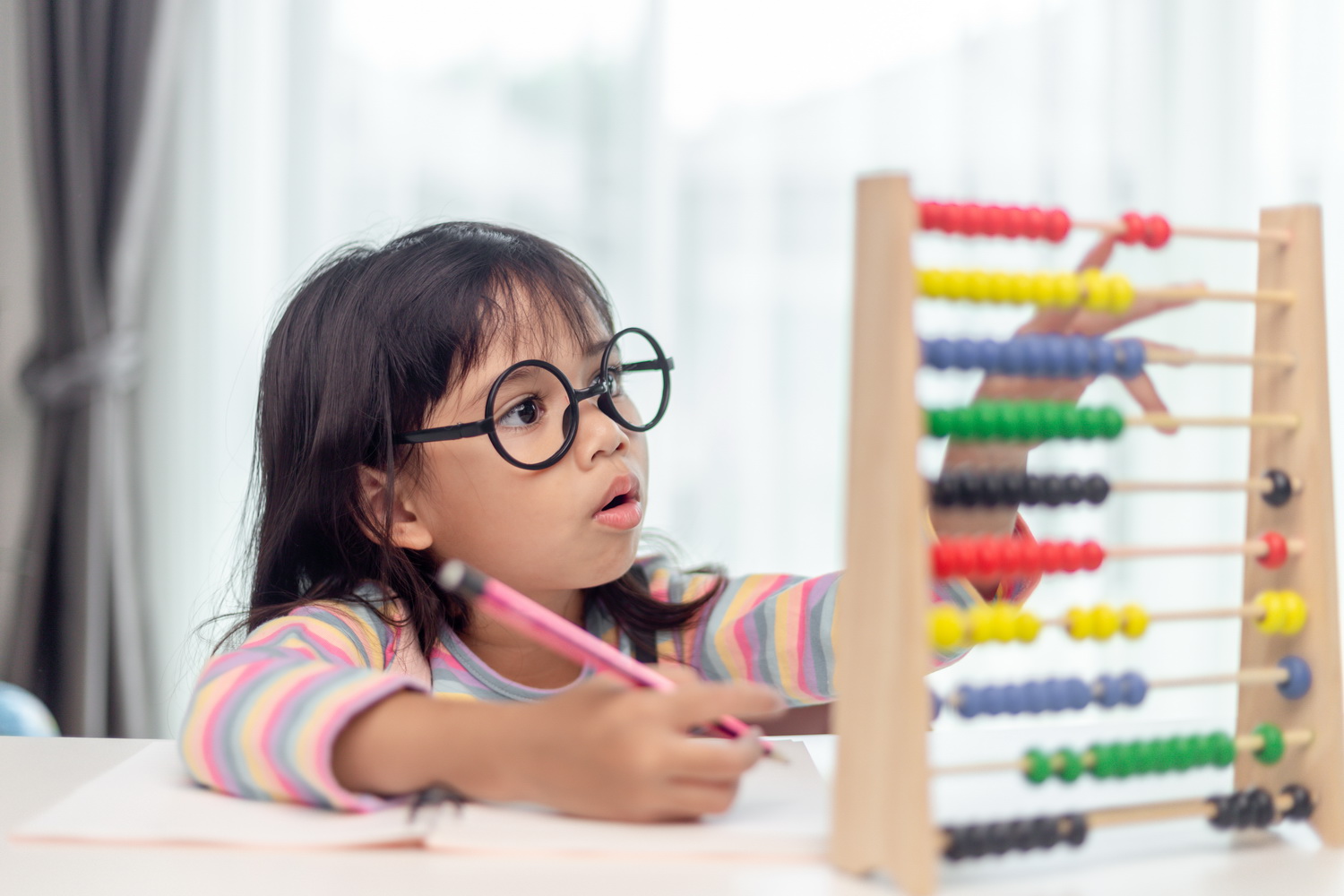





Counting practice in kindergarten lays the foundation for a child's mathematical understanding and cognitive development. It is crucial for parents and teachers to prioritize this practice because it helps children develop essential skills such as number recognition, sequencing, and one-to-one correspondence, which involve matching numbers to objects or actions.
Firstly, robust counting skills provide the building blocks for more complex mathematical concepts such as addition, subtraction, and even multiplication and division later on. For this reason, children who are proficient in counting typically find it easier to grasp these advanced concepts.
Secondly, counting exercises enhance fine motor skills and hand-eye coordination. When children count objects or use their fingers, they are practicing precise movements, which are important for writing and other everyday tasks.
Moreover, early counting fosters problem-solving and critical-thinking skills. As children learn to identify patterns and sequences in numbers, they become better equipped to approach challenges logically.
Counting also supports language development; as children vocalize numbers and develop vocabulary related to quantities and mathematical concepts, their communication skills improve.
Finally, counting practice encourages confidence and a love for learning. As children master counting milestones (e.g., counting to ten, twenty, etc.), their sense of achievement inspires them to tackle new challenges.
In summary, recognizing the value of counting practice in kindergarten is essential for parents and teachers. It supports not just math skills but overall cognitive and motor development, and prepares children for future academic success.








