Visual perception Kindergarten Numbers Worksheets - Page 2
25 filtered results
-
From - To
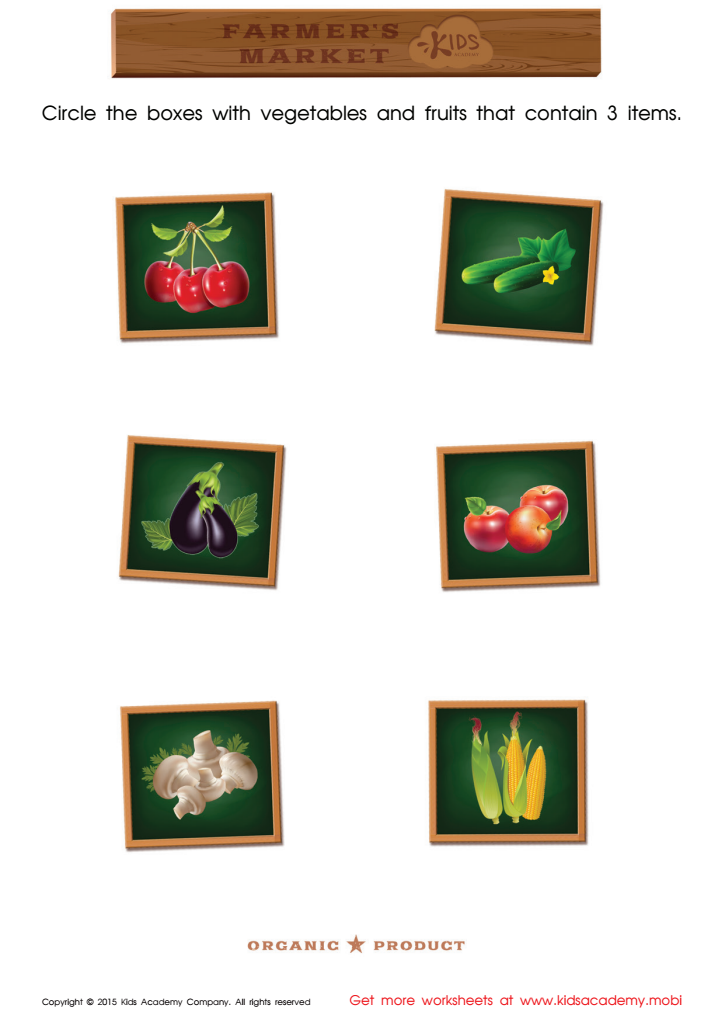
Count and Match Vegetables 1 – 5 Math Worksheet
 Assign to My Students






%20(1).jpg)
Visual perception is a crucial skill for kindergarteners, especially when it comes to numbers. This foundational ability enables children to interpret and make sense of visual information, which is vital for understanding mathematical concepts. Parents and teachers should care because strong visual perception skills can significantly enhance a child’s ability to recognize shapes, patterns, and numerical symbols—basic building blocks of math learning.
When children develop good visual perception, they can more easily identify quantities, understand spatial relationships, and solve problems. These skills are not only important for early math success but also translate to later academic achievement. Poor visual perception may lead to difficulties with tasks such as counting, number writing, and identifying differences in shapes and sizes.
Additionally, visual perception is linked to other areas of development, including literacy and motor skills. For instance, recognizing letters and words also relies on similar visual processing skills. By nurturing these abilities, parents and teachers can help children become more confident learners. Fun activities like puzzles, matching games, and using manipulatives can effectively strengthen visual perception, supporting a well-rounded educational experience and setting the stage for lifelong learning.








