Basic Math Skills Kindergarten Math Worksheets - Page 3
55 filtered results
-
From - To
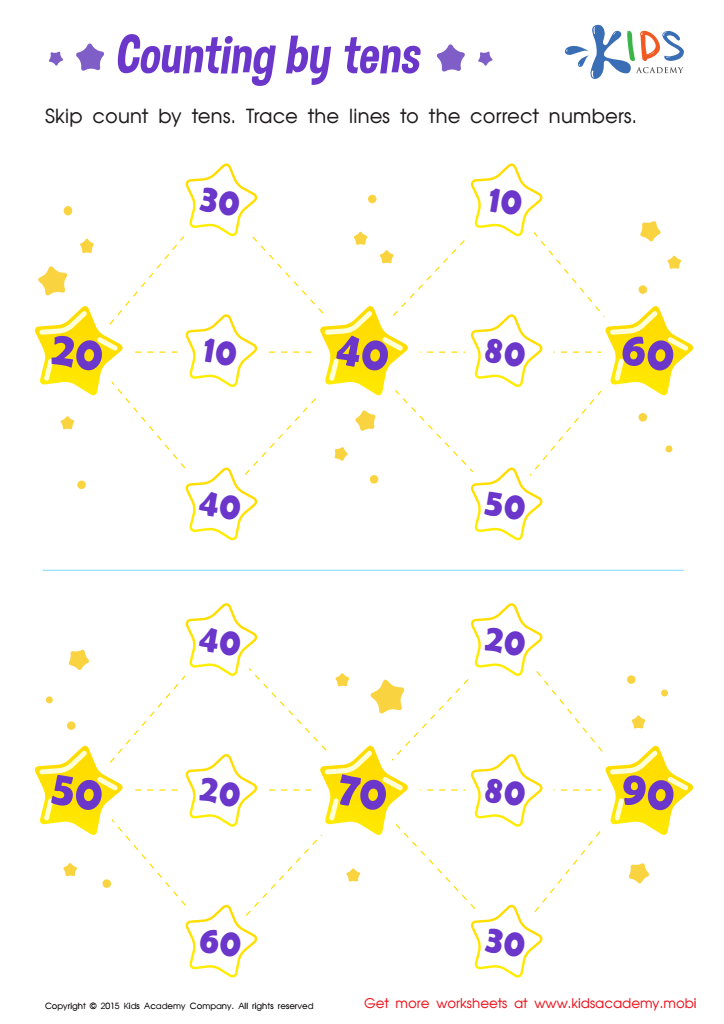
Learn Dozens: Counting by Tens Printable
 Assign to My Students
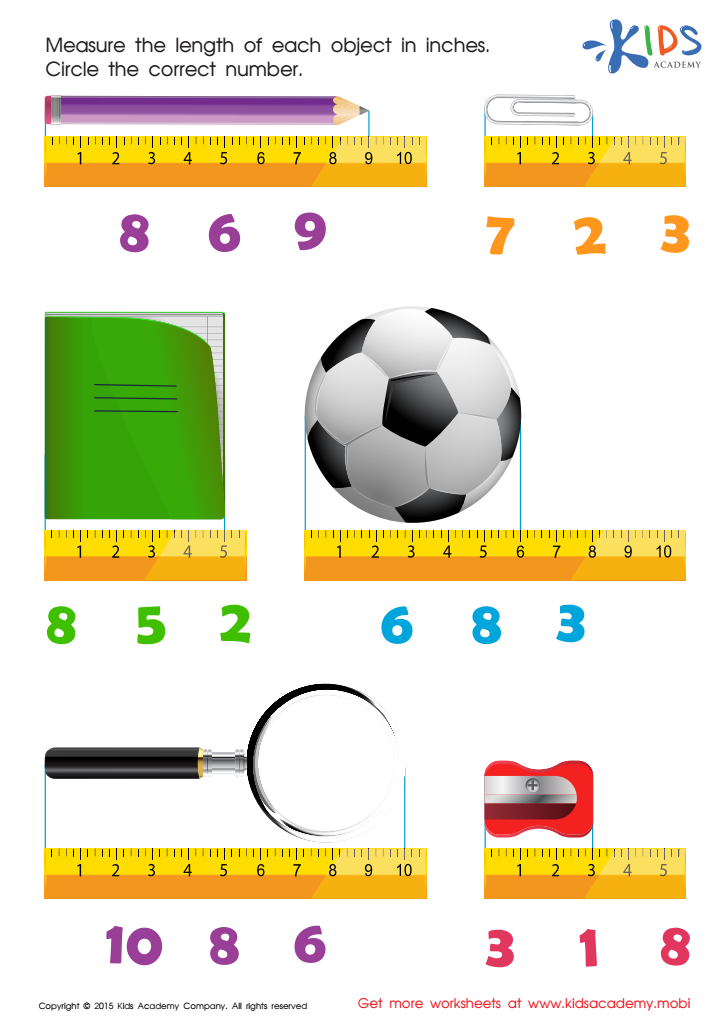
Learning measuring objects in inches Worksheet
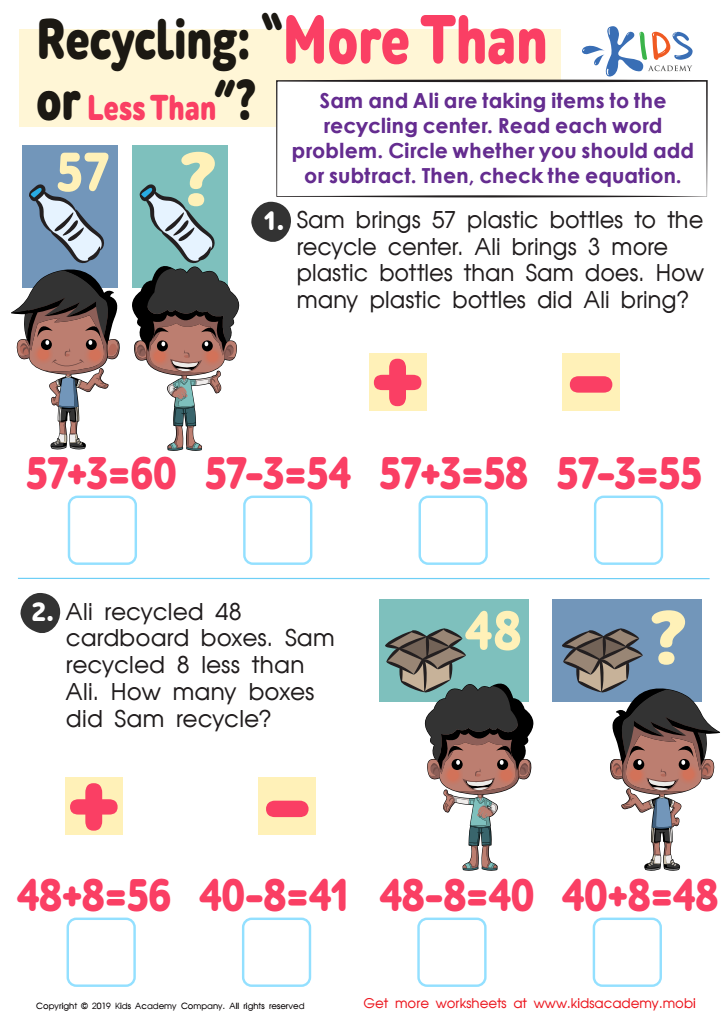
Recycling - More or Less Worksheet
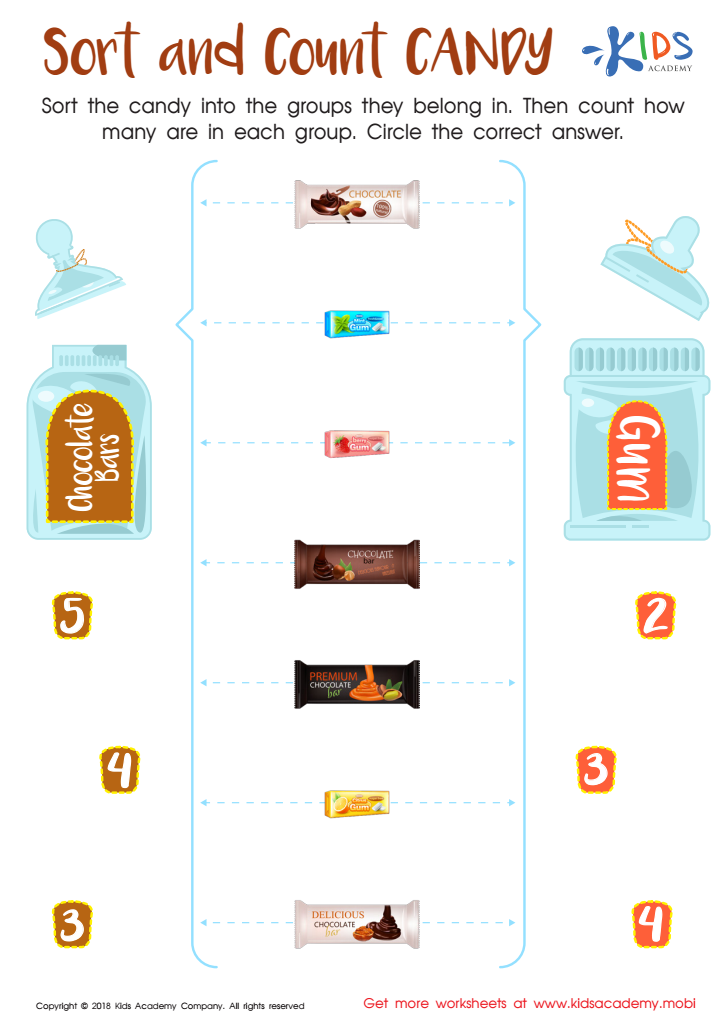
Sort and Count Candy Worksheet
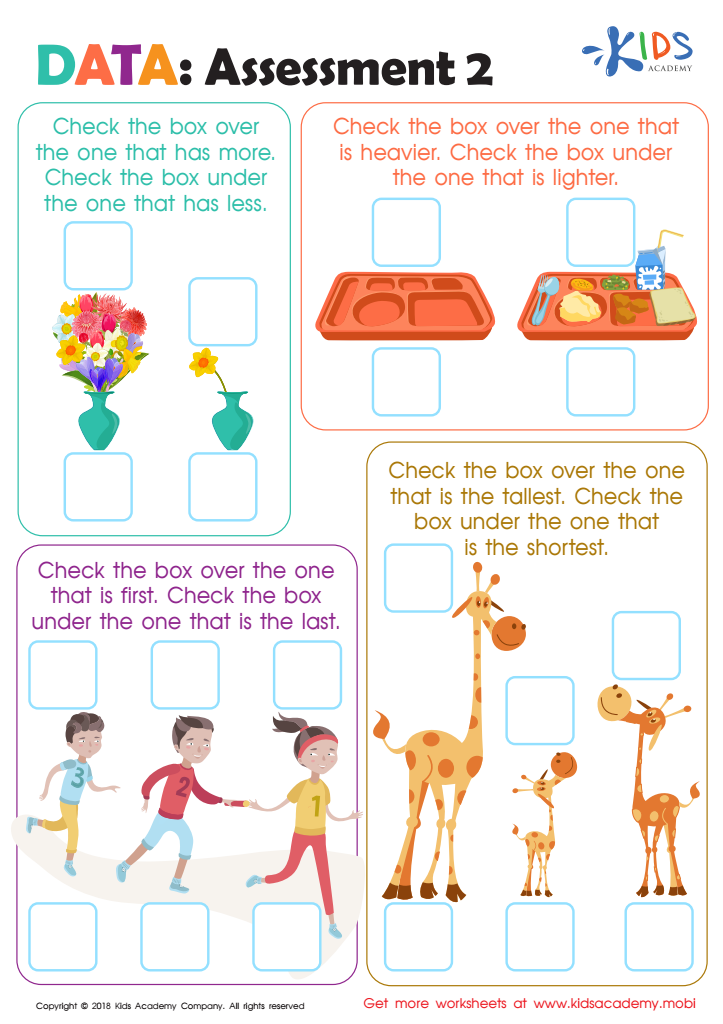
Data: Assessment 2 Worksheet
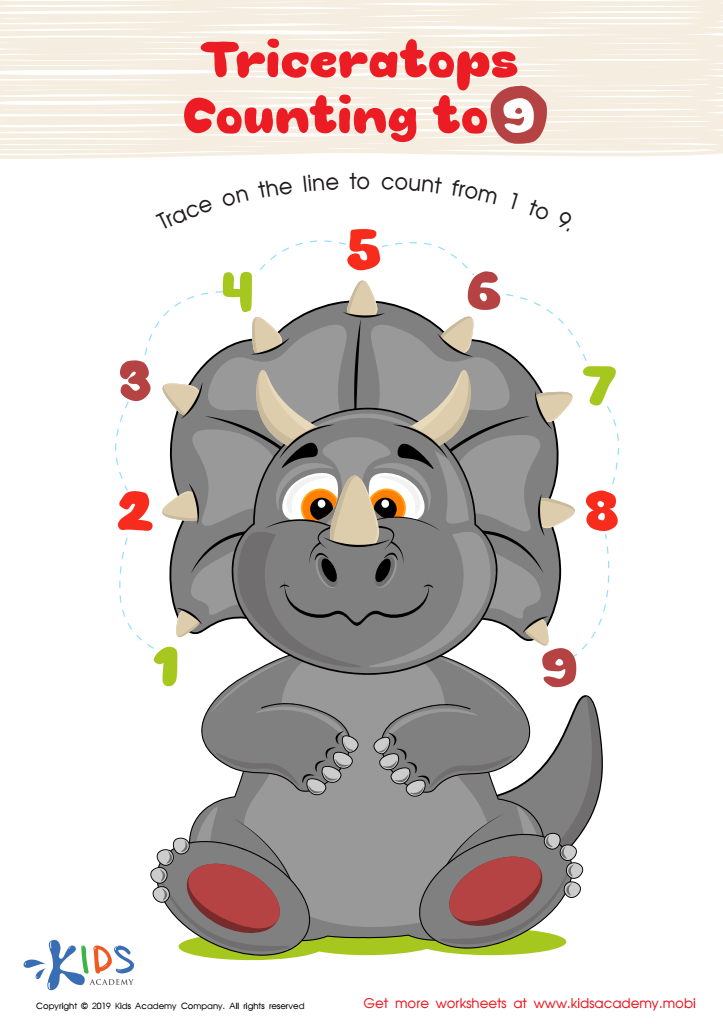
Triceratops Counting to 9 Worksheet
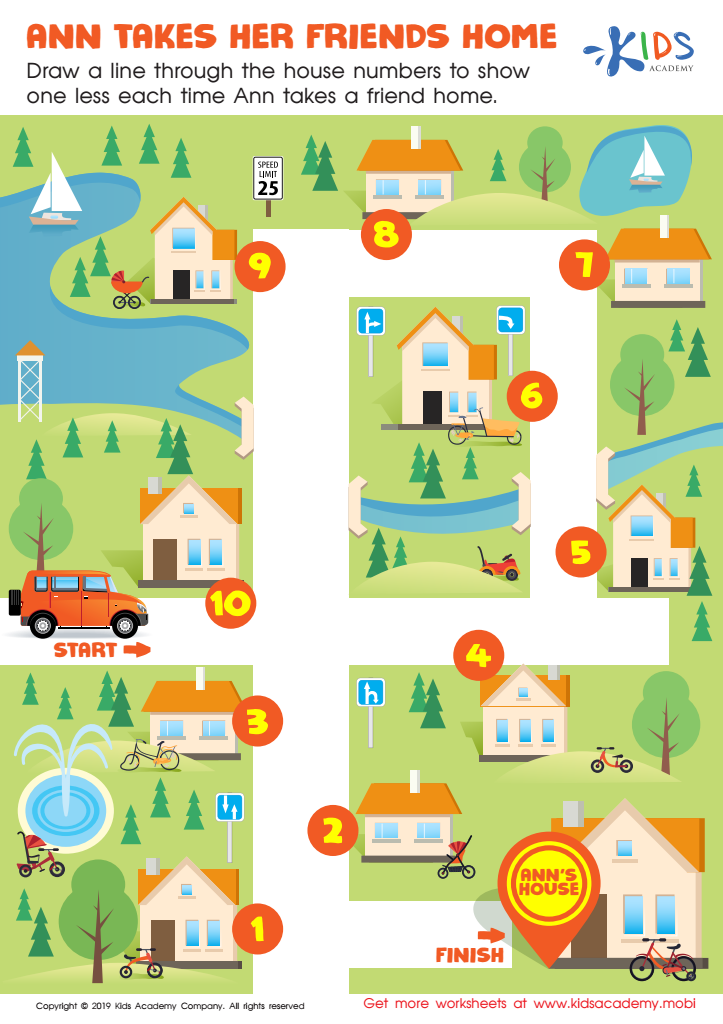
Ann Takes her Friends Home Worksheet





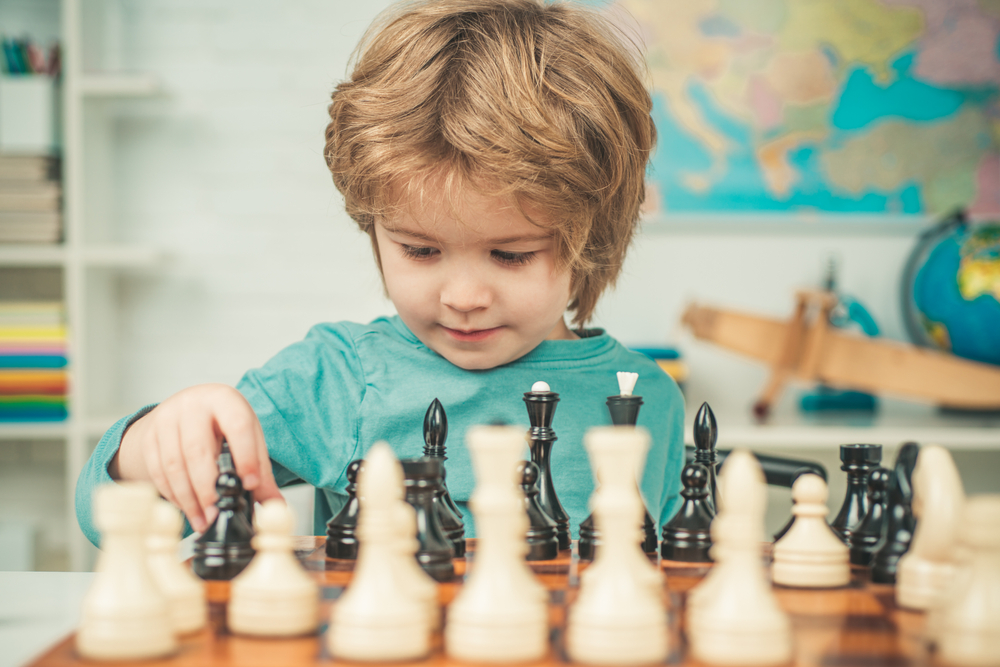

.jpg)
Basic math skills acquired in kindergarten form a critical foundation for children's future learning and academic success. Parents and teachers should care about elementary math instruction, as it fosters essential cognitive abilities, promotes problem-solving skills, and enhances children's confidence in their capabilities. Mastery of fundamental concepts such as counting, number recognition, and basic operations equips children with the tools necessary to tackle more complex math in later grades.
Early mathematical experiences can also support students' socio-emotional development. When children successfully grasp basic math concepts, they often experience increased self-esteem and a positive attitude toward learning. Additionally, early exposure to math helps children develop logical thinking, reasoning skills, and an understanding of patterns and relationships.
In a world driven by technology and data, where numeracy is increasingly linked to economic and life opportunities, a strong math foundation early on is more critical than ever. Moreover, collaborative activities and games in kindergarten create a sense of community and teamwork, fostering social skills that children will carry forward. Thus, prioritizing basic math skills in kindergarten will not only prepare children for academic challenges but also equip them for life beyond the classroom.








