
Understanding patterns Kindergarten Math Worksheets
7 filtered results
Difficulty Level
Grade
Age
-
From - To
Subject
Activity
Standards
"Understanding Patterns Kindergarten Math Worksheets" provide engaging, interactive activities designed to help young learners recognize, create, and extend patterns. These expertly crafted worksheets enhance critical thinking and problem-solving skills through fun exercises involving colors, shapes, and numbers. Perfect for classroom or home use, Kids Academy worksheets offer hands-on, visual learning that build a strong mathematical foundation. Each worksheet is tailored to capture children's interest while progressively developing their ability to identify and predict patterns. Build confidence and joy in math from an early age with these essential resources, making learning both effective and enjoyable for your kindergarten student.
Favorites
With answer key
Interactive
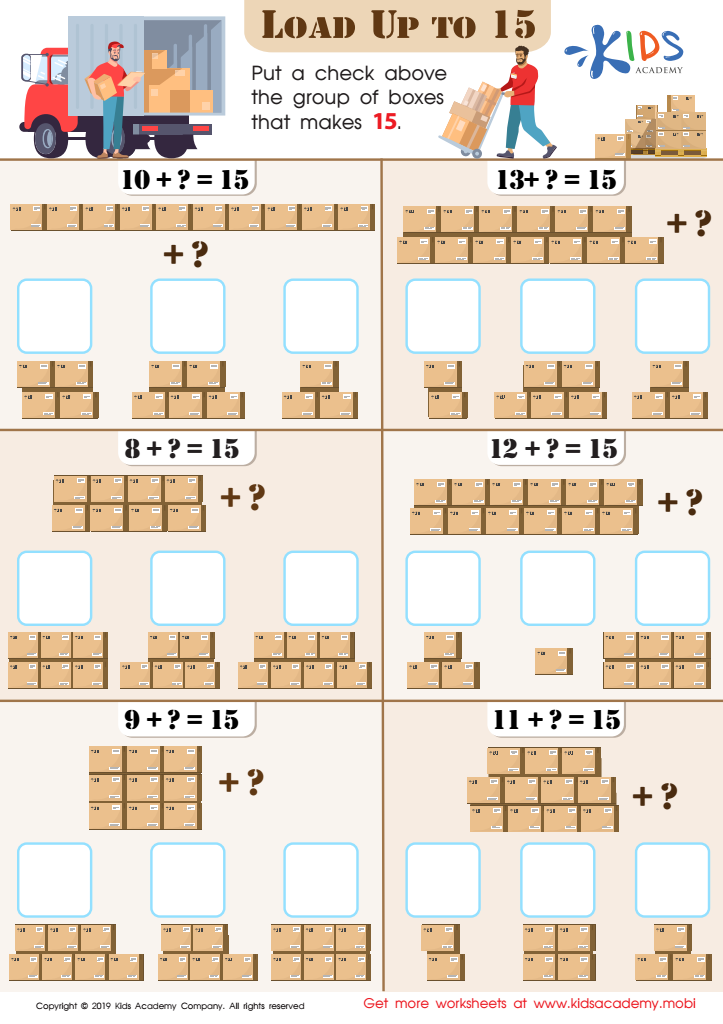
Load up to 15 Worksheet
Your students can practice addition and counting skills with this worksheet. Each equation has 6 boxes to count. Check the group that equals 15 to complete the exercise. Help your kindergartners if they need it.
Load up to 15 Worksheet
Worksheet
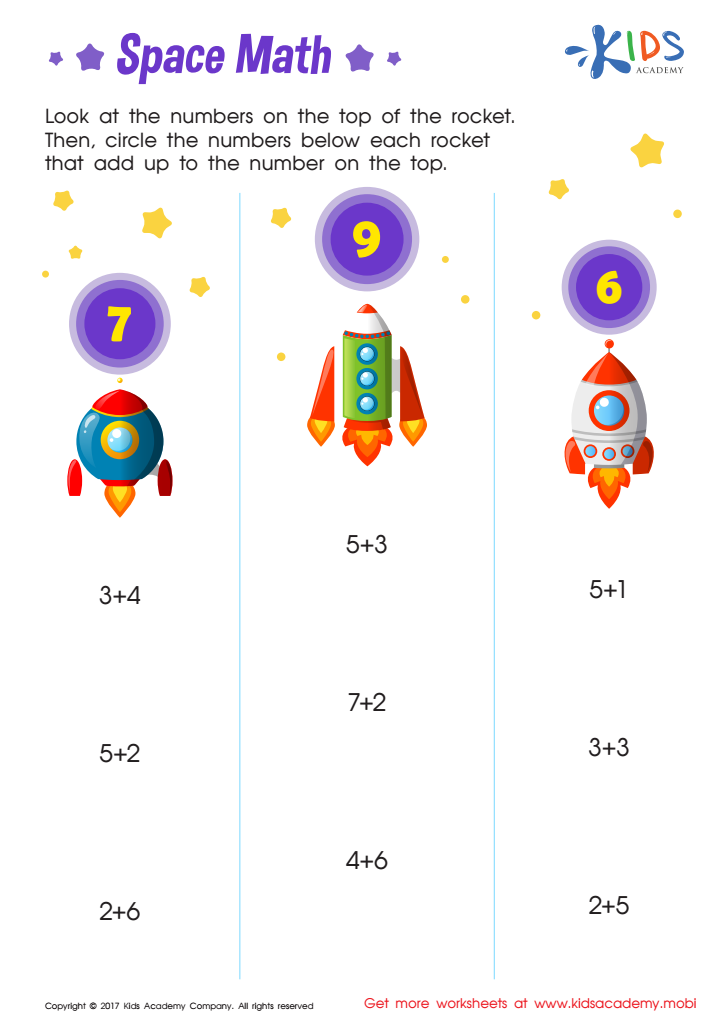
Addition: Space Math Worksheet
Fun and engaging space-themed practice with vivid pictures and matching numbers will make learning more meaningful. Take their math skills out of this galaxy today with Kids Academy!
Addition: Space Math Worksheet
Worksheet
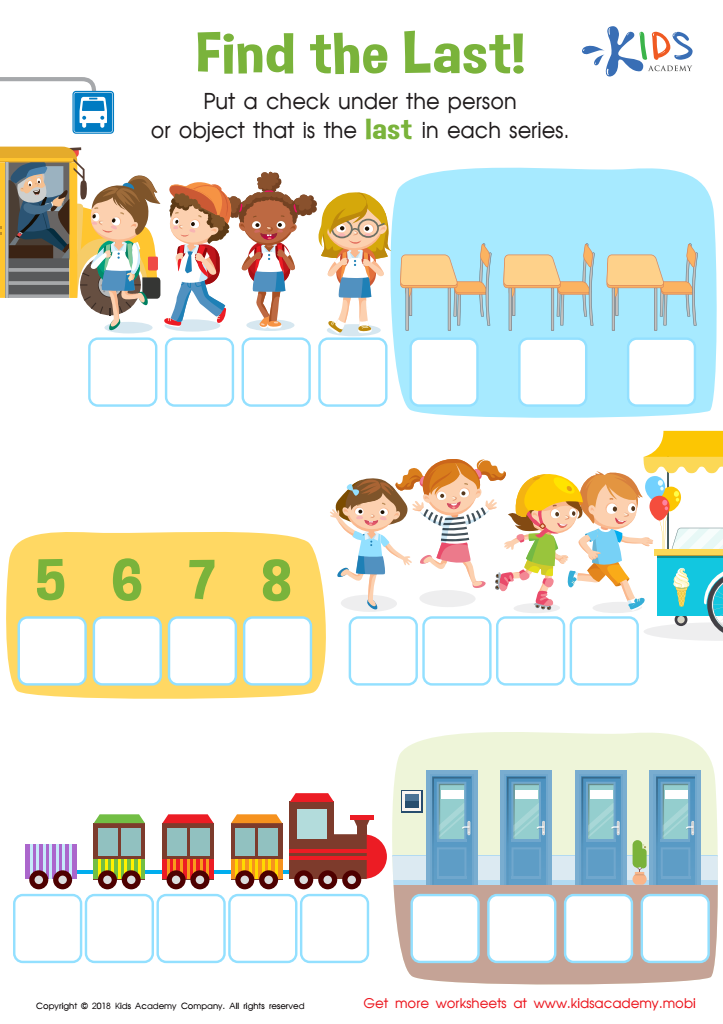
Find the Last! Worksheet
Teach young students about sequence words with this free worksheet. Have them look at sets of people or objects and choose the one that is last. Engage them further by having them describe or act out their day, and what happens last? Enjoy this printout and have fun!
Find the Last! Worksheet
Worksheet
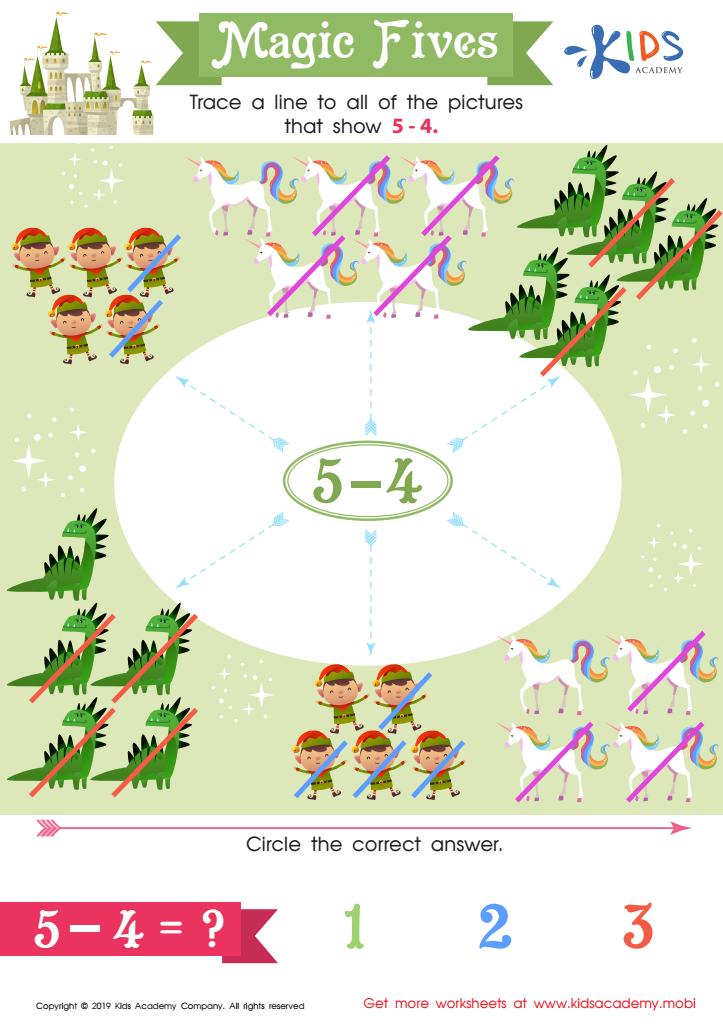
Magic Fives Worksheet
Help your students identify the objects & people in the worksheet. Point to the equation 5 -4 in the center, then get them to count the items and trace a line connecting those that add up to 5 - 4.
Magic Fives Worksheet
Worksheet
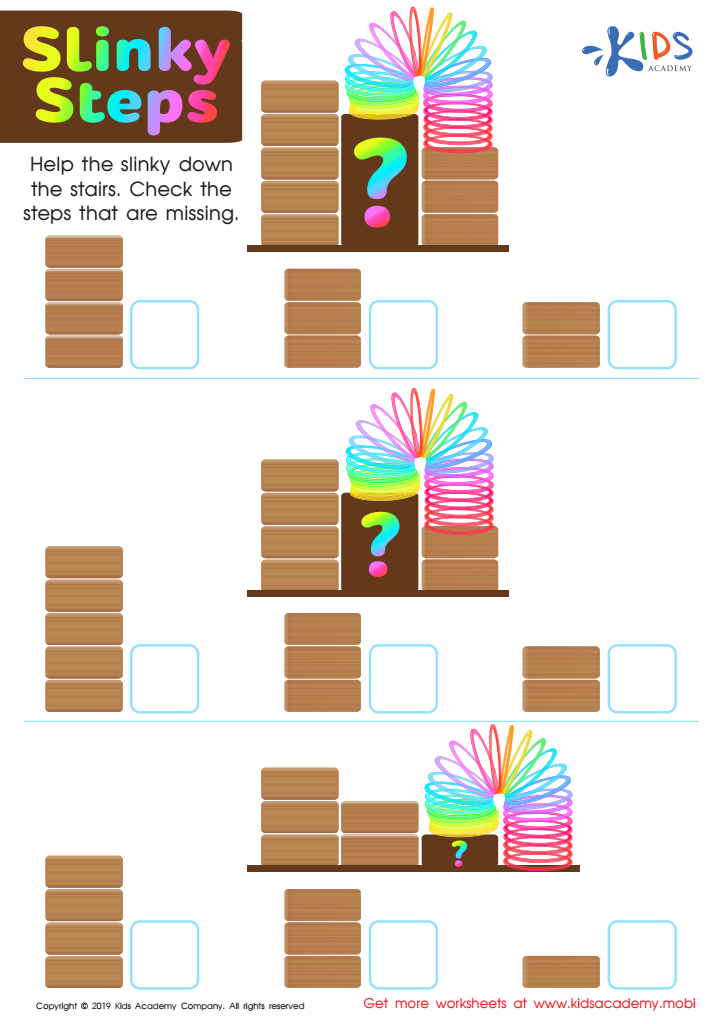
Slinky Steps Worksheet
Help your kids improve their counting and math skills with this fun worksheet! Challenge them to help the slinky make its way down the stairs by selecting and checking the missing steps. Your assistance is key - get the printout and let them practice. It's the best way to becoming better in maths!
Slinky Steps Worksheet
Worksheet
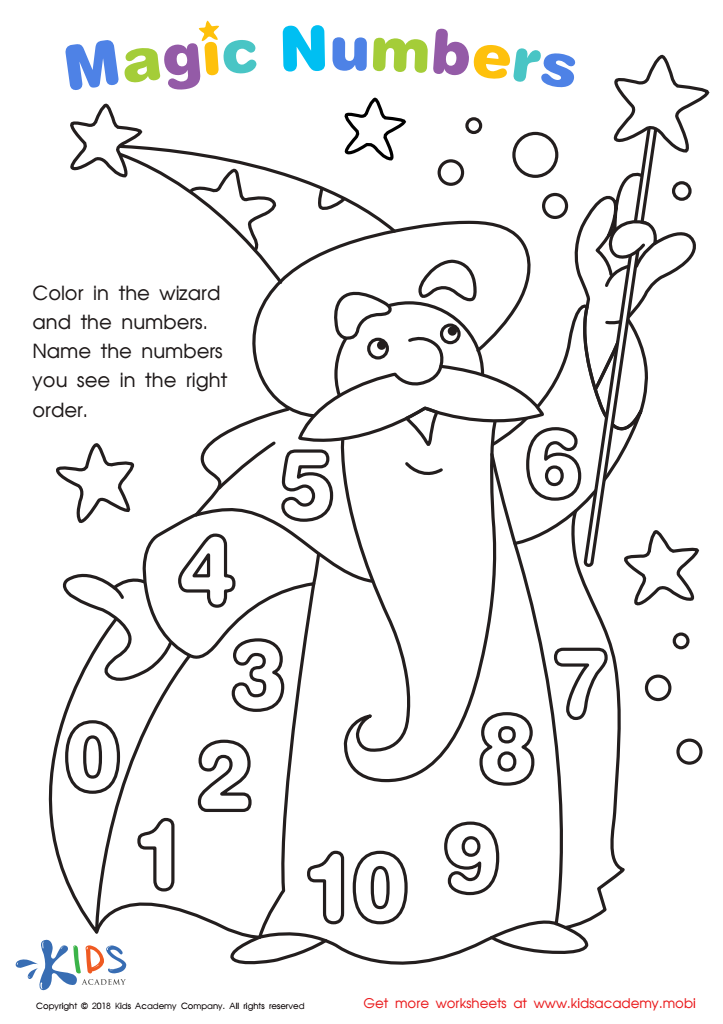
Magic Numbers Worksheet
Does your child have an interest in magic? Here's something they'll love - a coloring sheet featuring a wizard! Ask them to name the numbers from smallest to highest, then let them pick colors to color in the wizard and the numbers. It's sure to excite them!
Download (PDF)
 Assign to My Students
Assign to My Students
Magic Numbers Worksheet
Worksheet
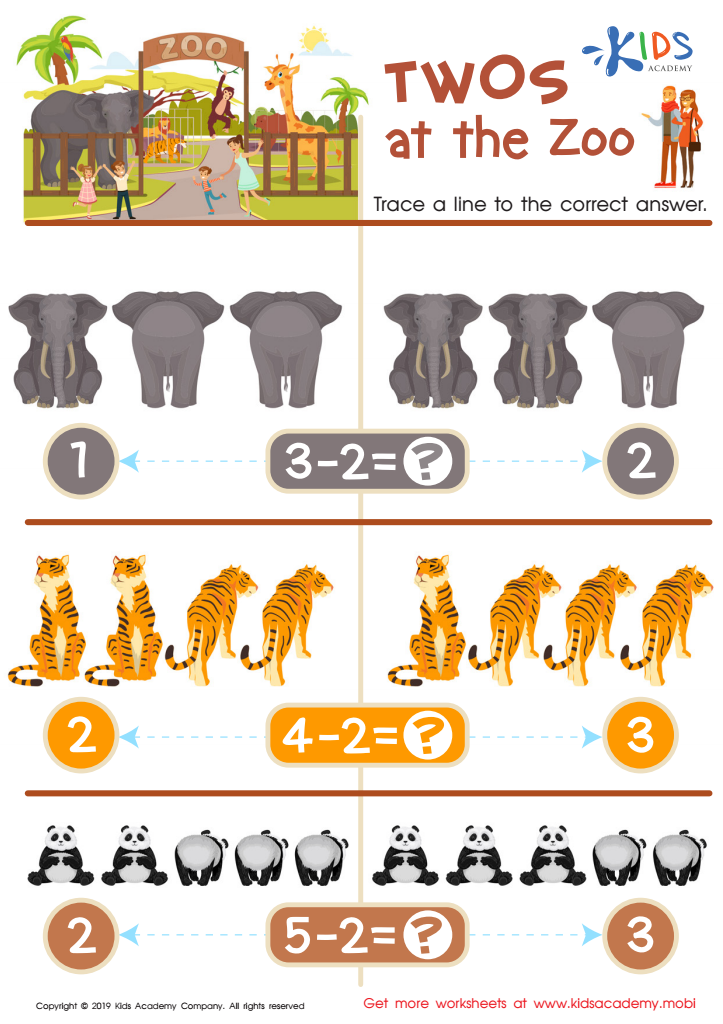
Twos at the Zoo Worksheet
At the zoo, your kids can have fun with animals. Ask them to name their favorite ones and identify them in the printout. Count animals in each group together, then help your kids solve the equations and trace a line to the answer. It's an enjoyable way to combine learning and exploration!
Twos at the Zoo Worksheet
Worksheet
Join Kids Academy for Free
Who is primarily going to use this learning content?






.jpg)
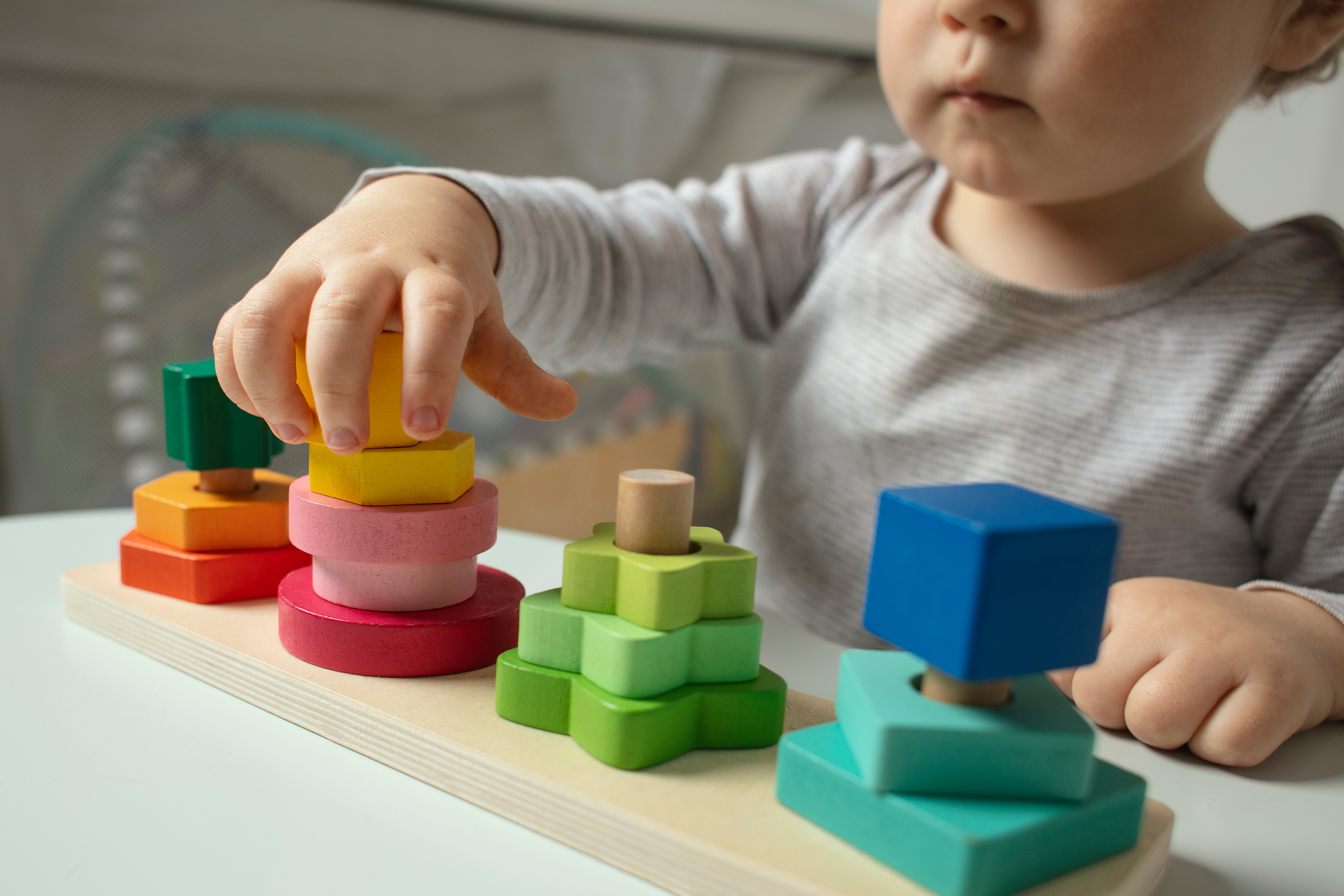
Understanding patterns in kindergarten math is vital for young learners as it forms the foundation for their overall mathematical development and logical thinking. Patterns help children recognize order and predictability in their environment, which enhances their cognitive skills. By identifying and creating patterns, kids develop early problem-solving abilities and learn to make connections between different concepts, which is essential for future math topics like addition, subtraction, and algebra.
For teachers and parents, nurturing pattern recognition addresses more than just mathematical proficiency; it fosters critical thinking, attention to detail, and memory skills. Engaging kids with patterns, whether through repetitive exercises, sequencing activities, or rhythm games, helps them grasp basic math principles in an enjoyable and meaningful way. This early exposure encourages a positive attitude towards math and diminishes math anxiety.
Moreover, understanding patterns is aligned with developmental milestones in kindergarten. It enhances children's verbal skills as they articulate their pattern rules, supporting language development. Overall, strengthening pattern recognition should be a collaborative effort between parents and teachers, as it equips children with essential skills that stretch beyond math, aiding in various areas of learning and daily life. By prioritizing pattern activities, we lay a robust groundwork for academic success and lifelong cognitive abilities.








