Basic counting skills Kindergarten Numbers 0–10 Worksheets
5 filtered results
-
From - To
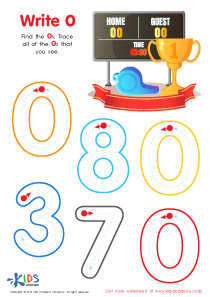
Introduce your child to the fundamental world of numbers with our "Basic Counting Skills Kindergarten Numbers 0-10 Worksheets." Designed to lay a strong mathematical foundation, these engaging worksheets help children recognize, count, and write numbers from 0 to 10. Packed with a variety of fun activities such as matching, coloring, and tracing, these exercises boost fine motor skills and numerical fluency. Perfect for hands-on learning both in the classroom and at home, our worksheets ensure a solid grasp of essential counting skills, making the first steps of your child’s math journey enjoyable and effective. Enhance learning with our expertly crafted resources!
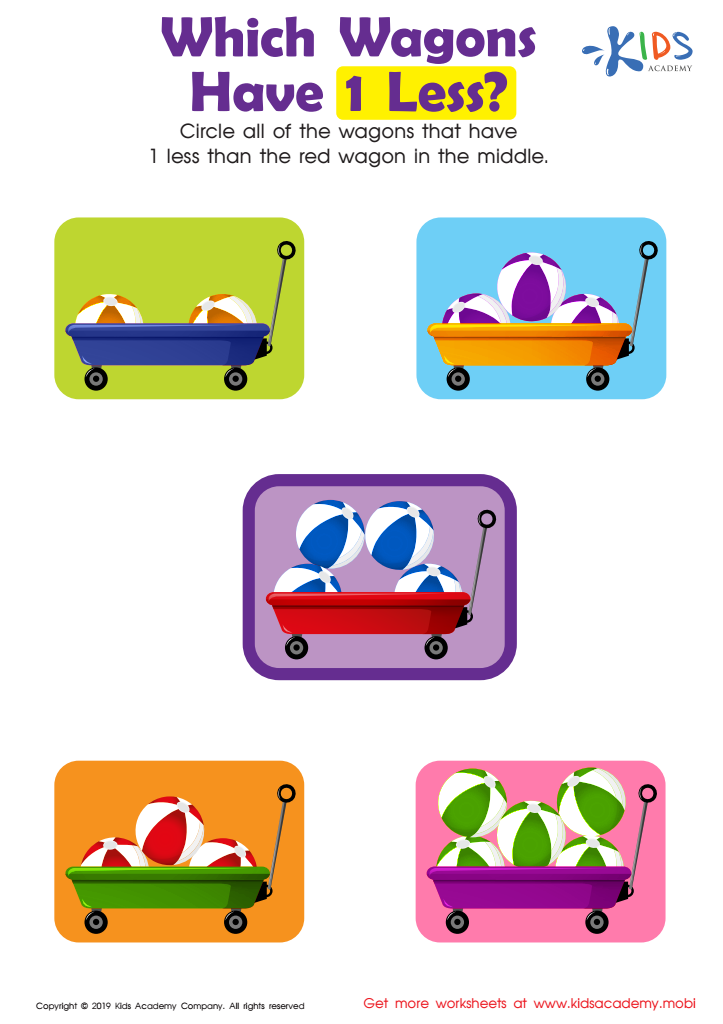
Which Wagons Have 1 Less? Worksheet
 Assign to My Students
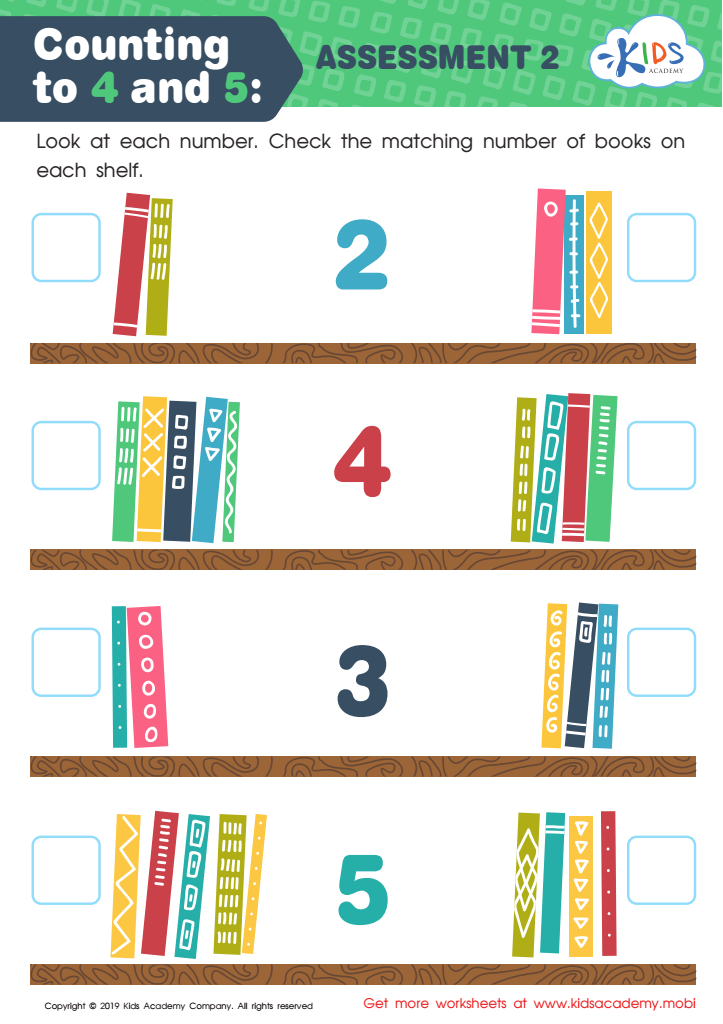
Counting to 4 and 5: Assessment 2 Worksheet
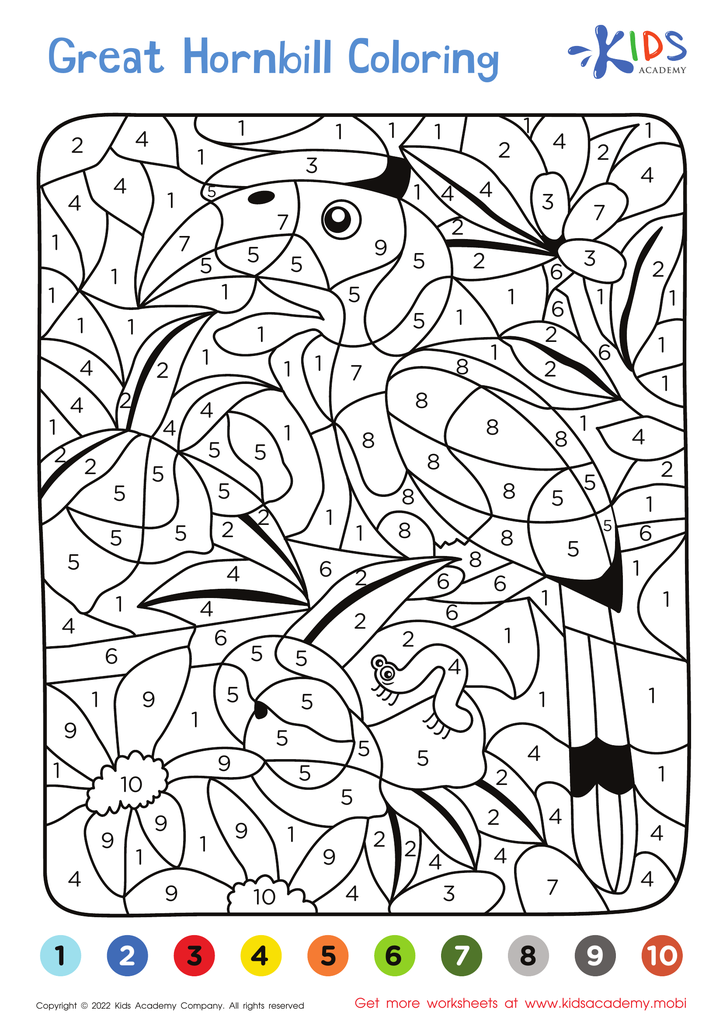
Great Hornbill – Coloring by Numbers
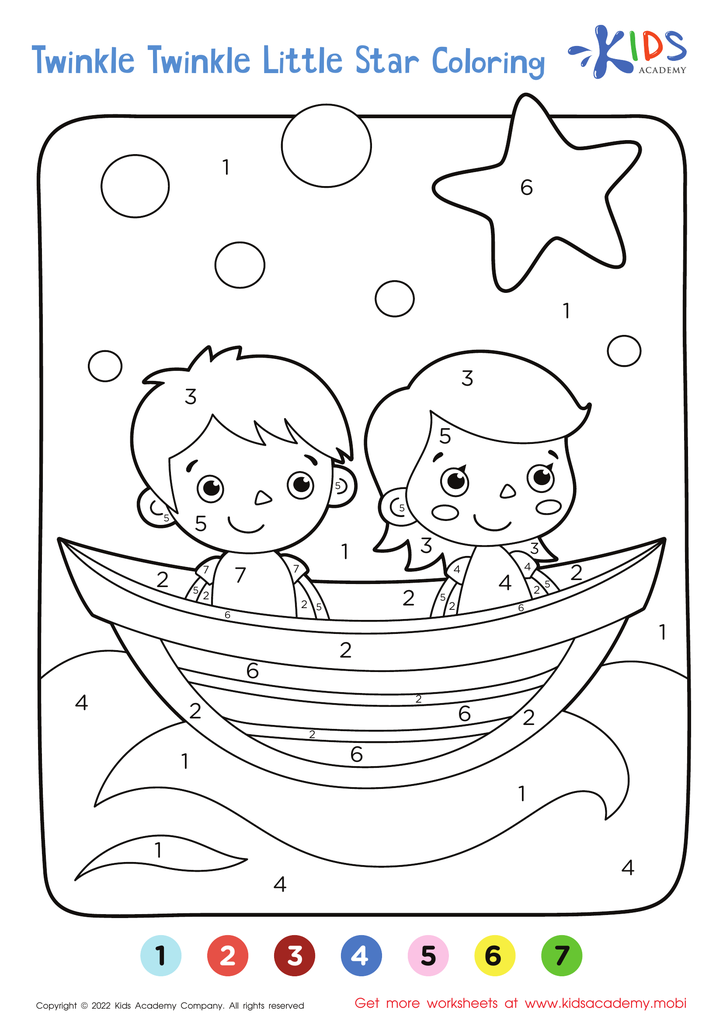
Twinkle, Twinkle, Little Star – Coloring by Numbers
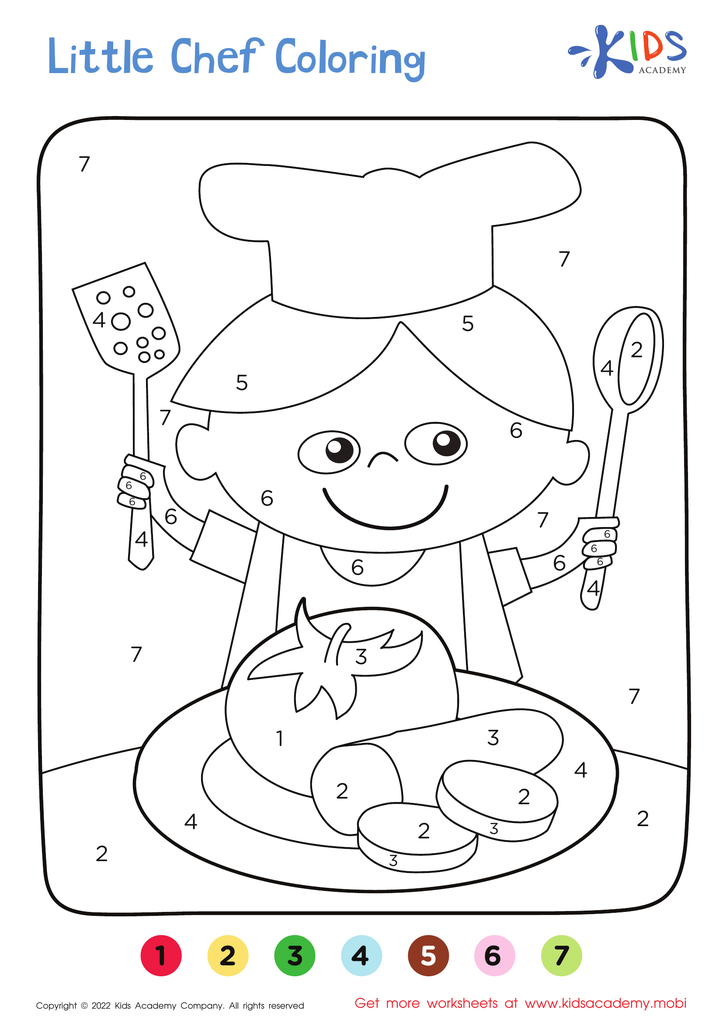
Little Chef – Coloring by Numbers


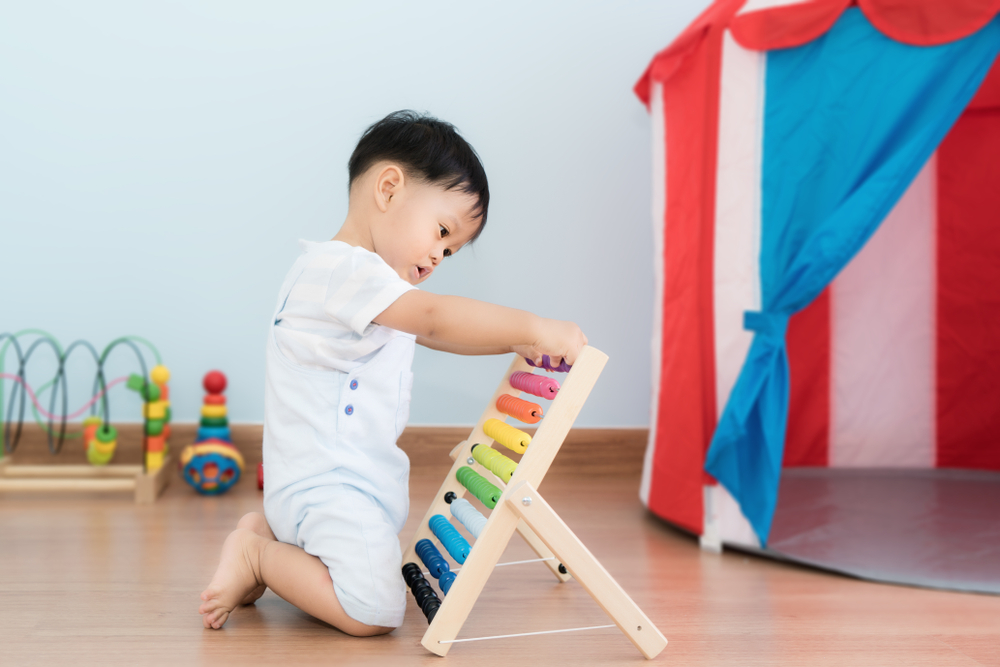

Basic counting skills, specifically for numbers 0–10, lay the foundational framework upon which future mathematical understanding is built. For parents and teachers, ensuring that a child masters these skills in kindergarten is crucial for several reasons. First, early proficiency in counting is directly linked to numerical literacy, allowing children to grasp more complex mathematical concepts as they progress in their academic journey. This fundamental skill is essential for understanding concepts such as addition, subtraction, number patterns, and comparisons.
Furthermore, basic counting skills contribute significantly to cognitive development. They enhance a child’s ability to classify and organize information, sharpen memory, and improve concentration. These cognitive benefits extend beyond math class, aiding overall academic performance.
In terms of real-world applications, counting fosters practical life skills. Counting the number of toys, snacks, or peers in a classroom helps children connect theoretical math to everyday experiences, reinforcing the relevance and importance of numerical competence.
Lastly, being adept in basic counting boosts confidence and reduces anxiety associated with math learning. Early positive experiences with counting build a strong self-esteem and a “can-do” attitude towards more challenging tasks. Thus, parents and teachers should prioritize the development of these skills to set children on a path of continued success and enjoyment in mathematics.