Color recognition Kindergarten Numbers 0–10 Worksheets
9 filtered results
-
From - To
Introduce your kindergartners to the vibrant world of numbers with our engaging Color Recognition Kindergarten Numbers 0-10 Worksheets. Designed by educational experts, these fun and interactive worksheets combine number learning with color recognition to build foundational math skills. Through delightful illustrations and creative activities, children will practice identifying and coloring numbers from 0 to 10, enhancing their numerical understanding and artistic expression. Ideal for classroom or home use, our worksheets provide a playful yet educational experience that makes learning numbers an exciting adventure. Encourage your little learners to discover and enjoy the colorful journey of numeracy!
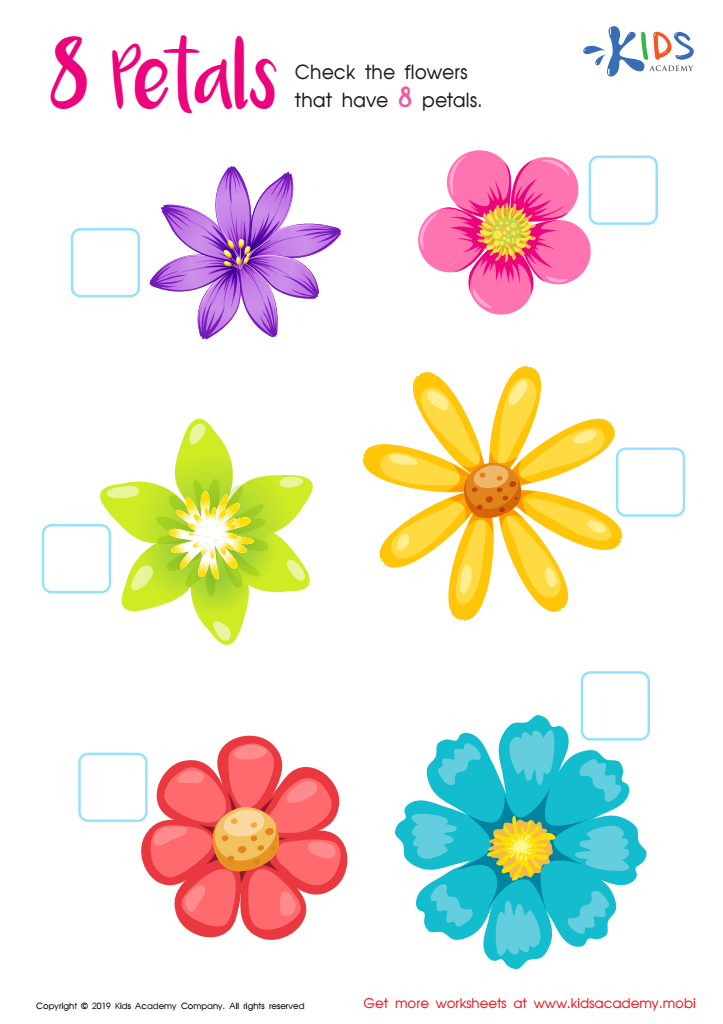
8 Petals Worksheet
 Assign to My Students
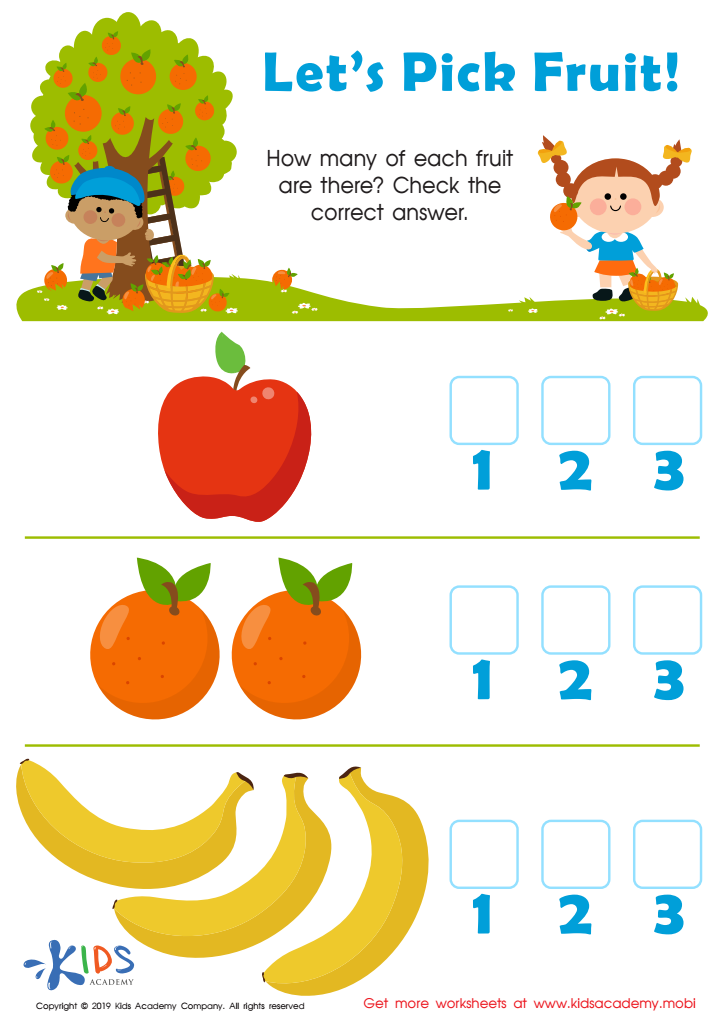
Let's Pick Fruit Worksheet
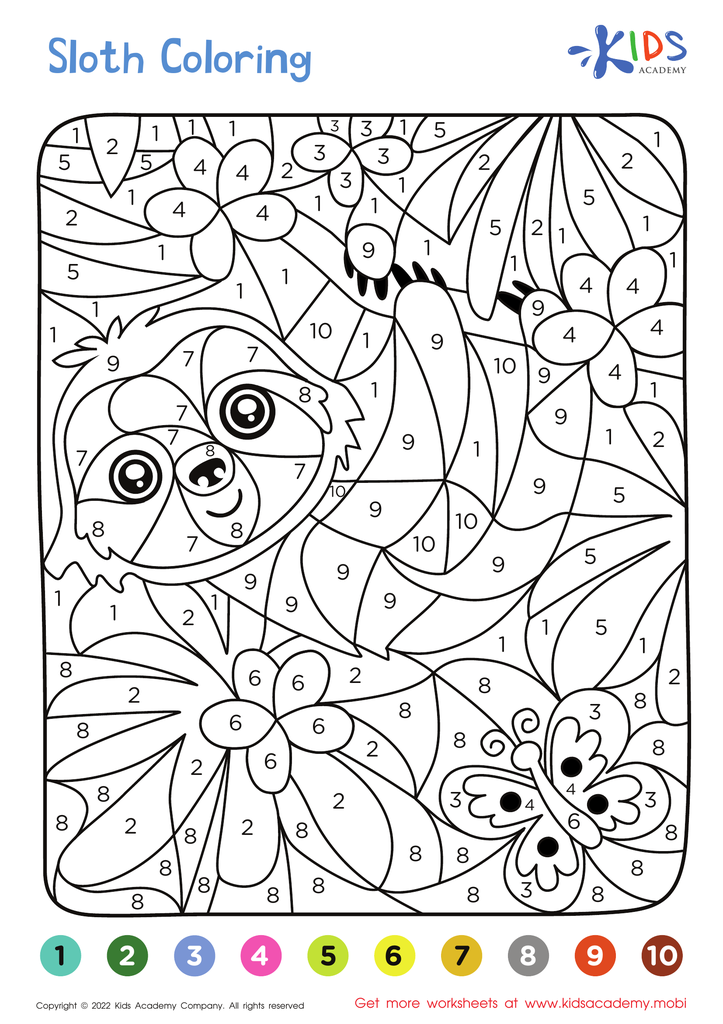
Sloth – Coloring by Numbers
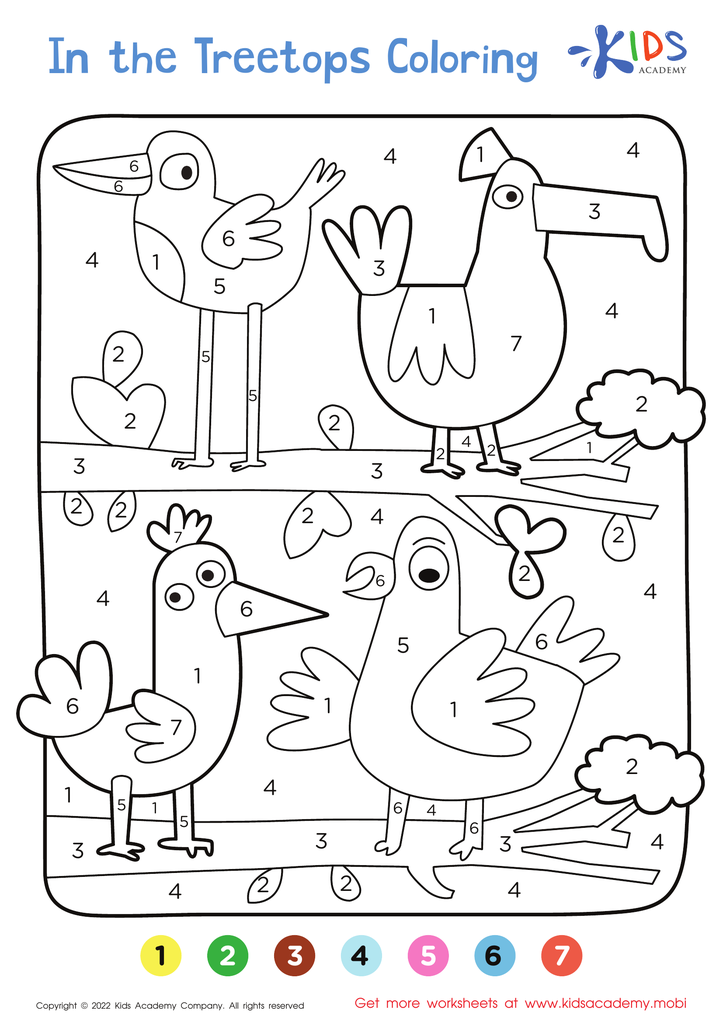
In the Treetops – Coloring Page
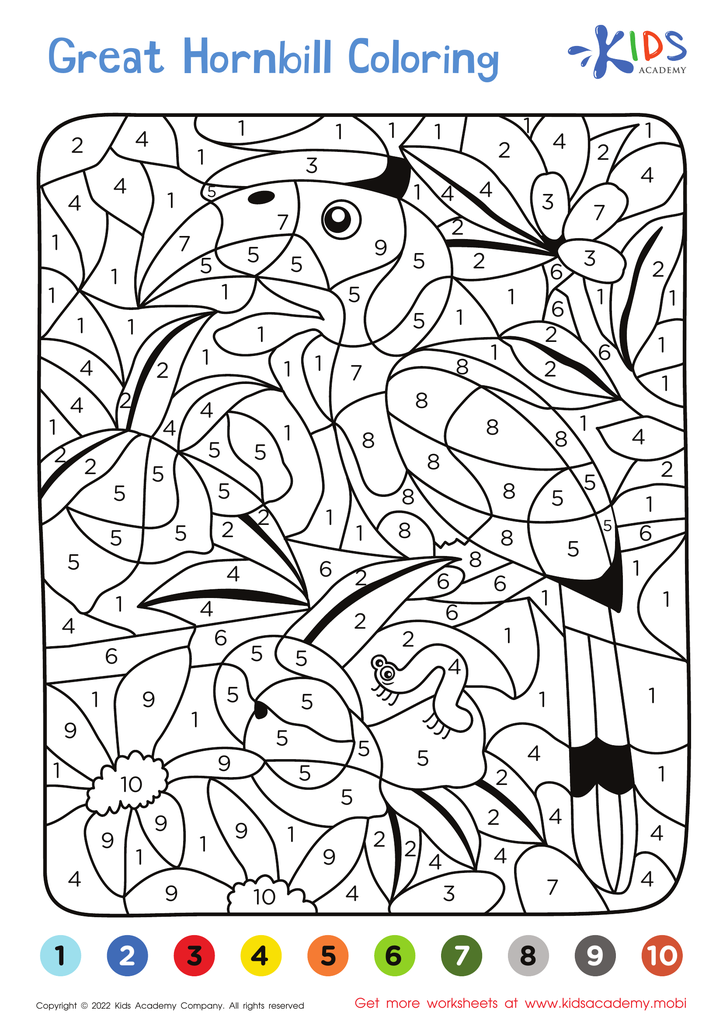
Great Hornbill – Coloring by Numbers
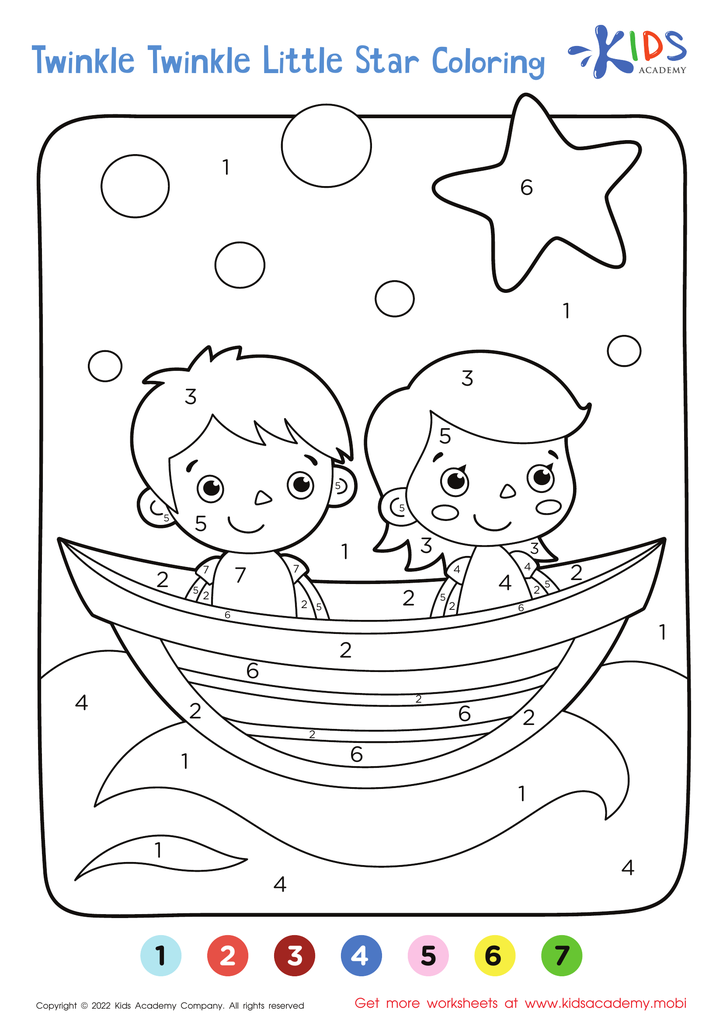
Twinkle, Twinkle, Little Star – Coloring by Numbers
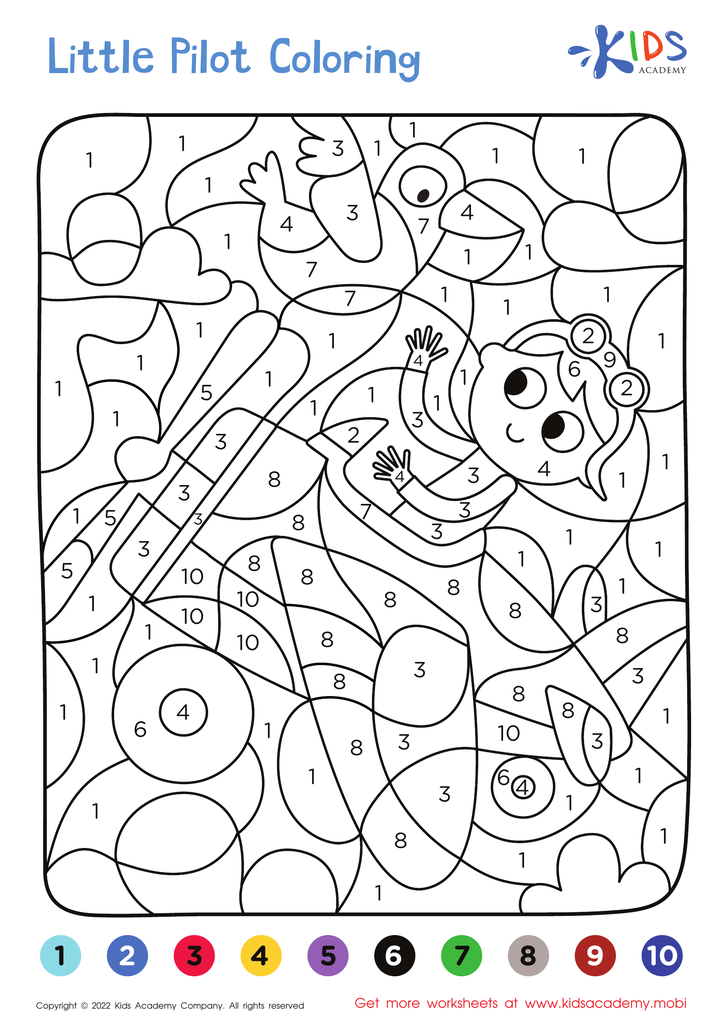
Little Pilot – Coloring by Numbers
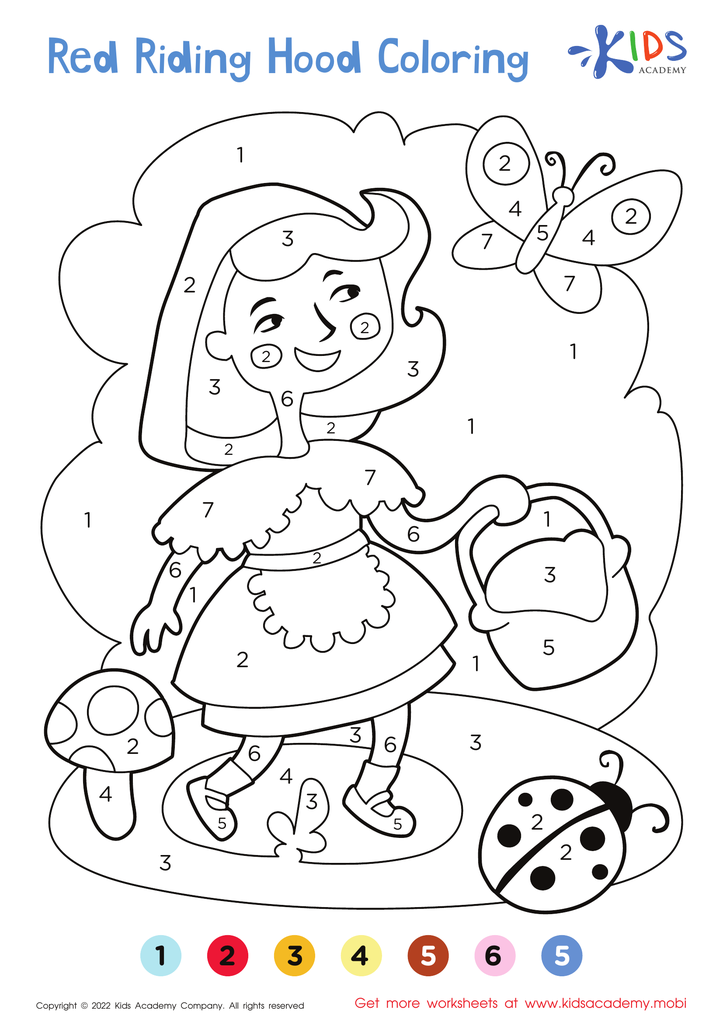
Little Red Riding Hood – Coloring by Numbers
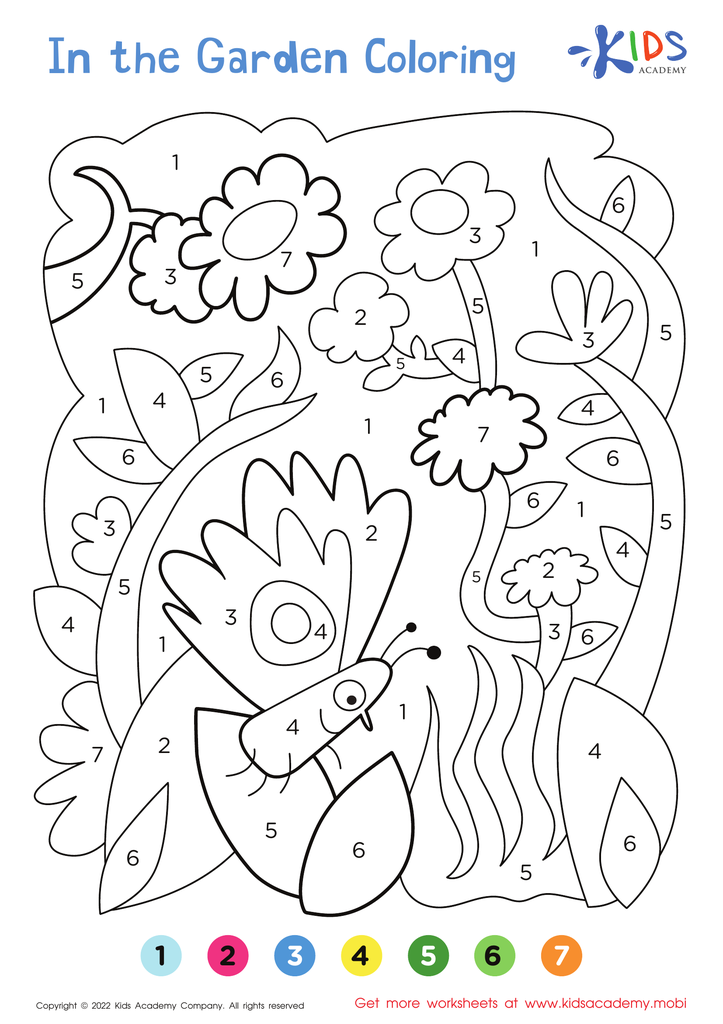
In the Garden – Coloring by Numbers




Color recognition and number recognition from 0–10 are fundamental skills that set the stage for future learning in children, and it’s important for both parents and teachers to prioritize these aspects in early education.
Firstly, color recognition is crucial for young children. Identifying and naming colors enhances their cognitive abilities, aids in literacy, and supports proper communication. Color differentiation lays the groundwork for sorting, categorizing, and following patterns, which are important skills in math and science disciplines. Additionally, it helps children describe and understand the world around them, deepening their observational skills and creativity.
Similarly, recognizing numbers from 0–10 is vital for developing early math skills. It's the building block for more complex mathematical operations like addition, subtraction, and place value, which they'll encounter as they progress through their education. Early number recognition allows children to understand quantities, make comparisons, and recognize sequences. It also develops their problem-solving skills and logical thinking, which are beneficial across all areas of learning.
Moreover, success in color and number recognition fosters a sense of achievement and builds self-confidence. It sets a positive tone for lifelong learning as children feel more competent and engaged. By nurturing these skills, parents and teachers equip children with the essential tools they need to thrive academically and socially.