Number Recognition Kindergarten Word Problems Worksheets
18 filtered results
-
From - To
Enhance your kindergarten classroom with our Number Recognition Kindergarten Word Problems Worksheets, designed to blend fun with foundational math skills! These engaging worksheets help children seamlessly transition from number recognition to solving practical, age-appropriate word problems. Each activity nurtures critical thinking, problem-solving abilities, and familiarity with numbers 1-20. Perfect for individual practice or group work, our worksheets accommodate various learning styles and paces. Boost your young learners' confidence and enjoyment in math, laying a strong foundation for future success. Explore our resources and watch your students thrive with an engaging and interactive approach to early math learning!
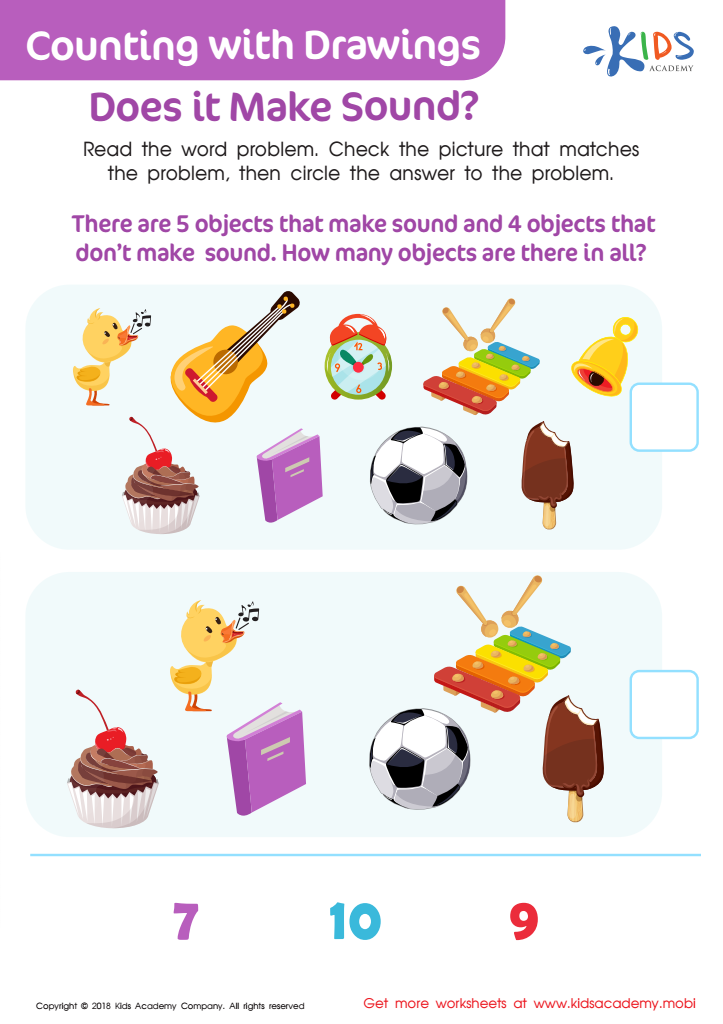
Counting With Drawings. Does It Make Sound? Worksheet
 Assign to My Students
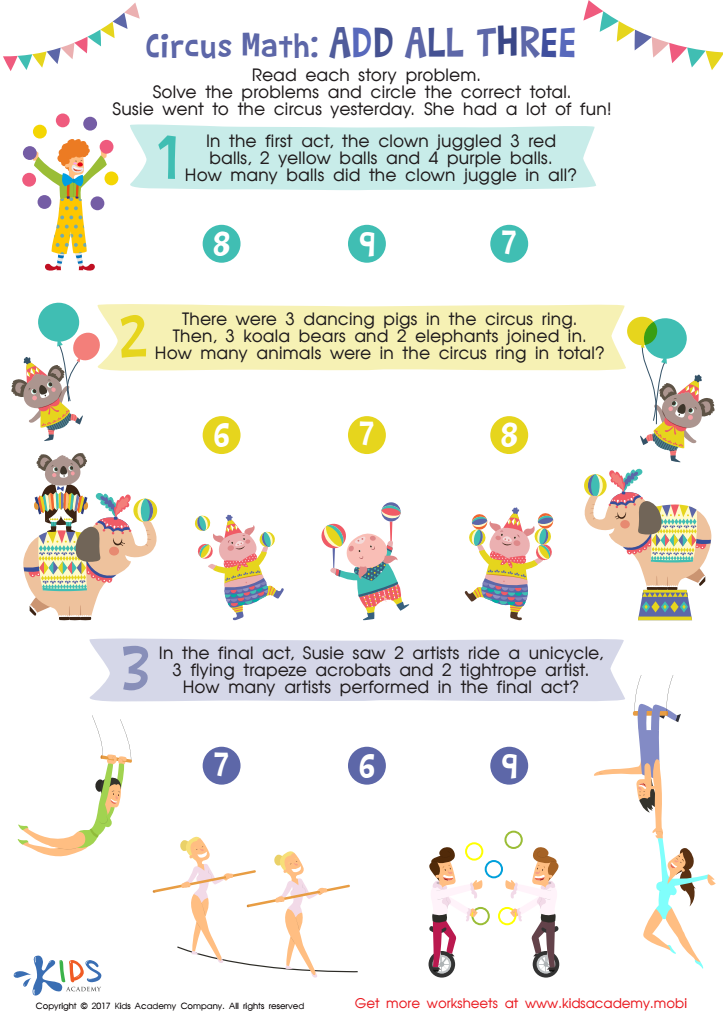
Circus Math Printable
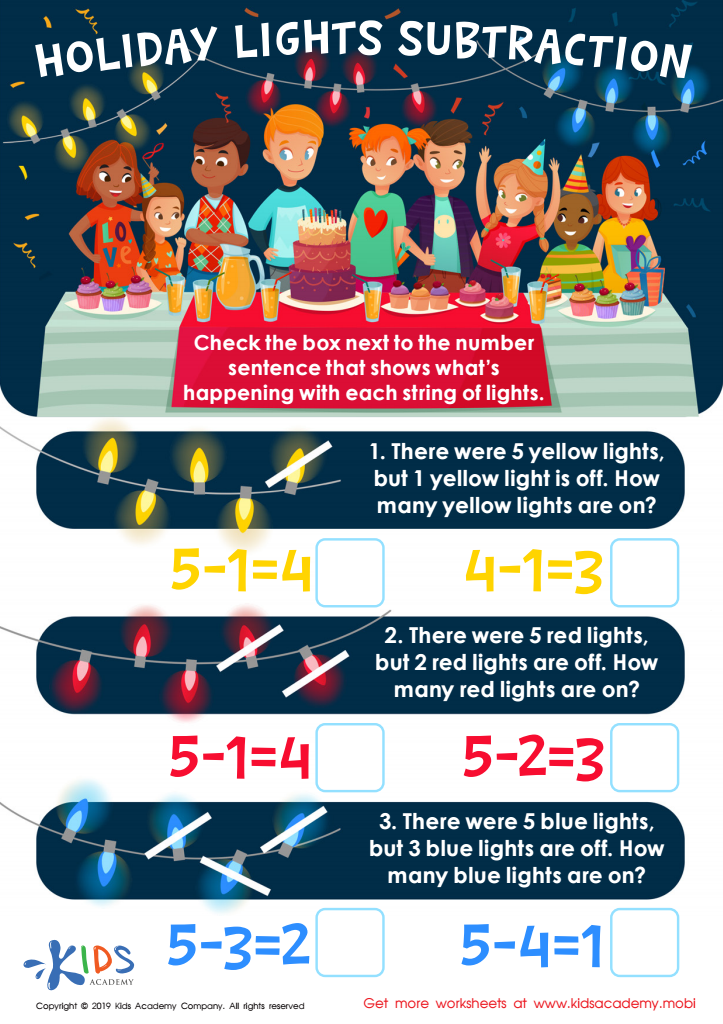
Holiday Lights Subtraction Worksheet
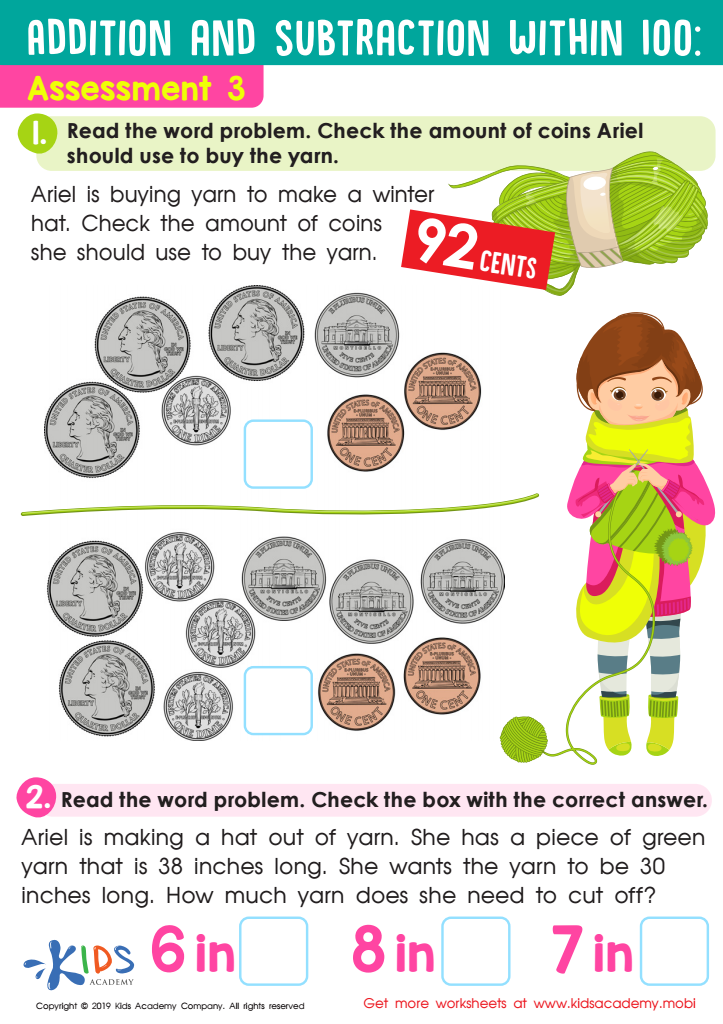
Assessment 3 Math Worksheet
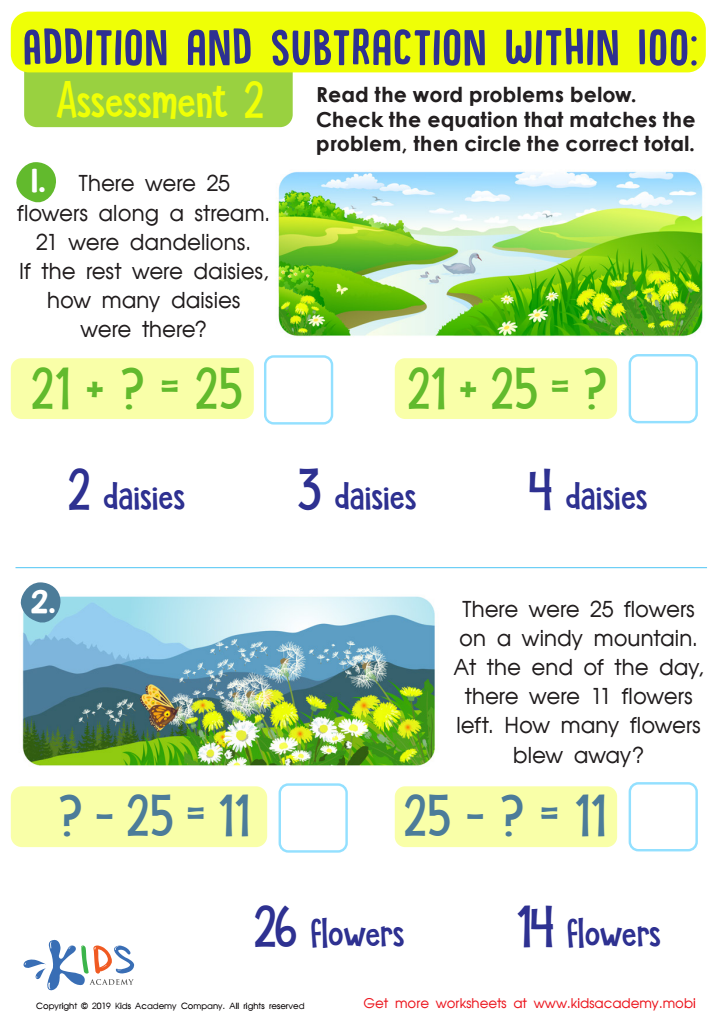
Assessment 2 Math Worksheet
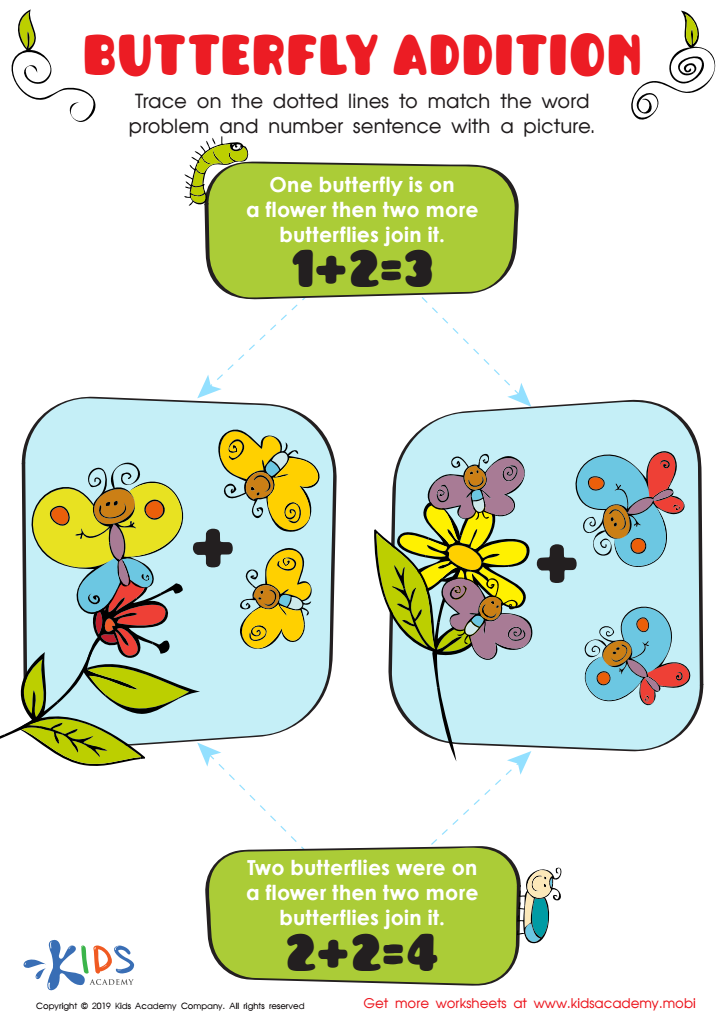
Butterfly Addition Worksheet
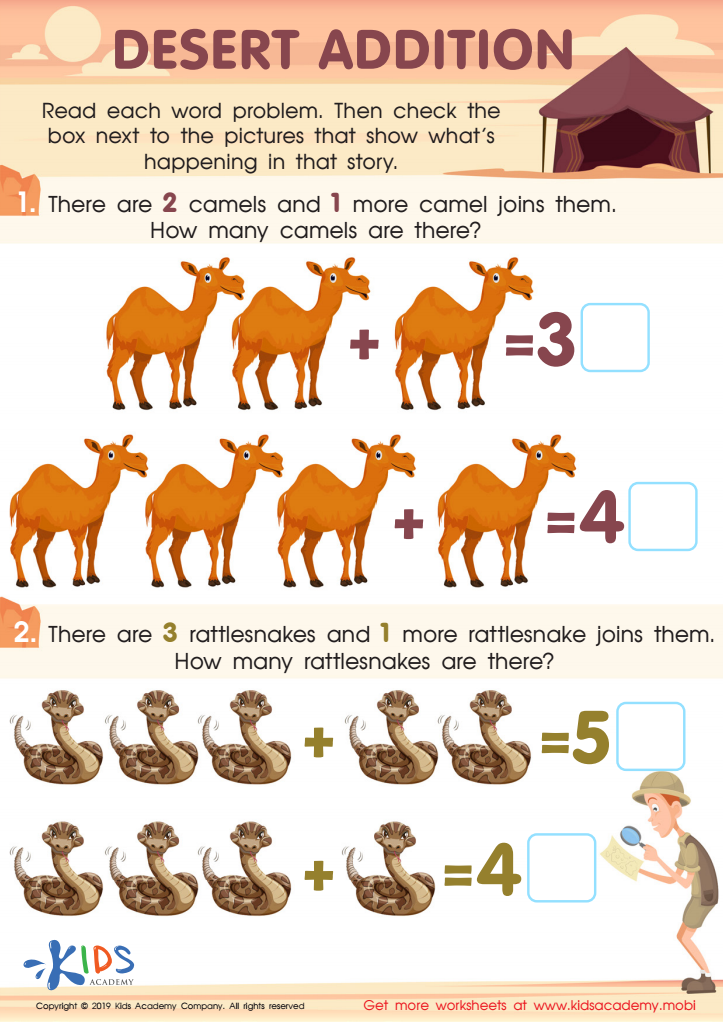
Desert Addition Worksheet
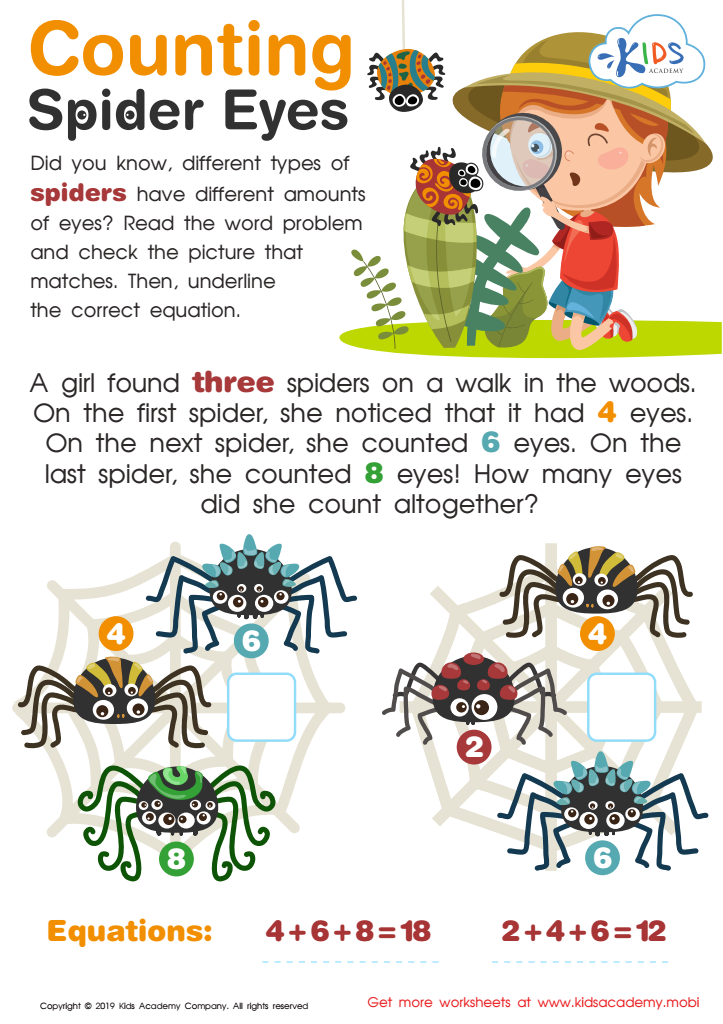
Counting Spider Eyes Worksheet
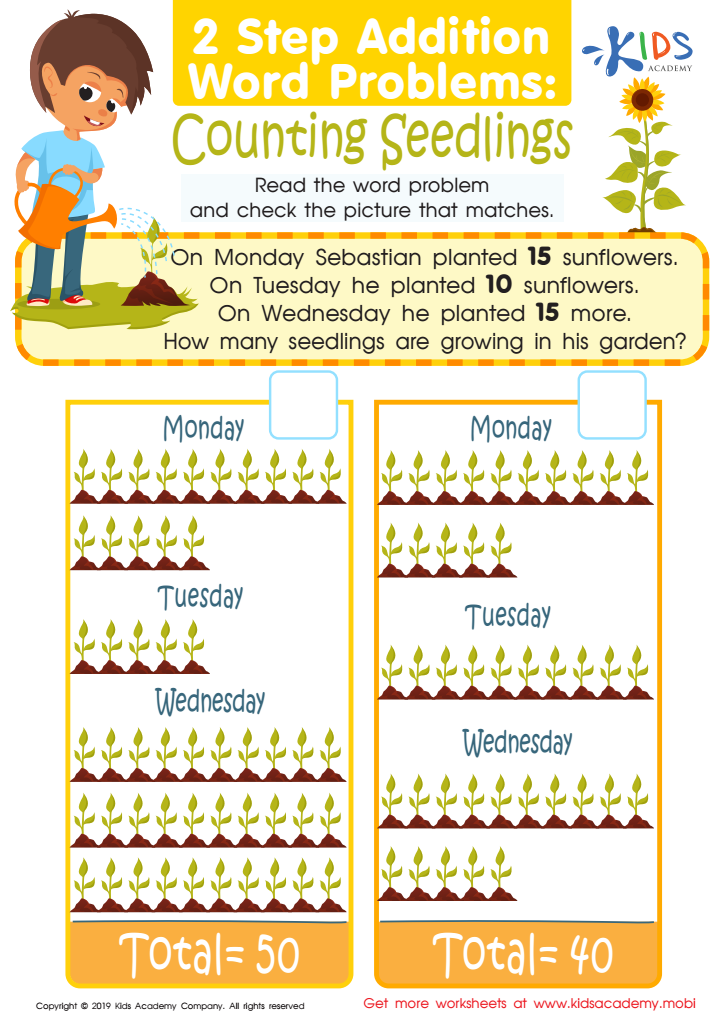
Counting Seedlings Worksheet
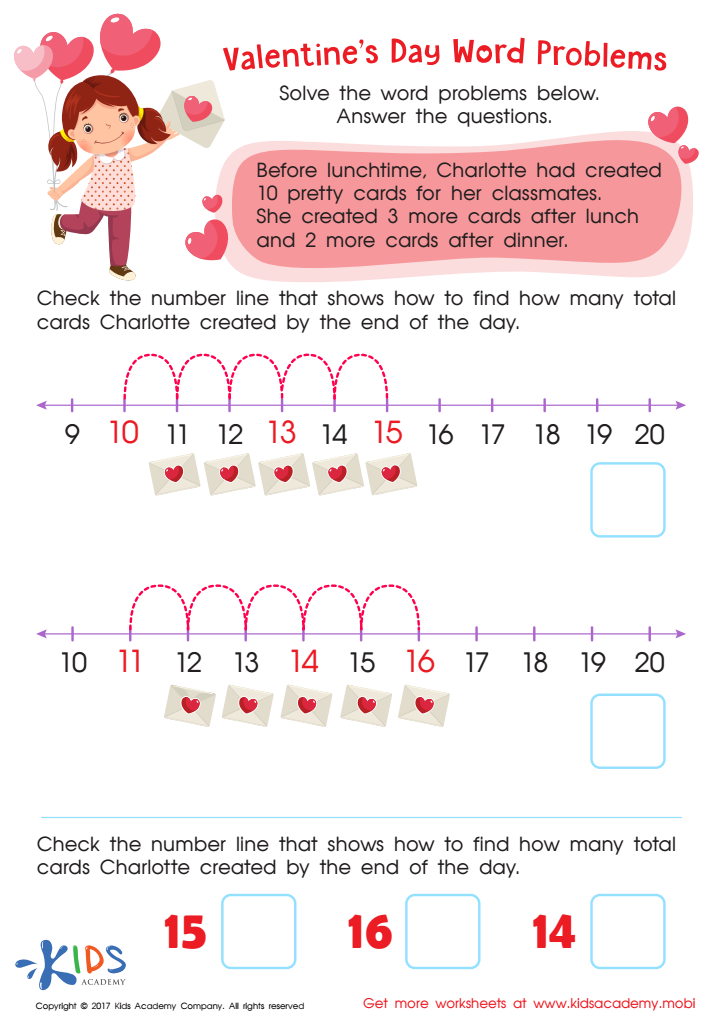
Valentines Day Word Problem Worksheet
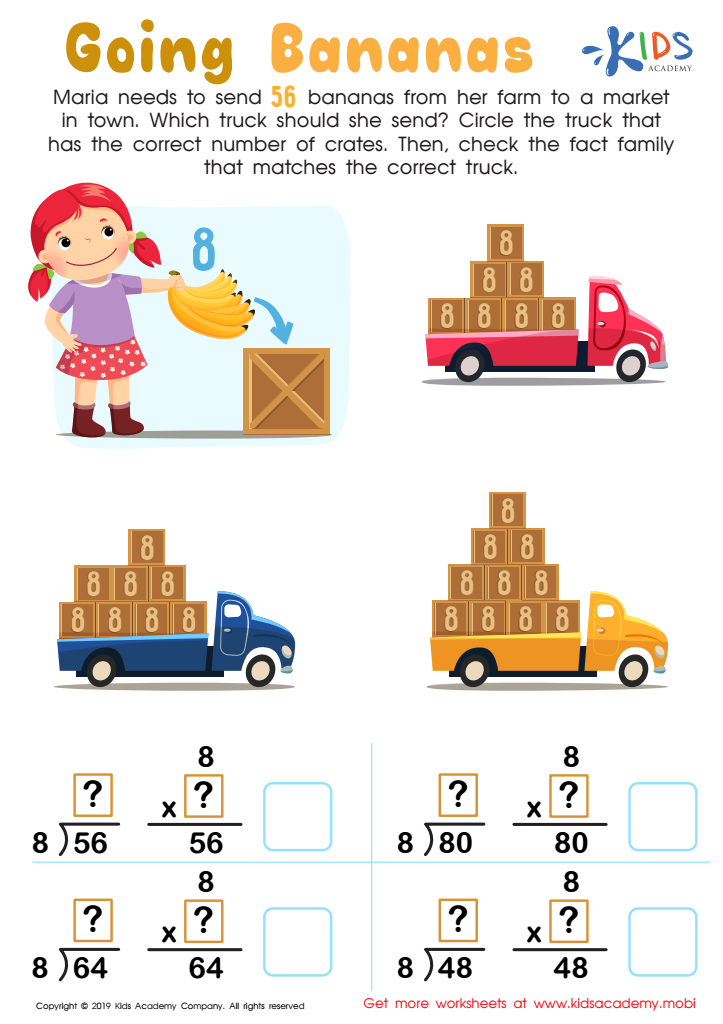
Going Bananas Worksheet
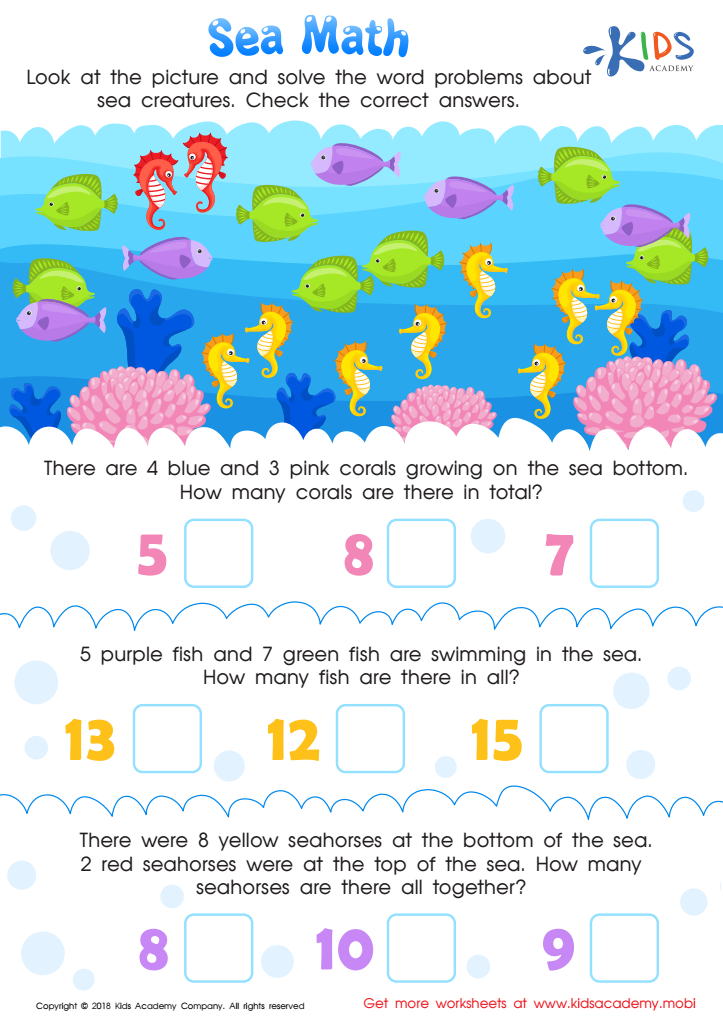
Sea Math Worksheet
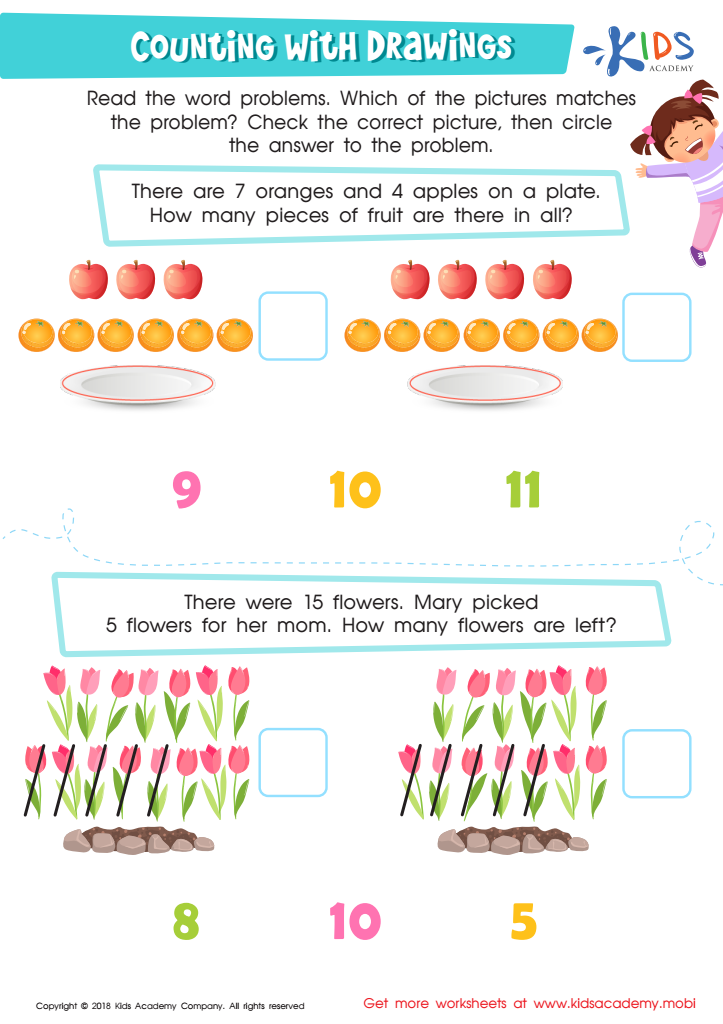
Counting with Drawings: Fruits & Chocolates Worksheet
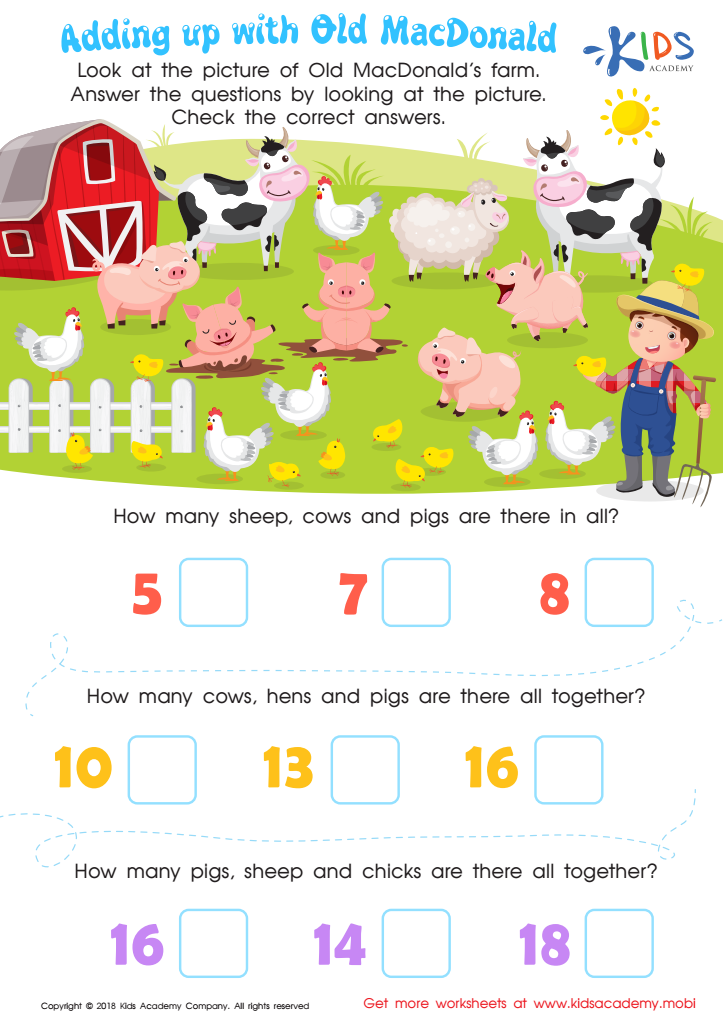
Adding Up with Old MacDonald Worksheet
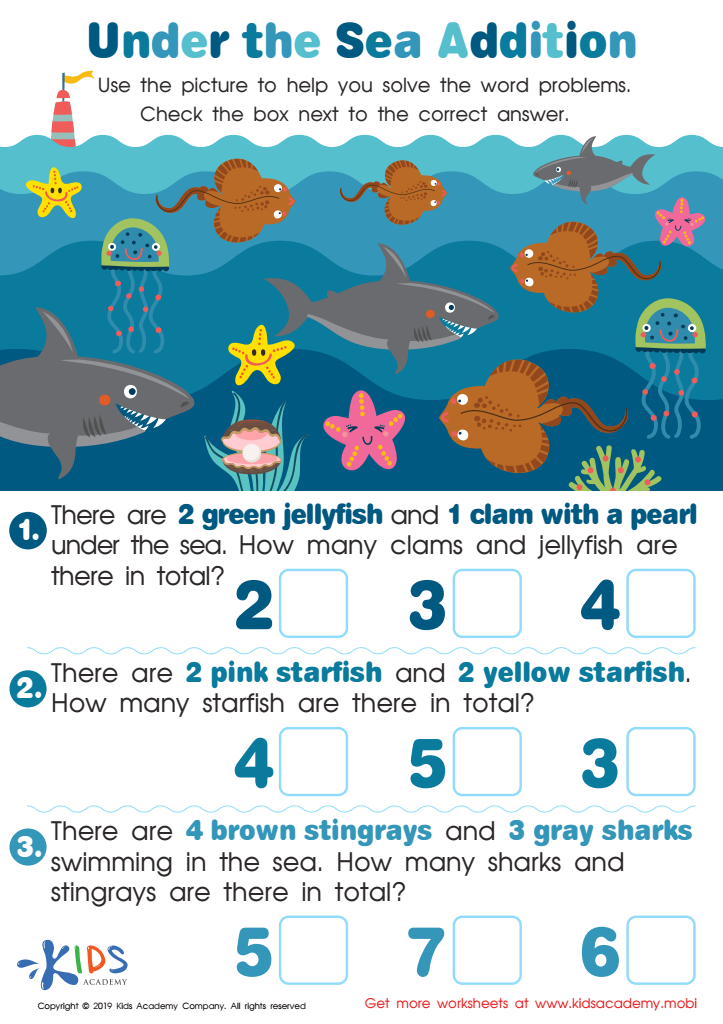
Under the Sea Addition Worksheet
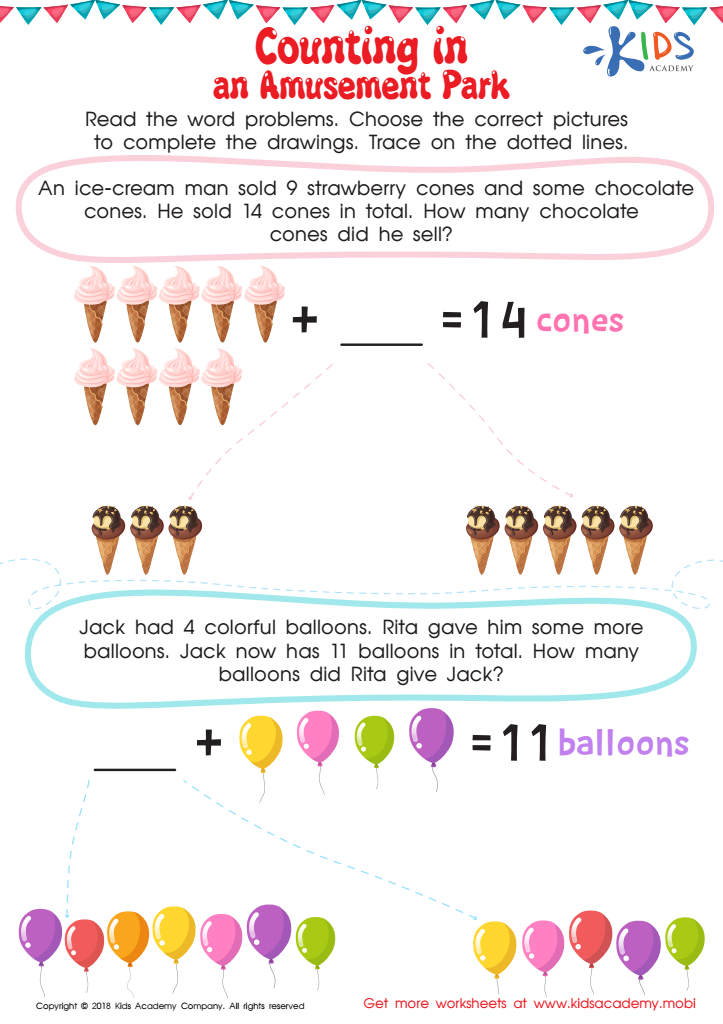
Counting in an Amusement Park Worksheet
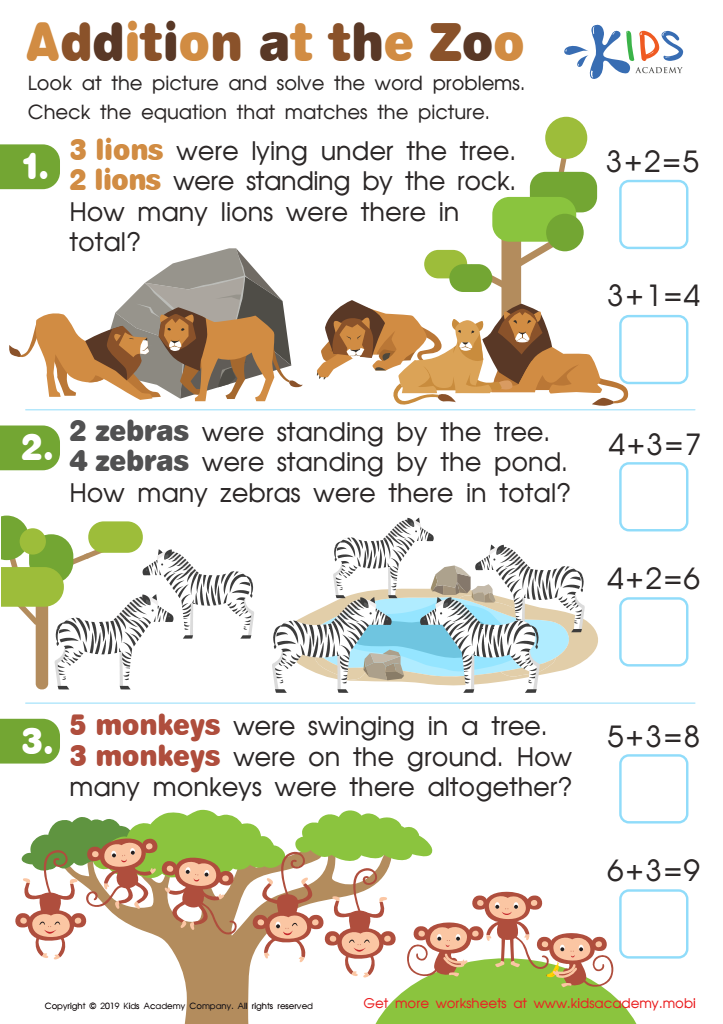
Addition at the Zoo Worksheet
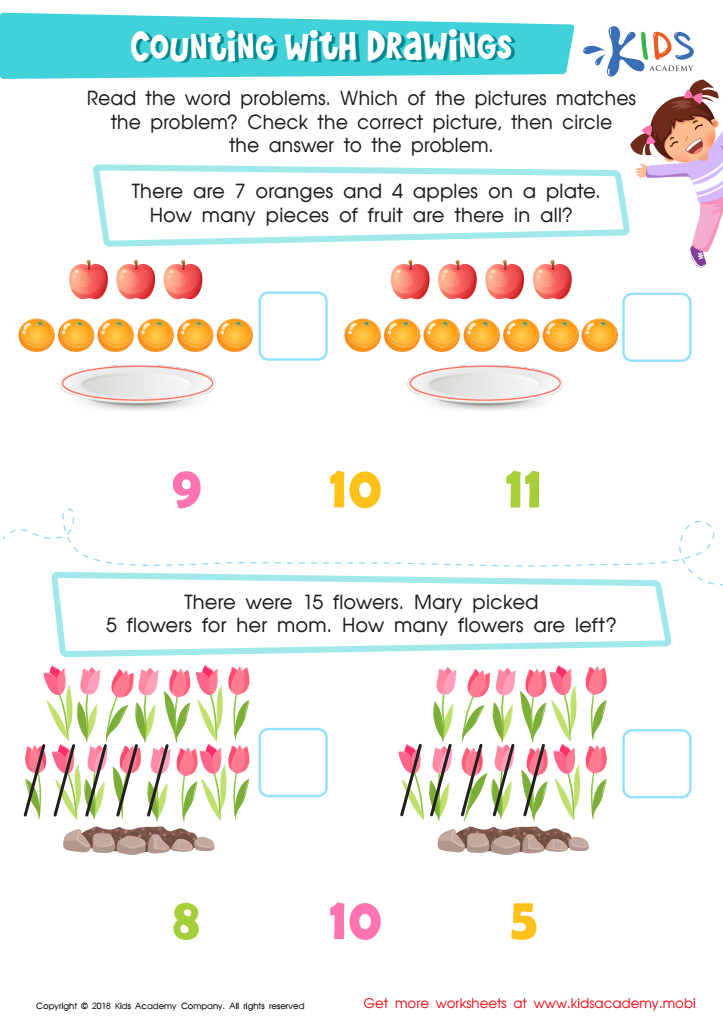
Counting with Drawings:Fruits & Flowers Worksheet


.jpg)





Number recognition is a critical foundational skill for young learners, setting the stage for future success in math. For parents and teachers, incorporating Kindergarten word problems focused on number recognition offers numerous benefits that can significantly impact a child's learning journey.
Firstly, number recognition promotes numeric literacy, which is vital for everyday functioning and future educational pursuits. Understanding numbers enables kids to perform basic math operations, tells time, understand quantities, and manage simple tasks like recognizing phone numbers or counting money.
Kindergarten word problems go beyond mere rote counting, encouraging children to think critically and apply their number skills in various contexts. This helps them establish a robust analytical framework that can be expanded as they advance in their education.
Additionally, addressing number recognition through word problems fosters language development. When children listen to and solve problems narrated through stories, they encounter new vocabulary and learn to articulate mathematical concepts verbally. This dual engagement in math and language arts strengthens their overall cognitive abilities.
In essence, by prioritizing number recognition through engaging word problems, parents and teachers equip children with the necessary tools to make real-world connections and nurture a lifelong appreciation for learning. This early investment reaps long-term educational and practical benefits.








