Logical Reasoning Kindergarten Reading Worksheets
5 filtered results
-
From - To
Enhance your child's reading skills with our engaging Logical Reasoning Kindergarten Reading Worksheets! These worksheets are designed to develop critical thinking and comprehension abilities while making learning fun. Young learners will explore various activities that promote reasoning through pictures, patterns, and simple stories. Our thoughtfully crafted exercises encourage children to make connections, draw conclusions, and solve problems, laying a strong foundation for future academic success. Ideal for home or classroom use, these worksheets foster creativity and logical thinking in early readers. Give your child the tools they need to thrive academically while enjoying the journey of learning through exploration and play!
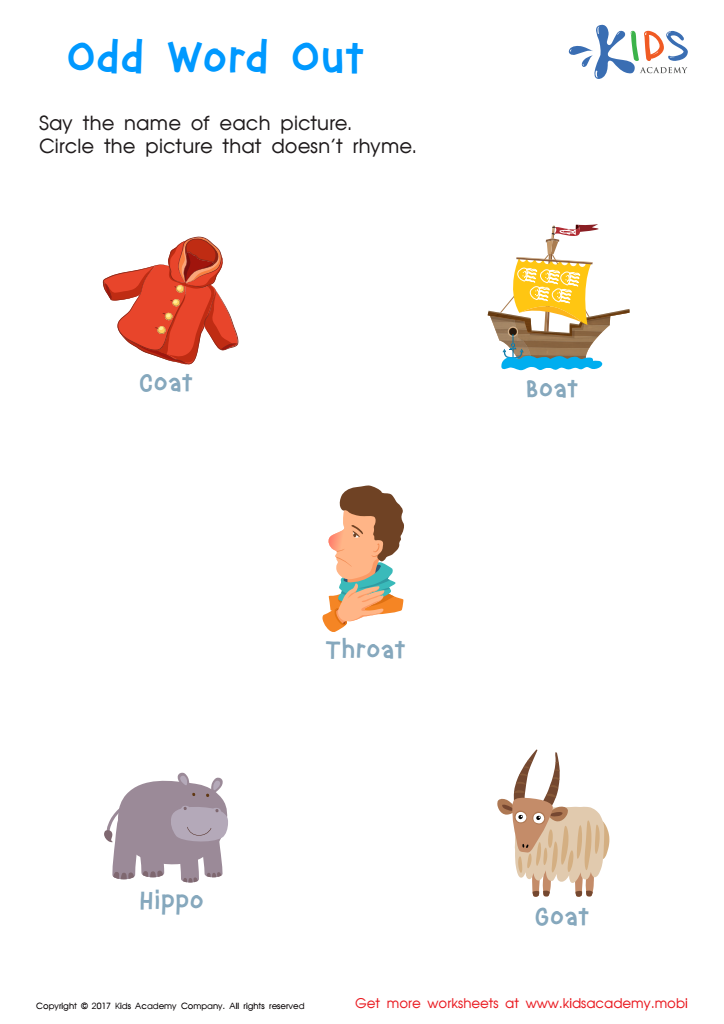
Odd Word Out Rhyming Worksheet
 Assign to My Students
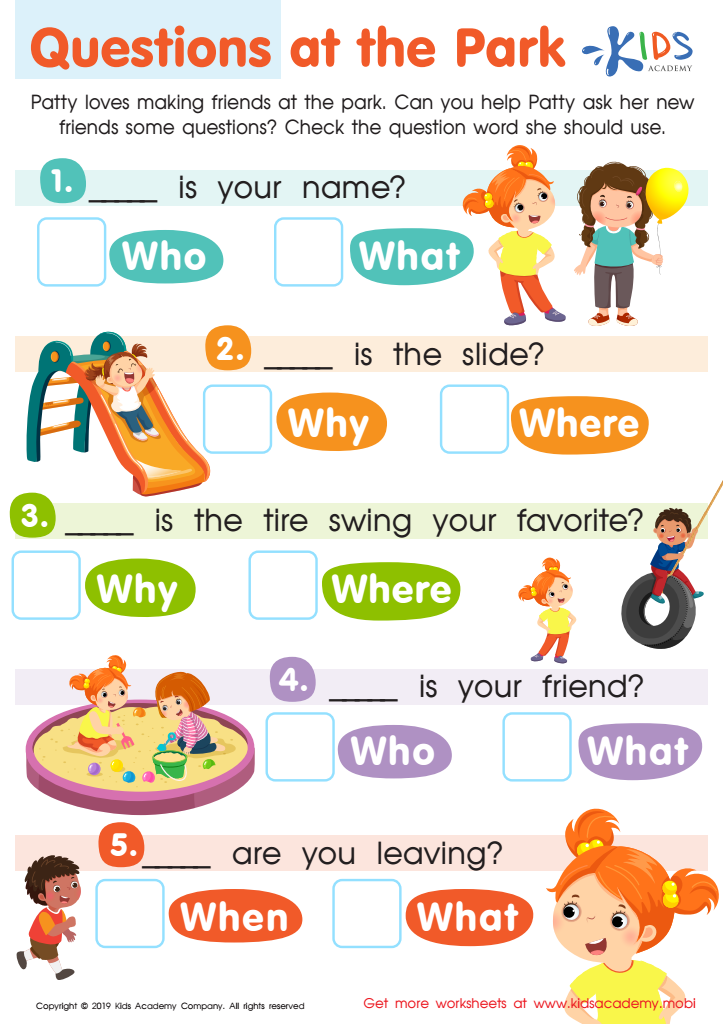
Questions at the Park Worksheet
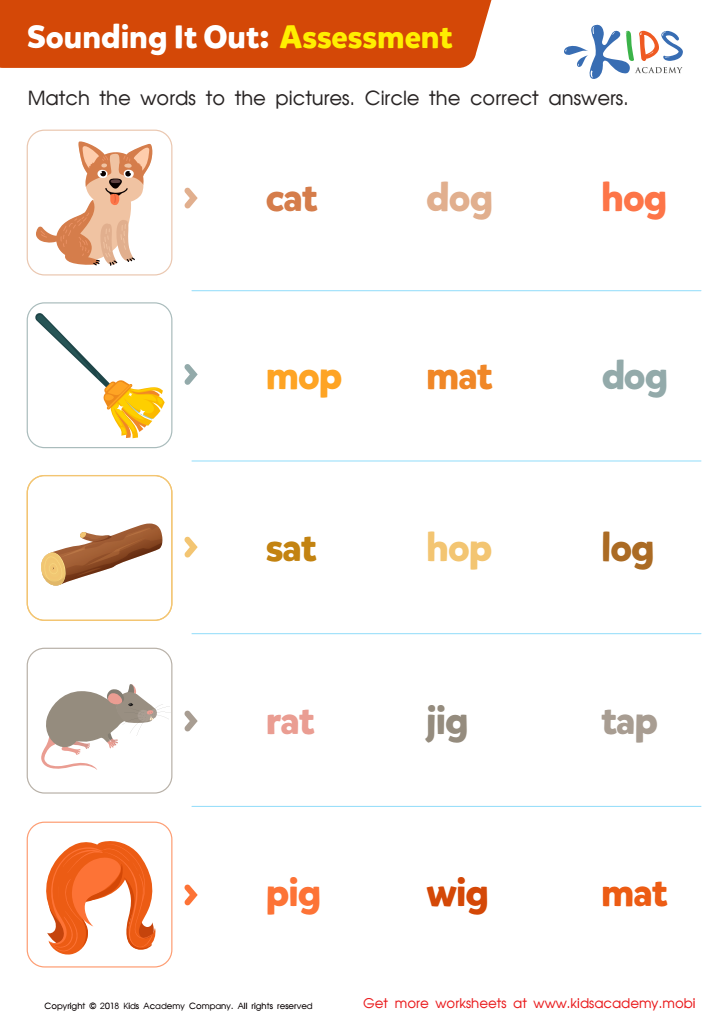
Sounding it Out: Assessment Worksheet
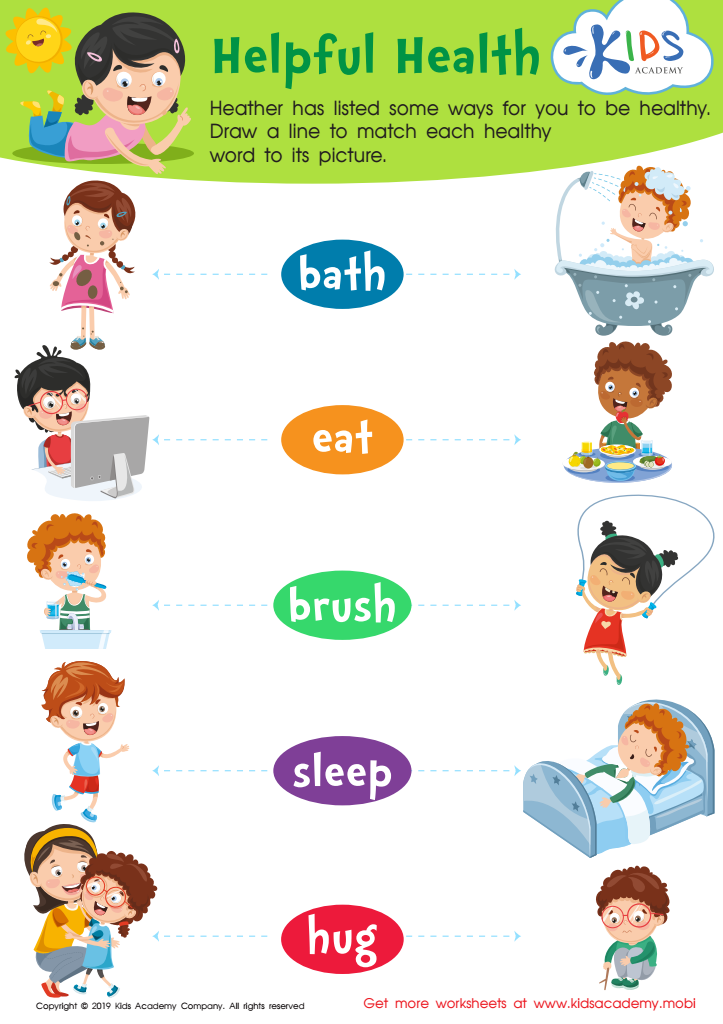
Helpful Health Worksheet
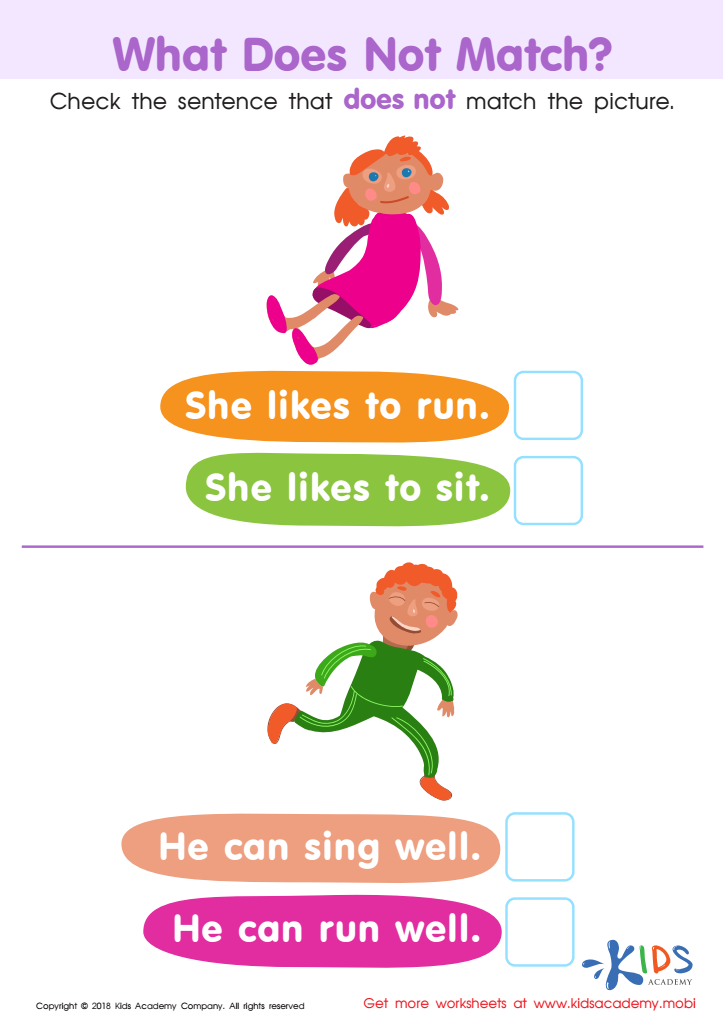
What Does Not Match? Worksheet








Parents and teachers should prioritize logical reasoning in kindergarten reading because it lays the foundation for critical thinking and problem-solving skills essential for lifelong learning. At this age, children are naturally curious and eager to explore their surroundings. Engaging them in reading activities that incorporate logical reasoning challenges them to analyze information, make connections, and draw conclusions, which enhance their comprehension skills.
Moreover, logical reasoning promotes language development by encouraging children to think about the structure of stories, the relationships between characters, and the cause-and-effect in narratives. This cognitive skill enhances their ability to predict outcomes, infer meanings, and understand the nuances of language.
Additionally, fostering logical reasoning in reading supports emotional and social development. Children learn to evaluate different perspectives and situations, promoting empathy and improved communication skills. As a result, kids become more engaged readers, able to discuss and articulate their thoughts confidently.
Ultimately, integrating logical reasoning into kindergarten reading not only enriches the literacy experience but also prepares children academically and socially for future challenges. It ensures they are well-equipped to thrive in later educational stages and significant life situations.