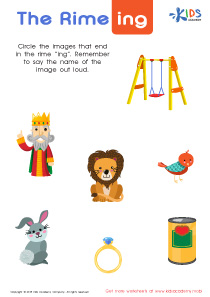
Visual interpretation Kindergarten Reading Worksheets
4 filtered results
Difficulty Level
Grade
Age
-
From - To
Subject
Activity
Standards
Discover our engaging "Visual Interpretation Kindergarten Reading Worksheets," designed to enhance young learners' comprehension skills through visuals. These worksheets encourage preschoolers and kindergarteners to analyze images, make predictions, and draw conclusions, fostering critical thinking. Utilizing colorful graphics and relatable themes, each activity promotes active participation and helps children develop a deeper understanding of texts. Whether in the classroom or at home, our user-friendly worksheets serve as an invaluable resource for teachers and parents aiming to boost their child's reading skills. Transform learning into an adventurous journey with our step-by-step visuals, making reading both enjoyable and educational for your little ones!
Favorites
With answer key
Interactive
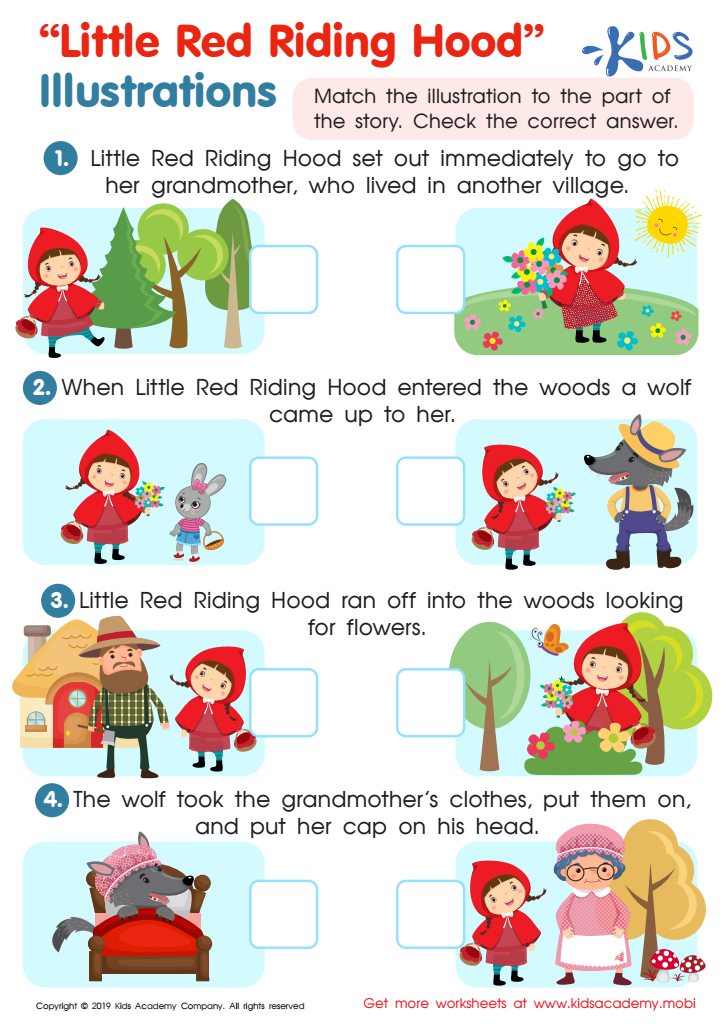
Little Red Riding Hood: Illustrations Worksheet
Comprehension is improved by having young readers recall and retell stories. This worksheet uses colorful illustrations of the fairytale Little Red Riding Hood. Children use their comprehension skills and strategy to match illustrations to the story parts, check off the appropriate boxes and use the pictures as clues.
 Assign to My Students
Little Red Riding Hood: Illustrations Worksheet
Worksheet
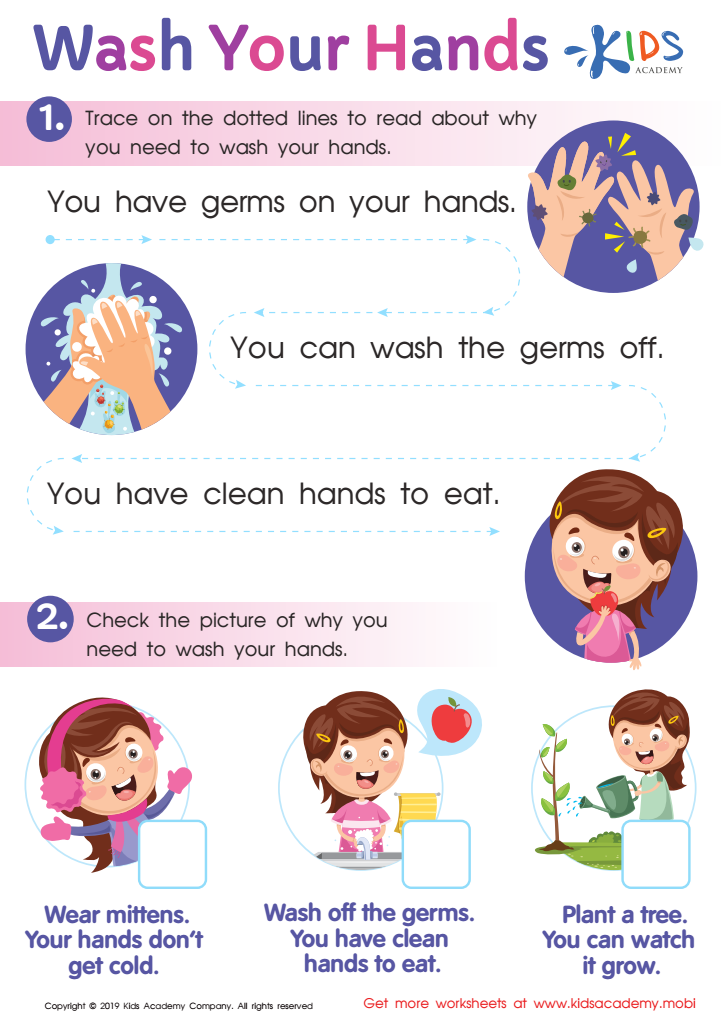
Wash Your Hands Worksheet
Kids learn best when they understand why they need to do something. This free worksheet uses traceable lines and pictures to teach them about germs and why washing hands is important. The child follows a left-to-right sequence and must check the correct picture to show they understand.
Wash Your Hands Worksheet
Worksheet
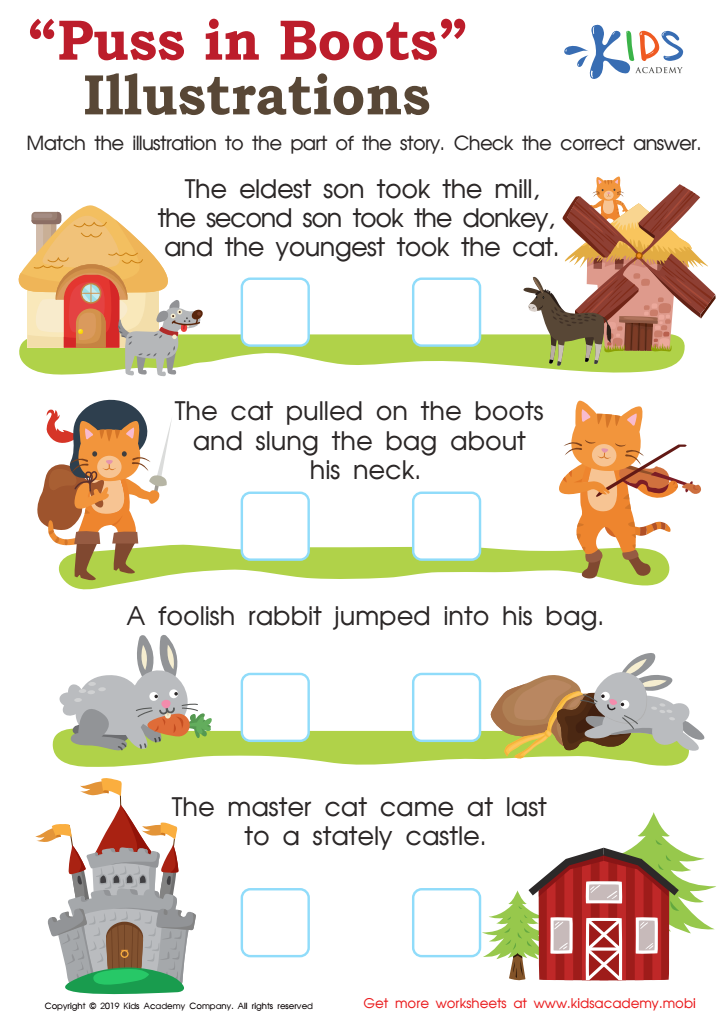
Puss in Boots Illustrations Worksheet
This Puss In Boots Illustrations worksheet is a great way to help kids learn about retelling stories. They'll match images to different parts of the story and check off the correct answer. As they recall events and put them in sequence they'll enjoy this fun and creative activity.
Puss in Boots Illustrations Worksheet
Worksheet
Join Kids Academy for Free
Who is primarily going to use this learning content?


.jpg)

.jpg)

Visual interpretation in kindergarten reading is vital for young learners as it significantly enhances their literacy skills and overall cognitive development. At this age, children are naturally drawn to images, making visual aids imperative for helping them comprehend stories and concepts. When parents and teachers emphasize visual interpretation, they engage children's imaginations and improve their ability to decode and analyze text.
Visuals help children make connections between words and their meanings, fostering vocabulary growth and comprehension. A colorful illustration can spark curiosity, prompting questions and discussions that deepen understanding. Furthermore, visual interpretation supports diverse learning styles, allowing children who may struggle with traditional reading methods to grasp stories more effectively.
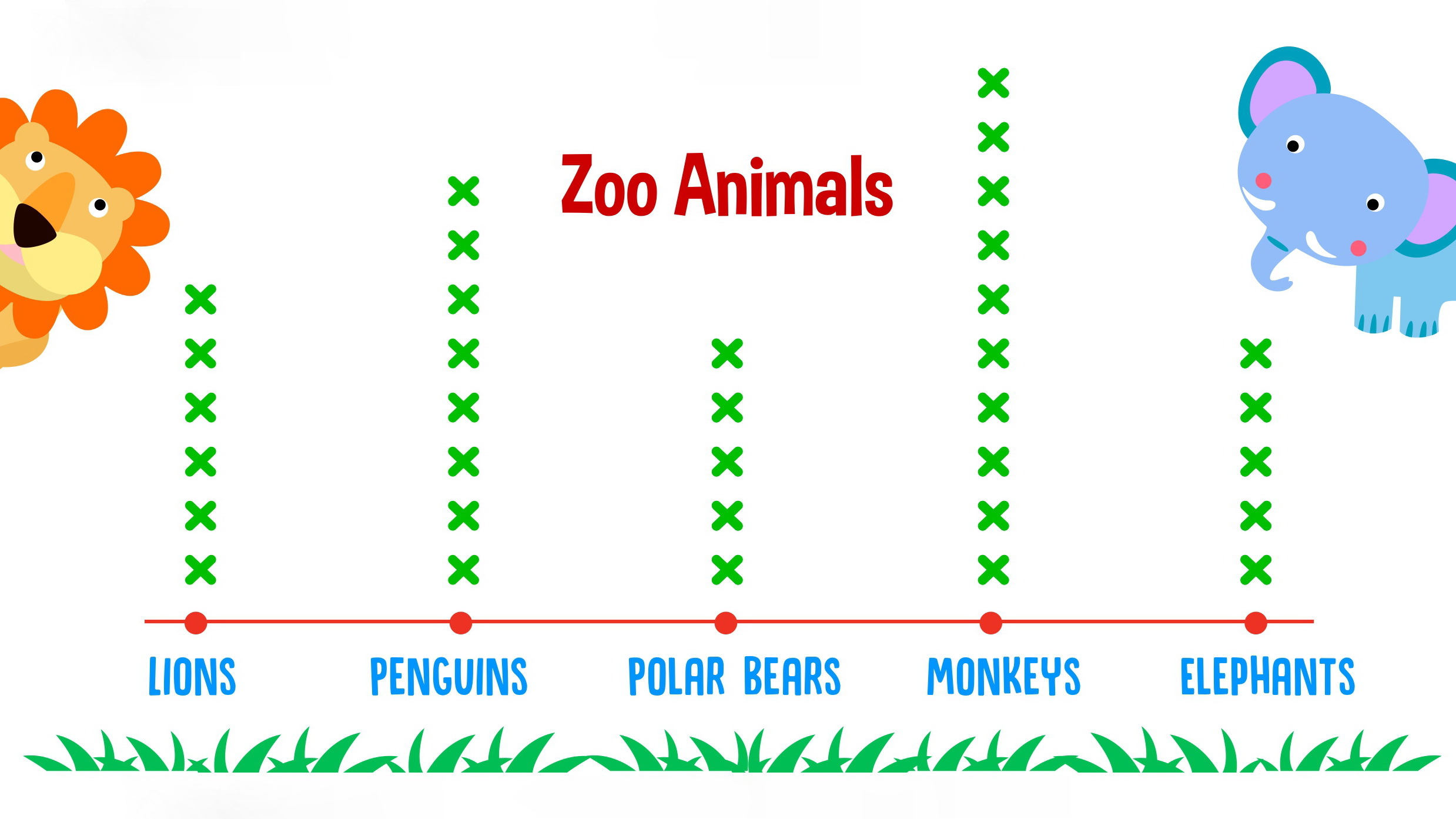
Encouraging skills in analyzing visual components also equips children with critical thinking skills. As they learn to interpret illustrations, graphs, and images, they become better at making inferences and drawing conclusions—key elements in education beyond literacy.
Ultimately, prioritizing visual interpretation not only enhances reading skills but also cultivates a love for literature. For parents and teachers, recognizing its importance invites more interactive and enriching learning experiences, laying a solid foundation for children's lifelong learning and curiosity.