Animal recognition Kindergarten Science Worksheets
3 filtered results
-
From - To
Discover our engaging Animal Recognition Kindergarten Science Worksheets designed to captivate young learners while building essential science skills. These fun, interactive worksheets help children identify and learn about various animals, their characteristics, and habitats through colorful illustrations and easy-to-follow activities. Perfect for parents and teachers alike, these resources support early childhood education standards and foster a love for nature and wildlife. With structured exercises tailored for kindergarteners, our worksheets provide a solid foundation in animal science and enhance observational skills. Visit Kids Academy for an enriching educational experience that makes learning about animals both enjoyable and informative.
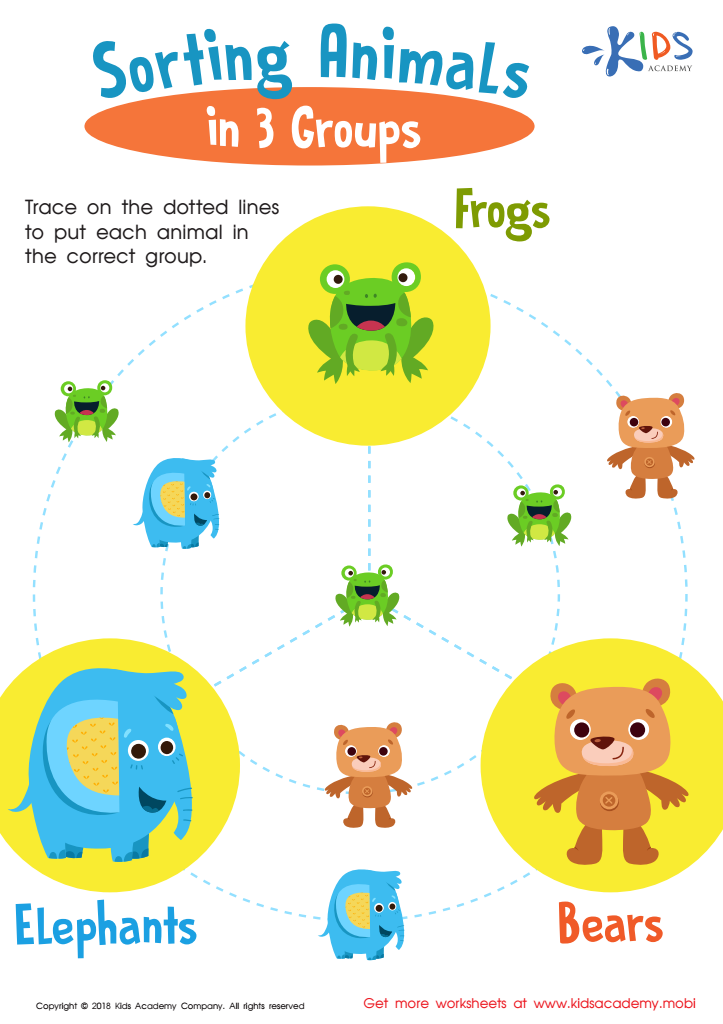
Sorting Animals in 3 Groups Worksheet
 Assign to My Students
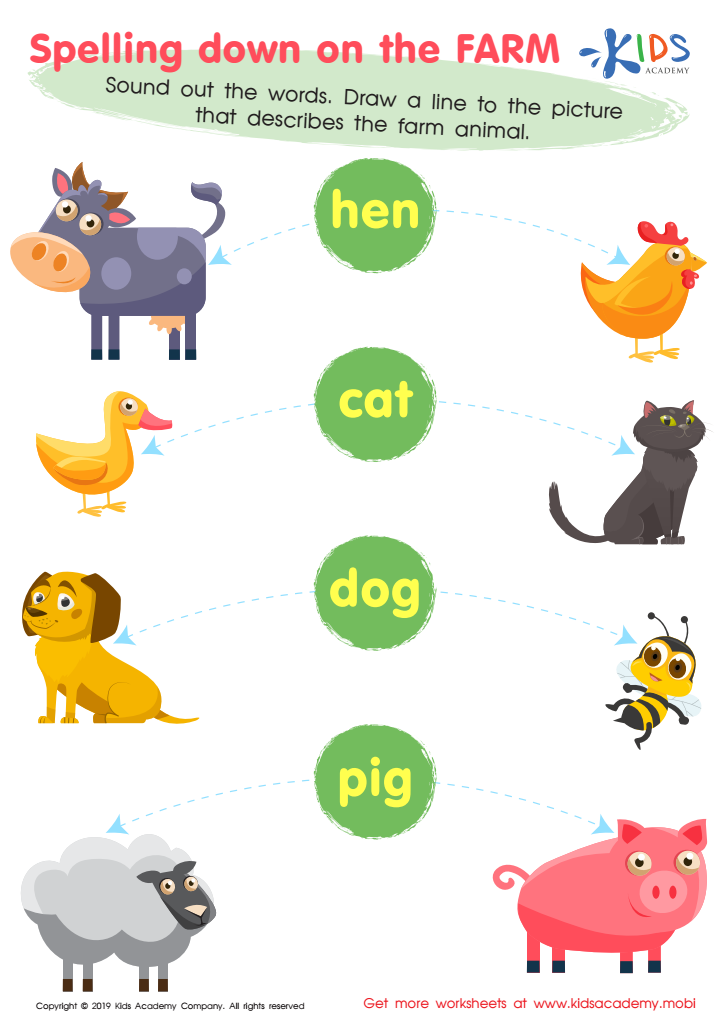
Spelling Down on the Farm Worksheet
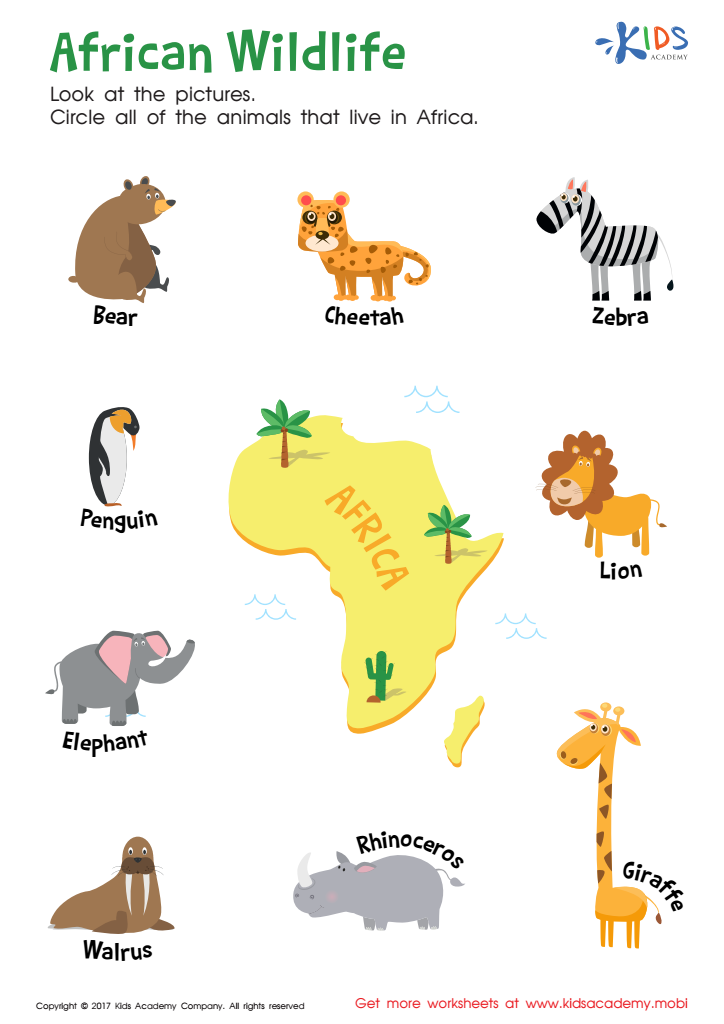



.jpg)

.jpg)


Animal recognition in kindergarten science is fundamental for several reasons, and both parents and teachers should prioritize it. First, it fosters a child's natural curiosity and enhances their observational skills. Understanding different animals and their traits can open young minds to the wonders of the world, stimulating an early interest in science and nature.
Moreover, animal recognition is crucial for cognitive development as it involves classification skills, where children learn to categorize animals based on various attributes like habitat, diet, and physical features. This early learning sets a foundation for more complex scientific concepts they'll encounter later.
Social and emotional development is another significant aspect. Learning about animals and their environments instills empathy, teaching children to care for other living beings and promoting responsible attitudes towards animals and nature. This understanding can have a lifelong impact on their values and behaviors.
Lastly, animal recognition aligns with interdisciplinary learning. As children explore wildlife, they also enhance vocabulary, improve language skills, and engage in storytelling. It can also be a springboard into subjects like geography, math, and even art.
In sum, incorporating animal recognition into kindergarten science is valuable as it supports holistic growth, blending cognitive, social, and emotional learning, while kindling a lifelong appreciation for the natural world.