Hand-eye Coordination Normal ABC Letters Worksheets for Ages 3-4
4 filtered results
-
From - To
Boost your child’s development with our "Hand-eye Coordination Normal ABC Letters Worksheets" designed for ages 3-4. These fun and engaging activities help little learners practice letter recognition and fine motor skills crucial for writing. Each worksheet provides interactive tracing and coloring tasks to strengthen hand-eye coordination while introducing the alphabet. Perfect for preschoolers, our worksheets create a solid foundation for early literacy in a playful, supportive manner. Watch as your child grows confident in their learning journey, enjoyably mastering their ABCs. Download now to support your child's educational milestones with targeted, effective exercises.
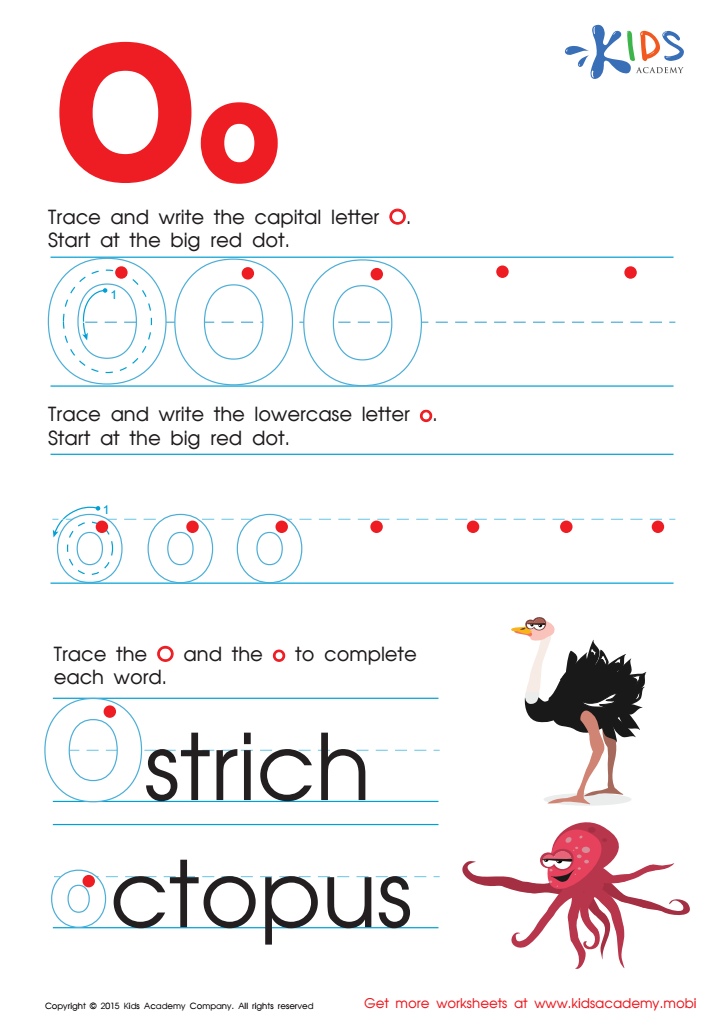
Letter O Tracing Page
 Assign to My Students






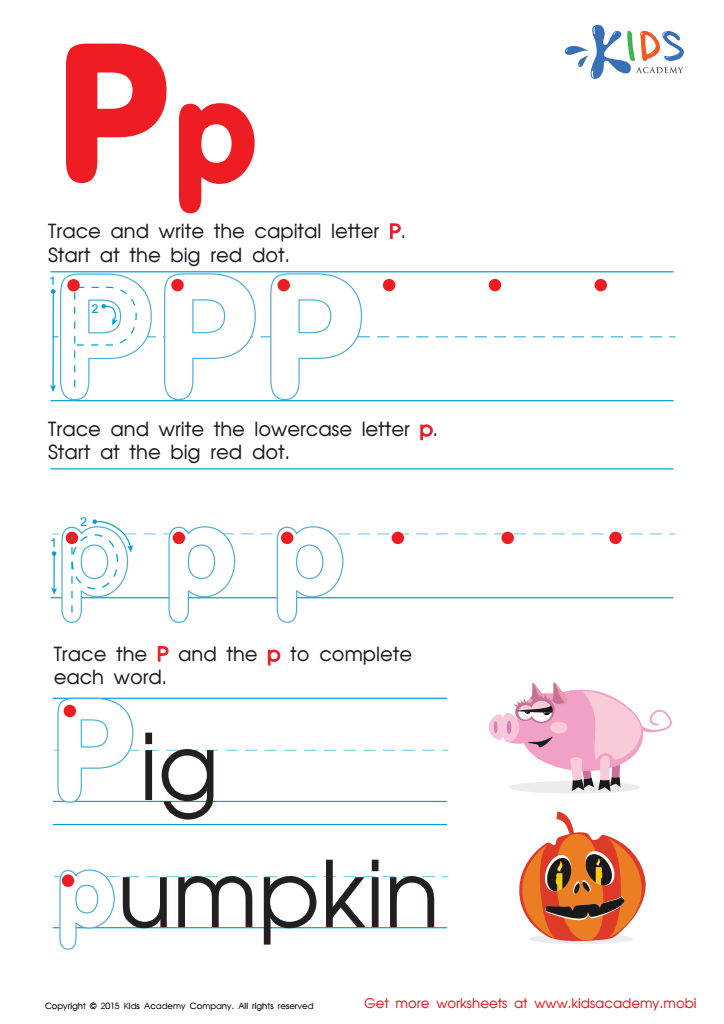
Letter P Tracing Page

Letter H Tracing Page
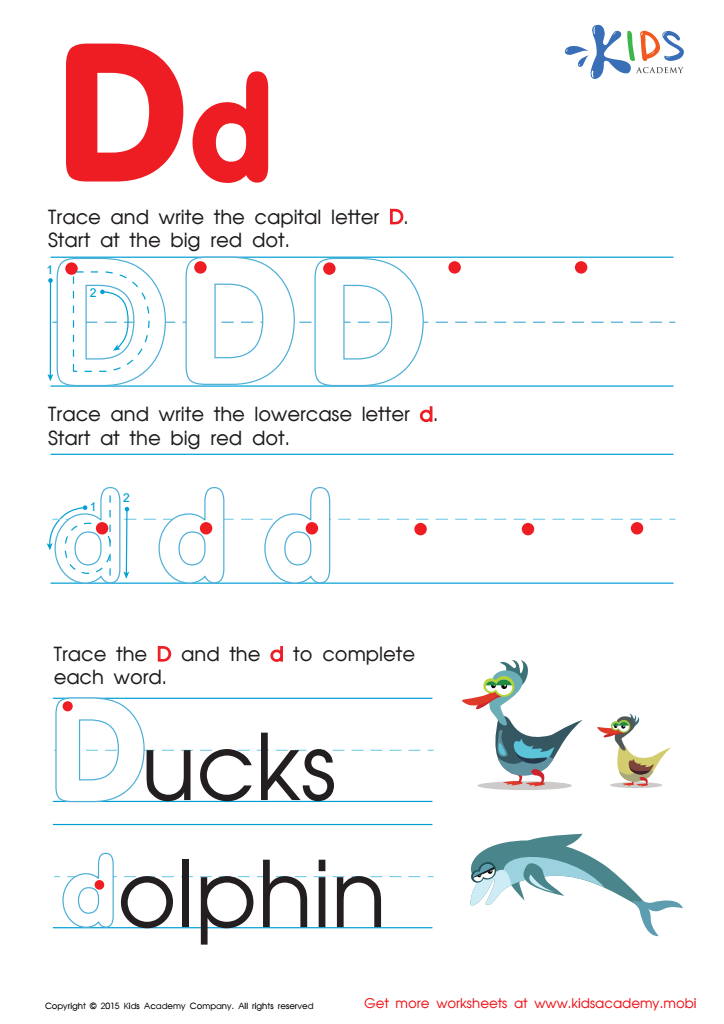
Letter D Tracing Page








Hand-eye coordination is an essential developmental skill for children, particularly for those between the ages of 3 and 4. This skill involves the ability to synchronize visual input with hand movements, which impacts a child's ability to perform everyday tasks and establish a foundation for more complex activities. Parents and teachers should prioritize activities that foster hand-eye coordination, such as tracing Normal ABC Letters, for several critical reasons.
First, this coordination is crucial for early writing skills. By practicing letter tracing, children cultivate fine motor skills and strengthen the muscles in their hands and fingers, essential for gripping a pencil correctly. Early competency in writing the alphabet lays the groundwork for future literacy, making handwriting a smoother transition.
Second, hand-eye coordination is vital for cognitive development. When children focus on aligning their hand movements with visual cues, they enhance their attention span, problem-solving abilities, and spatial awareness. These cognitive skills are critical for academic success and everyday decision-making.
Lastly, encouraging activities that improve hand-eye coordination can boost a child's confidence and independence. Successfully tracing Normal ABC Letters gives them a sense of accomplishment, motivating them to tackle more challenging tasks eagerly. This newly gained confidence supports overall emotional and social development, as children become more prepared for classroom activities and peer interactions.
Incorporating activities that enhance hand-eye coordination not only helps with academic readiness but also supports holistic child development.







