Motor skills development Normal ABC Letters Worksheets for Ages 3-4
3 filtered results
-
From - To
Discover engaging "Motor Skills Development Normal ABC Letters Worksheets" designed specifically for children ages 3-4. These printable worksheets help young learners enhance their fine motor skills while exploring the alphabet. Through fun activities such as tracing, coloring, and matching letters, children develop hand-eye coordination and dexterity essential for writing and other creative tasks. Each worksheet is crafted to make learning enjoyable, encouraging early literacy skills in a playful environment. With appealing visuals and age-appropriate challenges, these worksheets provide a perfect foundation for your child’s educational journey. Start building essential motor skills and a love for letters today!

Letter H Tracing Page









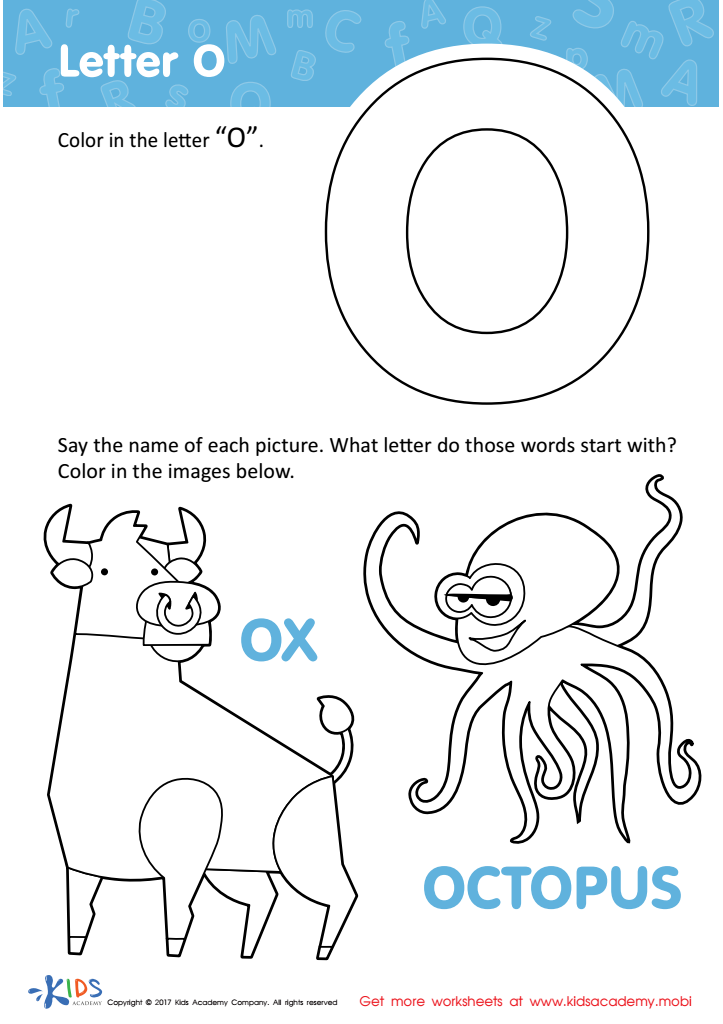
Letter O Coloring Sheet
 Assign to My Students
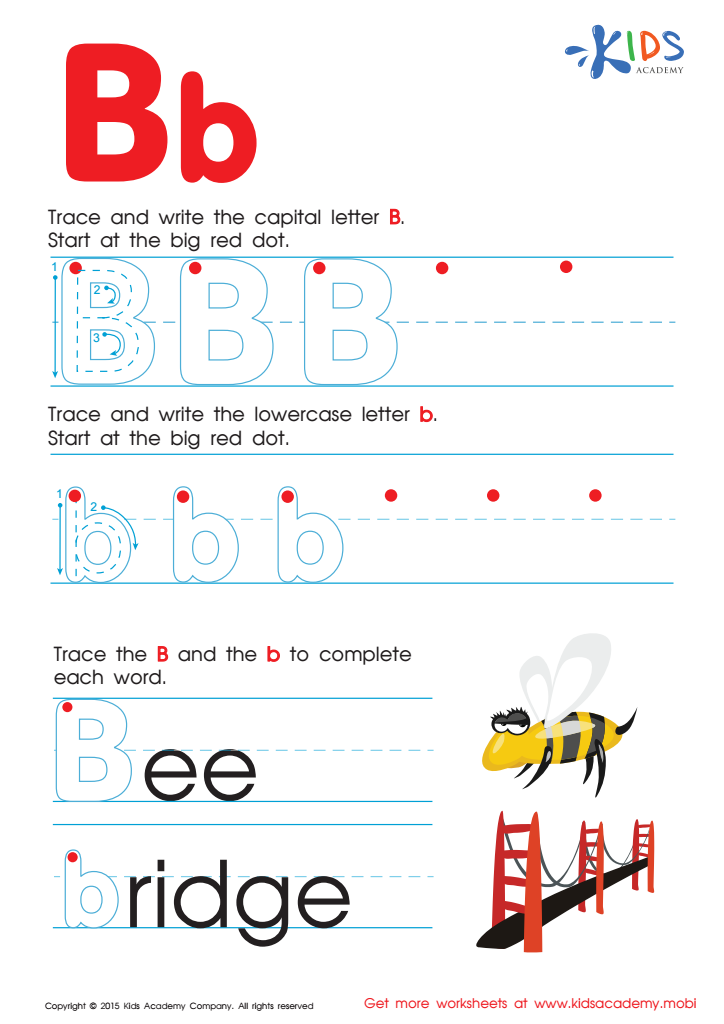
Letter B Tracing Page






Motor skills development is crucial for children aged 3-4, as it fundamentally influences their ability to perform daily activities, engage in play, and develop academic skills. During this stage, fine motor skills are particularly important for tasks such as writing letters, using scissors, and manipulating small objects. Developing these skills allows children to gain confidence in their abilities and fosters greater independence.
By focusing on the development of normal ABC letters, parents and teachers can help children acquire essential skills that underpin literacy and academic achievements. Children who can write and recognize letters are better prepared for reading, which is a foundational skill that impacts their entire educational journey. In addition to cognitive benefits, motor skills development enhances social interactions through cooperative play and sharing of materials, encouraging teamwork and communication.
Furthermore, investment in motor skills can help identify any potential developmental delays early, enabling timely interventions that support the child’s growth. Engaging in activities that promote motor skills not only leads to physical development but also nurtures emotional and social well-being, preparing children for a successful start in school and fostering a lifelong love for learning. Ultimately, motor skills are integral to children's holistic development, making it imperative for parents and teachers to prioritize this aspect of growth.







