Writing practice Normal ABC Letters Worksheets for Ages 3-4
5 filtered results
-
From - To
Introduce your child to the exciting world of writing with our "Writing Practice Normal ABC Letters Worksheets for Ages 3-4"! These engaging and educational worksheets are designed to help young learners develop fine motor skills and letter recognition. Perfectly tailored for preschoolers, each worksheet provides fun activities that guide children in tracing and writing each letter of the alphabet. With colorful designs and easy-to-follow instructions, our worksheets make learning the ABCs an enjoyable experience. Prepare your little one for a successful academic journey by building a strong foundation in early literacy through interactive writing practice. Download now and watch your child’s confidence soar!
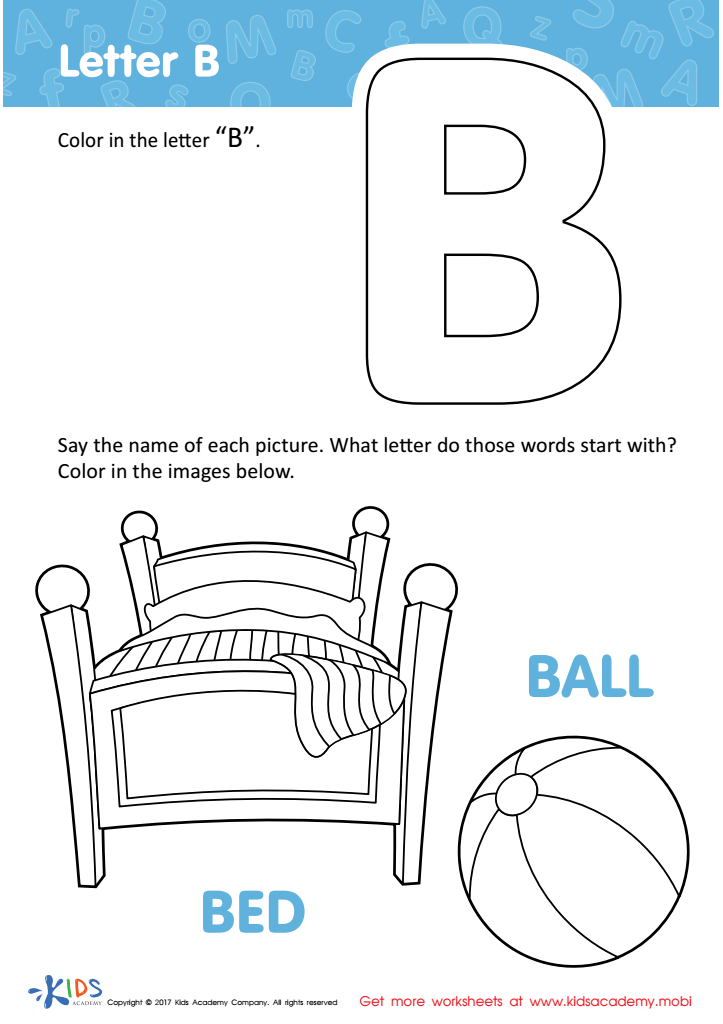
Letter B Coloring Sheet
 Assign to My Students


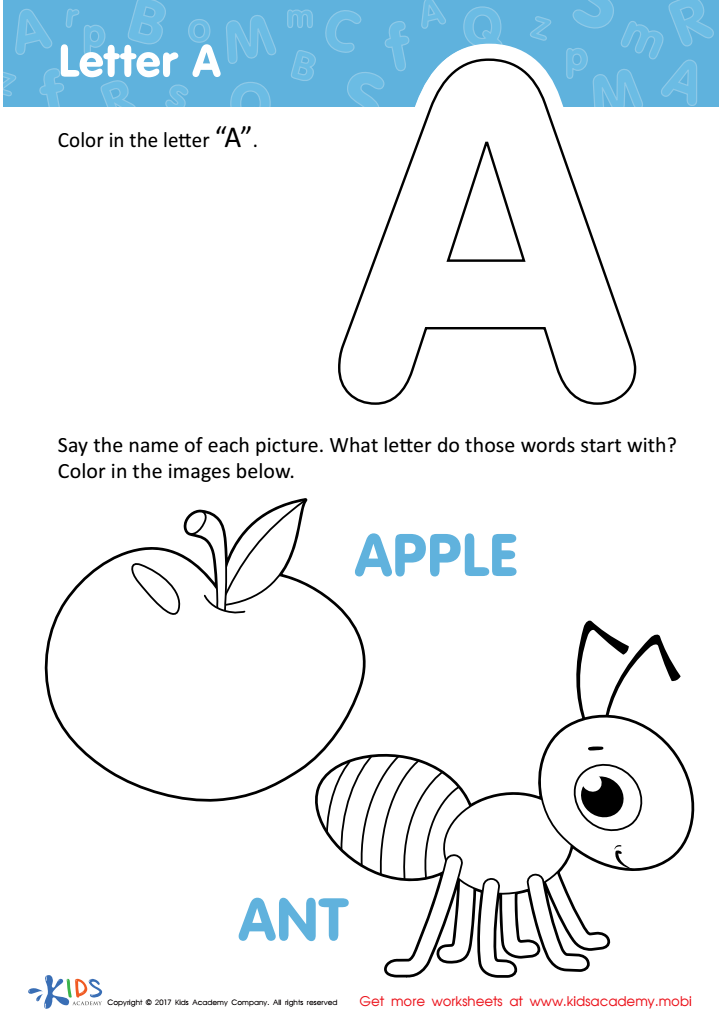
Letter A Coloring Sheet
Assign to My Students

Letter H Tracing Page
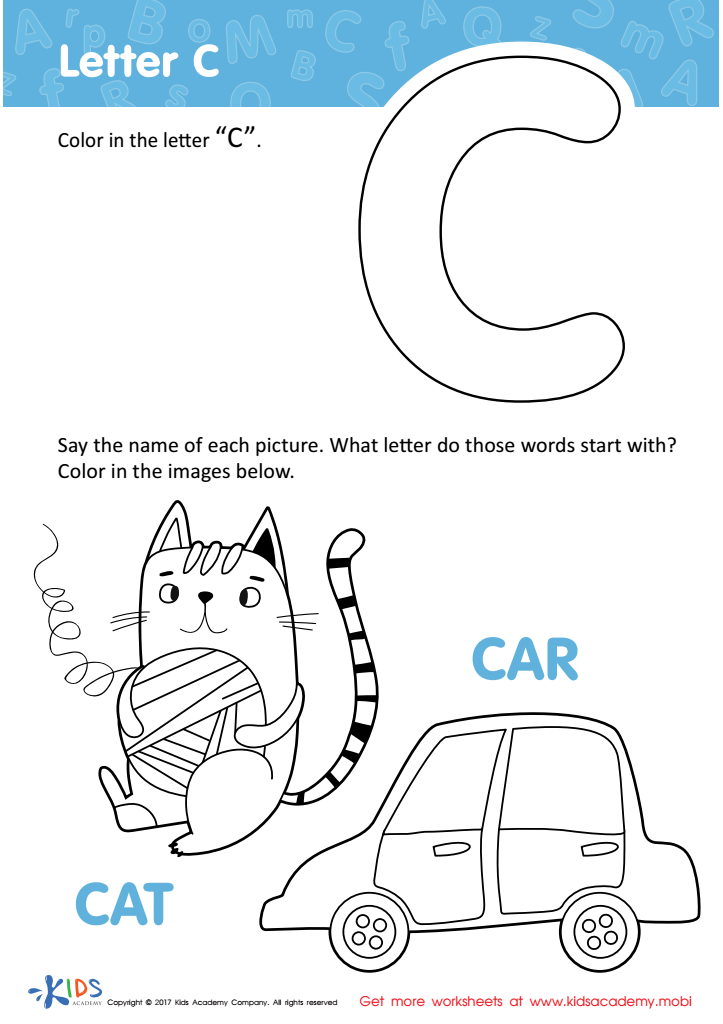
Letter C Coloring Sheet
Assign to My Students
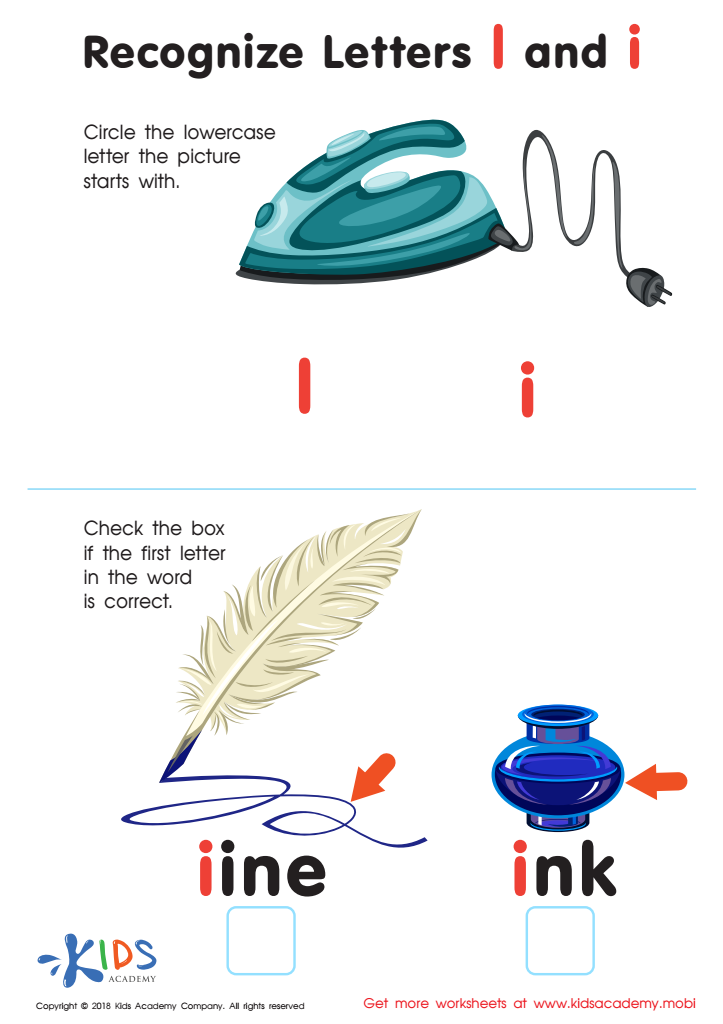
Recognize Letters l and i Worksheet







Parents and teachers should prioritize writing practice for young learners, ages 3-4, to establish foundational skills that are critical for future academic success. During these formative years, children are highly impressionable and capable of rapid learning. Introducing them to the basic ABC letters early on helps in developing their fine motor skills as they learn to control the strokes needed for writing. This not only enhances their handwriting but also fosters greater hand-eye coordination and overall dexterity.
Furthermore, engaging in writing practice at this age lays the groundwork for literacy. Familiarity with letters strengthens early reading skills, enabling children to recognize the alphabet more confidently and associatively link letters with sounds, which is essential for phonemic awareness. Writing activities also promote cognitive development, aiding in memory retention as children recall letter shapes and sequences.
Additionally, these writing exercises boost self-esteem and encourage a sense of achievement. When children successfully write letters, they experience a sense of accomplishment, reinforcing their willingness to tackle more complex tasks in the future. Therefore, integrating structured and enjoyable writing practice into the daily routine is indispensable for holistic early childhood education, equipping young minds with skills necessary for long-term academic and personal growth.







