Alphabet sequencing Normal Alphabet Worksheets for Ages 3-4
4 filtered results
-
From - To
Introduce your little learners to the exciting world of letters with our Alphabet Sequencing Normal Alphabet Worksheets, specially designed for ages 3-4. Perfect for early preschoolers, these engaging worksheets help children recognize and order letters from A to Z. Each activity is crafted to enhance alphabet knowledge, fine motor skills, and sequencing abilities in a fun, interactive way. With charming illustrations and age-appropriate challenges, these worksheets are the ideal resource for parents and educators aiming to build a strong educational foundation. Equip your kids with vital literacy skills and watch them become enthusiastic learners! Download now from Kids Academy.
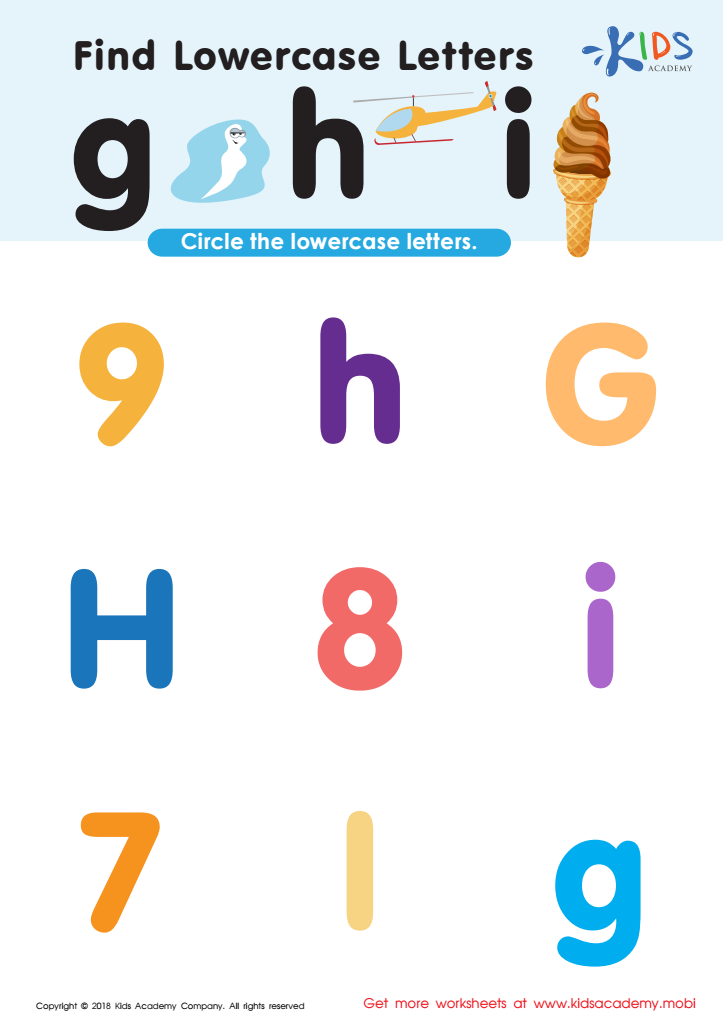
Find Lowercase Letters g h i Worksheet
 Assign to My Students
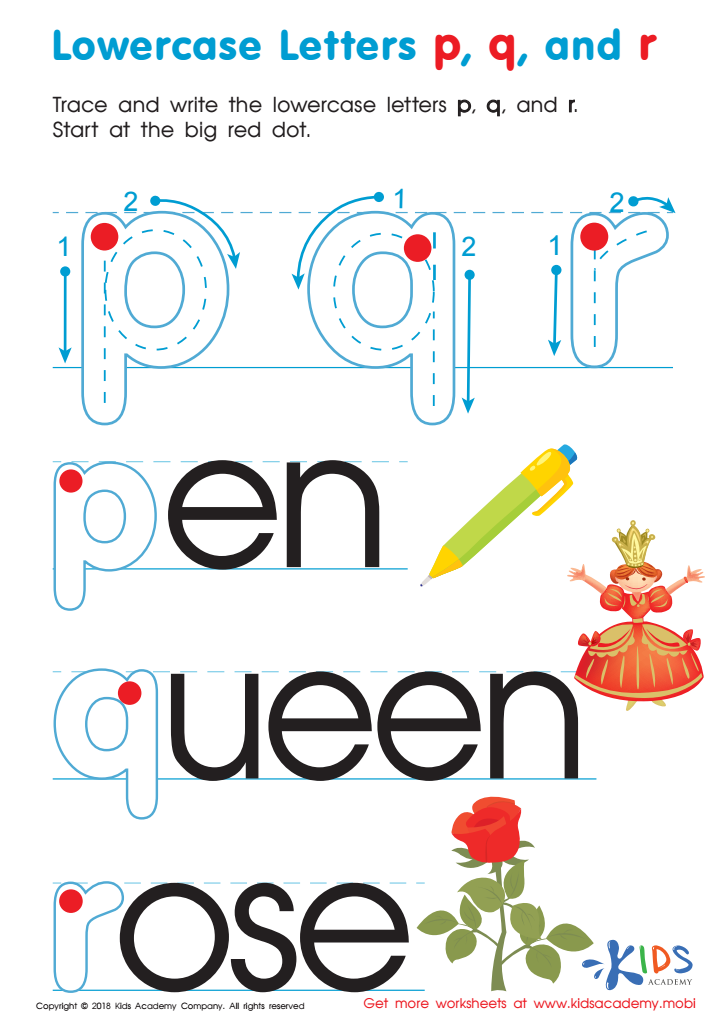
Lowercase Letters p q r Worksheet
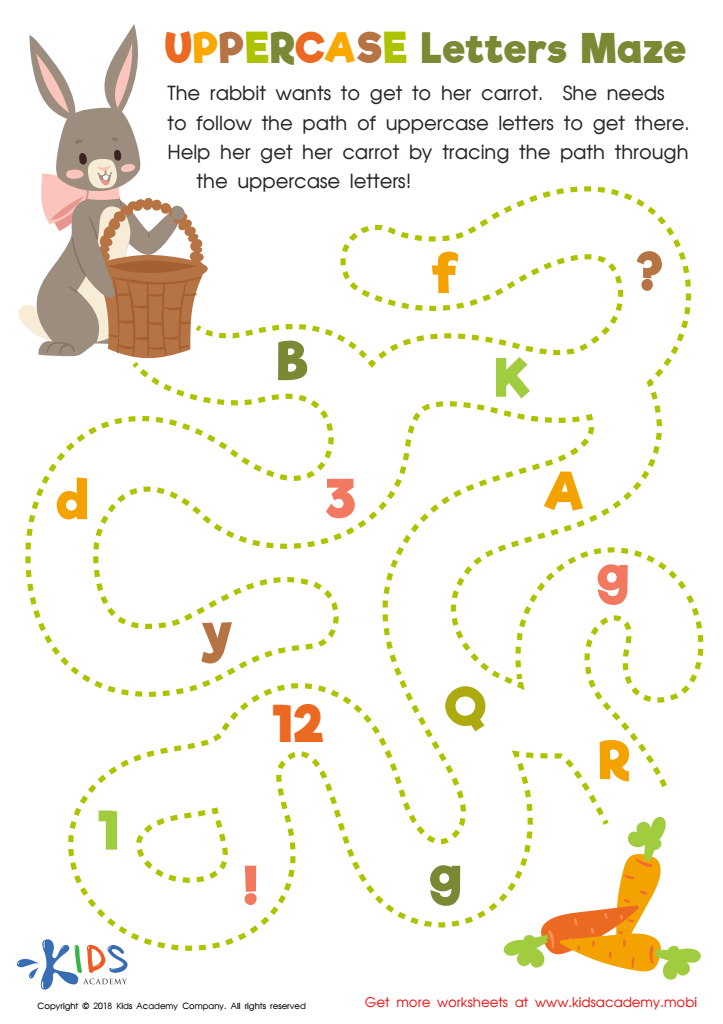
Uppercase Letters Maze Worksheet
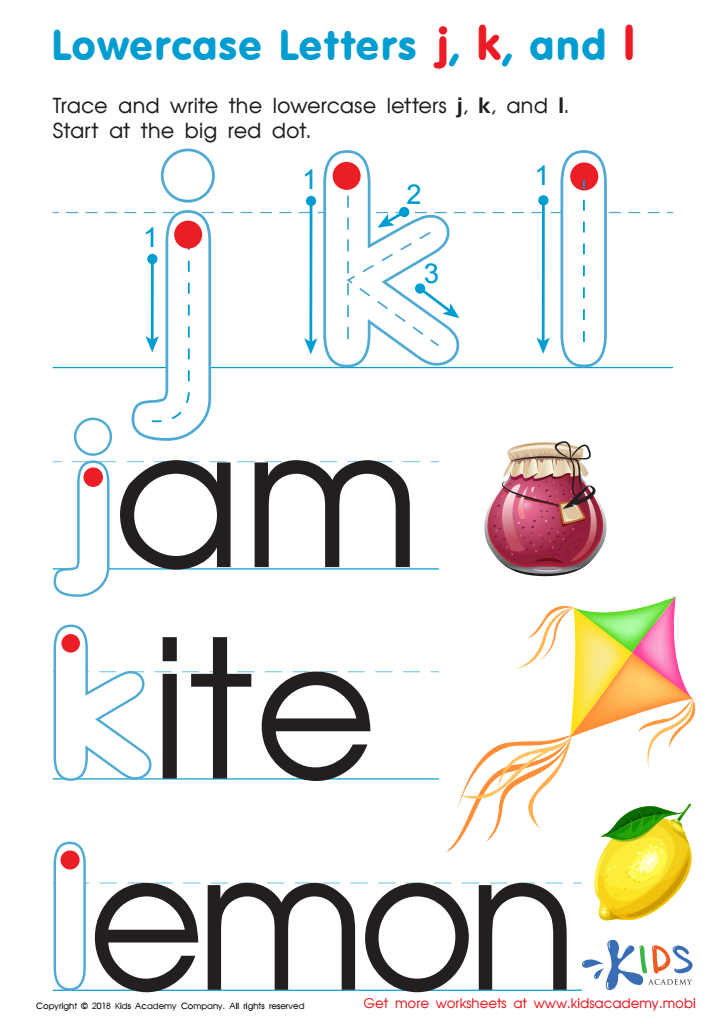
Lowercase Letters j k l Worksheet







Teaching alphabet sequencing to children aged 3-4 is crucial for several reasons. Firstly, understanding the normal order of the alphabet lays the foundation for literacy. This fundamental skill aids in learning to read and write, as kids begin to recognize letter patterns and structures present in words. When children can identify and sequence the alphabet, they're better equipped to address more complex language tasks, such as spelling and phonics, in future stages of education.
Moreover, alphabet sequencing enhances cognitive development. It promotes memory retention, problem-solving skills, and organizational abilities. Young minds practice recalling the order, which in turn strengthens their short-term and long-term memory. Recognizing and predicting patterns imparts foundational skills necessary for mathematics and other integrated disciplines.
Additionally, knowing the alphabet sequence plays a social role in children's lives. It builds their confidence, enabling them to participate actively in classroom activities and peer interactions. Recognition of letters fosters early communication skills, setting a precedent for successful academic and social communications in later years.
In summary, focusing on alphabet sequencing for young children aids in intellectual development, provides essential literacy skills, and enhances social confidence, offering a well-rounded start to formal education.







