Alphabet Recognition Normal Letter Recognition Worksheets for Ages 3-4 - Page 2
29 filtered results
-
From - To
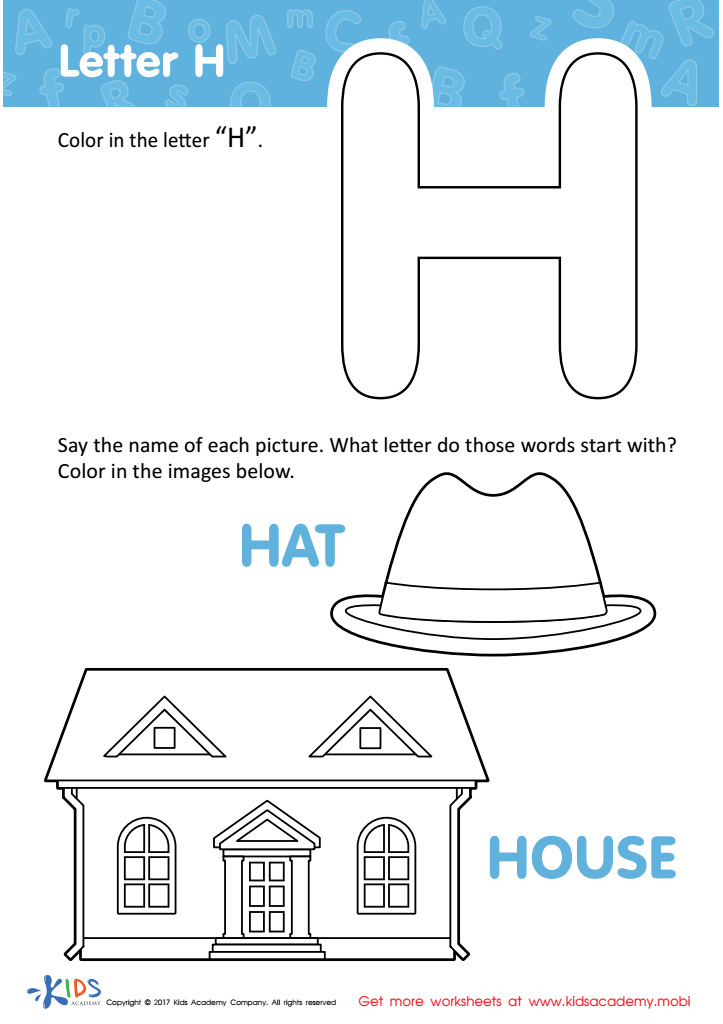
Letter H Coloring Sheet
 Assign to My Students
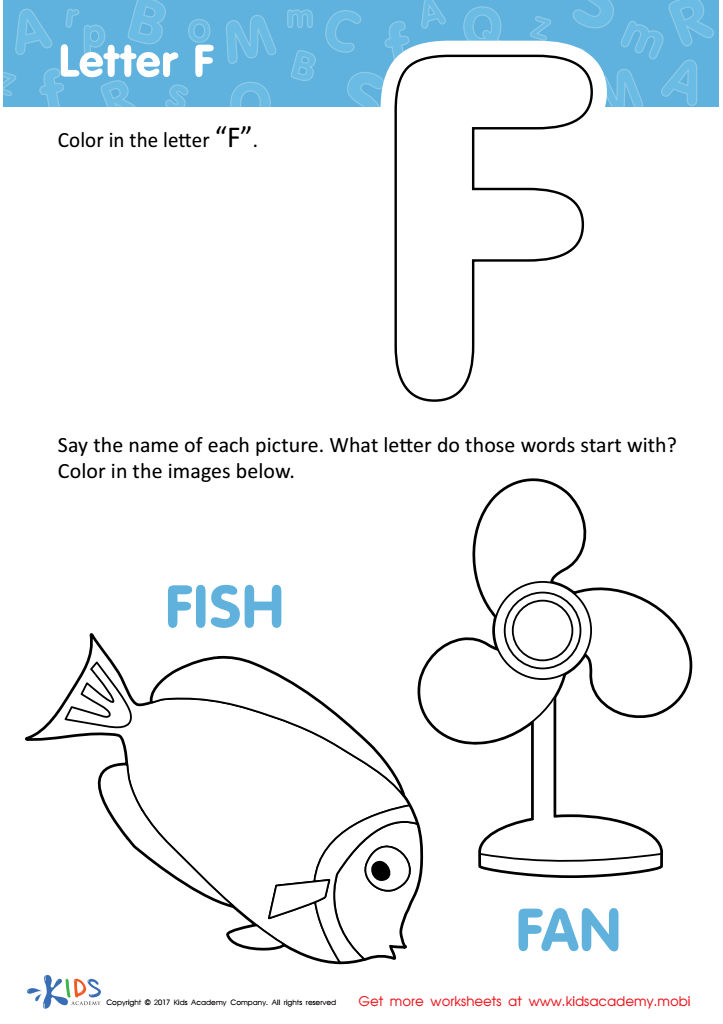
Letter F Coloring Sheet
Assign to My Students
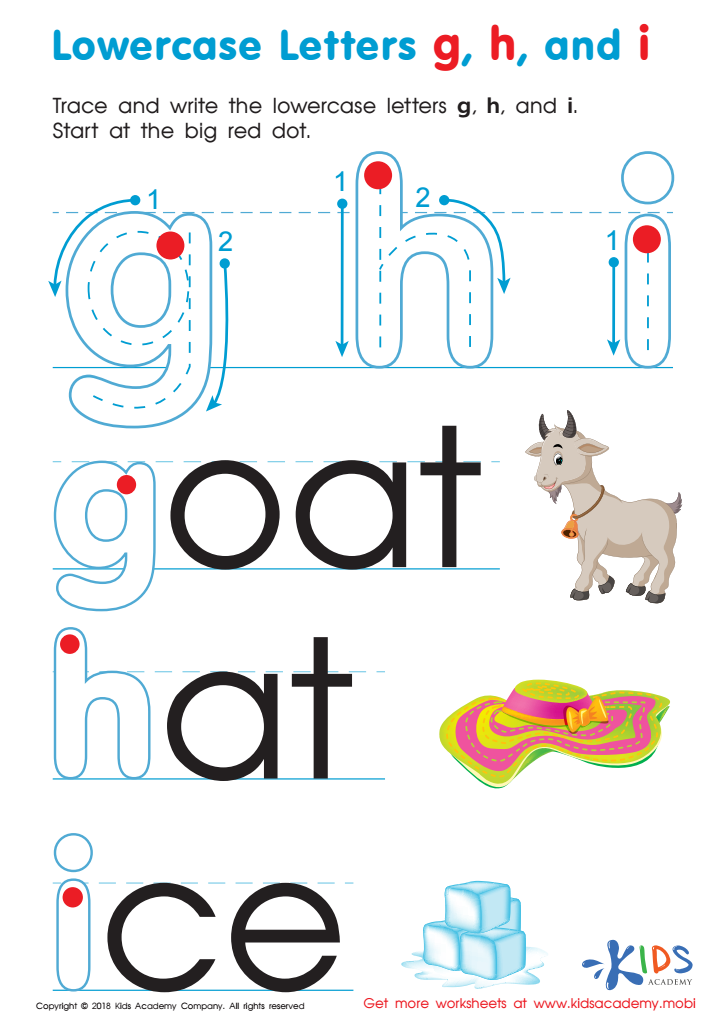
Lowercase Letters g h i Worksheet
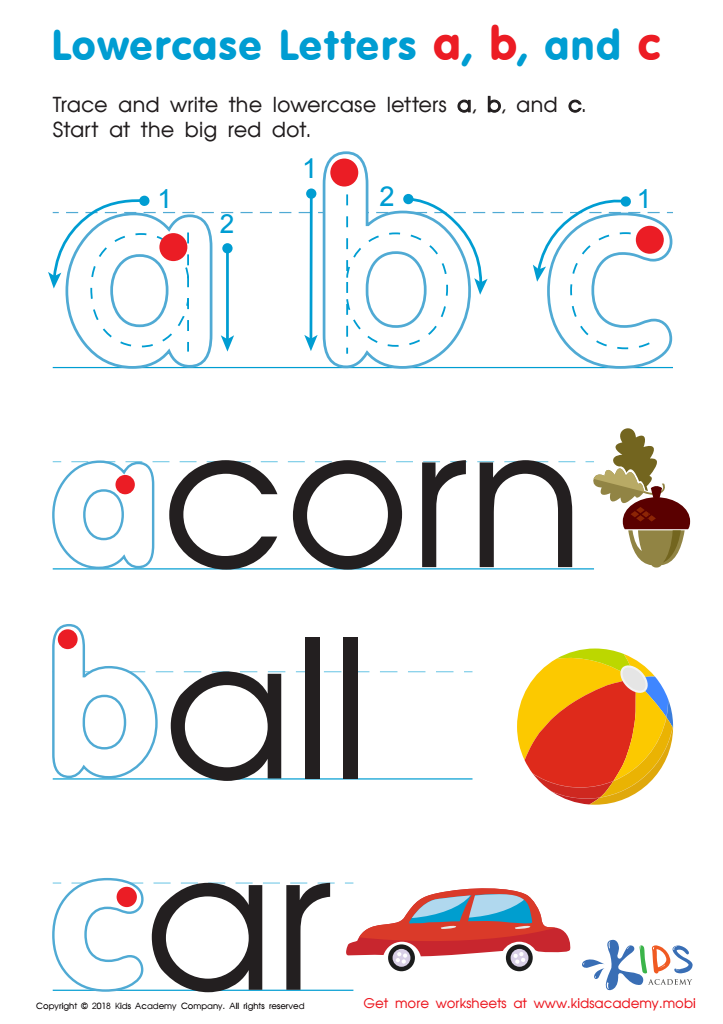
Lowercase Letters a b c Worksheet
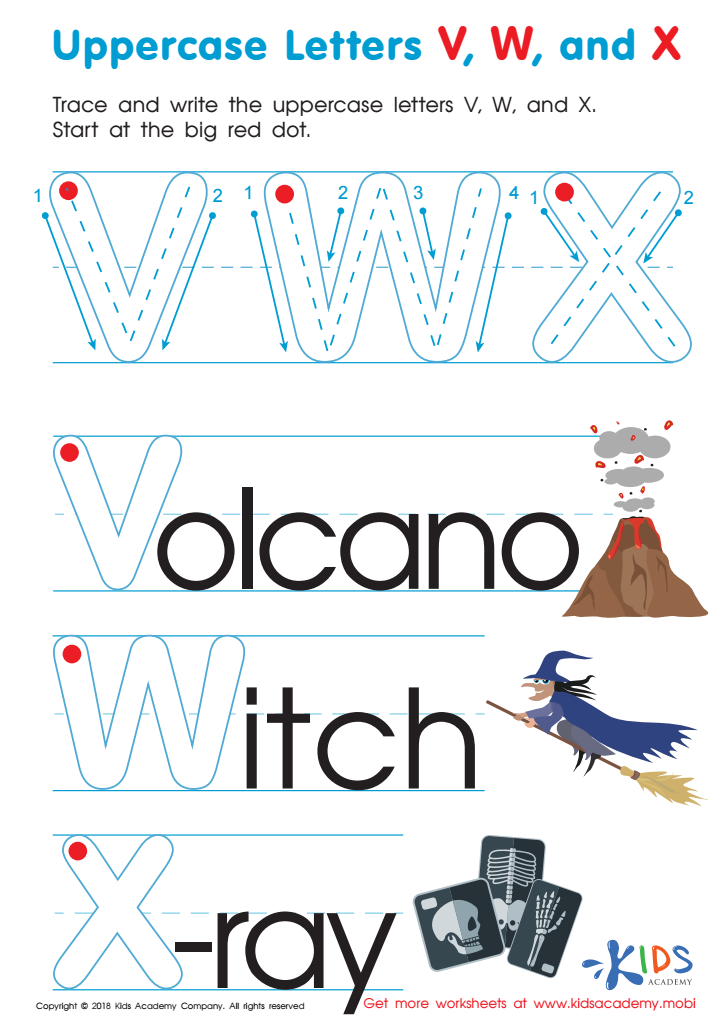
Uppercase Letters V, W, and X Worksheet








Alphabet recognition, particularly normal letter recognition, is a fundamental literacy skill for children aged 3-4. It serves as the building block for reading and writing. Understanding the letters of the alphabet not only helps young children identify and use these symbols but also enhances their language development and comprehension skills.
Parents and teachers play a crucial role in fostering this skill. By helping children recognize letters, they pave the way for better phonetic awareness, which directly influences their ability to decode words. Furthermore, recognizing letters boosts children's self-esteem, as they gain confidence in their ability to communicate effectively.
Engagement in alphabet activities, such as reading together, singing the alphabet song, or playing letter-related games, can make learning fun and interactive. These experiences help create a positive association with literacy, inspiring a lifelong love for reading and writing.
Ultimately, teaching normal letter recognition lays a vital foundation for academic success. It prepares children for the rigors of early education, equipping them with essential skills that will serve them throughout their academic journey and beyond. By prioritizing alphabet recognition, parents and teachers set children on the path to becoming confident, competent readers.








