Alphabet sequencing Normal Letter Recognition Worksheets for Ages 3-4
3 filtered results
-
From - To
Enhance your child's early literacy skills with our Alphabet Sequencing Normal Letter Recognition Worksheets for ages 3-4! These engaging worksheets encourage preschoolers to identify and arrange letters in the correct order. Tailored specifically for little learners, each activity promotes fine motor skills while encouraging letter recognition and early phonemic awareness. As children practice sequencing letters, they build a strong foundation for reading and writing. The colorful and interactive designs keep kids captivated and excited to learn. Perfect for home or classroom use, our worksheets make learning the alphabet fun and effective. Download now to kickstart your child's alphabet mastery!
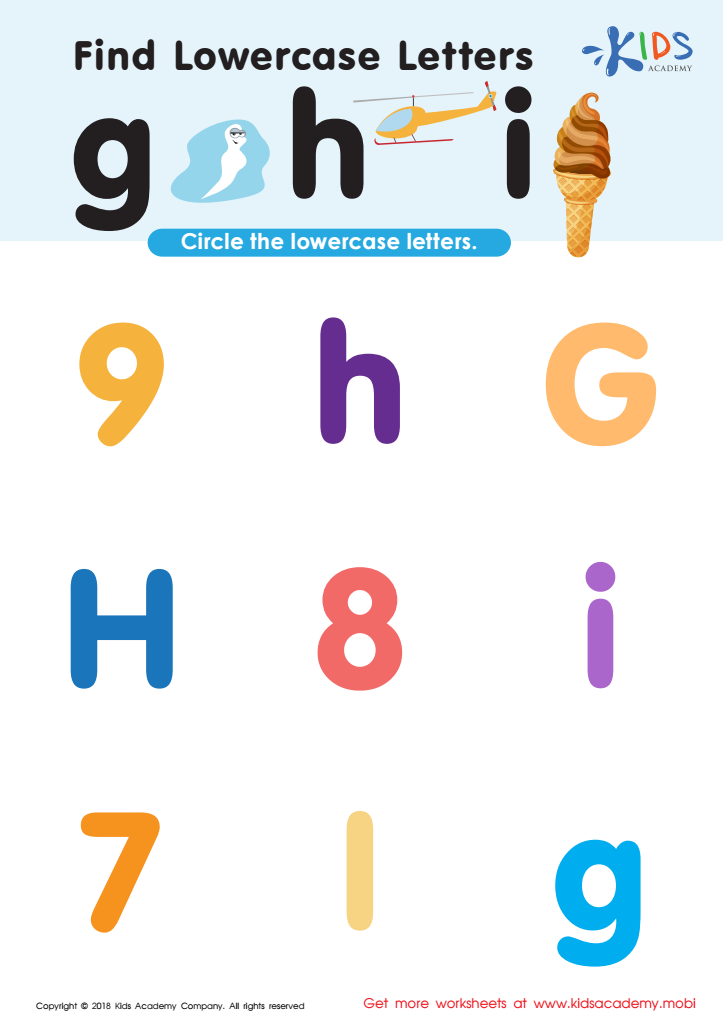
Find Lowercase Letters g h i Worksheet
 Assign to My Students
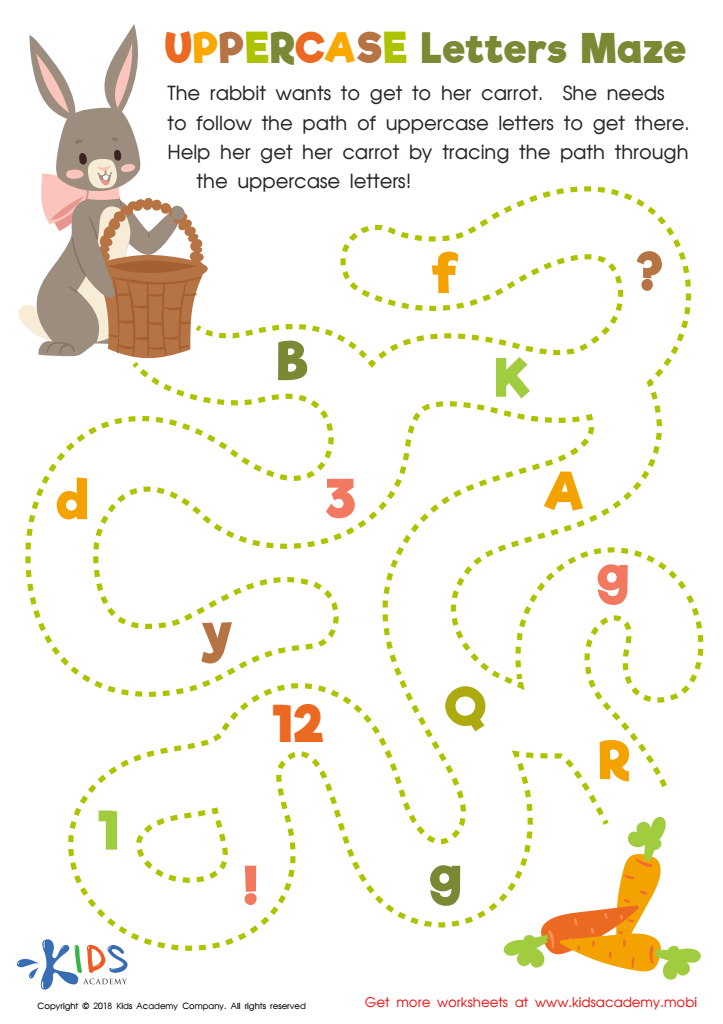
Uppercase Letters Maze Worksheet

Lowercase Letters j k l Worksheet








Alphabet sequencing and normal letter recognition are foundational skills for children aged 3-4 that are vital for their future literacy development. At this age, children are becoming familiar with letters and sounds, both of which are crucial for reading and writing. Recognizing letters in sequence helps young learners understand the concept of the alphabet and enhances their phonemic awareness, meaning they can hear and manipulate sounds within words.
Parents and teachers should care about fostering these skills because they lay the groundwork for academic success. When children can efficiently recognize letters, they are more likely to succeed in phonics instruction, which promotes effective reading strategies and builds confidence. Engaging with letters during this formative stage can also encourage curiosity and a love for learning.
Furthermore, early intervention in letter recognition can identify potential learning challenges. By ensuring children grasp these concepts, whether through fun activities or structured learning, caregivers can instill a strong basis for communication skills, which extend into all subject areas. Ultimately, investing time and resources in developing alphabet sequencing and letter recognition in early childhood sets the stage for lifelong literacy and cognitive development, positively impacting a child's educational journey.








