Hand-eye Coordination Normal Letter Recognition Worksheets for Ages 3-4
6 filtered results
-
From - To
Enhance your child's early learning with our Hand-eye Coordination Normal Letter Recognition Worksheets, designed specifically for ages 3-4. These engaging worksheets help young learners develop critical hand-eye coordination skills while recognizing and identifying letters. With fun, interactive activities, children will practice tracing, matching, and coloring letters, making learning enjoyable and effective. Our materials cater to different learning styles, ensuring that every child can thrive in their alphabet journey. Perfect for home or classroom use, these worksheets provide a solid foundation for literacy, setting the stage for future academic success. Start your child's adventure in letter recognition today!
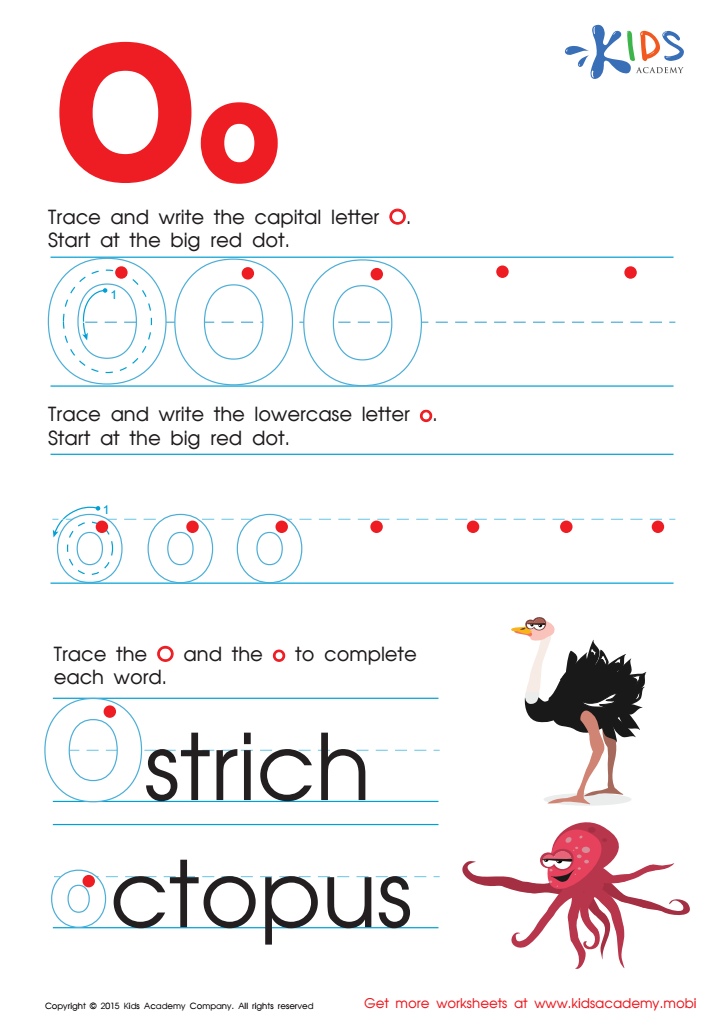
Letter O Tracing Page
 Assign to My Students
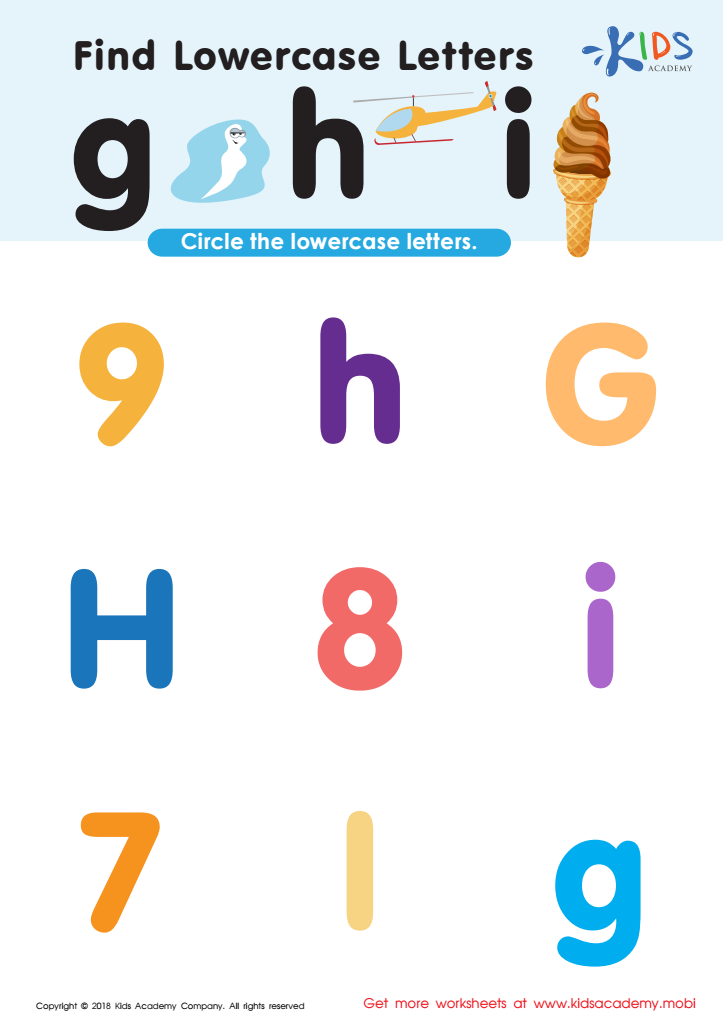
Find Lowercase Letters g h i Worksheet
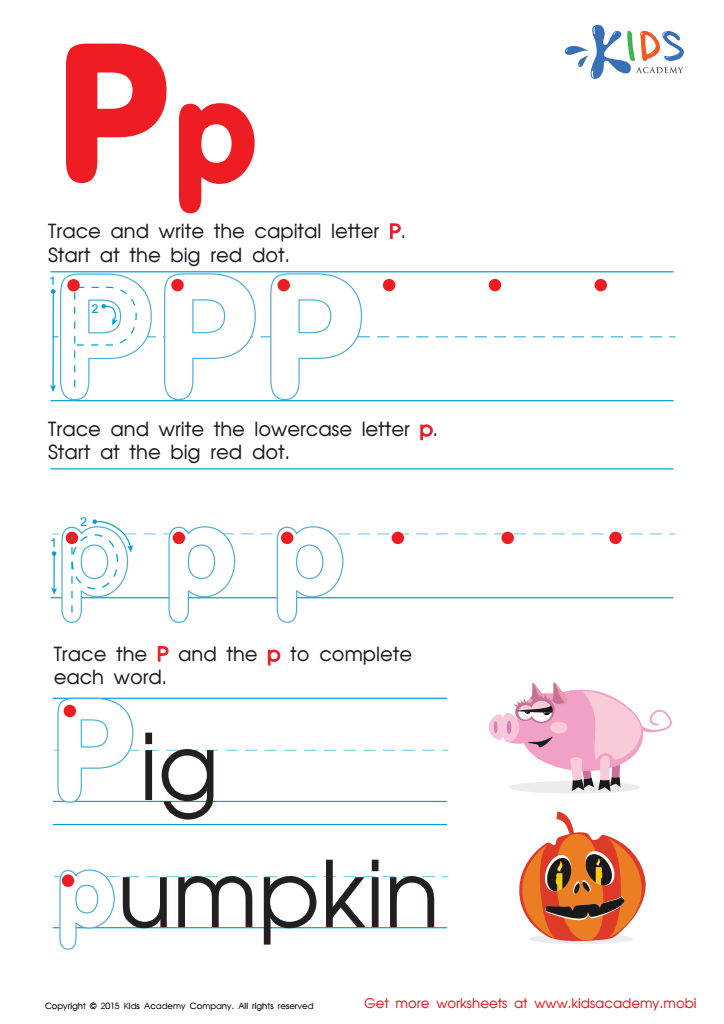
Letter P Tracing Page
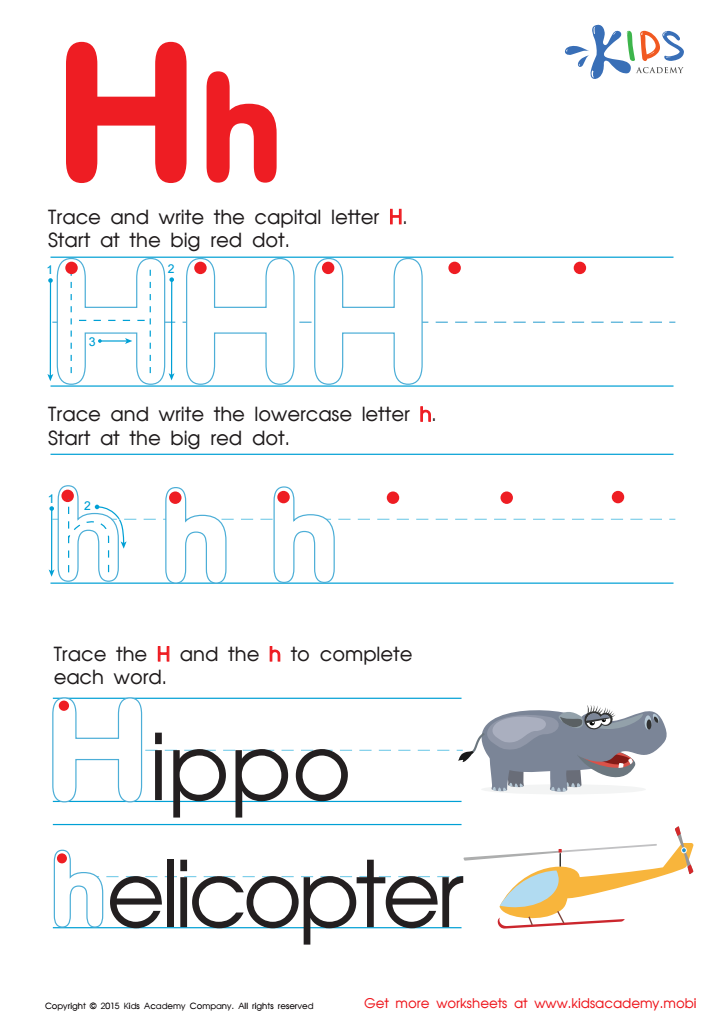
Letter H Tracing Page
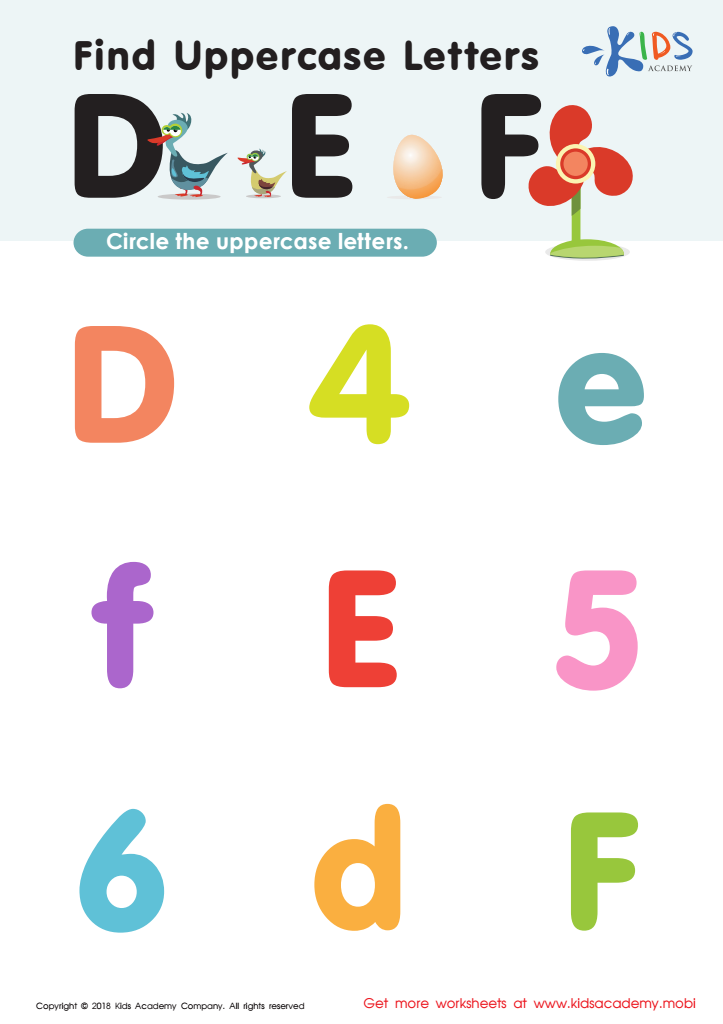
Find Uppercase Letters D, E, and F Worksheet

Letter D Tracing Page








Hand-eye coordination and normal letter recognition are crucial developmental skills for children aged 3-4 and hold significant importance for both parents and teachers. At this early stage, children are laying the foundation for future learning, making it essential for caregivers to recognize the interplay between these skills.
Hand-eye coordination enables children to successfully engage in a multitude of tasks, such as drawing, coloring, and writing, which directly support literacy development. Activities that improve this skill, such as stringing beads or playing with building blocks, can increase children's physical confidence, while also enhancing their ability to hold and manipulate writing tools as they transition into more formal schooling.
Concurrent with hand-eye coordination, normal letter recognition is paramount; it lays the groundwork for reading and phonics skills. Recognizing letters helps children understand that written symbols correspond to spoken language. This foundational understanding promotes early literacy, a critical factor in long-term academic success.
By fostering both hand-eye coordination and letter recognition at this age, parents and teachers are not only enriching children’s immediate learning experiences but also equipping them with essential tools they will need throughout their educational journey. Engaging in playful, interactive activities can significantly bolster these areas of development, creating a strong base for future reading and writing proficiency.








