Hand-eye Coordination Normal Tracing Lines and Curves Worksheets for Ages 3-4
4 filtered results
-
From - To
Enhance your child's hand-eye coordination with our specially designed Normal Tracing Lines and Curves Worksheets for ages 3-4. These engaging worksheets provide a fun and interactive way for young learners to develop essential motor skills. By tracing lines and curves, children improve their grip on writing tools while honing their concentration and focus. Tailored specifically for preschoolers, these activities promote creativity and self-expression in a playful environment. With colorful designs and age-appropriate tasks, our worksheets make learning enjoyable and effective. Encourage your little one’s early writing skills while laying a solid foundation for future learning success! Download now and start tracing!
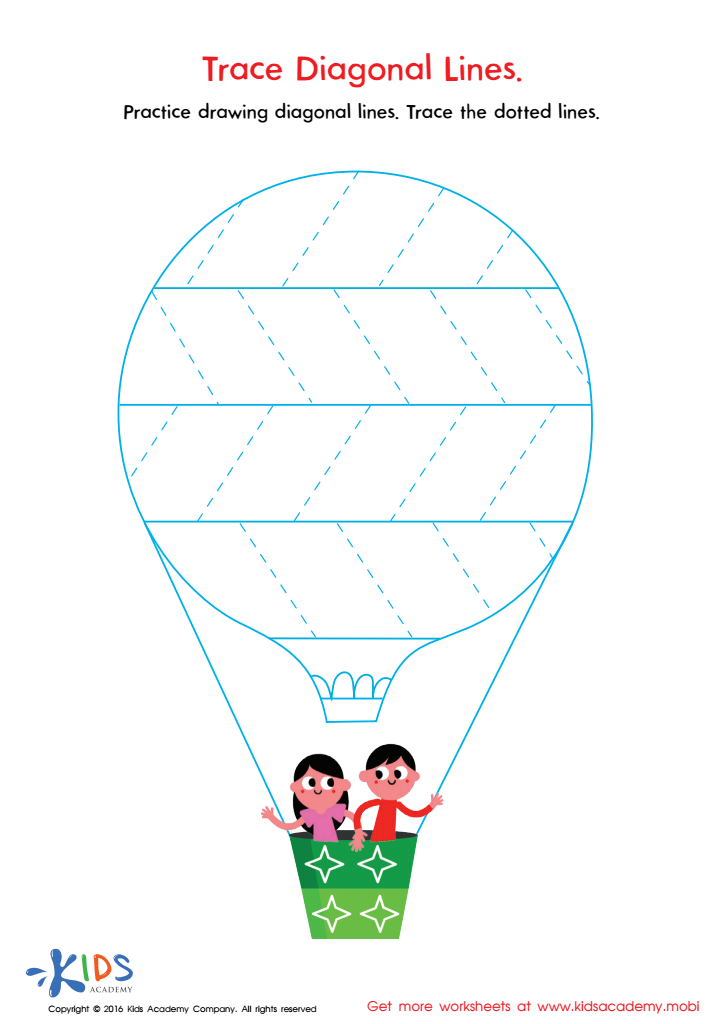
Trace Diagonal Lines Worksheet
 Assign to My Students
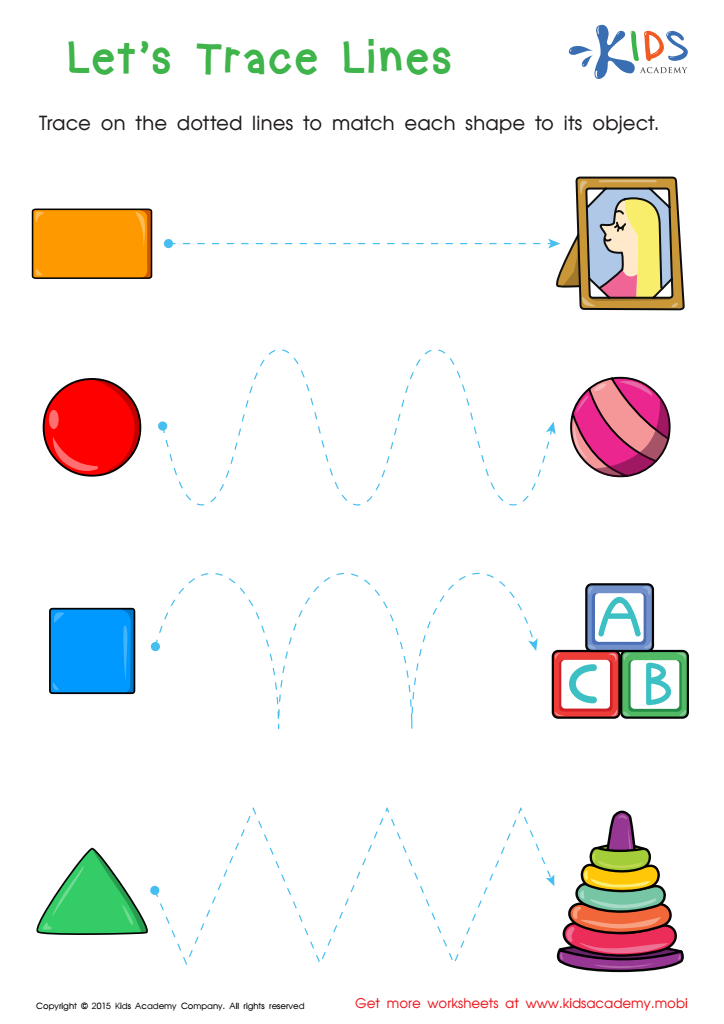
First Words: Let's Trace Lines Worksheet
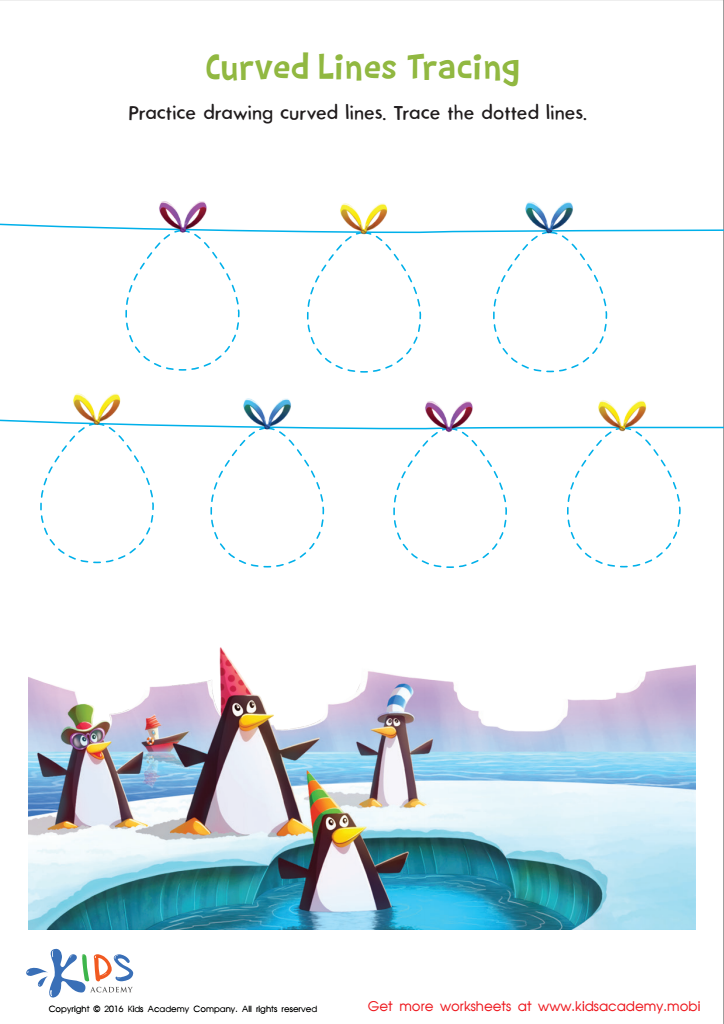
Curved Lines Tracing Worksheet
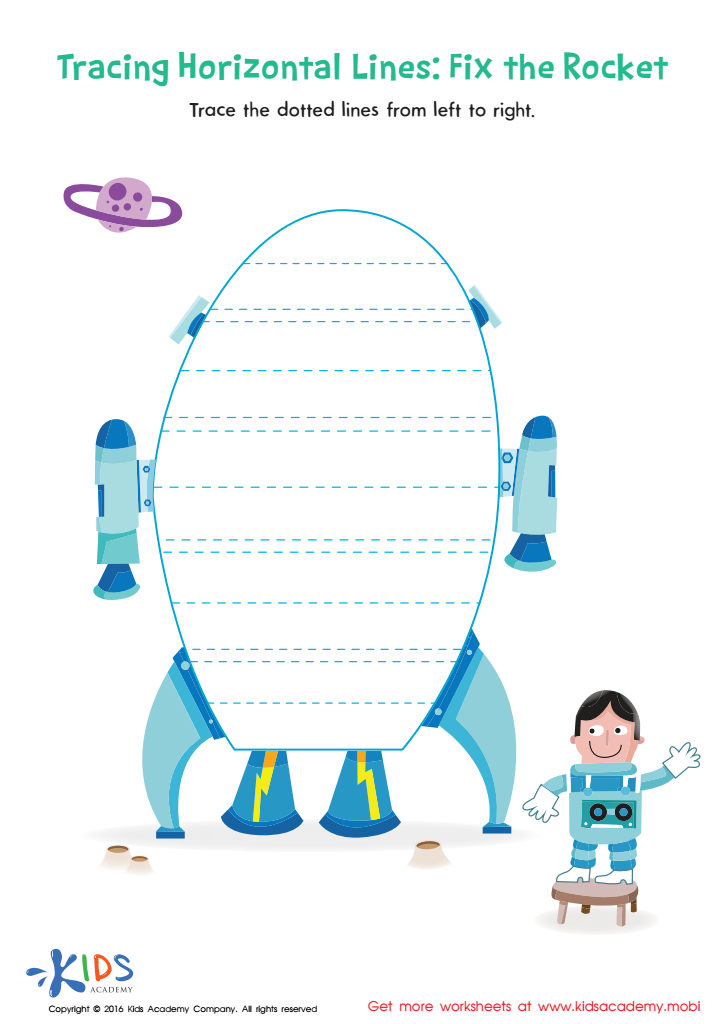
Tracing Horizontal Lines Worksheet




Parents and teachers should prioritize developing hand-eye coordination in children aged 3 to 4 because it plays a critical role in their overall cognitive and physical development. Normal tracing of lines and curves enhances fine motor skills, which are essential for daily tasks such as writing, cutting, and buttoning clothes. This stage of development is vital as young children are naturally curious and eager to explore their environment; engaging them in tracing activities can help refine their motor control.
Moreover, these activities encourage concentration and patience, fostering essential cognitive skills. When children trace lines and curves, they learn to coordinate their hand movements with visual information, improving their spatial awareness. This foundational skill is not just important for academic readiness but also supports their healthy growth by encouraging exploration in art, play, and other hands-on experiences.
In addition, practicing tracing helps build confidence. As children accomplish tracing tasks, they gain a sense of achievement that motivates them to tackle more complex challenges. For parents and teachers keen on setting a strong learning foundation, emphasizing hand-eye coordination activities cultivates skills that pave the way for future learning and personal independence, enriching their developmental journey.







