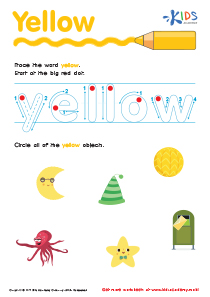
Alphabet Recognition Normal English for Beginners Worksheets for Ages 3-4
19 filtered results
-
From - To
Introduce your little ones to the fascinating world of letters with our “Alphabet Recognition Normal English for Beginners Worksheets for Ages 3-4”! Designed specifically for preschoolers, these engaging and colorful worksheets help children recognize and familiarize themselves with the alphabet. Each activity combines fun illustrations with educational tasks that cater to young learners' curiosity and developmental stages. Perfect for both classroom and home learning, our worksheets provide a strong educational foundation, ensuring success in their language journey. Start their adventure in language learning today and watch their confidence soar as they master the ABCs! Visit our page for more delightful resources.
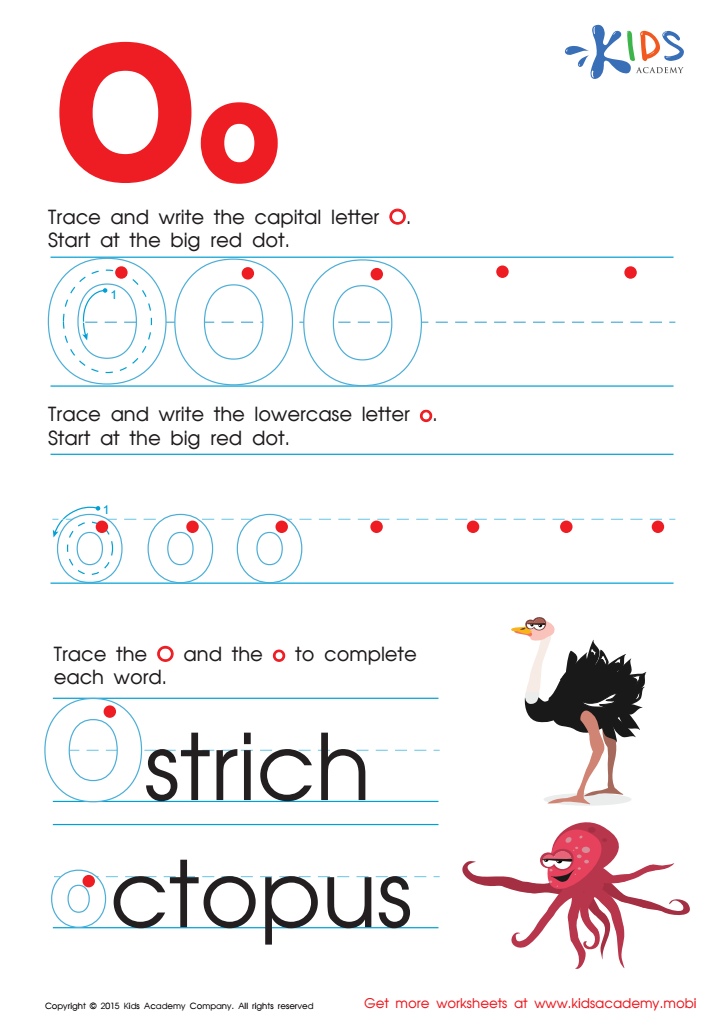
Letter O Tracing Page
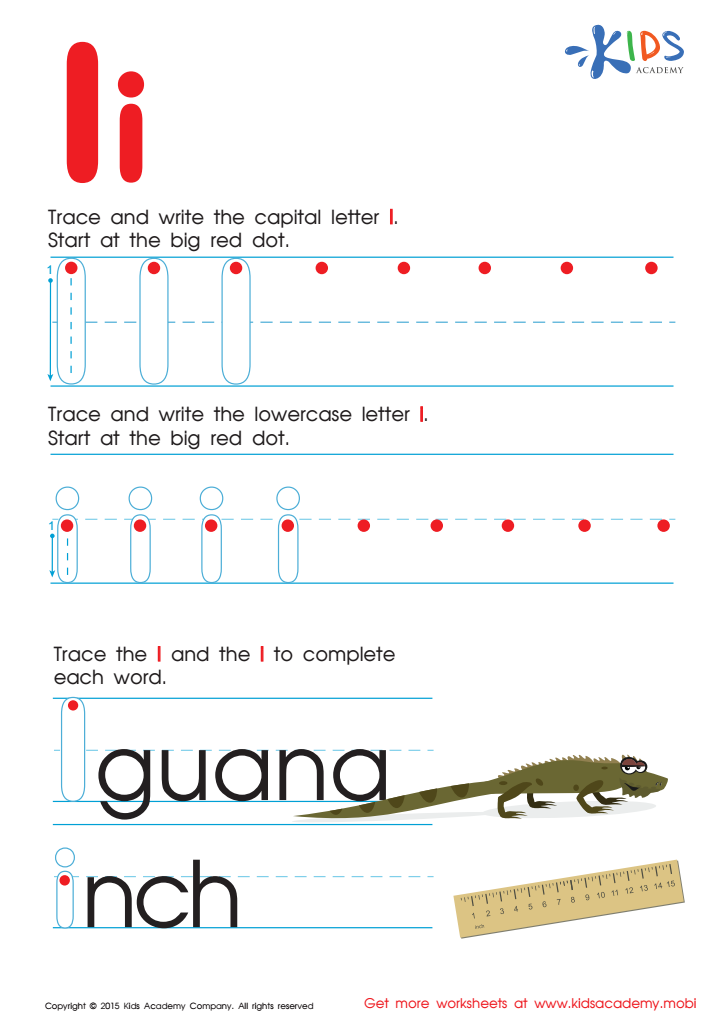
Letter I Tracing Page
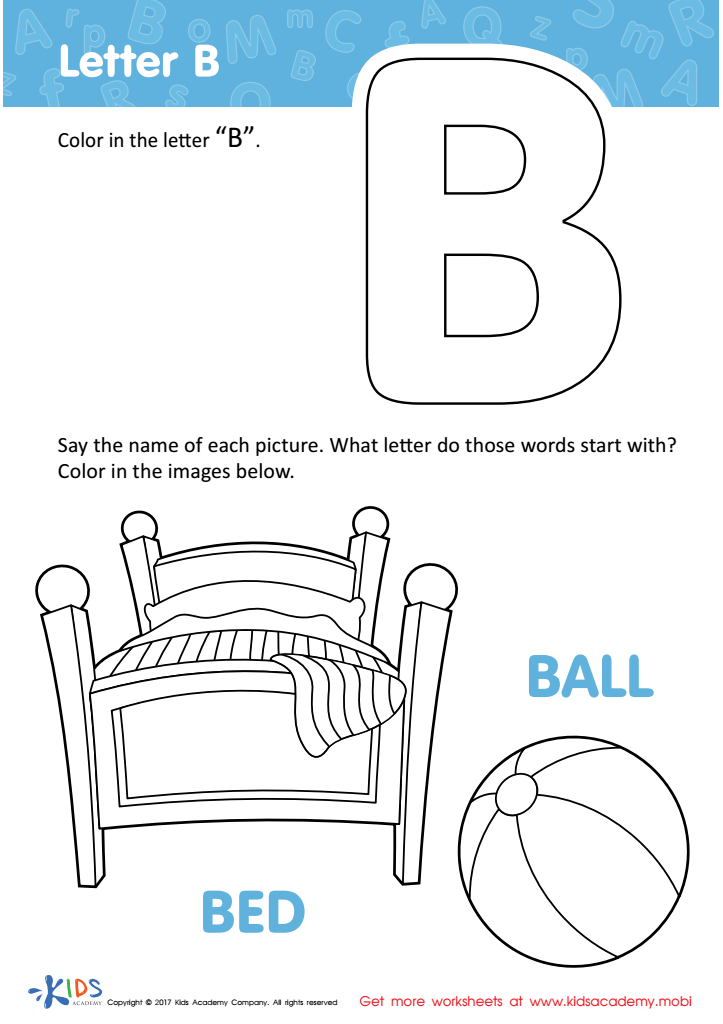
Letter B Coloring Sheet
 Assign to My Students
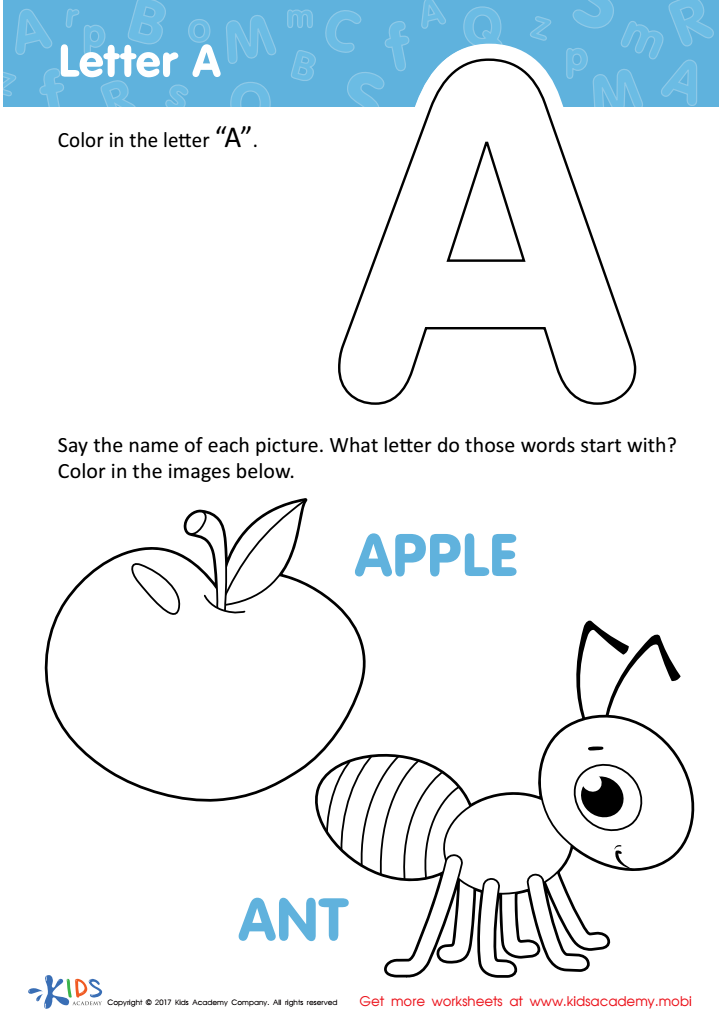
Letter A Coloring Sheet
Assign to My Students
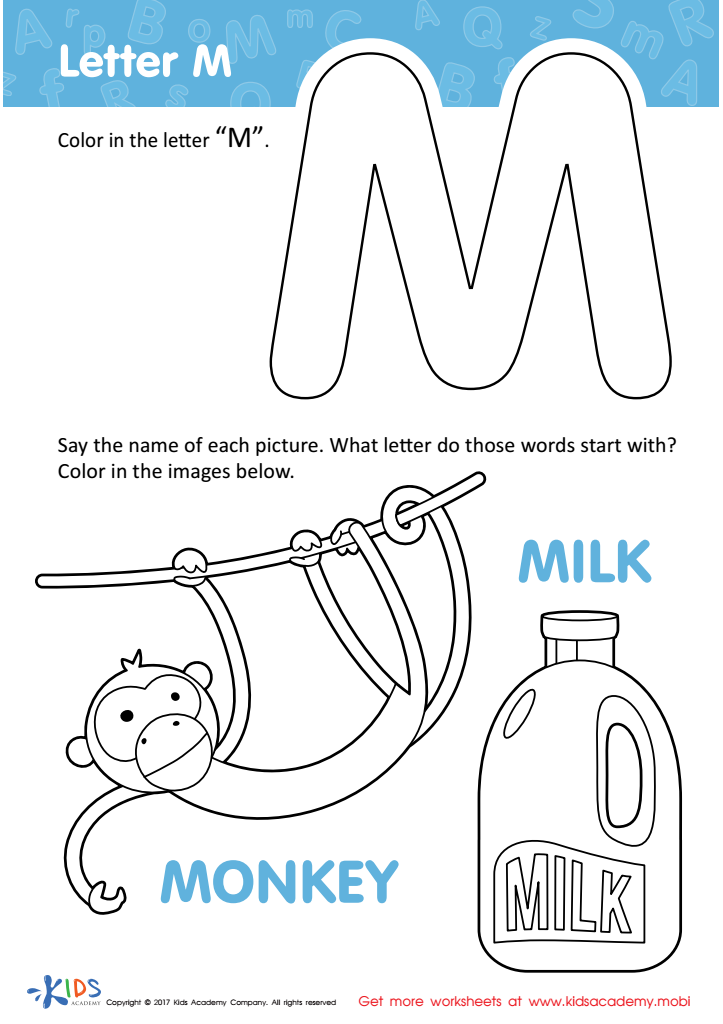
Letter M Coloring Sheet
Assign to My Students
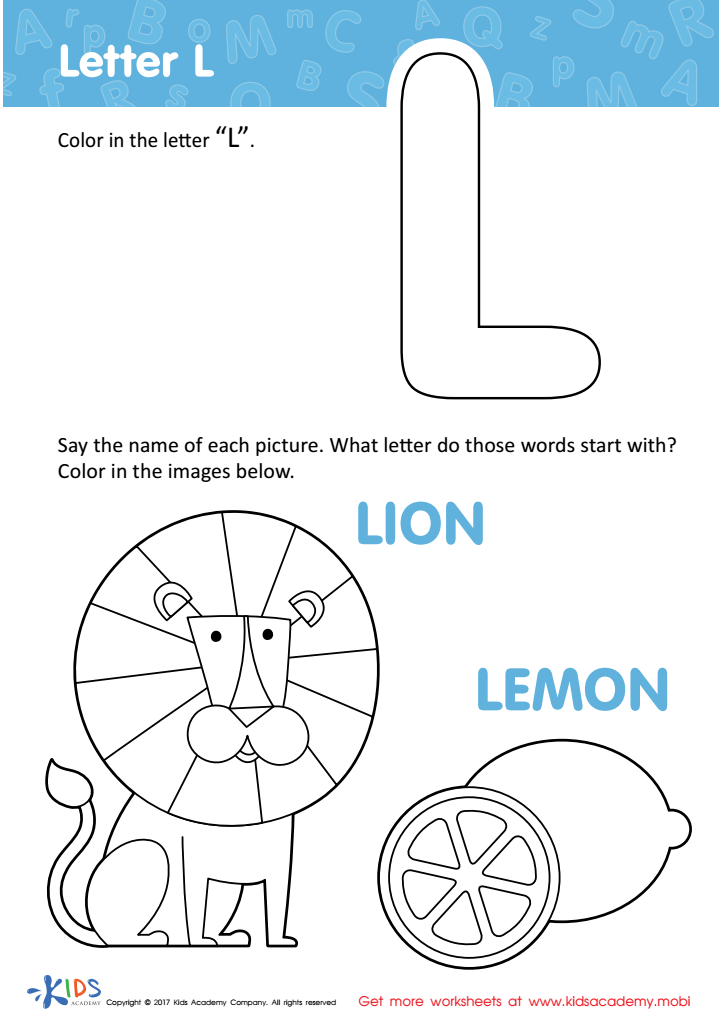
Letter L Coloring Sheet
Assign to My Students
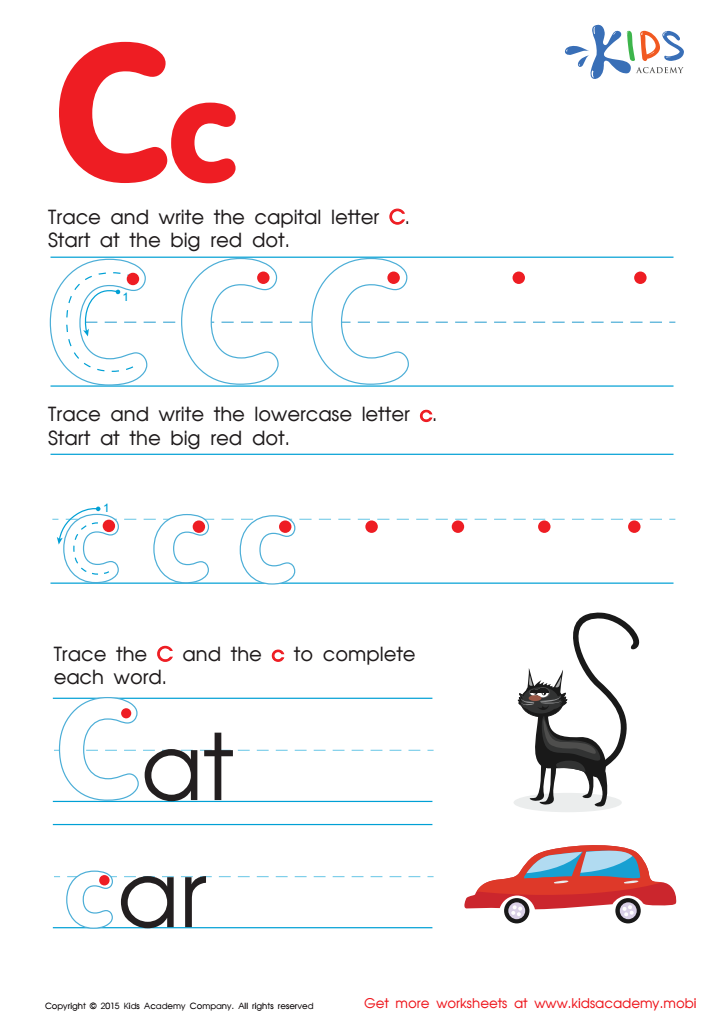
Letter C Tracing Page
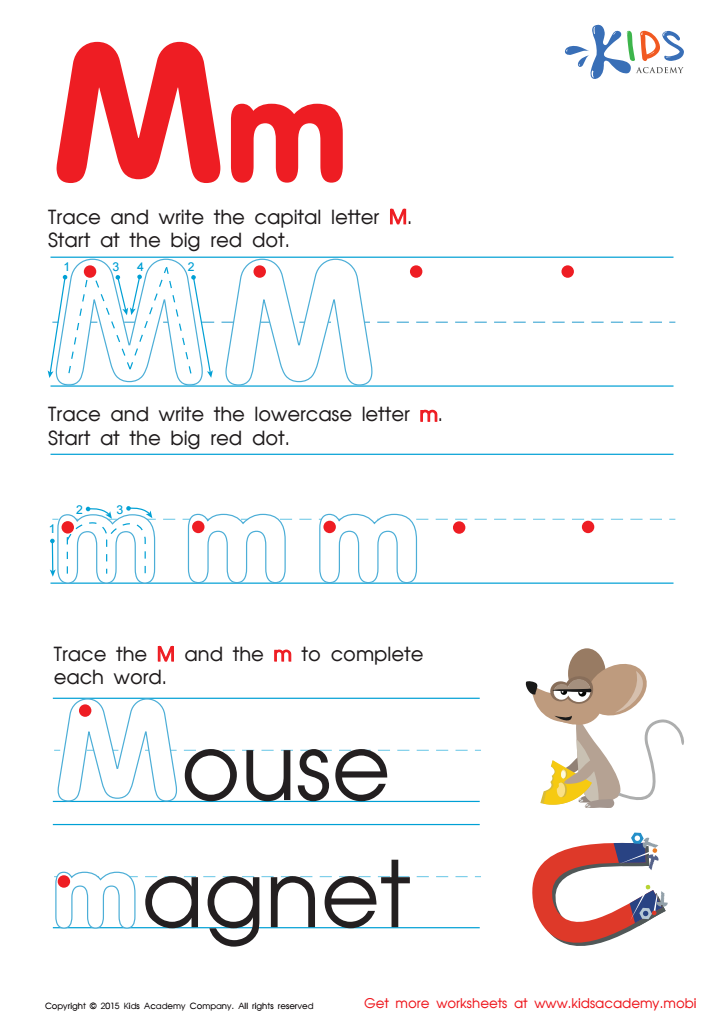
Letter M Tracing Page
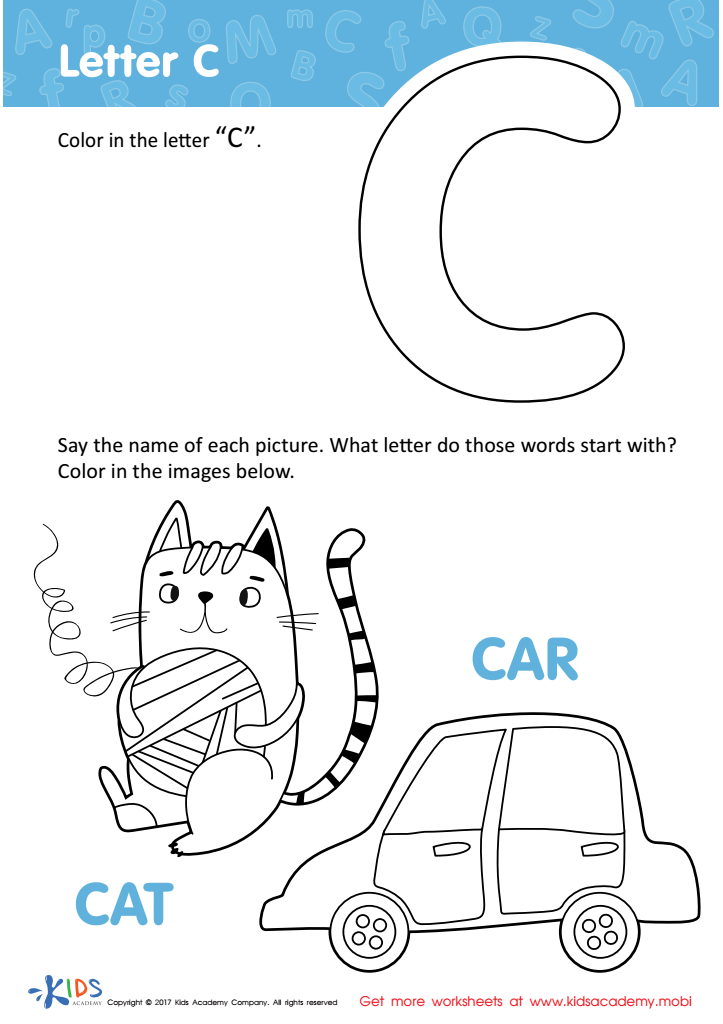
Letter C Coloring Sheet
Assign to My Students
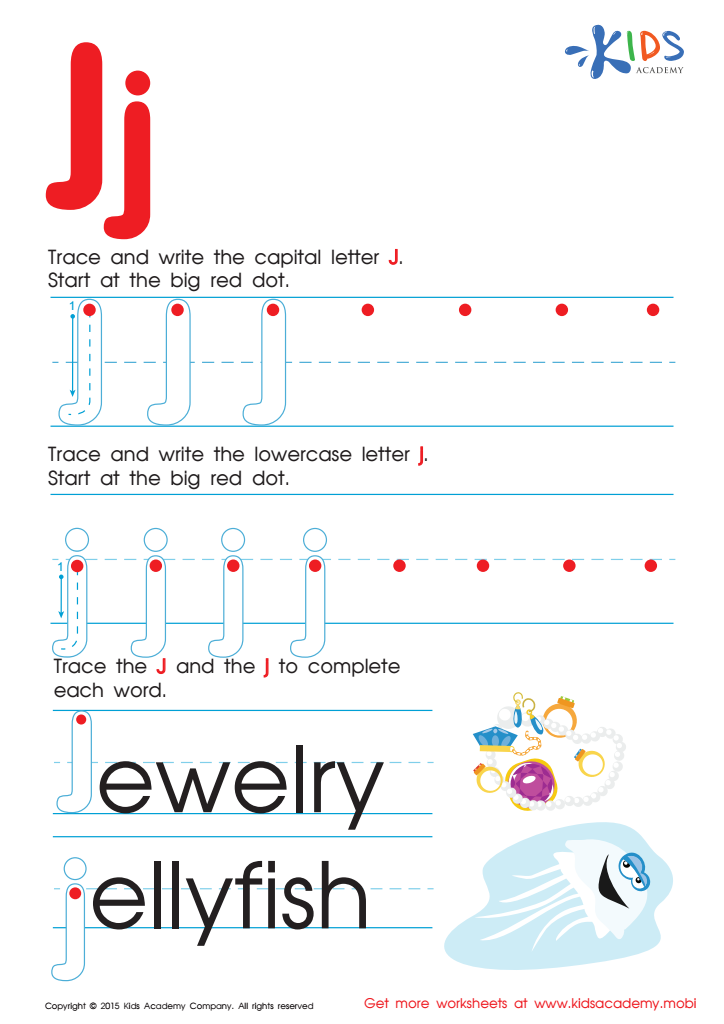
Letter J Tracing Page
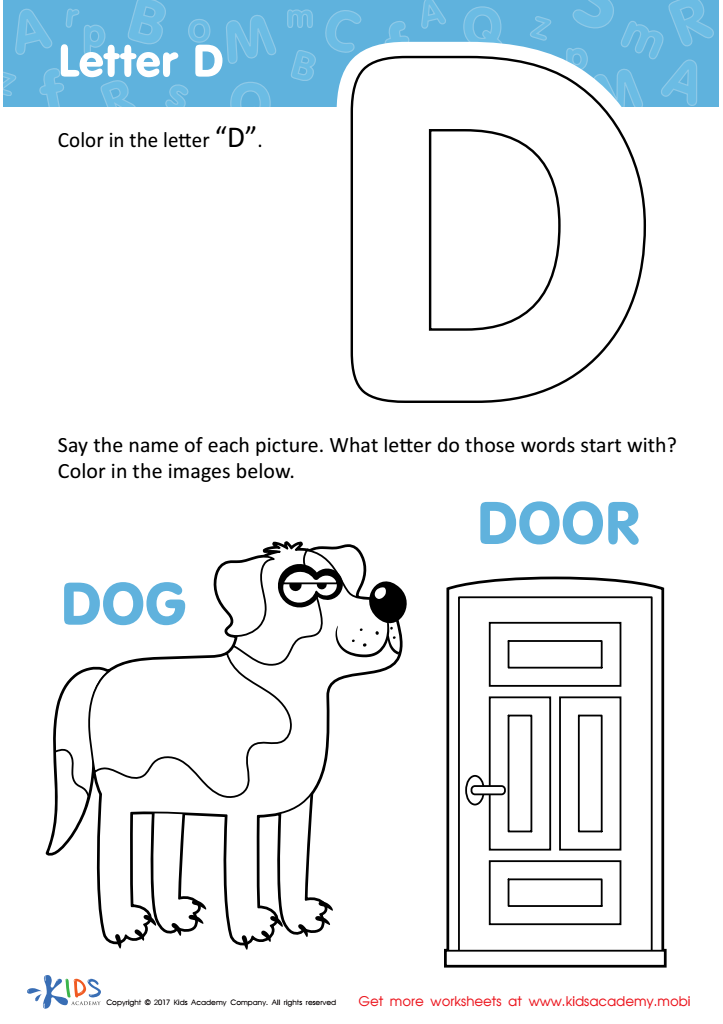
Letter D Coloring Sheet
Assign to My Students
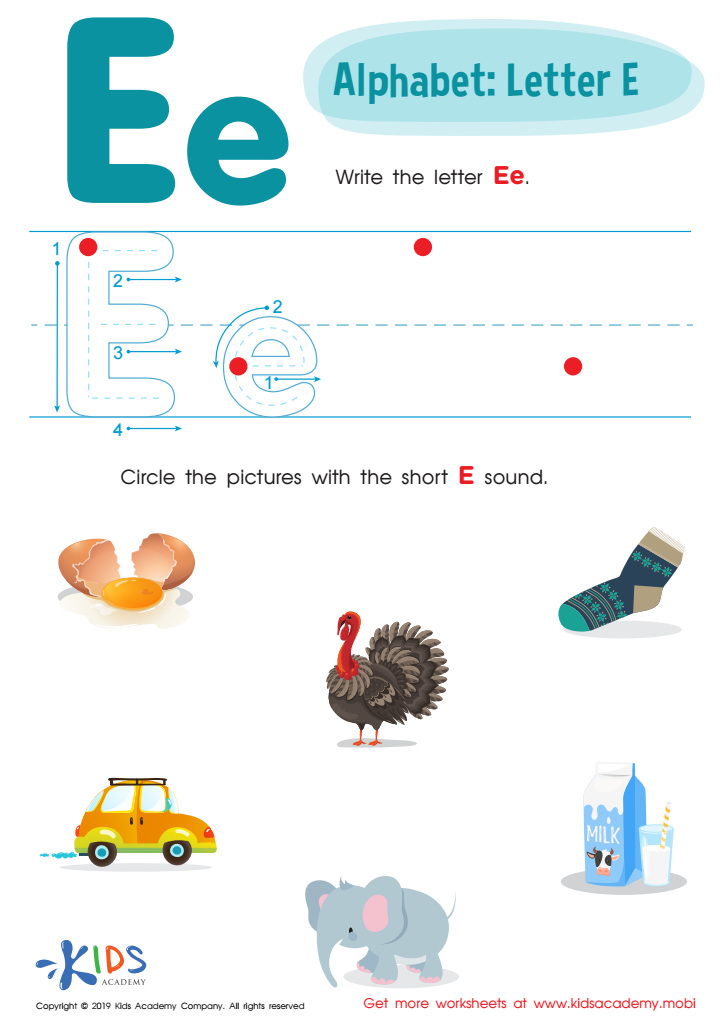
Letter E Tracing Worksheet
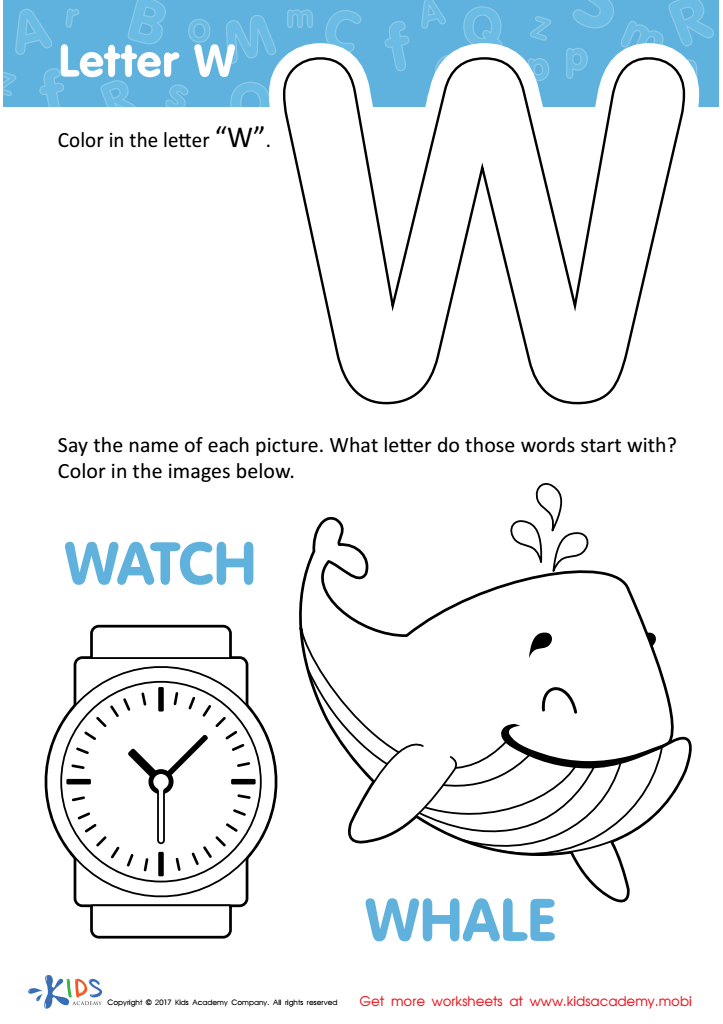
Letter W Coloring Sheet
Assign to My Students
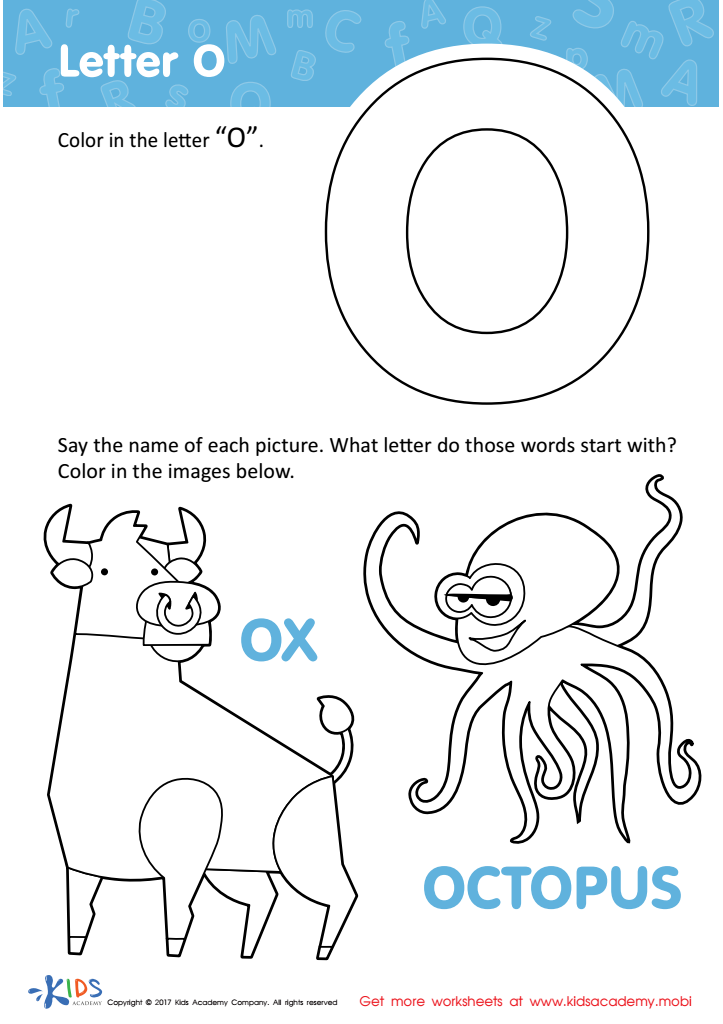
Letter O Coloring Sheet
Assign to My Students
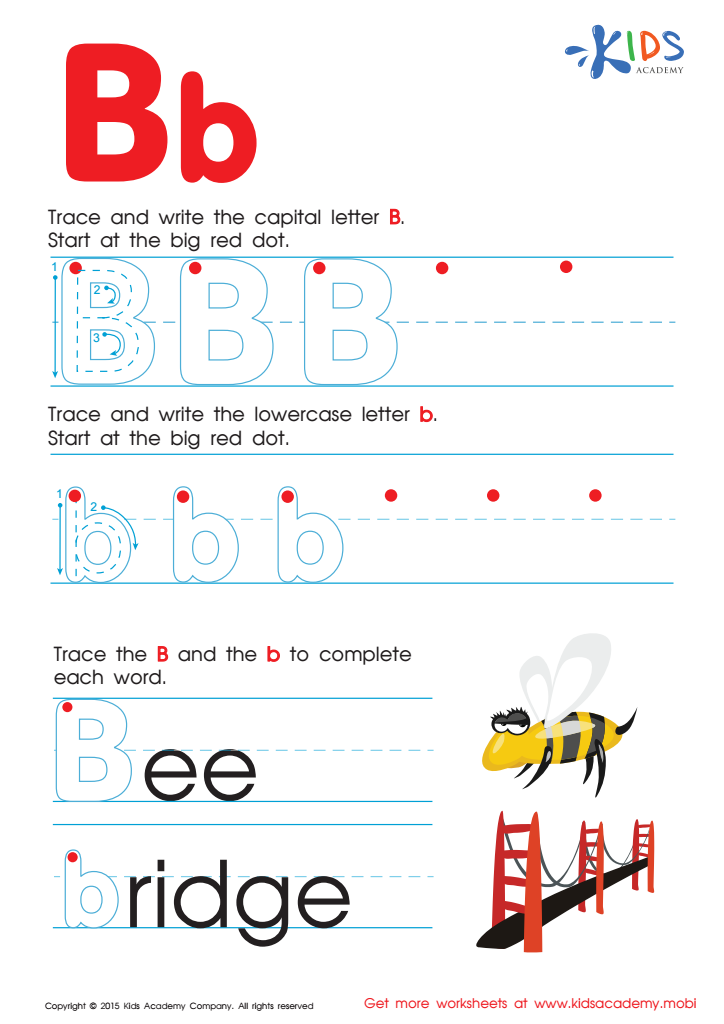
Letter B Tracing Page
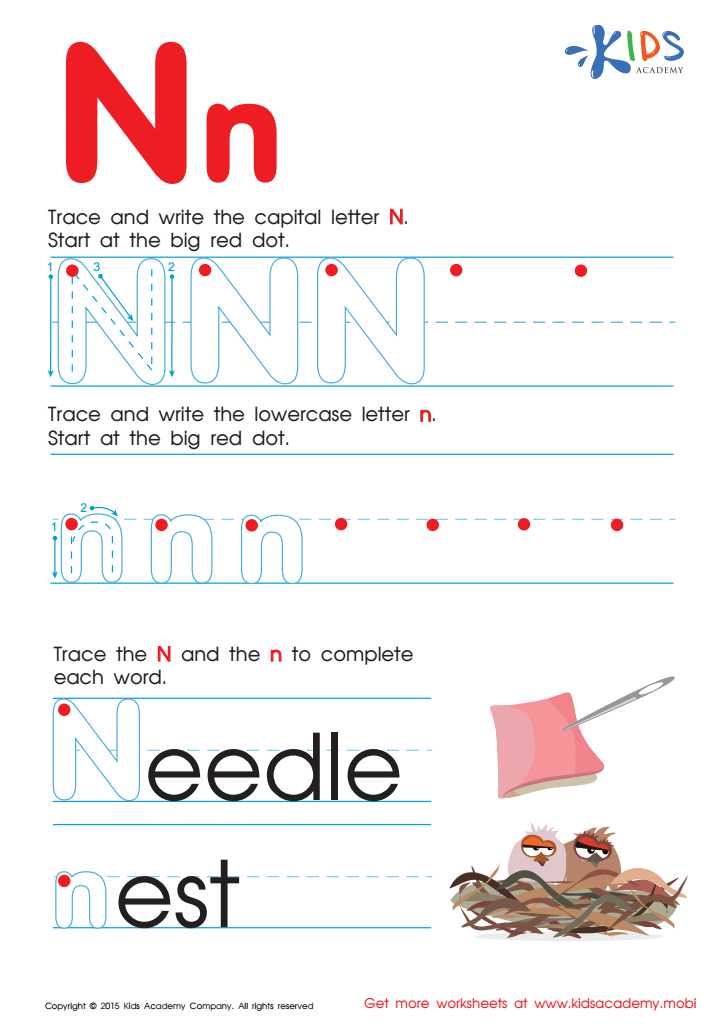
Letter N Tracing Page
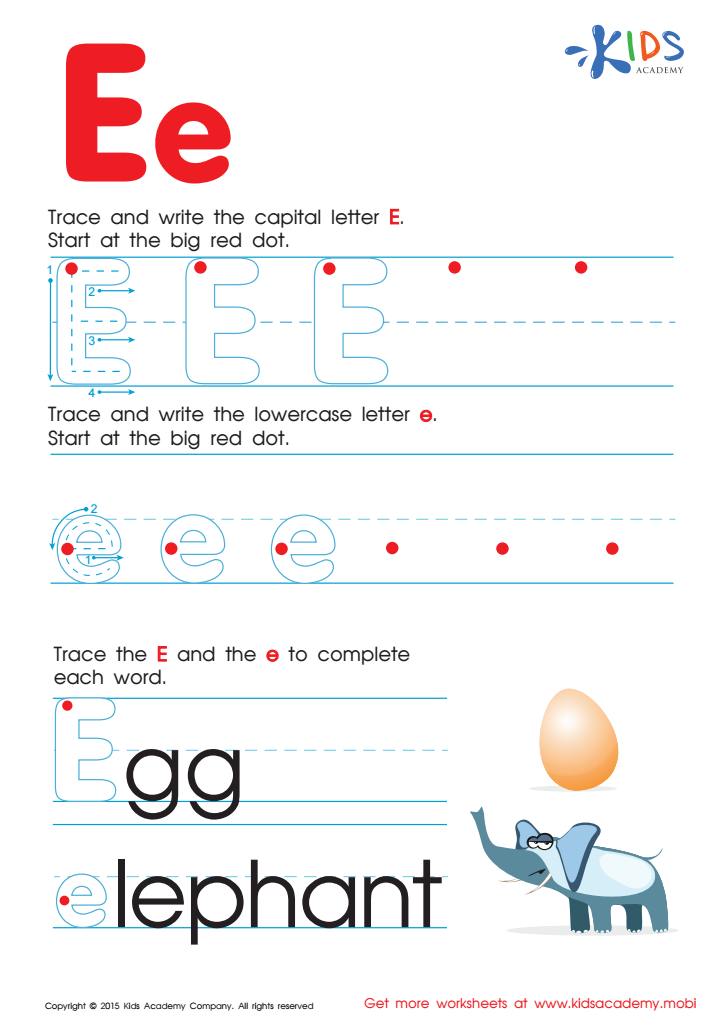
Letter E Tracing Page
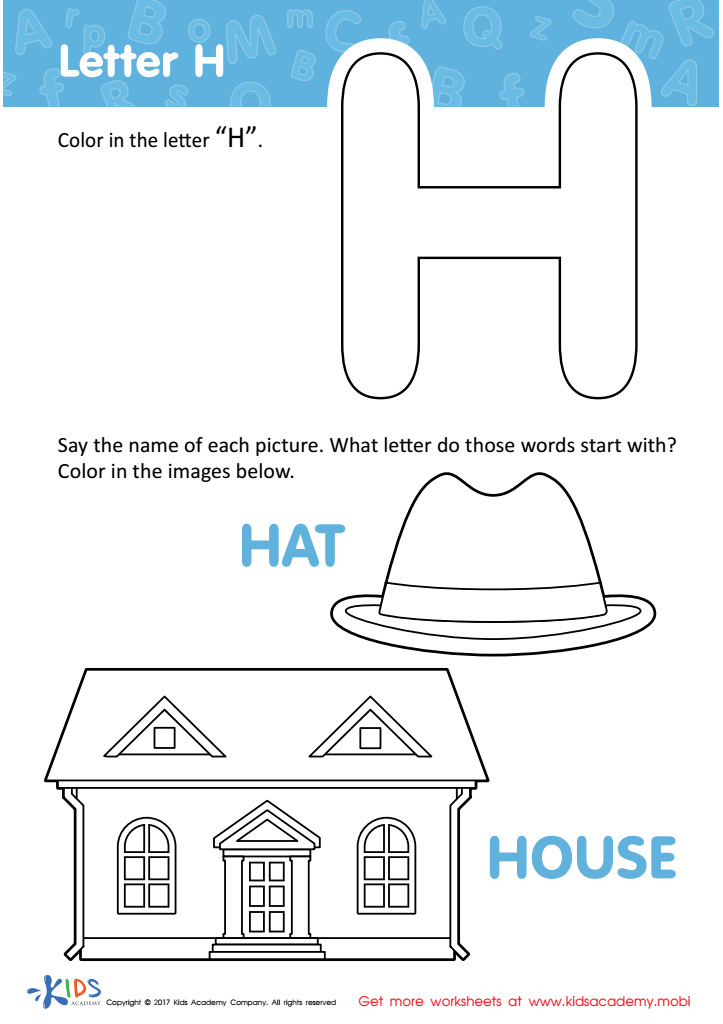
Letter H Coloring Sheet
Assign to My Students
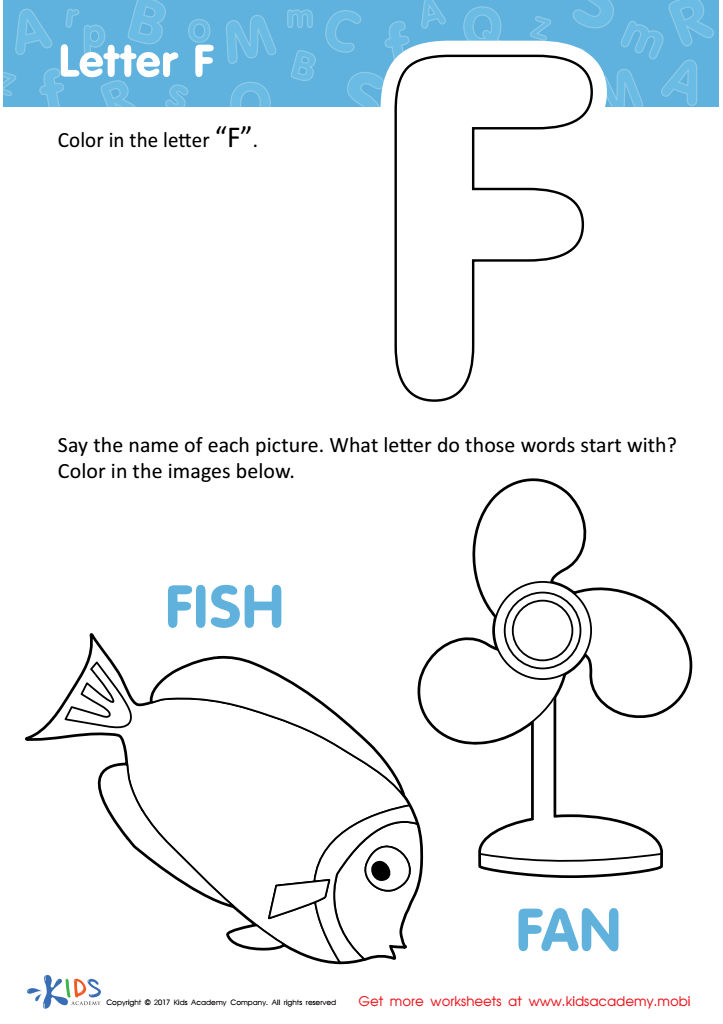
Letter F Coloring Sheet
Assign to My Students




Alphabet recognition is foundational for early childhood education and plays a crucial role in literacy development. It serves as a building block for reading and writing, empowering children to identify letters by their shapes and sounds. This early skill set leads to successful phonemic awareness, where kids learn how letters combine to form words.
For three- to four-year-olds, mastering the alphabet enhances cognitive and socio-emotional development. As children interact with letters, they enhance their visual memory and fine motor skills through activities like tracing and writing. Furthermore, familiarity with the alphabet fosters a child's confidence, easing the transition to more advanced learning settings.
Parents and teachers play pivotal roles in facilitating this essential learning. Engaging in alphabet recognition activities at home reiterates the significance of education beyond classroom settings, nurturing a culture of lifelong learning. Parents can utilize everyday objects and scenarios to make letter learning relatable and fun, enhancing retention and enthusiasm.
Teachers, on the other hand, introduce structured, diverse activities, such as storytime, puzzles, and crafts, tailored to capture children's imaginations. By investing time and resources into alphabet recognition, parents and teachers lay a solid, encouraging foundation for the child’s future academic achievements and overall cognitive abilities.