Handwriting improvement Normal English for Beginners Worksheets for Ages 3-4
5 filtered results
-
From - To
Boost your child’s handwriting skills with our "Handwriting Improvement Normal English for Beginners Worksheets," designed specifically for ages 3-4! These engaging worksheets help young learners develop essential writing skills through fun activities that foster creativity and improve fine motor skills. Each page is tailored for initial letter recognition, tracing, and proper letter formation, making learning enjoyable and effective. Ideal for early education settings, these worksheets support children as they embark on their literacy journey. Give your child the confidence they need to express themselves through writing while enjoying interactive, print-and-play resources that nurture their learning experience! Start today!
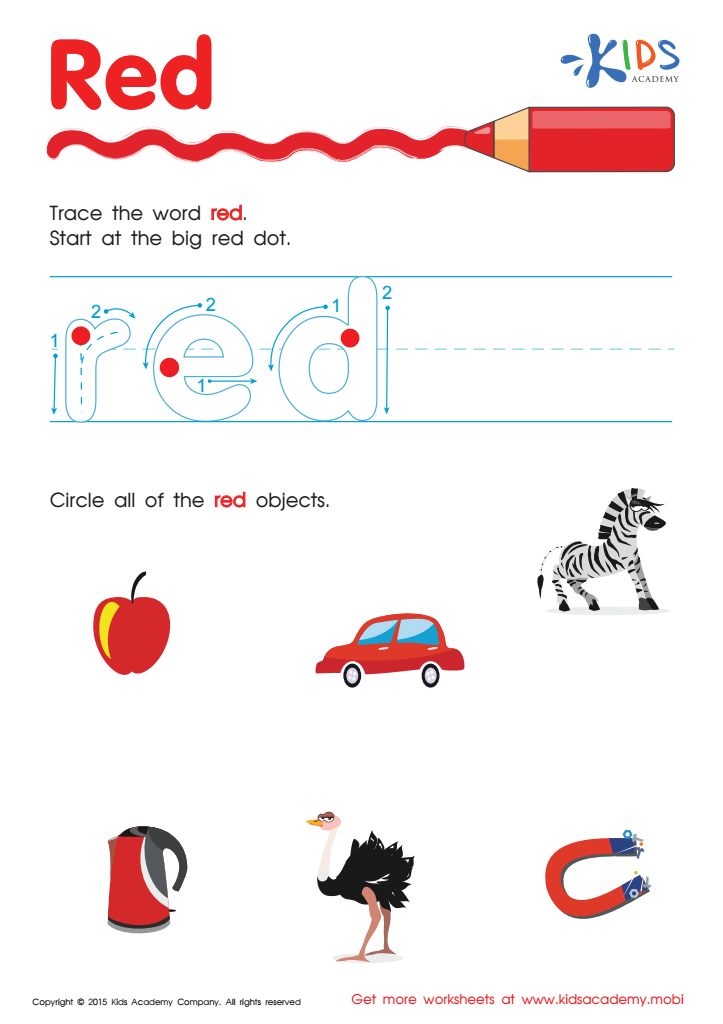
Red Tracing Color Words Printable
 Assign to My Students
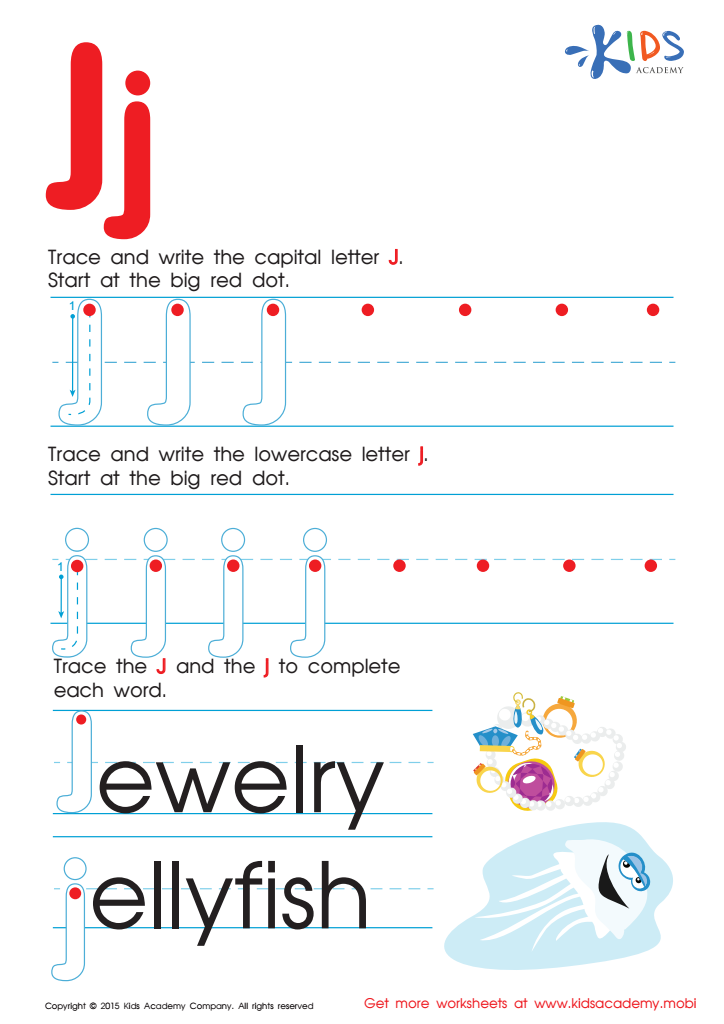
Letter J Tracing Page
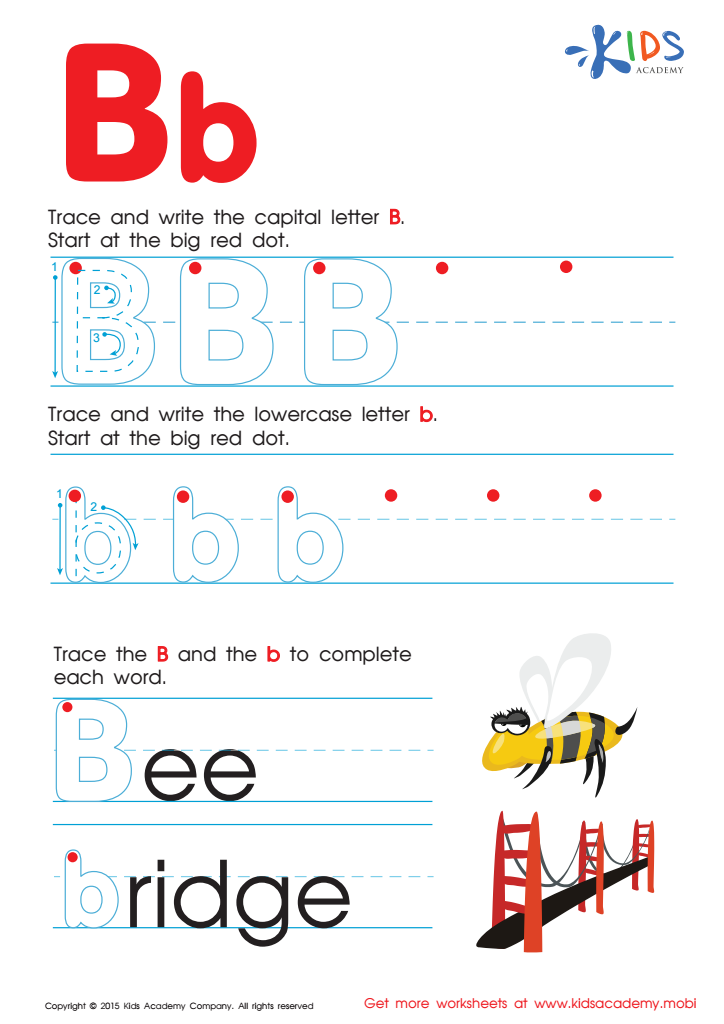
Letter B Tracing Page
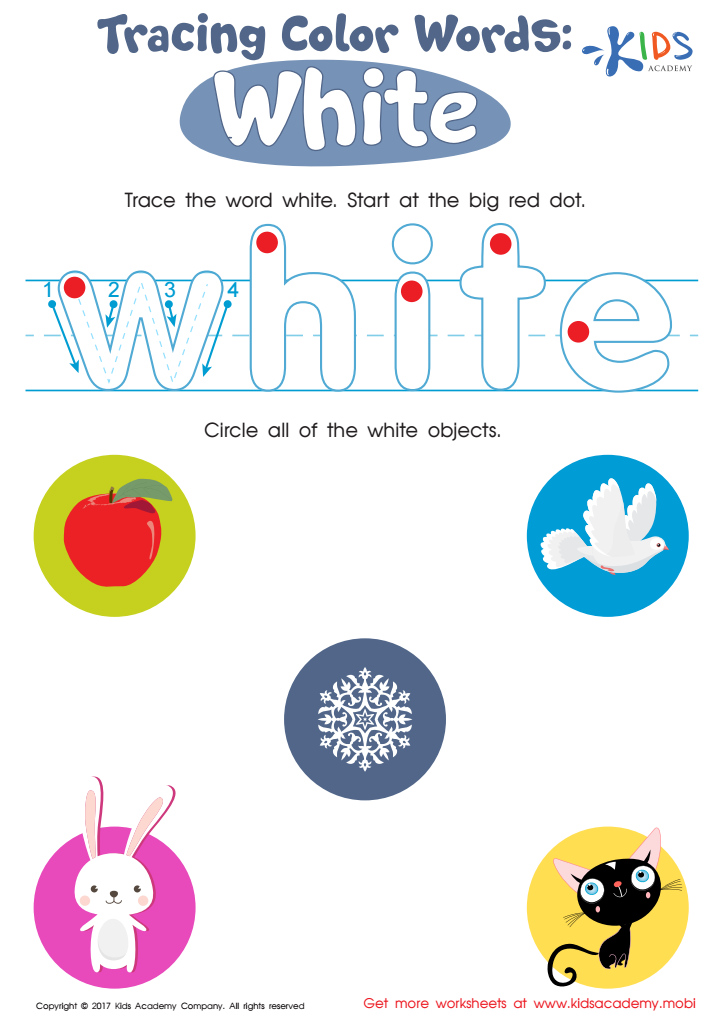
White Tracing Color Words Worksheet
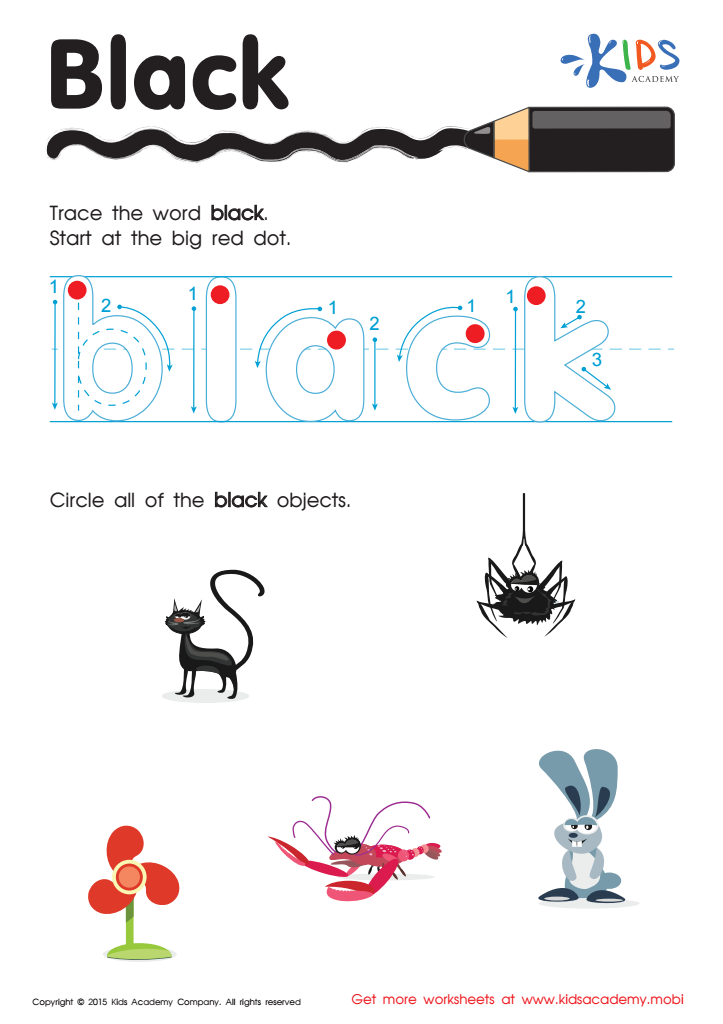
Black Tracing Color Words Printable





Handwriting improvement is crucial for children aged 3-4 for several reasons. First, it lays the foundation for future writing skills. At this age, children develop fine motor skills, learning to control a pencil and create letters. Improved hand coordination supports not only handwriting but other essential tasks like tying shoelaces and using utensils.
Second, handwriting is linked to cognitive development. As children practice writing letters and words, they enhance their memory and brain connections. This process encourages language development and reading readiness, essential skills for their academic future.
Moreover, handwriting serves as a means of expression. When children can write their thoughts or feelings, they build confidence and self-esteem. This promotes communication skills and supports social interaction, helping them bond with their peers.
Lastly, engaging in handwriting activities can be a fun and enjoyable experience, fostering a love for learning. Incorporating creative and interactive methods, such as drawing or playing with letters in sand, can motivate children to practice regularly.
In essence, focusing on handwriting improvement nurtures important physical, cognitive, and emotional development, setting the stage for successful learning in school and beyond. Parents and teachers can make a significant difference by encouraging this vital skill early on.