Motor skills development Normal English for Beginners Worksheets for Ages 3-4
3 filtered results
-
From - To
Discover our engaging Motor Skills Development worksheets designed for children aged 3-4 who are learning English as a second language. These age-appropriate printables aim to enhance fine and gross motor skills while promoting language acquisition through fun activities. Each worksheet incorporates vibrant visuals and interactive tasks to capture your child's attention and encourage participation. From cutting and pasting to coloring and tracing, these exercises help develop coordination and dexterity, all while reinforcing essential vocabulary. Ideal for parents and educators, our resources provide a solid foundation for early learning and foster independence in young learners. Start building essential skills today!
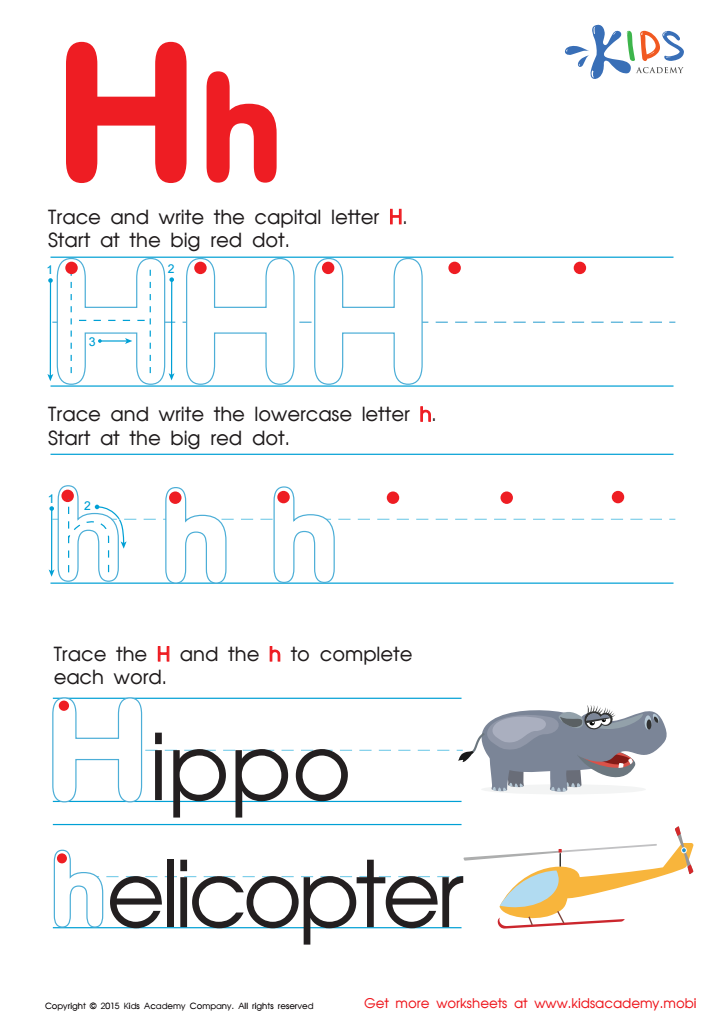
Letter H Tracing Page
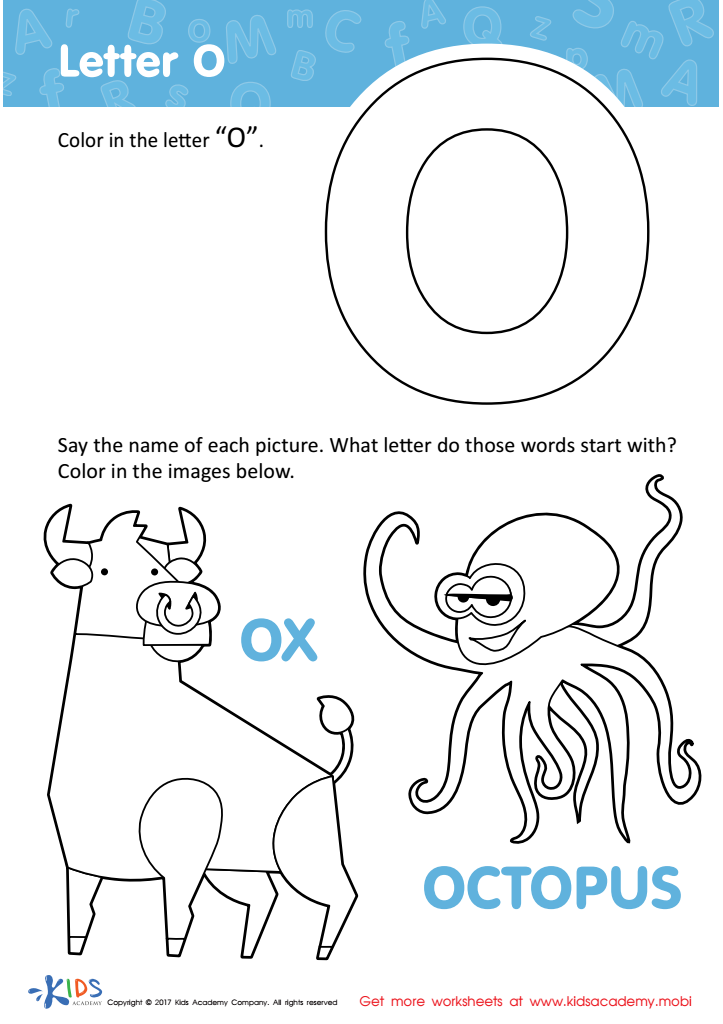
Letter O Coloring Sheet
 Assign to My Students
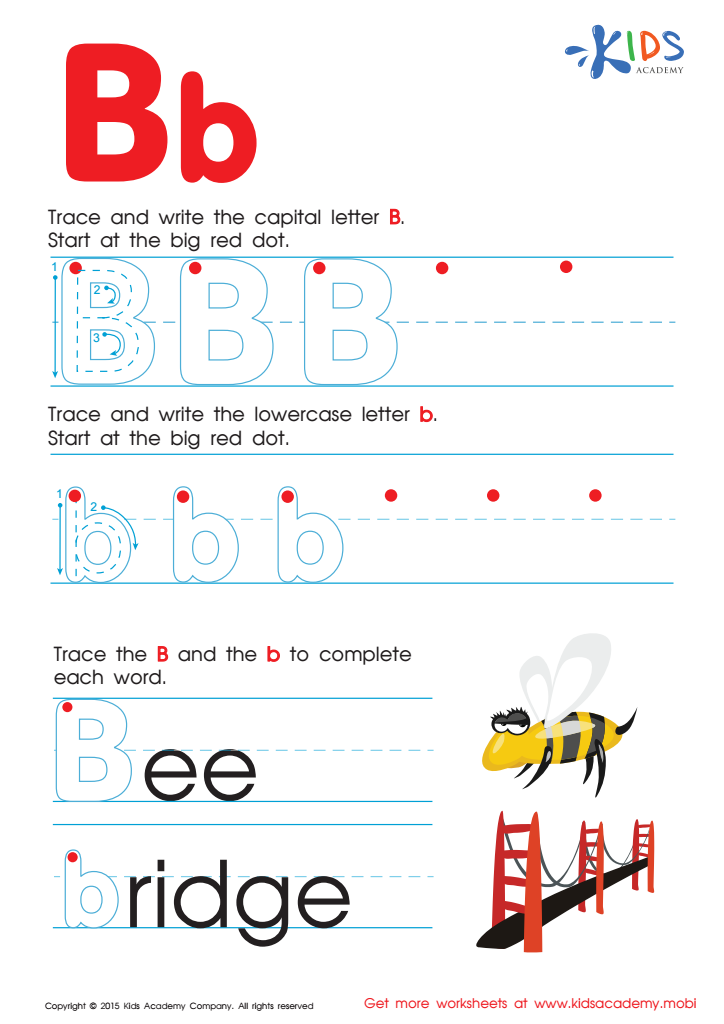
Letter B Tracing Page




Motor skills development is very important for young children, especially for those aged 3-4. Parents and teachers should care about this because motor skills help kids play, learn, and explore the world around them.
Having good motor skills means a child can do tasks like picking up toys, holding a spoon, or drawing. These skills are divided into two types: fine motor skills (like drawing and buttoning clothes) and gross motor skills (like running and jumping). When children practice these skills, they become stronger and more confident.
Good motor skills also help with learning. For example, when children learn to write or color, they use their fine motor skills. This prepares them for school activities later on. Similarly, playing outside helps them develop their gross motor skills and stay healthy.
In addition, developing motor skills can boost a child’s self-esteem. Being able to do things on their own makes kids feel proud and encourages them to try new things. So, for parents and teachers, supporting motor skills development is key to helping children grow, learn, and enjoy new experiences!